Sailing Backstay Tuning: Balance Power, Speed, and Control #shorts
Standing on the foredeck of a cruising sloop as the breeze freshens from a gentle whisper into a stubborn blow, every millimeter of standing rigging tells a story of load, shape, and balance. For decades, the testing teams and technical editors at Practical Sailor have scrutinized the mechanical nuances that separate an unruly, heavy-helmed vessel from a balanced, responsive sailing rig. Few adjustments exert as sweeping an influence over sail draft, headstay sag, and helm pressure as the backstay.
Backstay adjustment is fundamentally about manipulating three-dimensional geometry under live sailing loads. By altering the tension along the aft wire or hydraulic stay, a sailor bends the mast column, tensions the headstay, and redraws the aerodynamic cross-section of both the mainsail and jib. When dialed in correctly, the boat tracks straight, slices smoothly through building seas, and spares the helmsman or electronic autopilot from battling persistent weather helm.
Yet misunderstanding the limits of backstay tension introduces real peril. Sailors frequently mistake tensioning devices for a universal cure for being overpowered, cranking on backstay tackles or pumping hydraulic cylinders far past prudent engineering margins instead of tucking in a reef. Understanding the delicate balance between aerodynamic efficiency and mast compression loads forms the cornerstone of sound rig stewardship.
The Aerodynamic Physics of Backstay Tension and Mast Bend
When tension is applied to the backstay on a fractional or masthead rig, the masthead is drawn down and aft. Because the mast step and deck collar or partner act as fixed pivots while the spreaders provide lateral and longitudinal resistance, this aft load induces a controlled forward bow in the center of the mast tube. As the spar bends forward into the luff of the mainsail, it consumes the cloth cut into the sail by the sailmaker, effectively pulling fullness out of the belly and flattening the overall airfoil.
Simultaneously, that same aft pulling force transmits directly through the masthead to tension the forestay. Under headsail aerodynamic side-force, the headstay naturally sags to leeward, creating a deeper, fuller camber in the genoa or working jib. Increasing backstay tension straightens the forestay wire, dramatically reducing headstay sag. This moves the maximum draft of the headsail forward, flattens its entry angle, and allows the boat to point substantially higher while eliminating excessive aerodynamic drag.
Light-Air Trimming: Building Camber Without Forestay Pumping
In light air, sailboats starve for aerodynamic drive. Easing the backstay permits the mast column to relax into a straighter profile, which restores natural depth and camber to the mainsail. Concurrently, the relaxed stay allows the headstay to sag slightly to leeward under the weight of the headsail cloth, generating a rounder, fuller headsail profile that develops maximum lift in gentle breezes.
However, allowing the backstay to go completely slack is neither fast nor prudent seamanship. If residual ground swell or motorboat chop causes the hull to pitch, an unstayed forestay begins to pump rhythmically. Every fore-and-aft shudder of the wire violently shakes the headsail foil, breaking delicate laminar airflow along the sail cloth and collapsing boat speed. In such conditions, applying a measured amount of backstay tension stabilizes the forestay, locks in a clean foil shape, and delivers superior speed through the water compared to an uncontrolled, flopping rig.
Medium-Air Transition: Racing Tactics vs. Cruising Autopilot Relief
As the breeze builds toward twelve to fifteen knots, a sailing hull reaches full power and nears its theoretical displacement hull speed. At this juncture, any additional aerodynamic force generated by full-bellied sails no longer converts into forward acceleration; instead, it heels the boat excessively, drives the rudder to large drag-inducing steering angles, and induces heavy weather helm.
Sailboat racers approach this dynamic zone by actively playing the backstay tackle through changing wind pressure. In the puffs, the trimmer tensions the backstay to flatten the mainsail, firm up the forestay, and bleed off excess heeling moment; when the puff subsides into a lull, tension is eased to restore draft and drive. Cruising crews rarely need to work the controls with second-by-second intensity, but deliberate seasonal or hourly adjustments pay massive dividends. Tightening the stay as the afternoon sea breeze builds neutralizes the helm, eliminates steering exhaustion, and drastically reduces the electrical amp-hour draw on the below-deck autopilot.
Heavy Air and the Structural Limits of Rig Compression
When winds climb past twenty knots, backstay tension becomes a vital depowering tool. Substantial tension prevents the headstay from sagging into a deep, drag-heavy pouch that forces the boat on its ear. Blading out the mainsail lowers total aerodynamic side-force, allowing the yacht to stay on its feet and maintain steerage through steep water.
Crucially, backstay tension must never be treated as a substitute for reefing. Every kilogram of load applied to the backstay wire exerts an equal downward compression force directly through the mast step into the keel grid or deck support pillar, while multiplying tension across the forestay and chainplates. If the rig has reached its established maximum tension line or hydraulic gauge limit and the vessel remains overpowered, the only safe response is to shorten sail. Over-tensioning in a desperate bid to flatten a blown-out mainsail risks catastrophic spar failure, spreader damage, or chainplate fatigue.
Punching Through Chop: Managing Sail Twist and Leech Tension
Steep chop and confused waves demand nuanced sail trim. While a firm backstay is essential to keep the forestay rigid and prevent the headsail luff from vibrating out of shape as the bow punches into wave faces, an entirely board-flat sail plan robs the yacht of torque. A vessel with flat sails and tight leeches will slam into head seas, stall out, and slide sideways into leeway.
To preserve punch and acceleration through waves, sailors must separate mast bend from leech tension. By using a softer mainsheet setting alongside an eased traveler or vang, the sailor introduces twist into the upper leech of the mainsail. This allows the lower section of the sail to provide the driving power needed to punch through wave crests while the twisted upper section safely spills excess heel, maintaining forward momentum without stalling the hull.
Backstay Adjustment Matrix by Wind Regime
| Wind Regime | Backstay Tension | Forestay Sag Profile | Mainsail Camber | Sea State Technique | Operational Goal |
|---|---|---|---|---|---|
| Light Air (0–8 kts) | Minimal to light | Moderate controlled sag | Full draft, straight mast | Add slight tension in chop to stop pumping | Generate maximum aerodynamic drive and power |
| Moderate Breeze (9–15 kts) | Moderate, progressive | Firming, slight sag | Transitional, medium draft | Ease slightly in lulls, firm in puffs | Balance the helm and reduce autopilot steering load |
| Heavy Air (16–24 kts) | Substantial, near max | Taught, minimal sag | Flat, bladed-out profile | Soften mainsheet for upper twist in steep chop | Depower sail plan, control heel, and prevent leeway |
| Severe Blow (25+ kts) | Established maximum | Rigid headstay | Flattened reefed sail | Shorten sail; backstay never replaces reefing | Prevent rig compression overload and structural failure |
Frequently Asked Questions
Tensioning the backstay pulls the masthead aft and bows the center of the mast forward, flattening the mainsail draft. Simultaneously, it straightens the forestay wire, eliminating headstay sag and creating a flatter, higher-pointing headsail foil.
No. Backstay tension should never substitute for reefing. Over-tensioning increases downward compression loads on the mast tube and rigging hardware. Once the established backstay limit is reached and the boat remains overpowered, you must shorten sail area.
Leaving the backstay completely slack can cause the forestay to pump and shake in ocean swell or chop. A fluttering headstay destabilizes laminar airflow over the headsail cloth, stalling drive and making slight tension faster and safer than a loose rig.
By flattening the sails and firming the headstay as the wind builds, proper backstay tension neutralizes excessive weather helm. A balanced rudder requires minimal steering corrections, substantially decreasing battery amp-hour consumption and mechanical wear on the autopilot drive.
In steep chop, keep the backstay firm enough to stabilize the headstay, but avoid an excessively flat sail plan that lacks punching power. Soften the mainsheet slightly to introduce upper-leech twist, maintaining forward acceleration through oncoming waves.
Book a trip where this was filmed — near New York City












Support Practical Sailor
At WeBoating.com, we profoundly acknowledge the unwavering dedication that Practical Sailor invests in crafting each and every video or voyage. Their passion for delivering exceptional ocean content shines through every frame, and it's a labor of love that deserves your attention.
We invite you to watch their captivating videos here and actively engage with their content, including their social media links above. Liking, commenting, and sharing their work goes a long way in fueling their creative fire.
We're also inviting you to explore the gear, sponsorships, and boat partnerships highlighted in the "Sailing Backstay Tuning: Balance Power, Speed, and Control #shorts" video description, or directly on YouTube. By engaging with these offerings or purchasing services and items, you directly support Practical Sailor, their collaborators, and the brands they're associated with.
To ensure you never miss an offshore update, consider visiting their official YouTube Channel to subscribe, like, and join their community directly.
If you have any feedback, corrections, or additional information about Practical Sailor or their videos, please use the comment form below to share your thoughts with us.
Thank you for being a part of our community and supporting the creators we cherish. Your time and support truly matter!
Unlock sailing speed and control! Learn how adjusting your backstay impacts sail shape in different wind conditions. Optimize your rig for effortless steering and enhanced performance. #SailingTips #SailboatRacing #BackstayAdjustment #Yachting #SailTrim

Practical Sailor
Enjoy your sailboat more with Practical Sailor. Learn secrets to cruising more affordably. Discover the freedom of living aboard. Outfit your boat with the best gear and electronics. Keep your boat clean and well-maintained with less hassle. Confidently buy (and sell) the right sailboat for you and your family. For more than 50 years, we take the guesswork out sailing with independent boat and product tests and evaluations. Whether you’re new to the sport or a seasoned sailor, Practical Sailor’s videos and articles will teach you how to sail safely and enjoy your time on the water. Visit our website at https://www.practical-sailor.com/
Channel Information:
Social Media Links:
Sailing Backstay Tuning: Balance Power, Speed, and Control #shorts Location
- Practical Sailor Headquarters (41.0969378,-73.4441279)
Latest Episodes from Practical Sailor
Explore the most recent voyages. Subscribe to the channel to never miss an update!

Lightweight Dinghy vs. RIB: Which Tender Fits Your Sailboat? #shorts
A heavy RIB excels on a larger cruising boat, but a 60-pound packable tender with a 6-horsepower engine can make more sense on a smaller sailboat—easier to lift, store, and afford. #SailingLife #BoatTender #CruisingBoat #SailingGear
Boat Insurance and Age: Are Older Sailors Being Pushed Out? #shorts
Practical Sailor examines whether boat insurers are pushing older mariners off the water, comparing underwriting age requirements with insurer discounts.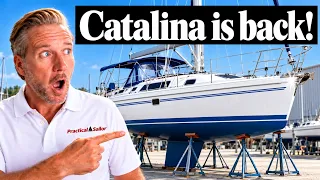
Catalina 356 Review – The First Boat of the Comeback
A technical inspection of the Catalina 356 at the Annapolis Sailboat Show, evaluating construction quality, Selden rig updates, Yanmar auxiliary power, and cruising ergonomics under Catalina Yachts' restarted production in Largo, Florida.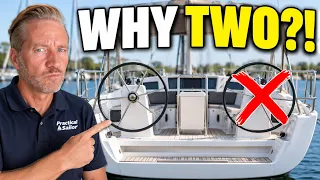
Why Does Every Sailboat Have Twin Helms?
Practical Sailor examines why modern sailboats feature twin steering wheels, evaluating wide-stern hull geometry, cockpit ergonomics, Jefa linkages, offshore steering redundancy, and whether dual helms justify their maintenance and hardware costs.
Backstay Tension: Spot Too Little or Too Much #shorts
Is your rig too slack or too tight? Learn the key signs of improper backstay tension: excessive sag, overly round headsails, poor pointing, and a main that stays too deep. Avoid a flat, lifeless boat. #SailingTips #Rigging #Sailboat #Yachting #Boating