New sails, new toys, and splash! | Ep. 357
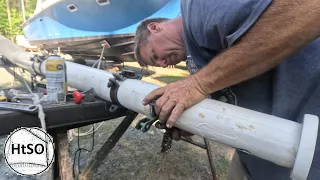
On the hard at the boatyard, final preparations demand immediate attention before the slings arrive. Kevin Boothby tackles rigging corrections aboard SV Ruth Avery, starting with a halyard reeved backward through its masthead block. After cutting and taping the line to draw it cleanly back through the sheave, attention shifts to deck hardware and standing rigging.
Masthead Rigging and Shroud Pin Rails
Clamping the wooden pin rail directly to the standing rigging had proven unreliable under sea loads, prompting an overdue mechanical fix. “How well can you do geometry in your head?” Boothby asks while aligning the lead forward along the deck. Securing the pin rail required replacing previous wood screws with robust machine fasteners. As Boothby observed regarding the old arrangement, “you can never get enough clamping pressure there and they would slide.” Boothby wraps athletic cloth tape around the wire shroud to provide mechanical bite before torquing down 1/4-20 bolts through the clamp.
Track Installation and Bottom Coatings
Along the cap rail, Boothby drills pilot holes for Genoa track sections to dial in sheeting angles for reaching sails. Care is required along the hull-to-deck joint: “I just got to make sure that I don’t try drilling into those through bolts.” Once bedded down and fastened, the crew shifts to protective coatings. Boothby applies white Sea Hawk Smart Solution hard paint along the boot top, favoring its durability over previously used formulations. Across the yard aisle, the crew of neighboring vessel SV Paquita works on their brightwork and underbody, noting that “Coppercoat will last about 12 to 15 years” once applied over bare fiberglass.
Sail Upgrades and Watermaker Stowed
Below and on deck, sail management takes center stage for How to Sail Oceans. Boothby retires the old topsail, salvaging a section of 4 oz cloth to serve as repair material for offshore sail maintenance. Replacing it is a fresh topsail paired with an enlarged Code Zero. The new reaching sail incorporates a heavy UV cover, allowing it to stay hoisted on its furler during coastal passages despite a minor weight penalty in the lightest airs. A portable watermaker is stowed aboard, rounding out the gear additions for the upcoming voyage.
Travelift Splash and Code Zero Sea Trial
On Thursday, June 4, 2026, the yard travelift trundles into position. Once the Gilmer 31 is suspended in the hoist slings, Boothby rolls antifouling paint over the bare spots where keel blocks previously rested. Lowered into the water, a yard launch takes the engineless cutter in tow down the marked channel while Boothby inspects the bilge compartments. The bilges show no ingress of water. Clear of the final green channel marker, SV Ruth Avery meets open water on a beam reach. The new Code Zero unfurls into the breeze, drawing smoothly across the deck as “those telltales are all breaking about at the same time.”
Frequently Asked Questions
The original wood screws failed to provide sufficient clamping pressure against the shroud and allowed the rail to slide. Replacing them with 1/4-20 bolts and adding cloth athletic tape secured the clamp firmly.
Sea Hawk Smart Solution hard white paint was applied along the boot top, while Sea Hawk antifouling coated the underbody, including touch-ups beneath the keel blocks once hoisted in travelift slings.
A worn topsail was cut down to harvest 4 oz cloth for future sail repair patches, making way for a new topsail and an enlarged Code Zero fitted with a protective UV cover.
Once clear of the final green channel marker onto a beam reach, the Code Zero filled cleanly, and all telltales broke simultaneously across the sail.
Book a trip where this was filmed — near Annapolis

Support How to Sail Oceans
At WeBoating.com, we profoundly acknowledge the unwavering dedication that How to Sail Oceans invests in crafting each and every video or voyage. Their passion for delivering exceptional ocean content shines through every frame, and it's a labor of love that deserves your attention.
We invite you to watch their captivating videos here and actively engage with their content, including their social media links above. Liking, commenting, and sharing their work goes a long way in fueling their creative fire.
We're also inviting you to explore the gear, sponsorships, and boat partnerships highlighted in the "New sails, new toys, and splash! | Ep. 357" video description, or directly on YouTube. By engaging with these offerings or purchasing services and items, you directly support How to Sail Oceans, their collaborators, and the brands they're associated with.
To ensure you never miss an offshore update, consider visiting their official YouTube Channel to subscribe, like, and join their community directly.
If you have any feedback, corrections, or additional information about How to Sail Oceans or their videos, please use the comment form below to share your thoughts with us.
Thank you for being a part of our community and supporting the creators we cherish. Your time and support truly matter!
Suddenly there's so much to sort out once that launch day goes on the boatyard schedule. But the stress is offset by the excitement of all the new stuff you will soon get to try out. This year she's getting a new topsail, larger code 0, and a watermaker!
SUPPORT HOW TO SAIL OCEANS ON PATREON: https://patreon.com/user?u=12372934
HOW TO SAIL OCEANS ON RUMBLE: https://rumble.com/c/c-1981134
HOW TO SAIL OCEANS TEE SHIRT: https://maritimetees.net/search?q=how+to+sail+oceans
DONATE: https://www.paypal.me/KevinBoothby
WEBSITE: https://www.kevinboothbysailing.com
MUSIC: The Temple -- Kevin Boothby
VIDEO SOUNDTRACKS: https://soundcloud.com/user-177118317
CAMERAS:
Canon EOS R6 Mk II with RF 70-200mm L IS zoom lens
Go Pro Hero 9 Black
Go Pro Hero 12 Black
Go Pro Hero 13 Black
DRONE:
DJI Phantom 3 Professional
THE BOAT: Design: Gilmer 31; LOD 31', LWL 25', Beam 9.5', Draft 4.5', Displ. 13,600lbs
How to Sail Oceans
Kevin Boothby, PhD, documents the forensics of engineless blue-water voyaging. Join his 2026 Bahamas expedition aboard the Gilmer 31 cutter, Ruth Avery.
Channel Information:
Social Media Links:
Latest Episodes from How to Sail Oceans
Explore the most recent voyages. Subscribe to the channel to never miss an update!
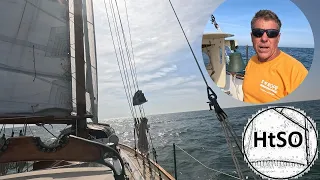
On Escaping the Heat and DIY Boatyards | Ep. 358
Kevin Boothby gets underway from Chisman Creek, Virginia, clearing the Chesapeake Bay Bridge-Tunnel to sail offshore toward Buzzards Bay and avoid extreme summer heat while reviewing DIY boatyard realities.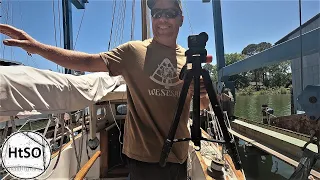
New sails, new toys, and splash! | Ep. 357
SV Ruth Avery finishes yard preparations with bolted pin rails, new Genoa tracks, and Sea Hawk antifouling before splashing into the water to unfurl a larger Code Zero.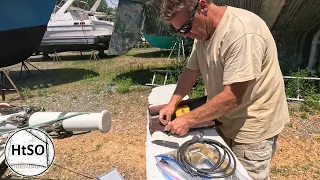
The Haulout “Third Quarter” | Ep. 356
Working through the middle stretch of a boatyard haulout, Kevin Boothby refits the wooden spars and hull of the Gilmer 31 Ruth Avery, applying epoxy barrier coats, servicing rigging, and stepping the rig.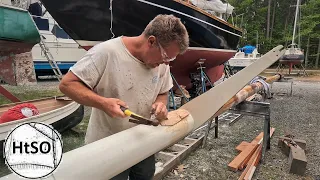
Much to do With Wooden Spars | Ep. 355
Kevin Boothby repairs rotted timber on the mast of Ruth Avery using a bi-directional scarf joint and shapes a new yard and jackyard for a larger gaff topsail.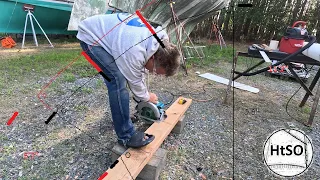
Grand Designs | Ep. 354
Kevin Boothby repairs lightning and rot damage on the mast of SV Ruth Avery and mills new Douglas fir spars for an expanded gaff topsail rig at Broad Creek Boatyard.