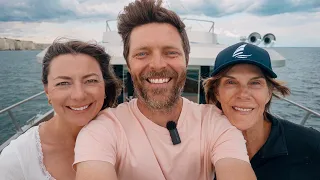
Fix One Thing, Break Another
Operating a state-of-the-art voyaging platform across remote marine environments demands unwavering technical vigilance and thorough systems diagnostics. For Jason Wynn and Nikki Wynn of Gone with the Wynns, voyaging aboard their high-performance HH44 Catamaran Curiosity II highlights the universal reality of global blue-water cruising: marine systems maintenance is an ongoing operational discipline where resolving one mechanical symptom often reveals secondary bottlenecks. Whether exploring remote cays in the Bahamas / Caribbean or undertaking coastal passages after departing the United States, offshore self-reliance hinges on understanding how high-voltage DC distribution, freshwater plumbing, digital navigational networks, and auxiliary propulsion function as an interconnected ecosystem.
Modern performance catamarans operate as complex floating microgrids. Where traditional voyaging yachts relied on independent direct-current circuits and isolated mechanical systems, contemporary catamarans integrate high-capacity battery networks, reverse-osmosis desalination, electro-hydraulic helm drives, and digital switching backbones. When one component suffers an unexpected voltage drop or pressure imbalance, the resulting change affects adjacent machinery. For ocean voyagers, systematic forensics transforms frustrating mechanical hurdles into predictable preventive protocols.
The Cascading Mechanics of Offshore Marine Systems
Aboard the HH44 Catamaran Curiosity II, Jason Wynn and Nikki Wynn of Gone with the Wynns confront the classic dynamic of marine systems maintenance while navigating the turquoise shallows of the Bahamas / Caribbean following extensive preparations in the United States. In remote anchorages where commercial boatyards and specialized technicians are absent, the familiar nautical adage—fix one thing, break another—accurately describes the interdependent engineering of modern yachts. Pumps, solenoids, storage banks, and digital sensors function within a unified framework where altering one operating threshold directly affects surrounding components.
This cascading reality frequently emerges when servicing high-demand equipment such as fresh-water pressurization loops and desalination units. Replacing exhausted filtration media restores manufacturer flow rates, yet the sudden increase in operational throughput exposes aged diaphragm seals downstream. Similarly, tightening high-pressure fittings on reverse-osmosis pumps can transfer mechanical vibration to adjacent manifolds or reveal micro-corrosion on terminal lugs under load. By anticipating secondary effects before disassembling machinery, experienced voyagers prevent routine preventive tasks from spiraling into multi-day work stoppages.
Reverse-Osmosis Watermaker Forensics and Pressure Diagnostics
Executing methodical marine systems maintenance aboard the HH44 Catamaran Curiosity II, Jason Wynn and Nikki Wynn of Gone with the Wynns prioritize freshwater self-sufficiency while cruising remote island chains across the Bahamas / Caribbean after voyaging southward from the United States. Without regular access to shoreside municipal water supplies, reverse-osmosis desalination is essential for extended off-grid living. Sustaining membrane longevity and hourly output requires continuous inspection of raw seawater feed pumps, multi-stage pre-filters, and high-pressure accumulator distribution bladders.
In shallow coral harbors and tidal sounds, suspended silt and organic sediment rapidly foul five-micron and twenty-micron cartridges. When intake pre-filters clog, feed pressure plummets, starving the high-pressure pump and risking cavitation. Replacing fouled elements restores clean feed flows, yet mariners often encounter an accompanying challenge: freshwater distribution pumps cycling erratically due to depleted accumulator tank bladders. Recharging an internal bladder to approximately 22 PSI—just below pump cut-in pressure—restores smooth hydraulic flow. Furthermore, seawater temperature governs membrane yield; colder seasonal waters elevate viscosity, requiring operating pressures up to 900 PSI to maintain rated permeate production.
Hybrid DC Electrical Architecture and 48-Volt Lithium Bank Management
Supervising the advanced EcoDrive hybrid electrical network aboard the HH44 Catamaran Curiosity II demands rigorous marine systems maintenance from Jason Wynn and Nikki Wynn of Gone with the Wynns during extended cruising throughout the Bahamas / Caribbean and offshore passages originating in the United States. Transitioning away from legacy lead-acid and AGM chemistries toward dedicated 48-volt lithium iron phosphate (LiFePO4) banks delivers exceptional energy density and rapid recharge capability, but introduces strict requirements for cell balancing, busbar conductivity, and digital shunt integration.
While a 48-volt storage bank effortlessly powers air conditioning, induction galleys, and electric propulsion drives, charging dynamics require surgical oversight. During bulk charging cycles—supplied by auxiliary diesel generators, extensive rooftop solar arrays, or hydrogeneration under sail—even fractional resistance disparities between parallel banks cause voltage divergence. A loose terminal bolt or tarnished copper busbar can generate a 0.3-volt to 0.5-volt discrepancy under a 100-amp charge rate, prompting digital chargers to prematurely throttle from bulk phase into absorption mode. Troubleshooting requires checking busbar torque and verifying that networked displays reference the correct central master shunt.
Navigational Firmware, Digital Autopilot Networks, and Drive Solenoids
Managing networked marine electronics and digital steering actuators constitutes a mission-critical aspect of marine systems maintenance aboard the HH44 Catamaran Curiosity II, where Jason Wynn and Nikki Wynn of Gone with the Wynns sail between remote anchorages across the Bahamas / Caribbean following extensive offshore voyages from the United States. Contemporary glass-bridge navigation suites connect chartplotters, NMEA 2000 communication backbones, compass sensors, and electro-hydraulic autopilot course computers into a single interdependent control matrix.
While manufacturer firmware updates resolve legacy software bugs, executing updates in remote anchorages carries real operational risks. Upgrading autopilot processor code can inadvertently overwrite custom drive parameters, reverting solenoid voltage thresholds from 24-volt or 48-volt custom specifications back to 12-volt factory defaults. Such configuration resets disable automatic rudder control and mandate complete dockside commissioning sequences, leaving a vessel reliant solely on backup emergency steering until drive profiles are restored. Mariners must verify solenoid voltage settings and carry digital backup configuration files before initiating software refreshes.
Cruising Spares Strategy, Preventive Protocols, and Field Repair
Developing a resilient cruising spares inventory forms the cornerstone of marine systems maintenance aboard the HH44 Catamaran Curiosity II, enabling Jason Wynn and Nikki Wynn of Gone with the Wynns to cruise safely across the Bahamas / Caribbean hundreds of miles away from commercial marine yards in the United States. Remote self-reliance transforms unplanned breakdowns into manageable maintenance procedures through structured spare parts categorization, specialized diagnostic tooling, and scheduled preventive inspections.
An offshore spares inventory must balance high-wear consumables with single-point failure components. Critical items include raw water pump impellers, fuel filtration elements, reverse-osmosis pre-filter cartridges, spare accumulator bladders, high-amperage Class T fuses, NMEA 2000 drop cables, and replacement solenoid packs. Equally important are diagnostic tools such as digital clamp multimeters and infrared thermometers for scanning electrical terminals. Enforcing weekly bilge sweeps, monthly seacock exercises, and periodic accumulator pressure checks ensures long-term vessel reliability and seamanship.
| Marine System | Primary Function | Preventive Service Interval | Mandatory Cruising Spares | Key Diagnostic Indicator |
|---|---|---|---|---|
| Reverse-Osmosis Watermaker | Seawater desalination and potable freshwater generation | 250 operating hours / 6 months | 5 & 20-micron pre-filters, carbon cartridges, high-pressure seals | Feed pump vacuum drop and hourly permeate yield decrease |
| Freshwater Accumulator Tank | Hydraulic pressure stabilization and pump cycling dampening | Bi-annual pneumatic pressure audit | Schrader valve cores, spare pressure switch, air pump | Rapid pump rapid cycling intervals (<3 seconds) during water draw |
| 48V Lithium Battery Bank | High-capacity DC domestic power storage and propulsion buffer | Monthly cell voltage and terminal torque check | Class T fuses, digital battery monitor shunt, spare busbar hardware | Imbalance in parallel bank voltages (>0.3V) during bulk charge |
| Autopilot Drive & Actuators | Automated rudder heading control and course keeping | Pre-passage commissioning and solenoid inspection | Drive solenoid pack, rudder feedback sensor, NMEA 2000 drop cables | Drive voltage mismatch error and failure of automatic helm response |
| Marine Auxiliary Generator | AC power generation and high-amperage battery replenishment | 100 hours: oil & fuel filters; 200 hours: impeller | Neoprene impellers, primary fuel filters, drive belts, zinc anodes | Exhaust water flow reduction, rising coolant temperatures |
| Underwater Seacocks & Through-Hulls | Raw seawater intake and grey/blackwater overboard discharge | Monthly full-stroke manual valve exercise | Tapered wooden bungs, marine sealant, spare ball valve handles | Stiffness in valve actuation and mineral deposit accumulation |
Frequently Asked Questions
To provide voyaging mariners, multihull owners, and coastal cruisers following Jason Wynn and Nikki Wynn of Gone with the Wynns aboard their HH44 Catamaran Curiosity II with clear technical solutions, this reference compiles vital marine systems maintenance answers for voyages across the Bahamas / Caribbean and coastal departures from the United States.
Modern cruising yachts function as closely integrated mechanical, electrical, and hydraulic ecosystems. Servicing one component—such as increasing freshwater flow by replacing clogged watermaker pre-filters or reconfiguring a 48V battery charger—often shifts operational pressures and electrical loads onto surrounding systems, uncovering latent seal wear, air bladder deflation, or terminal corrosion elsewhere.
A drop in freshwater production usually stems from clogged five-micron or twenty-micron sediment pre-filters, biological fouling on reverse-osmosis membranes, or seawater temperature fluctuations. Cruisers should monitor raw feed intake vacuum, inspect pre-filters for organic discoloration, and adjust operating pressures between 800 and 900 PSI based on ambient water salinity and temperature curves.
Rapid pump cycling indicates that the freshwater pressure accumulator tank has lost its internal pneumatic pre-charge or suffered a ruptured rubber bladder. To resolve this, drain pressure from the plumbing system and use a standard bicycle tire pump to recharge the tank’s Schrader valve to approximately 22 PSI—roughly two to three PSI below the pump cut-in threshold.
Voltage differences exceeding 0.2 to 0.3 volts between parallel banks during bulk charging usually result from loose busbar connections, micro-corrosion on terminal lugs, or misassigned digital shunts. Mariners must check cable resistance with a multimeter, torque all terminal fasteners to specification, and ensure digital monitoring displays reference the correct physical shunt device.
Navigational firmware updates can reset custom processor parameters to factory defaults, inadvertently reverting drive solenoid voltage configurations from 24V or 48V back to 12V. This voltage mismatch triggers commissioning lockout alarms that disable automatic helm control until mariners access advanced dealer configuration menus to reassign correct solenoid drive voltages.
Cruisers operating in isolated archipelagos must inventory replacement raw water pump impellers, fuel filter elements (primary 30-micron and secondary 2-micron), watermaker pre-filters, spare accumulator bladders, high-amperage Class T fuses, NMEA 2000 drop cables, spare solenoid packs, and a reliable digital multimeter with clamp-on DC amp measurement capabilities.
Underwater ball valves and seacocks should be manually operated through their full stroke at least once per month to prevent marine growth and mineral calcification from locking the ball in place. Annual maintenance includes inspecting backing blocks, checking hose double-clamps for corrosion, and applying marine-grade waterproof lubricant to valve stems.
Support Gone with the Wynns
At WeBoating.com, we profoundly acknowledge the unwavering dedication that Gone with the Wynns invests in crafting each and every video or voyage. Their passion for delivering exceptional ocean content shines through every frame, and it's a labor of love that deserves your attention.
We invite you to watch their captivating videos here and actively engage with their content, including their social media links above. Liking, commenting, and sharing their work goes a long way in fueling their creative fire.
We're also inviting you to explore the gear, sponsorships, and boat partnerships highlighted in the "Fix One Thing, Break Another" video description, or directly on YouTube. By engaging with these offerings or purchasing services and items, you directly support Gone with the Wynns, their collaborators, and the brands they're associated with.
To ensure you never miss an offshore update, consider visiting their official YouTube Channel to subscribe, like, and join their community directly.
If you have any feedback, corrections, or additional information about Gone with the Wynns or their videos, please use the comment form below to share your thoughts with us.
Thank you for being a part of our community and supporting the creators we cherish. Your time and support truly matter!
Boat mysteries, maintenance jobs and things that just weren’t working quite right. 🦈 Beef up your security! Go to https://surfshark.com/wynns or use code WYNNS at checkout to get 4 extra months of Surfshark VPN!
https://www.gonewiththewynns.com
☝Behind the Scenes, Gear Guides & More
🎬 Produced, Filmed and Edited by: Jason & Nikki Wynn
⚓️ Our Explorer Yacht ⚓️
https://www.gonewiththewynns.com/explorer-yacht-undra/
📷 Photo & Video Gear 📷
https://www.gonewiththewynns.com/photo-video-gear
📱Socials
INSTAGRAM: https://instagram.com/the_wynns/
FACEBOOK: https://www.facebook.com/GoneWithTheWynns
📧JOIN THE CREW🍦
http://bit.ly/gwtw-social
🎶 MUSIC for vids.
2 Months Free: https://bit.ly/artlist-GWTW
🎨 Creative Assets for Vids (SFX, Templates & Presets):
- https://bit.ly/motion-array-GWTW
🎽GET YOUR SWAG ON: https://gonewiththewynns.teemill.com/
It was time to start working through the growing list of little mysteries, maintenance jobs and things that just weren’t working quite right on our explorer yacht UNDRA.
Some things went surprisingly well. Others left us scratching our heads...and then Jason decided to update our navigation software. What could possibly go wrong?!
----------------------------------------------------------------------------------------------
WE’RE JASON AND NIKKI WYNN. A couple of explorers, modern-day documentarians, and cultivators of curiosity.
We’ve been chasing our curiosity around the world on wheels and keels since 2011. Why? Because curiosity is the key to unlocking life. It pushes us outside our comfort zone, softens our assumptions, and helps us embrace the great unknown. The more we let our curiosity lead the way, the more we discover about ourselves and the world around us.
Things We're Most Curious About...
GETTING OFF-GRID
Our home is also our transportation and we spend weeks away from civilization and sometimes land. So self-reliance and sustainable living are a must. We've learned heaps about renewable energy, managing waste, creating safe drinking water and foraging for food. We carefully manage our resources and we’re always looking for new and better ways to do so.
TALKING TO STRANGERS
People are busy (even on remote islands) and travelers are a dime a dozen. It takes time to talk to strangers, and even more time to have a real connection. Going the extra mile to get to know someone is a commitment.
Which is why these are our most treasured experiences. Setting off into the world with curiosity as our guide and nature as our compass. We talk to strangers and accept hospitality without fear or reservations. Both giving and receiving.
ALTERNATIVE LIVING
These are people who are doing things differently. Forgoing the mainstream, seeking freedom and living on the margins. Creative, unique and inspiring people who challenge our ideas of home and community.
Our journey is ever-evolving but the mission remains the same: #CultivateCuriosity
----------------------------------------------------------------------------------------------
#exploreryacht #BoatLife #yacht #diy #LifeStyle #Adventure #Sailing #Curiosity
© Gone With the Wynns 2026

Gone with the Wynns
Jason and Nikki Wynn: The ultimate cultivators of curiosity navigating their aluminum explorer yacht, UNDRA, through the glaciers of Antarctica in 2026.
Channel Information:
Social Media Links:
Fix One Thing, Break Another Location
- George Town Cruising Harbor, Great Exuma, Bahamas (23.5,-75.76)
- Exuma Sound Performance Sailing Fairway, Bahamas (24.2,-76.5)
Latest Episodes from Gone with the Wynns
Explore the most recent voyages. Subscribe to the channel to never miss an update!

Is England Beating France at Its Own Game?
Moored in Salcombe, Jason and Nikki Wynn trade their aluminum hull for boots to investigate England's booming wine industry. They discover how warming climates and chalk soils allow English sparkling wine to rival French Champagne in blind tastings.
Hiding From The Wind, Up a River
Jason and Nikki Wynn navigate cruising catamaran Curiosity II into a sheltered tidal river hurricane hole in Fiji, deploying dual storm ground tackle to withstand gale-force winds.
Fix One Thing, Break Another
A technical investigation into marine systems maintenance, reverse-osmosis watermaker servicing, and hybrid electrical troubleshooting aboard the HH44 catamaran Curiosity II with Jason and Nikki Wynn.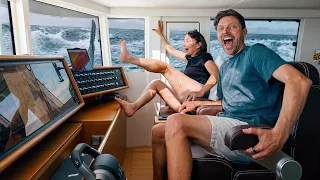
These Waves Hit Harder Than Expected
A smooth sea never made a skilled sailor. Get an exclusive 15% discount on Saily data plans! Use code WYNNS at checkout. Download Saily app or go to ☝Behind the Scenes, Gear Guides & More 🎬 Produced, Filmed and Edited by: Jason & Nikki Wynn ⚓️ Our Explorer Yacht ⚓️ 📷 Photo & Vi...
This Is Not the England We Expected
Fossils, ghost villages, white cliffs and a coastline we never expected... Go to or use code WYNNS at checkout to get 4 extra months of Surfshark VPN! ☝Behind the Scenes, Gear Guides & More 🎬 Produced, Filmed and Edited by: Jason & Nikki Wynn ⚓️ Our Explorer Yacht ⚓️ 📷 Photo & V...