The Hobbit SE Multi-Fuel Stove Review (Salamander Stoves) | Paragon’s Favourite Stuff Ep. 19
Late on a freezing night in the Western Isles of Scotland, Drake dampers down the cast iron stove in the salon of Paragon. The 42-foot cutter documented on DrakeParagon relies entirely on solid fuel for cabin heat during sub-zero winters. With outside temperatures dropping below freezing, Drake closes all three air controls to gradually extinguish the coal fire overnight.
By morning, the boat has cooled down, prompting the daily heating routine. Drake inspects the compact Hobbit SE multi-fuel stove from Salamander Stoves, which has kept the cabin warm over the past cold winter. Replacing their previous wood burner, this cast iron installation provides DEFRA approved smoke compliance and versatile multi-fuel capability across remote anchorages.
Replacing the Little Cod for Multi-Fuel Heating
For 13 years, the crew heated Paragon exclusively with a Little Cod cast iron stove. That earlier unit burned only wood, which caused logistical hurdles when cruising treeless coastlines. While Drake gathered complimentary scrap timber from a carpentry shop during a winter in Iceland, other ports offered little firewood but abundant coal.
The Hobbit stove resolved this limitation by burning wood, peat, and coal. Coal burns hotter and lasts longer than wood, allowing denser energy storage within cabin lockers. In addition, the stove meets UK DEFRA standards for smoke control areas, and its riddle grate permits removing hot ashes while the fire is actively burning.
Granite Hearth and Heavy Weather Mounting
Securing a 50 kilogram stove aboard a blue-water sailboat requires thorough engineering. Salamander Stoves specifies a non-combustible hearth at least 12 millimeters thick. Drake had a granite slab custom-cut to fit the salon sole before drilling through the stone and underlying plywood deck.
To fasten the stove, Drake utilized the four threaded riser holes in the cast iron feet. To guard against severe knockdowns offshore, he drilled three additional holes through the stove base:
“The last thing I want to worry about in a storm is if anything down below in the cabin is going to break apart and go flying especially something this heavy.”
Massive 16 millimeter through-bolts with large washers clamp the assembly securely to the deck.
Morning Firing and Air Control Operation
Relighting starts with window cleaning. Drake cleans soot off the glass using damp newspaper dipped in wood ashes, a technique proven over 13 years on his previous stove. He then operates the riddle lever to shake residual ashes into the ash pan without spreading dust.
Drake builds the fire with crumpled newspaper and kindling, opening the ash pan door to maximize initial draft. Once flames take hold, he ladles coal across the firebox with a shovel. Modulating the burn involves three controls: the lower primary air dial, the right airwash lever, and the left tertiary air lever.
Solid Fuel Efficiency and Cabin Warmth
The manual directs users to close the primary dial when burning wood, relying on the airwash and tertiary vents. For coal, Drake closes the tertiary vent, sets the airwash halfway, and regulates heat using the primary dial. Once established, an eco fan circulates warmth through the cabin while the top flue leaves room for a kettle.
Evaluating winter heating costs, Drake finds solid fuel far more economical and dependable than electricity or diesel:
“It’s an extremely economical way to heat a boat all winter long I think it’s less expensive than using electricity or diesel.”
Having suffered a diesel heater failure during a bitter Boston winter, he values the silent reliability of solid fuel.
Underway Heating and Ash Management
Despite its advantages, solid fuel is strictly confined to anchorages and harbors. Drake never operates the stove underway:
“When we’re offshore and under sail and the boat’s healing there’s just no way I would want to make a fire under those conditions.”
Underway, Paragon relies on a hydronic boiler, preserving the Hobbit stove for sheltered anchorages across the Western Isles.
Frequently Asked Questions
The previous Little Cod stove burned only wood, making fuel procurement difficult in treeless regions. The Hobbit stove is a DEFRA approved multi-fuel burner that handles wood, peat, and coal, allowing the crew to store compact coal in lockers and empty ashes while the fire is burning.
The stove sits on a custom granite hearth at least 12 millimeters thick. In addition to through-bolting the four cast iron feet, Drake drilled three additional holes through the bottom of the 50 kilogram stove, bolting it down with massive 16 millimeter bolts and oversized washers.
When burning coal, the manufacturer recommends closing the rear tertiary air control completely, opening the airwash control halfway to help keep the glass window clear, and regulating the combustion burn rate using the lower primary air dial.
No. Drake explains that the crew never lights the solid-fuel stove underway while sailing or heeled over offshore due to safety risks. While sailing offshore, Paragon uses a hydronic diesel and electric boiler system for cabin warmth, reserving the Hobbit stove for anchorages and marinas.
Water adventures in United Kingdom






Support DrakeParagon
At WeBoating.com, we profoundly acknowledge the unwavering dedication that DrakeParagon invests in crafting each and every video or voyage. Their passion for delivering exceptional ocean content shines through every frame, and it's a labor of love that deserves your attention.
We invite you to watch their captivating videos here and actively engage with their content, including their social media links above. Liking, commenting, and sharing their work goes a long way in fueling their creative fire.
We're also inviting you to explore the gear, sponsorships, and boat partnerships highlighted in the "The Hobbit SE Multi-Fuel Stove Review (Salamander Stoves) | Paragon’s Favourite Stuff Ep. 19" video description, or directly on YouTube. By engaging with these offerings or purchasing services and items, you directly support DrakeParagon, their collaborators, and the brands they're associated with.
To ensure you never miss an offshore update, consider visiting their official YouTube Channel to subscribe, like, and join their community directly.
If you have any feedback, corrections, or additional information about DrakeParagon or their videos, please use the comment form below to share your thoughts with us.
Thank you for being a part of our community and supporting the creators we cherish. Your time and support truly matter!

DrakeParagon
From the ice of Svalbard to the shores of Cornwall, Drake and Monique of DrakeParagon define the modern sailing documentary with technical depth and cinematic soul.
Channel Information:
Social Media Links:
The Hobbit SE Multi-Fuel Stove Review (Salamander Stoves) | Paragon’s Favourite Stuff Ep. 19 Location
- Western Isles, Scotland, United Kingdom (58.2094,-6.3849)
Latest Episodes from DrakeParagon
Explore the most recent voyages. Subscribe to the channel to never miss an update!

Almost to The Mediterranean! – Sailing from Spain to Tunisia, Part 14 | DrakeParagon Sailing
Drake and Monique weigh anchor in Cadiz, resolve a frozen chart plotter, and sail Paragon 40 nautical miles toward Barbate, hugging shallow coastal waters under 65 feet to steer clear of orcas.
A Very Lumpy Sail – Sailing from Spain to Tunisia, Part 13 | DrakeParagon Sailing
Drake and Monique navigate shallow coastal waters and naval traffic past Rota to anchor in Cadiz, logging 50.74 nautical miles aboard Paragon.
Sailing the Coast to Avoid Orcas! – Sailing from Spain to Tunisia, Part 12 | DrakeParagon Sailing
Drake and Monique navigate Paragon through coastal shallows to avoid orca encounters on passage to Cadiz, managing river currents, crab pot fields, and commercial shipping traffic along the Spanish coast.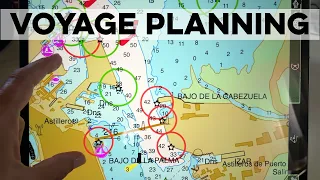
Voyage Planning for an Early Sail – Sailing from Spain to Tunisia, Part 11 | DrakeParagon Sailing
The storm has passed and it's time to push off on our coastal sail towards The Strait of Gibraltar. But first it's time to break out our chart plotting app, our weather app, and a tidal app to make a plan...a voyage plan. *** Help support our channel by making purchases through our Drake...
This Broke…And I’m Okay With That? Sailing from Spain to Tunisia, Part 10 | DrakeParagon Sailing
We end the sail with a rather blustery anchorage. How windy was it? I don't know...but listen to why I don't think that's a bad thing. Creamy Lemon Sardine Spaghetti INGREDIENTS 8oz - 225g spaghetti or linguine 1 small shallot, very finely chopped 2 garlic cloves, finely chopped 1 ...