The EASIEST Paint to apply on a boat | Ch 5 E 106
The EASIEST Paint to Apply on a Boat
Taran, Logan, and Max from Wayward Life Sailing discuss their experience with non-skid paint in this informative video. They share insights into painting techniques and share the best paint option for easy application and durability.Painting Non-Skid on Deck
The team had previously stripped two inches of deck from around their boat, rebuilt it, and touched up the ballworks. This left them with bare steel that needed to be painted white using polyurethane paint. However, this material proved difficult to walk on and posed safety concerns.In this episode, they discuss applying KiwiGrip, a non-skid paint, over the existing coating for better traction and safety while on board. They explain their reasoning behind choosing this particular brand of nonskid paint, stating that they had previously used it on another boat with amazing results. This choice made sense for them as well, offering an easy solution to the issue at hand.
The group plans to cover a specific portion of the lower deck area and incorporate design elements based on their preferences. Taran expresses concerns about maintaining aesthetic appeal while also ensuring functional durability for their watercraft. Their goal is to achieve an even blend between form and function as they move forward with this painting project.
The Application Process
To prepare for the application of KiwiGrip, the team first tapes off designated areas to achieve precise lines and design elements. They experiment with different patterns on one side of their boat while considering whether they should carry out the same process on other sides or modify it to fit their specific needs.In deciding how far back the white color would show from a central dividing line, Taran and his crew debate between options: a uniform straight line across both the vertical and horizontal dimensions or extending up only partway on one side. This question generates lively discussion as they seek input from viewers to make an informed decision.
To streamline efficiency and safety while working with KiwiGrip, they determine that having three people on the job makes it more manageable than attempting it themselves with just two team members. Logan shares his tiling experience and suggests using knee pads for added comfort when navigating the nonskid surface during application.
KiwiGrip Characteristics
The group explains that KiwiGrip is a one-part water-based paint, which means it’s easy to apply without requiring any additional preparations. As demonstrated in the video, squeezing the paint directly onto the deck and rolling it out with their textured roller creates an even layer of nonskid coating.Notably, this process should only be undertaken at temperatures above 10°C (50°F), highlighting another aspect of maintaining safety during boat painting projects. Furthermore, peeling tape as you go allows for more accurate results, especially when dealing with rounded corners or irregular shapes in design.
Taran, Logan, and Max take the time to celebrate their teamwork effort alongside Dennis and Terry, two dedicated friends who offered significant help throughout this project. Their contribution made a huge difference by allowing for better time management, improved workflow, and more effective application of materials.
The Results
Ultimately, the end result is an appealing non-skid deck area with clear design choices and strategic layout that suits their vessel. Their collaboration with Dennis and Terry not only led to a more efficient painting process but also ensured aesthetic harmony in achieving clean lines and precise measurements for each section.With gratitude, Taran expresses his appreciation towards John (a patron) who provided financial support throughout this project. The team acknowledges the importance of continued assistance from viewers like themselves and invites them to follow along on their next journey or challenge while improving boat maintenance skills.
Support Wayward Life Sailing
At WeBoating.com, we profoundly acknowledge the unwavering dedication that Wayward Life Sailing invests in crafting each and every video or voyage. Their passion for delivering exceptional ocean content shines through every frame, and it's a labor of love that deserves your attention.
We invite you to watch their captivating videos here and actively engage with their content, including their social media links above. Liking, commenting, and sharing their work goes a long way in fueling their creative fire.
We're also inviting you to explore the gear, sponsorships, and boat partnerships highlighted in the "The EASIEST Paint to apply on a boat | Ch 5 E 106" video description, or directly on YouTube. By engaging with these offerings or purchasing services and items, you directly support Wayward Life Sailing, their collaborators, and the brands they're associated with.
To ensure you never miss an offshore update, consider visiting their official YouTube Channel to subscribe, like, and join their community directly.
If you have any feedback, corrections, or additional information about Wayward Life Sailing or their videos, please use the comment form below to share your thoughts with us.
Thank you for being a part of our community and supporting the creators we cherish. Your time and support truly matter!
It's finally time to put Kiwigrip on our deck! This non- skid paint is very easy to apply compared to all the systems we have been using, and it works amazing! 10/10 recommend Kiwigrip for a non- skid deck paint!
Patreon: https://www.patreon.com/thewaywardlife
Buy us a coffee: ko-fi.com/waywardlifesailing
Website: http://www.the-wayward-life.com
Instagram: http://www.instagram.com/the.wayward.life
Facebook: http://www.facebook.com/the-wayward-life
Intro drone footage: Matt @ https://www.youtube.com/c/SailingFloatingFreedom
SV Wind Gypsy's Channel: https://www.youtube.com/channel/UC9zgXACCDxEZ1obXBriBjdA
Music in this video:
Epidemic Sound
Wayward Life Sailing
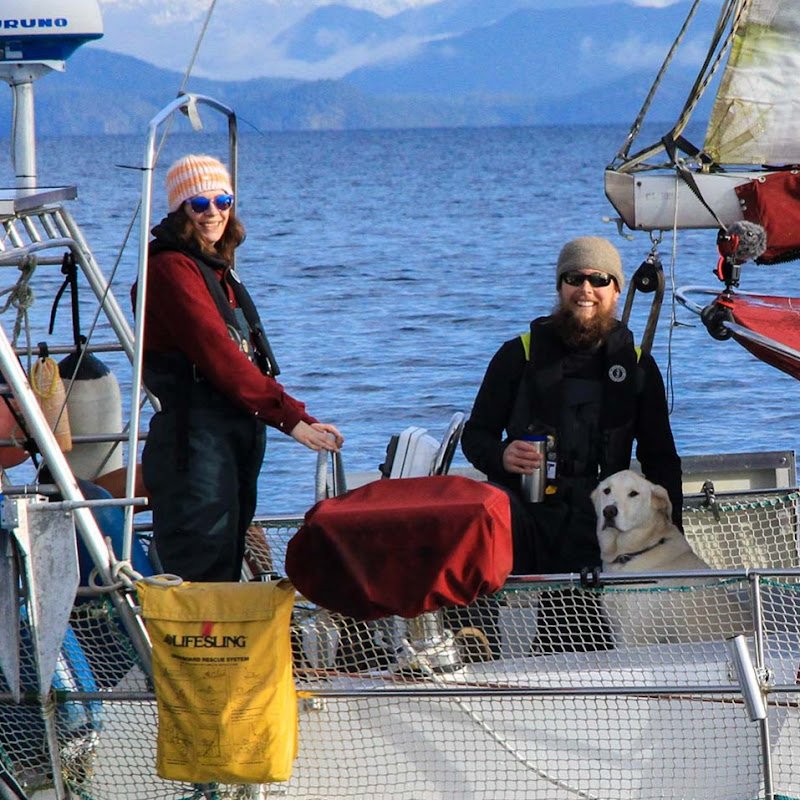
Taryn, Logan & Max We are currently living on Vancouver Island on our 40 ft Van De Stadt Norman 40 Sailboat Papa Rumba, with our puppy dog Max. Our videos show you our sailing adventures both above and below the water and our travel adventures. Emphasis on sustainability, ethical travel, nature and living with the smallest environmental footprint we can without going insane. We share sailing, hiking, road trips, camping, and exploring new places, as well as what it's like to live an alternative lifestyle on the water.
Channel Information:
Social Media Links:
Latest Episodes from Wayward Life Sailing
Explore the most recent voyages. Subscribe to the channel to never miss an update!
Autopilot on a Steel Boat- Another Thing Complicated by Steel | Jefa Drive Autopilot with B&G
After purchasing and setting up our Jefa Drive autopilot along with a B&G system, we are ready for sea trials, but on a steel boat nothing is straight forward. Our sensor isn't made for a steel boat, and we aren't sure if it will work, or if we will be looking at another big bill... ...
We Disappeared- This is Why | The Wayward Life
Patreon: Buy us a coffee: ko-fi.com/waywardlifesailing Instagram: Facebook: Our Dinghy: SV Wind Gypsy's Channel: Music in this video: Epidemic Sound
Fog, and Storms, and Homeward Bound | Ch 6 E 19
After an amazing time relaxing after sailing down Johnstone Strait, it's finally time for us to head back home to Nanaimo. But with both fog and storms in the forecast, this autumn sailing isn't going to be nearly as easy as the summer was. Patreon: Buy us a coffee: ko-fi.com/waywardl...
The BEST DAY of My Life! | Ch 6 E 18
After two amazing months in the Broughton Archipelago, between Vancouver Island and mainland British Columbia, it's time to head home. We had so many incredible experiences in that time, but it was about to get so much better than we could even imagine... Thumbnail image by Mae! Patreon: B...
Life on a Boat with an OLD Dog | Ch 6 E 17
With an aging dog on our boat, sailing has become more difficult, but we have worked to find a couple of solutions to keep both him and us happy on the boat as he becomes less mobile. Both Seadek and a fancy dog harness have made a world of difference when it comes to having Max on the boat :D Ch...