Autopilot on a Steel Boat- Another Thing Complicated by Steel | Jefa Drive Autopilot with B&G
Logan and Taryn steer slow loops across open water off Vancouver Island, tracing an erratic track across the helm plotter as they sea-trial a freshly installed mechanical steering system. Aboard their 40-foot cutter Papa Rumba, the sailors behind Wayward Life Sailing stand at the culmination of seven years on the water and three years rebuilding their steel hull. Having stored the boxed components through four years of reconstruction, the crew faces the ultimate test of whether an electronic heading sensor can deliver stable data inside a magnetic metal hull.
The financial stakes are severe. With $12,000 already invested in the steering drive and electronics package, not including their own metalwork labor, magnetic deviation threatens to disrupt heading data. If the heading sensor cannot compensate for the surrounding steel plate, the couple faces a potential $7,000 bill to replace it with a specialized compass.
Custom Mounts for the Jefa Direct Drive
Installing the autopilot drive beneath the cockpit sole proved to be an engineering challenge inside the narrow stern. Unlike linear actuators or hydraulic rams, the direct-drive motor delivers heavy rotational torque directly to the rudder stock through a reduction gearbox, drag link, and tiller arm. Securing the motor required rigid internal bracing to eliminate structural twist under helm loads.
Because the curved hull plating offered no flat mounting surface, Logan fabricated structural steel brackets notched directly into the hull structure. Connecting two angle-iron ribs together, the welded assembly anchored the gearbox firmly in place. Logan noted the fabrication difficulty: “I have been struggling pretty hard with this autopilot mount cuz it is a very weird shape.”
Dockside Commissioning and Multi-Compass Precautions
Before heading offshore, the crew completed dockside commissioning to calibrate the rudder feedback unit and confirm rudder travel. While the dockside calibration succeeded, navigating a steel vessel demands caution regarding compass reliability. Magnetic fields within the hull distort standard sensors, making unverified heading calculations dangerous.
To cross-check directional readings during trials, Logan gathered multiple independent reference tools at the helm: a dedicated hand-bearing compass, a mobile phone digital compass, the vessel’s primary steering compass, and the B&G Precision-9 heading sensor.
Sea Trial Circles and Autotune Calibration
Under power in calm open water, the vessel began slow calibration turns to swing the compass. The setup protocol required continuous, low-speed circles to allow the sensor to map surrounding magnetic fields. After finishing the first circle and following up with a second, the display confirmed heading sensor calibration. However, engaging the autopilot commissioning menu triggered a second requirement for calibration circles, sending the cutter into additional slow rotations.
Once calibration finished, the system began its autotune program, executing automated zigzags to calculate rudder response and counter-rudder authority. Logan engaged the drive on heading 129 degrees. Testing the control buttons, he verified step turns in 10-degree increments: “When I hit the the double one, it’ll go 10°.” The drag link moved silently, the rudder angle indicator returned cleanly to zero, and the drive smoothly corrected heading overshoot. Relieved by the drive unit’s quiet operation, the crew remarked: “This is the nicest autopilot I’ve ever seen. And it’s ours.”
Handling Course Corrections Under Headsail and Reach
Following the motoring trials, the crew evaluated heading hold under canvas to confirm the drive could balance sail trim loads. Setting only the headsail, they tested tracking at a slow crawl of 2 knots. The mechanical drive held the bow steady without hunting.
Later in the afternoon, the breeze freshened to a little over 10 knots. Under working sail, the cutter heeled 15 degrees while accelerating to 6.2 knots. Through the increased helm pressure generated by the heel and boatspeed, the direct drive kept the vessel locked on course. Concluding the tests, the crew anchored in a quiet cove for the night and took a cold swim in the water.
| Sea trial parameter | Recorded telemetry |
|---|---|
| Autopilot system investment | $12,000 |
| Course step adjustment | 10° |
| Headsail test speed | 2 knots |
| Sailing trial wind speed | 10 knots |
| Vessel heel under sail | 15° |
| Vessel speed under sail | 6.2 knots |
| Undetected hull deviation | 30° |
Magnetic Hull Interference and Sensor Failure
The early success on calm water proved temporary. A few weeks later, while motoring toward a yard haulout to tackle remaining metal refit tasks, the steering system revealed a major flaw caused by hull magnetism. While cruising on course with the system engaged, the vessel swung sharply off heading while the helm instruments failed to detect the swing.
Logan alerted the crew when the physical heading diverged dramatically from the helm display: “We just turned like 30° and our compass heading is still the same.” The Precision-9 heading sensor had locked up due to surrounding steel interference, remaining blind to the swing. Facing the reality of steel vessel electronics, Logan conceded: “So, I think our uh heading sensor is probably not going to cut it for this boat, unfortunately.” The crew must resolve the magnetic interference before taking the cutter into open ocean passages.
Frequently Asked Questions
Logan installed a Jefa direct drive autopilot connected to a B&G electronics package, securing the reduction gearbox to custom notched steel brackets.
The Jefa direct drive produces high rotational force compared to linear actuators or hydraulic rams, requiring custom brackets welded across angle-iron hull ribs to prevent flexing.
The crew paid $12,000 for the Jefa direct drive unit and B&G system, facing a potential $7,000 expense if the compass setup required full replacement.
The surrounding steel plate creates magnetic interference; during later motoring, the vessel turned 30 degrees off course while the heading sensor reading remained unchanged.
The drive maintained heading under headsail alone at 2 knots, and held course in 10 knots of wind with a 15-degree heel at 6.2 knots.
Book a trip where this was filmed — near Vancouver Island
Support Wayward Life Sailing
At WeBoating.com, we profoundly acknowledge the unwavering dedication that Wayward Life Sailing invests in crafting each and every video or voyage. Their passion for delivering exceptional ocean content shines through every frame, and it's a labor of love that deserves your attention.
We invite you to watch their captivating videos here and actively engage with their content, including their social media links above. Liking, commenting, and sharing their work goes a long way in fueling their creative fire.
We're also inviting you to explore the gear, sponsorships, and boat partnerships highlighted in the "Autopilot on a Steel Boat- Another Thing Complicated by Steel | Jefa Drive Autopilot with B&G" video description, or directly on YouTube. By engaging with these offerings or purchasing services and items, you directly support Wayward Life Sailing, their collaborators, and the brands they're associated with.
To ensure you never miss an offshore update, consider visiting their official YouTube Channel to subscribe, like, and join their community directly.
If you have any feedback, corrections, or additional information about Wayward Life Sailing or their videos, please use the comment form below to share your thoughts with us.
Thank you for being a part of our community and supporting the creators we cherish. Your time and support truly matter!
After purchasing and setting up our Jefa Drive autopilot along with a B&G system, we are ready for sea trials, but on a steel boat nothing is straight forward. Our sensor isn't made for a steel boat, and we aren't sure if it will work, or if we will be looking at another big bill...
Patreon: https://www.patreon.com/thewaywardlife
Buy us a coffee: ko-fi.com/waywardlifesailing
Instagram: http://www.instagram.com/the.wayward.life
Facebook: http://www.facebook.com/the-wayward-life
Our Dinghy: https://swellfish.co/?ref=TheWaywardLife
SV Wind Gypsy's Channel: https://www.youtube.com/channel/UC9zgXACCDxEZ1obXBriBjdA
Music in this video:
Epidemic Sound
Wayward Life Sailing
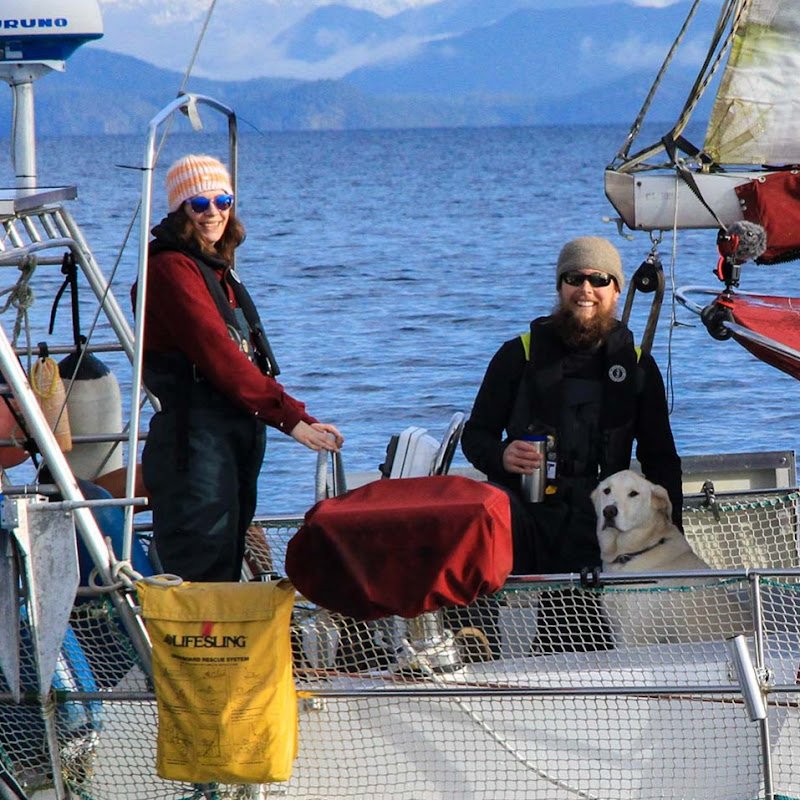
Taryn, Logan & Max We are currently living on Vancouver Island on our 40 ft Van De Stadt Norman 40 Sailboat Papa Rumba, with our puppy dog Max. Our videos show you our sailing adventures both above and below the water and our travel adventures. Emphasis on sustainability, ethical travel, nature and living with the smallest environmental footprint we can without going insane. We share sailing, hiking, road trips, camping, and exploring new places, as well as what it's like to live an alternative lifestyle on the water.
Channel Information:
Social Media Links:
Autopilot on a Steel Boat- Another Thing Complicated by Steel | Jefa Drive Autopilot with B&G Location
- Vancouver Island, British Columbia, Canada (49.25,-124)
- Salish Sea, British Columbia, Canada (49.3,-123.8)
Latest Episodes from Wayward Life Sailing
Explore the most recent voyages. Subscribe to the channel to never miss an update!
Autopilot on a Steel Boat- Another Thing Complicated by Steel | Jefa Drive Autopilot with B&G
Logan and Taryn conduct sea trials aboard their 40-foot steel cutter Papa Rumba, testing a newly installed Jefa direct drive autopilot and B&G compass against severe hull magnetic interference.
We Disappeared- This is Why | The Wayward Life
Patreon: Buy us a coffee: ko-fi.com/waywardlifesailing Instagram: Facebook: Our Dinghy: SV Wind Gypsy's Channel: Music in this video: Epidemic Sound
Fog, and Storms, and Homeward Bound | Ch 6 E 19
After an amazing time relaxing after sailing down Johnstone Strait, it's finally time for us to head back home to Nanaimo. But with both fog and storms in the forecast, this autumn sailing isn't going to be nearly as easy as the summer was. Patreon: Buy us a coffee: ko-fi.com/waywardl...
The BEST DAY of My Life! | Ch 6 E 18
After two amazing months in the Broughton Archipelago, between Vancouver Island and mainland British Columbia, it's time to head home. We had so many incredible experiences in that time, but it was about to get so much better than we could even imagine... Thumbnail image by Mae! Patreon: B...
Life on a Boat with an OLD Dog | Ch 6 E 17
With an aging dog on our boat, sailing has become more difficult, but we have worked to find a couple of solutions to keep both him and us happy on the boat as he becomes less mobile. Both Seadek and a fancy dog harness have made a world of difference when it comes to having Max on the boat :D Ch...