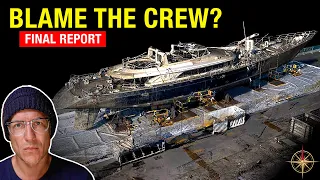
LAST WORDS: “This Is Getting Worse…” | The Cheeki Rafiki Disaster
In May 2014, 22-year-old skipper Andrew Bridge and his three crew members departed English Harbour, Antigua, aboard the Beneteau First 40.7 Cheeki Rafiki for a 3,500-nautical-mile delivery passage home to Southampton after winning their class at Antigua Sailing Week. As analyzed by James Evenson of Sailing Zingaro—who experienced severe internal hull grid detachment and keel bolt leaks while delivering a sister ship, the Beneteau 47.7—the transatlantic passage developed into one of the defining structural disasters in modern offshore seamanship.
The yacht, managed by Stormforce Coaching and built in France in 2006 to a Bruce Farr design, carried 22-year-old intern James Male, 52-year-old Steve Warren, and 56-year-old Paul Goslin alongside Bridge, who held a Yachtmaster Ocean certificate with 22,500 miles logged. A prospective fifth crew member, James Murphy, chose not to board in Antigua after noting a leaking forward hatch, a loose stanchion, and sun-damaged jackstays. That decision proved fateful as the vessel steered directly into the path of North Atlantic gales.
Routing North Into the Westerlies
On May 6, Stormforce Coaching sent route instructions to the yacht directing the crew to go north around the Azores High to connect with prevailing westerly winds. While this standard routing enabled yachts to avoid light air in the high-pressure system, it placed the 40-foot racing hull on a collision course with eastbound low-pressure storms. A routing meteorologist later testified that two converging low-pressure systems sat directly on their projected course.
By May 14, Bridge logged a 24-hour run of 176 miles. His log report noted, “Just hit a big wave hard, and it fixed the stereo.” The same day, a crew member observed water accumulating over the cabin sole, asking, “Why is my rum floating?” The crew treated the discovery initially as minor bilge accumulation common to fiberglass racing yachts. In reality, water was penetrating the interior from structural hull separations that had developed over seven years of unrecorded groundings.
Grounding History and Structural Matrix Damage
The Beneteau First 40.7 was constructed with an outer hull shell bonded to an internal fiberglass grid stiffener using structural methacrylate adhesive. In August 2007, during Cowes Week, the vessel suffered a grounding that separated six bays of the inner grid from the hull. The repair invoice stated workers would “Cut flanges off six bays, grind back hull, laminate and sides of structural floors. Bond structural floor to hull with GRP.” The keel bolts were retorqued over backing plates, but the three-ton lead keel was never dropped or detached for inspection.
Additional groundings accumulated without comprehensive structural surveys. Diver Sam Connolly photographed a crack at the keel-hull joint later in 2007 and gouges the following year. In June 2010, the yacht struck St Catherine’s Point hard in a wave trough during the Round the Island Race. A commercial survey in March 2011 reattached detached forward grid sections, but subsequent groundings on Ryde Sands, in the approach to Shamrock Quay, and in the mud of the Lymington River received no formal inspection. In March 2014, a required coding survey was bypassed in the Caribbean due to inspection costs.
| Timeline / Event | Documented Details and Specifications |
|---|---|
| May 6, 2014 Routing | Routing directive sent to head north of the Azores High toward the westerlies |
| May 14, 2014 Passage Run | 176 nautical miles logged in 24 hours prior to initial bilge flooding reports |
| May 15, 2014 Storm State | 40-knot winds gusting to 50 knots with 5-meter (16-foot) seas at 38°38′ N, 048°59′ W |
| Keel Attachment Engineering | Nine 24 mm bolts; forward bolt specified by designer Bruce Farr omitted by manufacturer |
| Search Operations | 53 hours and 4,000 square miles initial search; 17,000 square miles covered in second search |
Storm Conditions and the Final Transmission
On May 15, a cold front overtook Cheeki Rafiki roughly 700 miles east of Nova Scotia and 900 miles west of Horta in the Azores. Winds reached 40 knots gusting to 50 knots, driving 5-meter (16-foot) seas. At 20:22 UTC, Bridge emailed Stormforce director Doug Innes reporting escalating water ingress at 38°38′ N, 048°59′ W, suspecting a split starboard freshwater tank. Subsequent satellite calls confirmed the water was salty while the engine compartment and shaft log remained dry, proving seawater was rising directly through failing keel bolt bedding under the flexing internal grid.
At 03:30 UTC on May 16, Bridge placed a final satellite phone call lasting one minute and 42 seconds. Innes could hear only four words through the receiver: “This is getting worse.” Minutes later, the structural bond failed completely, the three-ton keel tore free, and the yacht inverted in seconds. Andrew Bridge’s personal locator beacon began transmitting at 04:05 UTC for two and a half hours. James Male’s beacon activated at 06:29 UTC 15 miles away, transmitting for roughly 20 hours as he drifted 30 miles southwest. The other two crew beacons and the bracketed manual EPIRB never transmitted.
Search Efforts and the Unreleased Liferaft
The US Coast Guard suspended an initial 53-hour search after covering 4,000 square miles, concluding survival in foul-weather gear was limited to 15 hours. A public petition launched by sailor Nicola Evans gathered over 200,000 signatures, prompting British and American authorities to resume operations across 17,000 square miles. Steve Warren’s sister emphasized the necessity of the effort, stating, “They are four strong-minded, physically strong sailors. If no one is looking for them, they won’t be found.”
A helicopter from the guided-missile destroyer USS Oscar Austin relocated the inverted hull. A US Navy rescue swimmer swam to the transom and captured underwater photographs showing the liferaft still securely locked inside its transom cradle. Graham Male, father of James Male, recounted viewing the image: “It was surreal just seeing that liferaft. I remember saying, ‘I’ve seen enough.'” The instant knockdown caused by catastrophic keel separation inverted the hull before the crew could manually unstrap or launch the canister.
Investigation Findings and the Stormforce Trial
The Marine Accident Investigation Branch (MAIB) investigation revealed significant structural vulnerabilities in the Beneteau First 40.7 class. Bruce Farr’s original design called for forward and aft stabilizing bolts, yet Beneteau omitted the forward bolt due to tight hull laminate clearances. An independent engineering analysis by the Wolfson Unit established that the washer plates fitted beneath the 24 mm bolts were three millimeters too thin and too narrow under ISO standards. Investigators also inspected five other 40.7 hulls and discovered matrix grid detachment on every single boat. Reviewing the documented repair history, Farr Yacht Design stated it was “Almost incomprehensible that a repair could be made in a critical area like that without guidance.”
In July 2017, a jury convicted Doug Innes and Stormforce Coaching of failing to operate the yacht in a safe manner. At an April 2018 retrial, Innes was acquitted of manslaughter and received a 15-month suspended sentence, while Stormforce was fined £50,000. During the proceedings, a marine surveyor described routine vessel inspections: “We are like GPs. We take a broad view. We don’t pick up tools.” The disaster led to revised UK grounding guidance in 2019 and a mandatory post-grounding inspection regulation introduced in 2022.
Frequently Asked Questions
Repeated groundings between 2007 and 2013 caused the bonded internal fiberglass grid to detach from the hull shell. During heavy seas and 50-knot gusts, extreme leverage caused the remaining structural bond to fail, snapping keel bolts and pulling washer plates through the hull.
Catastrophic keel loss causes immediate and violent capsize. The liferaft was strapped into its exterior transom cradle, meaning it was submerged instantly when the vessel rolled over, giving the crew no opportunity to manually release the straps and deploy the canister.
The investigation established that Beneteau omitted a forward keel bolt called for in Bruce Farr’s design and fitted backing washer plates that were three millimeters too thin and narrow under ISO standards, leaving the vessel vulnerable to catastrophic failure if an aft bolt degraded.
In July 2017, Stormforce Coaching and director Doug Innes were convicted of failing to operate the vessel in a safe manner. Innes was acquitted of manslaughter at retrial in April 2018, receiving a 15-month suspended prison sentence while the company received a £50,000 fine.
Book a trip where this was filmed — near Antigua
Support Sailing Zingaro
At WeBoating.com, we profoundly acknowledge the unwavering dedication that Sailing Zingaro invests in crafting each and every video or voyage. Their passion for delivering exceptional ocean content shines through every frame, and it's a labor of love that deserves your attention.
We invite you to watch their captivating videos here and actively engage with their content, including their social media links above. Liking, commenting, and sharing their work goes a long way in fueling their creative fire.
We're also inviting you to explore the gear, sponsorships, and boat partnerships highlighted in the "LAST WORDS: “This Is Getting Worse…” | The Cheeki Rafiki Disaster" video description, or directly on YouTube. By engaging with these offerings or purchasing services and items, you directly support Sailing Zingaro, their collaborators, and the brands they're associated with.
To ensure you never miss an offshore update, consider visiting their official YouTube Channel to subscribe, like, and join their community directly.
If you have any feedback, corrections, or additional information about Sailing Zingaro or their videos, please use the comment form below to share your thoughts with us.
Thank you for being a part of our community and supporting the creators we cherish. Your time and support truly matter!
In May 2014, four British sailors were bringing the Beneteau First 40.7 Cheeky Rafiki home from Antigua Sailing Week. Halfway across the North Atlantic, she started taking on water. Then her keel came off, she rolled over, and all four men were gone. The search was called off within days. Their families fought to get it started again, and when a US Navy ship finally found her floating upside down, the life raft was still on board.
The investigation traced the failure back years before that crossing: groundings, repairs, and a keel bolt that wasn't there. I delivered her bigger sister, a Beneteau 47.7, from the Exumas to Cartagena, and on that trip I found out what that kind of hidden damage looks like. This is the full story, from the first leak to the trial.
In memory of Andrew Bridge, James Male, Steve Warren and Paul Goslin.
━━━━━━━━━━━━━━━━━━━━━━
⏱ CHAPTERS
━━━━━━━━━━━━━━━━━━━━━━
0:00 — Cheeki Rafiki: The Last Phone Call
1:36 — Antigua to Southampton: The Route Home
2:20 — Beneteau First 40.7 vs 47.7: Sister Ships
2:34 — How the Keel Is Attached: The Glued-In Grid
3:48 — The Crew of Cheeki Rafiki
5:25 — Crossing the North Atlantic: Azores High and the Westerlies
6:53 — Water in the Bilge: The First Red Flag
7:51 — Keel Grounding Damage and Grid Repairs (2007–2014)
12:56 — The Safety Inspection That Never Happened
13:59 — Beneteau 40.7 Keel Failures: Barracuda and Five More Boats
15:39 — May 15: Taking On Water Offshore
16:42 — Leak or Water Tank? How to Find the Source
17:55 — The Emails and Calls to Stormforce
19:25 — My Own Keel Leak on the 47.7
20:47 — When Should You Call a Mayday?
22:52 — The Last Call: "This Is Getting Worse"
23:11 — What the PLB and EPIRB Signals Tell Us
24:07 — The Search and the Families' Petition
26:25 — The US Navy Finds the Hull: Liferaft Still On Board
28:04 — The MAIB Investigation
28:29 — How Production Sailboats Are Built
30:09 — Grid Separation and Keel Bolt Leaks on the 47.7
31:30 — How a Grid Repair Should Be Done
33:02 — The Missing Keel Bolt
34:27 — Is Beneteau Responsible?
35:48 — The Stormforce Trial and Verdict
36:45 — What a Marine Survey Won't Find
37:48 — How to Check Your Keel and Grid
38:26 — EPIRB With a Hydrostatic Release
39:07 — Remembering the Crew
━━━━━━━━━━━━━━━━━━━━━━
☕ SUPPORT THE CHANNEL
━━━━━━━━━━━━━━━━━━━━━━
Help us keep uncovering and telling these stories:
⚔️ Join the Inner Circle on Patreon: https://www.patreon.com/c/bethecaptain
🍺 Buy the crew a beer / one-time tip: https://www.paypal.com/paypalme/svzingaro
━━━━━━━━━━━━━━━━━━━━━━
⚓ RECOMMENDED GEAR & PARTNERS
━━━━━━━━━━━━━━━━━━━━━━
- Defender Marine — Outfitting boaters since 1938 with trusted marine gear, expert advice, and refit supplies:
👉 Shop Defender Marine: https://defender.com/en_us/
- PredictWind — The world leader in offshore marine weather forecasting, routing, and departure planning:
👉 Check out PredictWind: https://www.predictwind.com/
━━━━━━━━━━━━━━━━━━━━━━
📖 THE TRUE STORY — FURTHER READING
━━━━━━━━━━━━━━━━━━━━━━
MAIB Report 8/2015: Loss of the yacht Cheeki Rafiki (Marine Accident Investigation Branch)
Be The Captain by James Allan Evenson — Winner of the 2026 Eric Hoffer Award. A definitive field manual on offshore seamanship, survival, and command.
🔔 Subscribe and turn on notifications so you don't miss the next one.
📷 Archival photographs courtesy of the US Navy, press and public archives. If you hold the rights to any image used here and would like credit or removal, please contact [email protected]
✂️ Edited by Alex Sennett
━━━━━━━━━━━━━━━━━━━━━━
TAGS
━━━━━━━━━━━━━━━━━━━━━━
#CheekiRafiki #KeelFailure #Beneteau #SailingDisaster #MAIB #OffshoreSailing #LifeRaft #EPIRB #Shipwreck #TrueStory #MaritimeHistory #BeTheCaptain
Sailing Zingaro
Join James Evenson of Sailing Zingaro as he documents his 2026 technical refit of his Crowther Spindrift 38 in Colombia and his 'Sailing Truth' mission.
Channel Information:
Social Media Links:
LAST WORDS: “This Is Getting Worse…” | The Cheeki Rafiki Disaster Location
- Cheeki Rafiki Inversion Site (38°38′ N, 048°59′ W) (38.6333,-48.9833)
- English Harbour, Antigua (17.008,-61.765)
- Shamrock Quay, Southampton, UK (50.9105,-1.385)
Latest Episodes from Sailing Zingaro
Explore the most recent voyages. Subscribe to the channel to never miss an update!
Think About Resale Before Buying a Sailboat
When buying a sailboat, it's important to consider its resale value alongside your sailing goals and intended use. Looking at which boats have historically held their value can help you make a more informed purchasing decision. With around 24 years of experience surveying boats and a background...
What Happens When a Sailboat Gets Knocked Down?
A sailboat knockdown can look terrifying, but it doesn't always mean the boat is going to capsize. Powerful wind and waves can push a sailboat dramatically onto its side, sometimes beyond 90 degrees, before its stability helps it return upright. Understanding how sailboats respond to extreme co...
Your Chart Plotter Can’t Tell You Everything
Chart plotters are valuable navigation tools, but relying on them too heavily can lead to dangerous habits. Electronic navigation should support good seamanship, not replace it. Staying aware of your surroundings, watching the water, and using sound judgment are essential parts of navigating safely....
4 Hours of True Sea Stories for Sleep | No Ad Breaks
James Evenson shares a series of gripping maritime accounts, including John Glennie's struggle in the Southern Ocean aboard the trimaran Rose-Noëlle during a massive gale.
Don’t Underestimate Your Mooring Hardware
When big waves and severe weather hit, your boat's mooring hardware can be put under tremendous strain. Strong cleats, secure fittings, and reliable mooring lines are essential to keeping a boat safe when conditions turn rough. With around 24 years of experience surveying boats and a background...