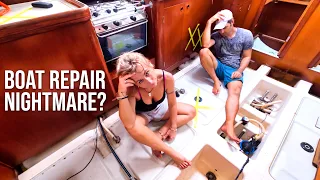
What does a STRANDED Sailor Girl Do All Day? 😳 Boat Life in Central America S2.E207
Deep within the jungle-lined waterways of the Rio Dulce in Guatemala, the crew of Sailing SV CUBA is engaged in an urgent structural recovery mission aboard their damaged vessel. After suffering a catastrophic lightning strike that blasted through-hull exit holes in the forward laminate and decimated the boat’s entire electrical and navigational infrastructure, the crew found refuge in Central America’s most famous hurricane hole to begin a meticulous rebuild.
While Rio Dulce offers exceptional natural protection from Caribbean tropical cyclones, executing complex composite structural repairs in a humid tropical river basin introduces relentless logistical hurdles. Between nightly torrential downpours washing gear downriver toward Belize and chaotic local fiesta closures, securing specialized marine repair supplies demands extreme patience and cultural adaptability.
Quarantining the Forward Cabin for Fiberglass Grinding
Before structural laminate restoration could commence, the crew took painstaking measures to prepare the forward cabin. Grinding away burnt, delaminated polyester and glass fibers produces microscopic glass dust that easily permeates soft furnishings, electronics, and living quarters if not strictly contained.
By erecting sealed heavy plastic sheeting barriers and establishing a negative-pressure dust extraction corridor, the work zone was isolated from the rest of the vessel. This critical staging allows the crew to grind back the outer margins of the two primary lightning impact holes to a 12:1 scarf bevel without contaminating the saloon and sleeping berths.
Navigating the Supply Chains of Rio Dulce
With the cabin prepped, the focus shifted to sourcing composite materials in the chaotic town of Fronteras (Rio Dulce). What would be a straightforward trip to a coastal marine chandlery in North America or Europe became an all-day expedition through congested markets, bridge traffic, and festival roadblocks:
- Personal Protective Equipment (PPE): Scouring local hardware stalls for heavy-duty chemical-resistant gloves, organic vapor respirators, and eye protection essential for handling styrene-heavy resin and grinding discs.
- Solvents & Epoxy Resins: Securing pure acetone for chemical degreasing alongside high-grade structural laminating resin and biaxial fiberglass cloth from the primary regional marine distributor.
- The Central American Pace: Adapting to localized delays where fiesta celebrations closed main thoroughfares for hours, requiring long foot transits back to the boatyard gates.
Structural Recovery and Long-Term Voyaging Goals
Surviving a direct lightning strike is one of the most psychologically and financially daunting trials a cruising crew can experience. The sudden destruction of communication, propulsion controls, and hull integrity tests a voyager’s commitment to the cruising lifestyle.
Yet, by breaking the overwhelming restoration into methodical, bite-sized tasks—first containment, then supply acquisition, followed by structural glass layups—the SV Cuba team demonstrates the perseverance that defines true ocean voyagers. With materials safely staged aboard, grinding and epoxy scarfed layups will permanently seal the hull, setting the stage for electrical rewiring and an eventual return to the western Caribbean.
Lightning Repair Specifications and Logistics
The operational milestones and logistical framework of the Rio Dulce repair effort are outlined below:
| Refit Phase | Specific Action / Milestone | Operational Rationale |
|---|---|---|
| Vessel & Incident | SV Cuba (Lightning Strike Casualty) | Direct lightning blast ruptured hull laminate and fried DC electronics |
| Repair Location | Rio Dulce (Fronteras), Guatemala | Freshwater jungle hurricane refuge offering boatyard facilities |
| Dust Containment | Polyethylene barrier bulkheads in forward cabin | Isolates hazardous fiberglass grinding dust from interior living spaces |
| Hull Damage Zone | Two through-hull exit impact blowouts | Requires 12:1 bevel grinding, epoxy layups, and fairing |
| Sourced Supplies | Epoxy resin, biaxial cloth, acetone, PPE | Acquired through regional marine distributors in Fronteras |
| Next Milestone | Structural layup and outer fairing | Restoring structural water-tightness before rewiring navigation systems |
Frequently Asked Questions
SV Cuba was struck by lightning, which blew exit holes through the fiberglass hull and completely destroyed the vessel’s electrical and navigation systems.
The boat is in Rio Dulce (Fronteras), Guatemala, a protected inland river system famous as a hurricane refuge for Caribbean cruisers.
Sealing the cabin prevents toxic and itchy fiberglass dust from spreading throughout the living quarters during heavy hull grinding.
The crew sourced structural epoxy resin, biaxial fiberglass cloth, pure acetone for surface prep, and protective organic vapor respirators and gloves.
Support Sailing SV CUBA
At WeBoating.com, we profoundly acknowledge the unwavering dedication that Sailing SV CUBA invests in crafting each and every video or voyage. Their passion for delivering exceptional ocean content shines through every frame, and it's a labor of love that deserves your attention.
We invite you to watch their captivating videos here and actively engage with their content, including their social media links above. Liking, commenting, and sharing their work goes a long way in fueling their creative fire.
We're also inviting you to explore the gear, sponsorships, and boat partnerships highlighted in the "What does a STRANDED Sailor Girl Do All Day? 😳 Boat Life in Central America S2.E207" video description, or directly on YouTube. By engaging with these offerings or purchasing services and items, you directly support Sailing SV CUBA, their collaborators, and the brands they're associated with.
To ensure you never miss an offshore update, consider visiting their official YouTube Channel to subscribe, like, and join their community directly.
If you have any feedback, corrections, or additional information about Sailing SV CUBA or their videos, please use the comment form below to share your thoughts with us.
Thank you for being a part of our community and supporting the creators we cherish. Your time and support truly matter!
What does a stranded sailor girl do all day in Central America? - Our sailboat has been wrecked by lightning - today I am hunting down boat supplies in one of the most CHAOTIC places in Central America! ⚡️ The rebuild continues, one day at a time. ⛵❤️
Wish to support our journey so we can keep sharing the adventure?
Patreon: https://www.patreon.com/svcuba
Buy Salsa a Coffee☕🧡: https://ko-fi.com/salsa_cuba
PayPal: https://www.paypal.com/donate/?hosted_button_id=3GXD7XZH7DXX6

Sailing SV CUBA
Join Enrique and Sarah of Sailing SV CUBA as they document their high-authority transition from office jobs to a Western Caribbean odyssey aboard their Beneteau 461.
Channel Information:
Social Media Links:
What does a STRANDED Sailor Girl Do All Day? 😳 Boat Life in Central America S2.E207 Location
- SV Cuba Repair Base, Rio Dulce, Guatemala (15.6567,-88.995)
Latest Episodes from Sailing SV CUBA
Explore the most recent voyages. Subscribe to the channel to never miss an update!
THE AFTERMATH OF A LIGHTNING STRIKE… Break to Fix | S2.E209
Our sailboat was badly damaged by a lightning strike, and now the real work begins. But before we can fix her, we have to keep grinding and cutting 😵💫 - this feels so WRONG. Follow along as we take on the challenges of repairing a lightning-damaged sailboat and bringing SV CUBA back into the wild....
WE CUT INTO OUR HULL… DID LIGHTNING BURN EVERYTHING FROM THE INSIDE?! 😱⚡S2.E208
After our devastating lightning strike ⚡, we’re cutting into SV CUBA’s hull to uncover the hidden damage. Has the lightning burned everything from the inside? 😱 The rebuild continues as we investigate just how bad things really are. Can we bring our 46ft sailboat back to life? Join us for another r...
What does a STRANDED Sailor Girl Do All Day? 😳 Boat Life in Central America S2.E207
Stranded in Rio Dulce, Guatemala after a catastrophic lightning strike on SV Cuba, the crew seals the cabin and hunts for fiberglass supplies to patch hull impact holes.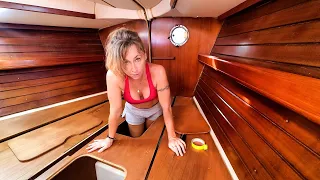
WE’RE TEARING HER APART 😳 The Rebuild Begins | S2.E206 | Sailing SV CUBA
After a devastating lightning strike, the rebuild of our sailboat finally begins… ⚡️😳 We’re tearing her apart, stripping her down, uncovering hidden damage, and taking the first steps toward bringing her back to life.⚡️ Boat life rebuild One step at a time. *Want to support us?" Patreon: Buy ...
WE HAVE TO GO IN 😳 Inspecting Our Lightning-Damaged Sailboat ⚡S2.E205
We have to go in… 😳 After a devastating lightning strike, we continue inspecting the damage inside our sailboat. What we find could change everything. *Want to support us?" Patreon: Buy Salsa a Coffee☕🧡: PayPal: