Cheap Diesel Heater: A Boater’s Honest Review
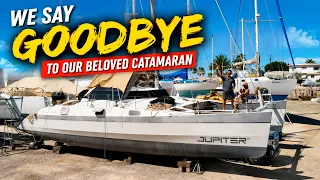
Hauled out in a dusty working boatyard in Mexico, Jamie returned aboard Jupiter facing clear winter days that gave way to freezing temperatures once the sun went down. With multiple maintenance tasks on the schedule for the catamaran, staying warm after dark had become a primary challenge. As documented on Sailing Life on Jupiter, their standard electric ceramic heater required shore power to operate and could not run off boat batteries without draining the electrical bank, forcing a search for independent off-grid warmth.
To solve the heating dilemma without spending four figures on dedicated marine equipment, Jamie unboxed an all-in-one portable diesel car parking heater supplied by Banggood. The self-contained unit was designed primarily for vehicle camping and vans, but its compact chassis offered an intriguing experiment for living aboard a boat on the hard. Jamie took on the assembly and testing process on deck, setting the tone for the haulout: > “we are not sailing we are fixing”
Component Inspection and Internal Architecture
Unclipping the protective exterior housing revealed an all-in-one configuration. Inside sat a top-mounted diesel fuel tank holding 5 liters (approximately 1.3 US gallons), a central combustion burner, a circulation fan, and an integrated circuit motherboard. The control board was designed to operate on either 12 or 24 volts DC, featuring built-in reverse polarity protection, short circuit protection, and an automatic overheat shutoff sensor.
However, the internal packaging presented an immediate practical concern. Having the plastic fuel tank positioned directly above the combustion chamber introduced a theoretical hazard: if an internal leak developed, gravity would direct raw diesel downward onto hot metal surfaces. Jamie weighed this against his past experience flying paramotors with fuel tanks mounted over engines, noting that while diesel is far less volatile than gasoline, clean plumbing remained essential.
Assembly Hurdles and Exhaust Clearance
Constructing the external ducting and exhaust system exposed several design flaws. The user manual provided instructions in 6 languages with English first, but the physical hardware diverged from the diagrams. Rigid metal exhaust tubing proved difficult to route, requiring a dedicated metal elbow piece that was included in the shipping box despite being absent from the parts list.
Securing that lower exhaust elbow highlighted another mechanical flaw. Jamie found that the supplied hose clamps struggled to bite into the stiff metal pipe. While attempting to shape the hot exhaust run upward and away from the boat deck, the lower elbow detached completely: > “that bottom exhaust elbow isn’t very secure just with a hose clamp”
The hardware challenges continued across several components: – The combustion air intake pipe was positioned tight against the fuel delivery line, creating a risk that the intake hose clamp could rub against or puncture the fuel hose. – The package was short one hose clamp, requiring Jamie to scavenge a used non-stainless hose clamp from his onboard tool stash. – Hot exhaust gases exit the pipe at temperatures reaching up to 400°C, creating a severe burn and fire hazard for boat flooring, deck paint, or nearby crew and pets.
Because of the rigid exhaust routing and hot operational temperatures, Jamie observed that the unit was far less modular than marketed: > “frankly is a little deceiving to call it a portable unit”
Electrical Wiring and Fueling Quirks
Examining the factory wiring harness revealed further cost-cutting measures. The DC power cord measured roughly 4 to 5 feet in length, wrapped loosely in basic fabric tape. If deployed beside a vehicle, the lead would barely reach from a car battery down to the ground, keeping the heater inconveniently parked under the front bumper. For boat use, extending the two-core copper cable was straightforward, but the absence of an inline fuse raised genuine safety red flags.
Because the glow plug and priming cycle draw 15 amps during the startup sequence, running an unfused positive wire directly to the battery posts represented an unacceptable fire risk. Jamie disconnected his engine battery cables and bolted the 12-volt leads firmly to ensure clean electrical contact, while advising that any permanent installation should include a dedicated inline fuse holder.
Fueling the unit revealed another awkward ergonomic quirk. While the fuel neck featured a fine internal debris screen, the filler neck was extremely shallow. Pouring fuel from a standard jerry can risked rapid overflow, forcing Jamie to meter in just a few cups of clean diesel to initiate testing.
Operation, Current Draw, and Heat Performance
Control over the heater is handled through an onboard LCD panel, a wireless remote fob, or a mobile Bluetooth connection using the Hcalory smartphone app. Jamie paired the unit via Bluetooth and activated the device from standby mode. The system required a few minutes to initiate the startup cycle: the internal fan started first to purge the combustion chamber, followed by rapid mechanical pulsing from the fuel metering pump as ignition took place.
Electrical draw tracked the ignition process precisely. Jamie measured the electrical profile during operation: > “it draws 15 amps during start up only and then once it’s running it’s back to less than an amp”
Once the burner reached operating temperature, the internal thermostat throttled the unit back automatically. Fan speed decreased, the rapid fuel pump clatter slowed to a calm pulse, and the operational sound dropped to a gentle background hum. Hot air discharged steadily into the boat, producing a faint warm furnace aroma with zero exhaust gas leaks entering the cabin. A full 5-liter tank delivers up to 10 hours of continuous heating, consuming roughly $4 to $5 worth of diesel per night.
Technical Specifications and Field Measurements
Evaluating the budget heater against traditional marine equipment reveals significant trade-offs in materials alongside functional heating performance.
| Parameter | Manufacturer Specification | Field Observation |
|---|---|---|
| Hardware unit cost | $139 retail | Compared to $1000 marine base price |
| Fuel tank capacity | 5 liters (1.3 US gallons) | Lasts up to 10 hours per tank |
| Operating voltage | 12 or 24 volts DC | Tested on 12-volt catamaran battery bank |
| Startup current draw | 15 amps peak | Lasts roughly 2 minutes during glow plug cycle |
| Running current draw | Under 1 amp nominal | Sustained DC load after ignition |
| Peak exhaust output | Up to 400°C gas temp | Requires rigid isolation from boat deck paint |
| Documentation languages | 6 languages included | Manual omitted included exhaust elbow fitting |
Long-Term Verdict for Boat Heating
Dedicated marine diesel heating installations typically begin around $1000 for the bare furnace unit before adding specialized marine through-hull exhausts, marine wiring, and professional labor. At an entry price of $139, the budget heater proved functional, delivering abundant warmth to the catamaran’s cabin during freezing boatyard nights.
However, boaters must recognize that the unit is not waterproof, featuring open case vents that prevent it from being left out in driving rain without external sheltering. For liveaboards facing chilly nights in boatyards or well-ventilated dry berths, installing an inline fuse and securing the rigid exhaust makes the budget diesel heater a viable, low-cost heating solution.
Frequently Asked Questions
The heater draws 15 amps during the two-minute ignition cycle to power the glow plug and fan, before dropping to less than 1 amp once combustion is established.
The internal fuel tank holds 5 liters (about 1.3 US gallons), which provides up to 10 hours of continuous warmth on a single fill.
The exhaust pipe reaches temperatures of up to 400°C, requiring careful clearance away from boat paint, fiberglass, and flammable deck materials.
Jamie recommended installing an external inline fuse holder on the positive 12-volt lead, as the factory wiring does not include an inline fuse to protect against 15-amp loads.
Book a trip where this was filmed — near San Diego






Support Sailing Life on Jupiter
At WeBoating.com, we profoundly acknowledge the unwavering dedication that Sailing Life on Jupiter invests in crafting each and every video or voyage. Their passion for delivering exceptional ocean content shines through every frame, and it's a labor of love that deserves your attention.
We invite you to watch their captivating videos here and actively engage with their content, including their social media links above. Liking, commenting, and sharing their work goes a long way in fueling their creative fire.
We're also inviting you to explore the gear, sponsorships, and boat partnerships highlighted in the "Cheap Diesel Heater: A Boater’s Honest Review" video description, or directly on YouTube. By engaging with these offerings or purchasing services and items, you directly support Sailing Life on Jupiter, their collaborators, and the brands they're associated with.
To ensure you never miss an offshore update, consider visiting their official YouTube Channel to subscribe, like, and join their community directly.
If you have any feedback, corrections, or additional information about Sailing Life on Jupiter or their videos, please use the comment form below to share your thoughts with us.
Thank you for being a part of our community and supporting the creators we cherish. Your time and support truly matter!
Hcalory Portable Diesel Heater : https://amzn.to/3YqiAo5
15%off Discount code: 150SAILING
If you get value from our videos whether entertainment. education or inspiration show your appreciation by supporting our channel.
▶️Visit Our Website: https://www.sailinglifeonjupiter.com
▶️ SUPPORT US HERE 👇:
JOIN our “PRIME” crew on PATREON for early video releases, NO ADDS, weekly video REALTIME updates, private facebook group, video calls , “FREE CONSULTING” and even come sailing with us!!!
▶️Support us on Patreon: https://www.patreon.com/LifeonJupiter
▶️Support us on Paypal: https://www.paypal.me/SJRohan
▶️Just buy us a coffee: https://www.buymeacoffee.com/lifeonjupiter
▶️Amazon storefront: https://amzn.to/3xv7STq
As an Amazon Associate I earn from qualifying purchases.
-------
▶️Please Subscribe: https://www.youtube.com/@SailingLifeonJupiter
-------
▶️Save money. Thank you to our current partners and affiliates!
• Calpha Solar panels: https://bit.ly/47CVJIt
• BLUETTI SwapSolar Ecosystem (AC180T & MultiCooler): https://bit.ly/49rUIFc
• BLUETTI Powerstation : https://shareasale.com/r.cfm?b=1745428&u=4026550&m=108816&urllink=&afftrack=
• Setpower portable fridge: https://bit.ly/41kBtKq
• Litime Lifepo batteries : https://www.litime.com/?ref=CQX_D-NhKgD2bF
• HALOVIEW BACK UP CAMERA : Get 5% off discount code: SailingLifeonJupiter
https://www.haloview.com/byte-tango-bt11-1080p-rear-view-mirror-backup-camera-system-with-bsd.html?acc=768
• UGO Waterproof BAG: https://ugowear.com?aff=38
• Custom Boat/RV mattresses :https://wildernessrvmattress.com/?aff=45
• EPOCH BATTERIES : https://www.epochbatteries.com/?rfsn=8388218.08c2084
• Rattan ebikes : +Exclusive discount code: JR150 (users enjoy $150 off 3 ebikes from Quercus, Pinus, Sequoia)
https://shareasale.com/r.cfm?b=1989890&u=4026550&m=123476&urllink=&afftrack=
-------
▶️MUSIC:
• All music from: https://www.epidemicsound.com/
• Get a 30 days free trial using this link: https://www.epidemicsound.com/referra...
-------
▶️Follow us on:
• Instagram: https://www.instagram.com/lifeonjupiter2
• Twitter: https://twitter.com/LifeonJupiter2
• Facebook: https://www.facebook.com/LifeonJupiter
-------
▶️For business inquiries: [email protected]
-------
▶️© Sailing Life on Jupiter 2022
-------
#Hcalory #HcalorybyKroak #rvvlog #rvliving #rvlifestyle #SailingLifeonJupiter #rvroadtrip #rvtravelvlog #offgridliving #couplevlog #vanlifecouple #rvcamping #rvnewbie #offgrid #vanlife #vlog #rv

Sailing Life on Jupiter
From the cockpit of a Mumby 48 to the flight deck of a jet, Jamie and Princess of Sailing Life on Jupiter define the modern nomadic hustle.
Channel Information:
Social Media Links:
Cheap Diesel Heater: A Boater’s Honest Review Location
- Puerto Peñasco, Sonora, Mexico (31.3171,-113.5318)
Latest Episodes from Sailing Life on Jupiter
Explore the most recent voyages. Subscribe to the channel to never miss an update!

My Toughest Welding Project Yet on My Aluminum Boat
Jamie replaces a rusted steel water maker bracket with a custom aluminum version on Jupiter², while battling extreme heat and repairing fridge cracks in Puerto Peñasco.
Another Day Working on Our Aluminum Catamaran
Jamie and the crew of Sailing Life on Jupiter replace leaning diesel engine mounts, overhaul a custom dripless shaft seal, and deep clean the saloon aboard their aluminum catamaran in Puerto Peñasco, Mexico.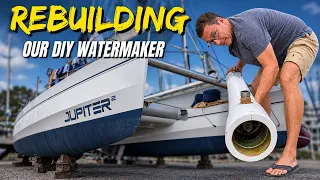
Rebuilding Our DIY Watermaker Fittings on an Aluminum Boat
In Puerto Peñasco, Jamie overhauls the high-pressure watermaker system aboard Jupiter², restoring corroded stainless fittings and refurbishing mild steel propeller shaft couplings.
Check out Shakesure anchor chains
Check out Shakesure anchor chains here: utm_source=KOL&utm_medium=Youtube&utm_campaign=Sail ing+Life+on+Jupiter Discount code (15% off) : Onjupiter @shakesure #Shakesure #anchorchain #boats
We’re Back! Preparing Jupiter² for the Big Splash
Jamie and Princess return to Cabrales Boatyard in Puerto Peñasco aboard their Mumby 48 catamaran Jupiter², overhauling ground tackle, engine mounts, and aluminum hull systems ahead of their Sea of Cortez splash.