@Sailing_With_Phoenix Mid-Ocean Podcast, EP#458 Sailing Into Oblivion Podcast
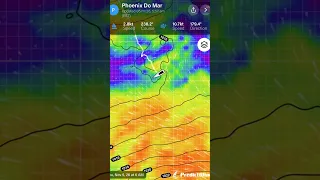
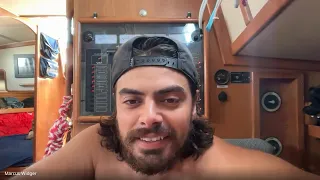
Jerome Rand established a satellite connection from the cabin of his boat tied to a dock on Cape Cod, opening episode 458 of Sailing Into Oblivion to reach Oliver aboard Phoenix in the middle of the ocean. Operating far offshore along a Great Circle route toward Cape Horn, Oliver answered from his nav station while navigating the vessel through steady ocean swells.
The mid-ocean check-in marked a major milestone on Oliver’s solo passage from Port Townsend, reaching the halfway mark 3,500 miles out from his departure port with roughly 3,500 miles left to reach Cape Horn. While Jerome monitored an incoming coastal nor’easter ahead of his own planned departure into the North Atlantic, Oliver delivered a candid status report on gear wear, electrical demands, squalls, and cabin life.
Mid-Ocean Check-In and Cabin Wet Zones
Connecting across thousands of miles of ocean, Oliver admitted that the grueling preparation ashore had tested his endurance far more than his initial weeks underway. “so far the refit has been harder,” Oliver explained. “I think that will probably shift here at some point. There’ll be a transition, but so far the refit it’s hasn’t compared This hasn’t compared to the refit, I guess, yet so far.”
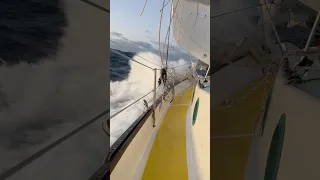
Living aboard a working sailboat in active ocean conditions quickly revealed the difficulty of keeping living spaces dry. After navigating through squall systems near the equator, moisture tracked down the companionway soaked the interior floorboards. In tropical warmth the moisture evaporated quickly, but Oliver recognized that colder conditions below 40 degrees south latitude would make dampness permanent and miserable.
To protect the vessel interior, Oliver established strict cabin boundaries. “stay out of my bunk,” Oliver noted as his primary internal operational rule, explaining that his movements underway were confined to a narrow path running between the nav station and the companionway steps. Rather than drenching his main sleeping quarters in wet foul weather gear, he resolved to sleep on the central settee cushion in the middle of the cabin during rough nights. Keeping the nav seat dry proved equally vital, as Phoenix houses its main battery banks directly beneath that seat.
Tracking Night Squalls with Marine Radar
Sailing through oceanic squall systems at night presented visibility challenges that Oliver managed using marine radar. By monitoring the radar display from down below, he assessed the physical footprint and intensity of oncoming rain bands before they struck the rigging.
The radar allowed Oliver to evaluate whether a cloud system was a fast-moving squall or an extensive weather front. When radar imagery confirmed a passing squall rather than an enduring gale, Oliver adjusted his sail trim and went down below to rest. Phoenix would head off course temporarily as the localized wind shift rolled through, then self-correct back onto its compass heading once the squall passed.
Operating the radar came with operational quirks. The unit frequently struggled to display small, localized rain bursts, leaving Oliver to encounter sudden wind spikes reaching 30 knots with little warning. In addition, the radar guard zone alarm proved difficult to silence without deactivating the alarm system entirely, occasionally prompting him to mute alerts that then required careful monitoring.
Sail Handling and Heavy Head Sail Dynamics
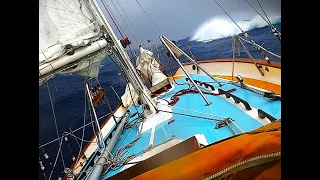
Phoenix carries a cutter rig fitted with a roller-furling genoa, a roller-furling staysail, and a mainsail equipped with 3 reef points. Managing the massive forward genoa solo demanded substantial physical effort. Oliver observed that while his mainsail was manageable to reef, furling the large headsail in 25 knots of wind created heavy friction across the drum and furling line.
During the doldrums, Oliver preserved his main working canvas by hoisting a light air mainsail. The smaller sail functioned effectively like a third reef, eliminating the violent slatting that damages standard mainsails in rolling ocean calms while reducing mental fatigue during periods of light wind.
Jerome and Oliver discussed the mechanics of reefing while running downwind in building seas. Jerome advised waiting for the hull to surge down the face of a wave, using the momentary release of sail pressure to crank down the reefing line without forcing the boat to head up into the wind. Phoenix proved far more forgiving in offshore conditions than Oliver’s previous vessel, moving steadily through cross seas without excessive creaking or hull flex.
Power Management and Mechanical Workarounds
Managing onboard electrical autonomy presented recurring challenges during the passage through equatorial calms. Overcast skies in the doldrums slashed solar panel output, while flat seas immobilized the hydrogenerator, which relies entirely on vessel boat speed to spin its impeller and generate charge.
To safeguard his battery reserves, Oliver shut down refrigeration halfway through the doldrums. Over the entire voyage, he ran the auxiliary diesel engine only 2 times, reserving engine hours for battery charging emergencies and calm transitions.
Mechanical systems required careful troubleshooting. On port tack, the watermaker suffered an airlock because the brine discharge hose was angled uphill, allowing passing waves to force air into the outlet and shut down the pump. Oliver resolved the issue by manually cracking and bleeding the valve every hour. When the primary diaphragm bilge pump lost suction, Oliver inspected the intake and found a chip of dried bilge paint wedged against the ribbed interior hose. By blowing through the line, he dislodged the obstruction and restored bilge suction, keeping two backup impeller pumps ready in reserve.
The $11,000 Starlink Surprise and Shoreline Lockout
Maintaining offshore satellite communications created unexpected financial and logistical headaches. While sailing mid-ocean, Oliver discovered that onboard Ring security cameras had been left active, silently streaming high-definition video surveillance to iCloud in real time.
The continuous data stream overran his satellite data allocation, generating an unexpected $11,000 bill on his offshore Starlink plan, which normally carries a base fee of roughly $1,500 per month. Oliver’s brother stepped in ashore to contest the charges, while Oliver faced the immediate threat of losing service mid-ocean.
The communication crisis compounded when Oliver’s mobile phone failed, preventing him from transferring his telephone number. Because two-factor authentication depended on that phone line, access to his primary banking accounts froze, leaving automated storage payments and credit accounts in jeopardy while he steered through ocean squalls. Jerome sympathized with the digital pressures, contrasting Oliver’s high-bandwidth ordeal with his own disciplined 50 gigabyte offshore data plan.
Rigging Forensics and Daily Deck Routines
Inspecting standing and running rigging formed a cornerstone of Oliver’s daily offshore routine. During deck checks, Oliver discovered severe chafe on the genoa halyard where the line passed through the masthead sheave and an adjacent saddle clamp. The line was worn almost entirely through its outer protective jacket, prompting Oliver to wrap the damaged section in chafe guard while awaiting calm weather to drop the sails. “I’m going to drop all everything and check everything, do a big thorough inspection,” Oliver confirmed.
An unexpected mechanical anomaly occurred during a mainsail reefing maneuver when a batten car popped cleanly off the Strong Track without cracking the composite track. Oliver planned to swap the unseated hardware for a larger spare car carried in his onboard inventory.
Deck inspections also uncovered a missing cotter pin on the forward pulpit lifeline fitting, which Oliver immediately secured. To track hardware movement, Oliver secured critical deck blocks and track cars with zip ties, using broken or displaced ties as early visual indicators of chafe or mechanical failure. His primary safety priorities centered on inspectable jacklines and wire-locked high lifelines along the bow.
Passage Metrics and Technical Overview
Solo ocean passage making requires balancing vessel displacement, power reserves, and navigational milestones. The quantitative realities of Oliver’s mid-ocean passage reflect the technical demands of high-latitude sailing:
| Passage Metric | Measured Value | Operational Detail | | – | – | – | | Halfway Mark Distance | 3,500 miles | Logged distance from Port Townsend and remaining distance to Cape Horn | | Distance to Southern Ocean | 1,400 miles | Remaining distance due south to cross 40 degrees south latitude | | Current Vessel Displacement | 25,000 lbs | Displacement of Phoenix providing heavy-displacement ocean stability | | Previous Vessel Displacement | 11,000 lbs | Displacement of Oliver’s earlier coastal cruising vessel | | Unexpected Satellite Charge | $11,000 | Incurred Starlink overage from continuous iCloud Ring camera uploads | | Offshore Base Satellite Plan | $1,500 | Standard monthly operating fee for global maritime connectivity | | Peak Squall Wind Burst | 30 knots | Maximum localized velocity recorded during sudden radar-tracked squalls | | High-Friction Furling Threshold | 25 knots | Wind condition requiring heavy physical torque to furl the forward genoa | | Auxiliary Engine Operations | 2 runs | Total times the diesel engine was operated across the passage |
Approaching 40 Degrees South Latitude
With 3,500 miles logged and the equator behind him, Oliver looked ahead to the next phase of his passage: closing the 1,400 miles remaining between his position and 40 degrees south latitude. Crossing into the high latitudes will bring building Southern Ocean swells, shifting gales, and plummeting ambient temperatures.
Oliver maintained an unpretentious outlook regarding the extreme weather ahead, choosing curiosity over false bravado. “the biggest the overall emotion is I’m curious to see what it’s like. To see how I fare, you know?” Oliver reflected, acknowledging that while online critics had predicted disaster before his earlier voyage to Hawaii, actual seamanship required observing ocean realities firsthand rather than succumbing to armchair fears.
Jerome reminded Oliver that calm periods between Southern Ocean gale systems often bring relentless 10 ft swells that cause intense rolling without wind power. Despite the austere conditions ahead, Oliver preserved a small comfort from shore: a 1-liter bottle of Coke purchased on a whim before casting off, stashed away safely to celebrate his birthday on March 12th.
Frequently Asked Questions
Oliver was approximately halfway between Port Townsend, and Cape Horn along the Great Circle route, having completed 3,500 miles with roughly 3,500 miles remaining to reach Cape Horn.
Oliver used onboard marine radar to evaluate the physical size and duration of incoming squalls. For brief squalls, he set his sail trim and went below to rest, allowing the vessel to self-correct back onto course after the squall passed.
Onboard Ring security cameras were left active and continuously uploaded real-time video surveillance footage to iCloud, consuming vast amounts of high-speed data on his offshore global satellite plan.
On port tack, the watermaker brine discharge line angled uphill and wave backpressure caused airlocks, requiring manual bleeding every hour. The bilge pump lost suction when a dried flake of bilge paint lodged in the intake hose, which Oliver cleared by blowing through the line.
During a reefing operation, a batten car popped off the Strong Track without damaging the track itself. Oliver prepared to replace the unseated unit with a larger spare car carried in his onboard spares.
Book a trip where this was filmed — near Boston
Support Sailing Into Oblivion
At WeBoating.com, we profoundly acknowledge the unwavering dedication that Sailing Into Oblivion invests in crafting each and every video or voyage. Their passion for delivering exceptional ocean content shines through every frame, and it's a labor of love that deserves your attention.
We invite you to watch their captivating videos here and actively engage with their content, including their social media links above. Liking, commenting, and sharing their work goes a long way in fueling their creative fire.
We're also inviting you to explore the gear, sponsorships, and boat partnerships highlighted in the "@Sailing_With_Phoenix Mid-Ocean Podcast, EP#458 Sailing Into Oblivion Podcast" video description, or directly on YouTube. By engaging with these offerings or purchasing services and items, you directly support Sailing Into Oblivion, their collaborators, and the brands they're associated with.
To ensure you never miss an offshore update, consider visiting their official YouTube Channel to subscribe, like, and join their community directly.
If you have any feedback, corrections, or additional information about Sailing Into Oblivion or their videos, please use the comment form below to share your thoughts with us.
Thank you for being a part of our community and supporting the creators we cherish. Your time and support truly matter!
Today we check in with Oliver, mid-ocean, and halfway from the start line to Cape Horn!
Help Support this podcast with the following links, Thanks for listening!
Support this Podcast on Patreon: https://www.patreon.com/sailingintooblivionpodcast
Starlink Referral Link: https://starlink.com?referral=RC-DF-13132545-72429-94
Help fund my next adventure here: https://gofund.me/6df0fb45
One Time Donations Via PayPal and Venmo: https://www.paypal.com/paypalme/JeromeRand https://account.venmo.com/u/sailingintooblivion
Amazon Wishlist: https://www.amazon.com/hz/wishlist/ls/33F36RF315G8V?ref_=wl_share
Children's Book: https://a.co/d/1q2Xkev
Sailing Into Oblivion Children's Audio Book: Audible.com
Sailing Shirts: https://www.bonfire.com/store/sailing-into-oblivion/
Books: https://a.co/d/eYaP10M
Reach out to the Show: https://www.sailingintooblivion.com/podcasts
Total Boat 5% discount code: https://www.totalboat.com/?sca_ref=9803393.xY85BaEnxZ
Sailing Into Oblivion
Discover the world-proven resilience of Jerome Rand as he documents his 271-day solo non-stop circumnavigation aboard his Westsail 32, Mighty Sparrow.
Channel Information:
Social Media Links:
@Sailing_With_Phoenix Mid-Ocean Podcast, EP#458 Sailing Into Oblivion Podcast Location
- South Pacific Ocean, Route to Cape Horn (-17,-100)
- Cape Cod, Massachusetts, USA (41.6688,-70.2962)
Latest Episodes from Sailing Into Oblivion
Explore the most recent voyages. Subscribe to the channel to never miss an update!
@Sailing_With_Phoenix Mid-Ocean Podcast, EP#458 Sailing Into Oblivion Podcast
Jerome Rand of Sailing Into Oblivion connects with Oliver mid-ocean aboard Phoenix, reviewing gear chafe, squalls, and an unexpected $11,000 Starlink bill.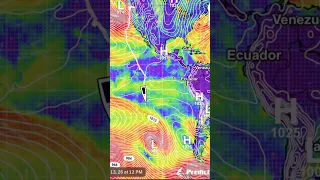
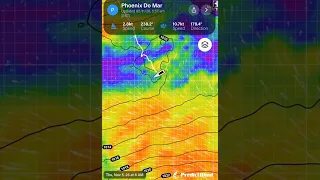
Nov 5th Update @sailingwithphoenix
Tied to a dock on Cape Cod, Jerome Rand reviews refits on Mighty Sparrow and analyzes Oliver's solo passage through Pacific doldrums toward Cape Horn.