Sailing In Okinawa

Sailing In Okinawa documents ASA Affiliate School #552 based at Ginowan Marina, Okinawa. Founded by American Sailing Association instructor Adam Johnson, the school trains cruisers in keelboat seamanship, coral reef pilotage, and Pacific blue water navigation.
Channel Information:
Social Media Links:
Sailing In Okinawa Latest Episode
Operating out of Ginowan Marina along the turquoise southwestern coast of Okinawa Main Island, Sailing In Okinawa serves as a premier English-language maritime academy and official American Sailing Association (ASA) Affiliate School #552 in Japan. Founded and directed by certified ASA instructor Adam Johnson, the channel and sailing academy deliver an authentic, technical, and instructional bridge between Western sailing certification standards and the intricate, coral-fringed cruising grounds of the Ryukyu Archipelago. Through hands-on keelboat training aboard student flagships like Malia Toa (a rugged Yamaha 26) and Shinki Tan, Sailing In Okinawa demystifies coastal navigation, reef passage pilotage, Pacific typhoon preparedness, and the vibrant cross-cultural maritime community thriving across the East China Sea.
Key Takeaways
- Accredited ASA Certification in Japan: Operating as ASA Affiliate School #552, the academy provides internationally recognized credentials (ASA 101 Basic Keelboat, ASA 103 Coastal Cruising, and ASA 104 Bareboat Cruising) that empower students to charter yachts worldwide, from the Mediterranean to the Caribbean.
- Dedicated Couples Cruising & Solo-Handled Fleet: Features a specialized weekend Couples Course emphasizing shared helm confidence, alongside a training fleet rigged intentionally for single-handed control—demonstrating practical cockpit line routing, cam-cleated traveler systems, and headsail furling.
- Subtropical Ryukyu & Kerama Archipelago Pilotage: Blends rigorous seamanship with the operational challenges of the Japanese tropics—navigating coral heads, reading shallow passes, coordinating with Japanese harbor authorities, and managing seasonal Pacific typhoon risks.
- The Cyber Sailor Digital Community: Serves as an active nexus uniting expatriate mariners, local Japanese yachtsmen, visiting circumnavigators, and sailing celebrities across Okinawa through digital networking and collaborative offshore passages.
⚓ Quick Specs & Channel Vitals
| Metric | Detail |
|---|---|
| Channel Name | Sailing In Okinawa |
| Lead Instructor & Director | Adam Johnson (ASA Certified Instructor) |
| Institutional Affiliation | American Sailing Association (ASA Affiliate School #552) |
| Home Port & Base Marina | Ginowan Marina, Ginowan, Okinawa Prefecture, Japan (26°16'47"N, 127°44'00"E) |
| Primary Cruising Grounds | Okinawa Main Island, Kerama Islands National Park, East China Sea, Ryukyu Archipelago |
| Active Training Fleet | Malia Toa (Yamaha 26 Fin-Keel Sloop), Shinki Tan (Cruising Keelboat) |
| Curriculum Offerings | ASA 101 Basic Keelboat, ASA 103 Coastal Cruising, ASA 104 Bareboat Cruising, Couples Sailing Clinic |
| Flag & Registration | Japan (JP) / Registered Japanese Pleasure Craft |
| Digital Community Portal | YouTube: @SailingInOkinawa | Web: SailingOkinawa.com |
| Technical Specializations | Coral Reef Navigation, Single-Handed Cockpit Setup, Diesel Maintenance, Tropical Typhoon Preparedness |
Meet the Crew and the Fleet
Sailing in the subtropics of southwestern Japan requires a delicate balance of instructional pedagogy, deep seamanship, and keen environmental awareness. The instructional team and revolving crew members at Sailing In Okinawa bring a diverse blend of military, civil, and intercultural maritime backgrounds to the cockpit, creating a supportive learning environment where novice sailors quickly gain blue water confidence.
Adam Johnson (Lead Instructor & School Director)
- Primary Expertise: Keelboat seamanship, ASA curriculum instruction, single-handed boat handling, and Pacific coastal pilotage.
- Certifications: American Sailing Association Certified Instructor (ASA 101, 103, 104), Maritime Radio Operator, CPR/First Aid.
- On-Camera Style: Pragmatic, patient, and deeply educational; breaks down intricate rigging geometries and deck procedures into methodical steps.
Origin Story & Professional Catalyst: Adam Johnson established Sailing In Okinawa to fill a significant educational void in the region: providing accredited, English-language sailing instruction in one of the world's most breathtaking island chains. Recognizing that military personnel, expatriate professionals, and visiting travelers had limited access to formal sailing schools in Japan, Adam accredited the facility under the American Sailing Association as School #552. His teaching philosophy centers on building intuitive muscle memory, situational spatial awareness around the dock, and thorough mastery of sail trim before venturing into exposed offshore waters.
Seamanship & Onboard Duties: Beyond administrative direction of the school, Adam acts as the chief ship's engineer and lead skipper. He oversees mechanical upkeep, custom rigging installations, passage route plotting across the Ryukyu Trench, and heavy-weather anchoring drills. Whether guiding nervous beginners through their first close-quarters docking maneuver at Ginowan Marina or conducting coastal passages to Zamami Island, his focus remains unwavering on safety protocols, crew communication, and vessel command.
Revolving Crew, Students & Guest Voyagers
The cockpit of Sailing In Okinawa is characterized by its dynamic, international crew rotation. Regular crew member Yuka frequently assists aboard offshore passages and video productions, offering local cultural insight and seamless coordination with Japanese harbormasters. The channel also regularly showcases visiting voyagers—such as bilingual cruising sensations James and Ayano (featured in Japan's national sailing magazine Kazi)—as well as aspiring students like Trent completing intensive keelboat certifications. This rotating ensemble underscores the school's overarching mission: uniting sailors from diverse backgrounds under a shared passion for the sea.
Crew Directory & Operations Roster
| Name / Role | Function Aboard | Background & Maritime Focus | Key Operational Responsibilities |
|---|---|---|---|
| Adam Johnson School Director & Skipper | Lead ASA Certified Instructor | Extensive Pacific coastal cruising; founder of ASA School #552 and SailingOkinawa.com | Curriculum delivery, vessel command, diesel mechanics, safety audits |
| Yuka First Mate & Local Liaison | Offshore Deckhand & Crew | Okinawan sailor and bilingual liaison; featured across multiple passage episodes | Line handling, bow watch during reef transits, Japanese harbor communications |
| Student Sailors (e.g., Trent, Couples Cohorts) | Trainee Helmpersons & Trimmers | Expatriate residents, military members, and international travelers | Helmsmanship, tacking/jibing drills, MOB recovery, anchoring procedures |
| Guest Voyagers (e.g., James & Ayano) | Visiting Yachting Ambassadors | Offshore liveaboards, media creators, and national sailing publication features | Cross-cultural seamanship exchanges, coastal cruising collaboration |
⛵ Fleet Forensics: s/v Malia Toa (Yamaha 26) & The Training Fleet
The training backbone of Sailing In Okinawa is Malia Toa, a proven 26-foot Yamaha keelboat engineered specifically for the choppy, demanding sea conditions of coastal Japan. Designed by Yamaha's acclaimed naval architecture division during the golden era of Japanese fiberglass production, the vessel features a hand-laid solid fiberglass hull, moderate-aspect fin keel, and a transom-hung rudder that provides exceptional hydrodynamic feedback to students at the helm.
To maximize student autonomy and demonstrate practical seamanship, Malia Toa has been modified with a custom single-handed running rigging layout. While standard ASA textbooks often depict conventional center-cockpit traveler setups, Malia Toa utilizes an inverted bridge-deck traveler system with forward-facing cam cleats. This engineering choice allows a solo skipper—or an instructor supervising from the helm—to adjust the mainsheet and traveler angle instantaneously without releasing the tiller. Combined with a roller-furling genoa and cabin-top halyard winches equipped with self-tailing jaws, the boat offers an ideal pedagogical platform where students transition from theory to instinctive mechanical execution.
Vessel Architecture & Technical Specifications
| Vessel Metric | s/v Malia Toa (Training Sloop) | Fleet Training Vessel (Shinki Tan) |
|---|---|---|
| Builder / Model | Yamaha Marine 26 (Japan) | Cruising Auxiliary Keelboat |
| Length Overall (LOA) | 26 ft 0 in (7.92 m) | 30+ ft Coastal Cruiser |
| Beam | 8 ft 8 in (2.64 m) | 10 ft 2 in (3.10 m) |
| Draft | 4 ft 11 in (1.50 m) (Fin Keel) | 5 ft 3 in (1.60 m) |
| Displacement | Approx. 5,200 lbs (2,358 kg) | Approx. 9,500 lbs (4,309 kg) |
| Hull Construction | Solid hand-laid fiberglass laminate | Solid fiberglass with structural stringers |
| Auxiliary Propulsion | Inboard Yanmar Marine Diesel | Inboard Marine Diesel |
| Rig Configuration | Masthead Sloop with Roller Furling Headsail | Masthead Sloop with Slab Reefing |
| Cockpit Ergonomics | Optimized for single-handed line management | Spacious cockpit for coastal passage crews |
| Safety Equipment | Type I PFDs, Lifesling, VHF, manual bilge pump | Offshore Flares, AIS, Horseshoe buoy, Life raft |
🛠️ The Gear Locker: Systems, Single-Handed Rigging & Diesel Operations
Operating a commercial sailing academy in a subtropical marine environment demands rigorous preventative maintenance. The warm, high-salinity waters of the East China Sea accelerate biological growth and galvanic corrosion, while seasonal ultraviolet radiation rapidly degrades running rigging. The channel emphasizes practical, real-world hardware mastery over pristine showroom aesthetics.
1. Deck Hardware & Winch Mechanical Advantage
A central lesson showcased across student walk-throughs is the disciplined use of deck hardware. Adam instructs students to resist the common beginner mistake of applying winch handles prematurely. On Malia Toa, students are trained to tail sheets by hand directly around the winch drum during tacks and gybes, engaging the self-tailing jaws and ratchet handle only when aerodynamic sail load exceeds manual strength. Furthermore, dedicated winch handle holders mounted in the cockpit coaming enforce strict tool discipline, preventing expensive hardware from being lost overboard in rolling seas.
2. Auxiliary Diesel Maintenance & Shutdown Mechanics
Auxiliary diesel reliability is paramount when maneuvering through the crowded marina fairways and concrete breakwaters of Ginowan. The school's vessels rely on compact, fuel-efficient Yanmar inboard diesel engines. Students receive comprehensive instruction on pre-start inspections—checking raw water strainers, verifying oil sump levels, checking alternator belt tension, and inspecting the exhaust mixing elbow. A key technical point demonstrated aboard Malia Toa is the manual shutdown plunger mechanism: unlike modern automotive ignitions, marine diesels require fuel starvation via mechanical shutoff levers, teaching students the vital mechanical fundamentals of compression ignition.
📊 Vessel Systems Health Scorecard
To maintain rigorous commercial training standards and ensure student safety during coastal excursions, the school implements a systematic vessel evaluation matrix. The following scorecard benchmarks the critical onboard systems aboard the training fleet against the demanding operating parameters of the Japanese subtropical environment.
| Subsystem | Operational Condition | Status Rating | Subtropical Cruising Assessment |
|---|---|---|---|
| Hull & Keel Integrity | High structural sound; fin keel bolts inspected; anti-fouling maintained for tropical growth | 9.2 / 10 | Yamaha solid laminate displays exceptional rigidity; resilient against minor grounding loads on coral rubble. |
| Standing Rigging & Mast | Stainless steel 1x19 wire; swage terminals dye-penetrant checked; mast-step sealed | 8.8 / 10 | Tensioned for subtropical squalls and moderate chop; stays and shrouds routinely inspected for saltwater pitting. |
| Running Rigging & Controls | Low-stretch polyester halyards; custom single-handed traveler lines; cam cleats serviced | 9.0 / 10 | Cam cleats and rope clutches cleaned weekly to flush salt encrustation; halyards flipped end-for-end to distribute UV wear. |
| Auxiliary Diesel Engine | Yanmar inboard diesel; raw-water cooling impellers refreshed; fuel-stop solenoid tuned | 8.9 / 10 | Reliable starting cycle; mechanical shutdown plunger lubricated; secondary Racor fuel-water separator installed. |
| Electrical & Bilge Pumps | Dual deep-cycle AGM batteries; automatic float switch pump; high-capacity manual cockpit pump | 8.7 / 10 | Shore-power charging at Ginowan Marina maintains full battery bank; cockpit manual diaphragm pump operational for emergency dewatering. |
| Navigation & Pilotage Suite | Magnetic steering compass, depth sounder, digital nautical charts (Japan Coast Guard / C-MAP) | 8.6 / 10 | Depth sounder calibrated with keel offset; essential for visual pilotage across coral reef shelf passes. |
Cruising Chronology & Educational Milestones
From its official founding in October 2022 to high-stakes regatta entries and inter-island cruising rallies, Sailing In Okinawa has built an enduring legacy of seamanship in the Ryukyu Islands. The timeline below chronicles key operational milestones achieved by the school, its students, and its instructional fleet.
| Date / Period | Operational Milestone | Location & Waters | Instructional & Nautical Significance |
|---|---|---|---|
| October 2022 | Official Accreditation of ASA School #552 | Ginowan Marina, Okinawa | Established the first dedicated American Sailing Association certification academy on Okinawa Main Island. |
| Late 2022 | Launch of Specialized Couples Cruising Course | East China Sea coastal shelf | Introduced structured couples coaching to foster joint command, stress-free anchoring, and synchronized boat handling. |
| Summer 2022 | Zamami Yacht Race Campaign | Ginowan to Zamami Island (Keramas) | Fielded fleet in the storied inter-island regatta, navigating complex open-ocean swell and tidal rip currents. |
| Episode 8 | Vessel Delivery to Ie Island (Iejima) | Motobu Peninsula to Ie Island | Successfully executed open-water passage to deliver a cruiser; navigated offshore pods of playful Pacific dolphins. |
| Episode 10 | Cruising Exchange with 'Sailebrities' | Southwest Okinawa coastal waters | Hosted YouTube voyagers James & Ayano (profiled in Kazi magazine) for collaborative seamanship drills. |
| Episode 11 | Cyber Sailors Digital Community Initiative | All-Japan maritime digital network | Formalized digital networking initiative connecting cruisers across Japan via web portals and sailing apps. |
🏆 Top Episodes & Must-Watch Stories
For aspiring cruisers preparing for certification, liveaboards planning an expedition to Japan, or armchair voyagers seeking subtropical sailing inspiration, the following curated episodes represent the pinnacle of Sailing In Okinawa's video library on WeBoating:
- Sailing Okinawa's Couples Course -- ASA Affiliate School #552: Highlights the dedicated weekend curriculum tailored for cruising partners, focusing on tandem docking drills, clear communication at the helm, and stress-free sail handling.
- Sailing Okinawa - ASA Affiliate School #552: Comprehensive introduction to the school's certified pathway from ASA 101 Basic Keelboat through ASA 103 Coastal Cruising and ASA 104 Bareboat Cruising in Japanese waters.
- Sailing Okinawa: Tour of our student boat: Technical walkthrough of training keelboat 'Malia Toa' (Yamaha 26), detailing single-handed cockpit modifications, traveler controls, roller furling, and Yanmar diesel operations.
- Sailing in Okinawa #11 -- Cyber Sailors: Chronicles the digital network connecting international sailors across Japan through social forums, Go Sailing apps, and collaborative community cruising.
- Sailing in Okinawa #10 - Sailebrities: Features visiting cruisers James and Ayano (bilingual sailors profiled in Kazi magazine) joining local deckhand Yuka for an offshore sail departing Ginowan Marina.
🧭 Similar Channels to Explore on WeBoating
If you enjoy the instructional depth, coastal exploration, and hands-on seamanship of Sailing In Okinawa, be sure to explore these outstanding sailing channels featured on WeBoating:
- Cruising Sunrise: Follows blue water cruisers sailing through the Pacific Rim and East Asia, showcasing long-distance passage planning, island hopping, and liveaboard self-sufficiency.
- Take the Waters: Highlights coastal cruising voyages, traditional navigational technique, and mindful maritime seamanship across remote coastal archipelagos.
- Kind of Blue SAILING: Explores coastal cruising adventures aboard a classic fiberglass keelboat, emphasizing hands-on DIY marine refits, practical anchoring, and coastal exploration.
🌊 Subtropical Seamanship: Coral Reef Navigation & Typhoon Strategy
Sailing throughout Okinawa and the Ryukyu Archipelago presents environmental challenges vastly different from mainland continental cruising. Chief among these is pilotage through extensive fringing coral reefs. The waters surrounding Ginowan, the Kerama Islands National Park, and northern Okinawa are punctuated by jagged limestone reefs that can rise abruptly from deep ocean trenches to mere inches below the surface.
Visual Reef Navigation: At Sailing In Okinawa, students are trained never to rely solely on electronic GPS chartplotters. Because coral formations can expand over time and charts may exhibit datum offsets in remote archipelagos, visual pilotage is mandatory. Instructors teach students how to position a dedicated bow lookout with polarized sunglasses, reading water color gradients to assess depth: dark deep blue indicating safe deep water (10+ meters), emerald green representing moderate depths (3 to 5 meters), and pale turquoise or yellowish-brown warning of hazardous shallow coral heads (under 2 meters).
Typhoon Season Preparedness: Situated directly in the Pacific 'Typhoon Alley', Okinawa encounters powerful tropical cyclones between June and October. Safe seamanship in this theater requires uncompromising storm strategies. Ginowan Marina features heavy-duty concrete seawalls, yet vessel preparation remains vital: stripping all headsails, canvas biminis, and solar panels to reduce windage, doubling dock lines with anti-chafing gear, and utilizing spring lines arranged at acute angles to absorb substantial storm surges. Through its instructional curriculum, the school teaches cruisers how to interpret Japan Meteorological Agency (JMA) barometric data, identify secure secondary hurricane holes in surrounding island coves, and make conservative go/no-go passage decisions.
Frequently Asked Questions
Sailing In Okinawa is an official American Sailing Association (ASA) Affiliate School #552 based at Ginowan Marina in Okinawa, Japan. Founded by instructor Adam Johnson, the academy provides certified sailing courses, student boat walkthroughs, and instructional sailing videos across the subtropical waters of Japan.
The school operates out of Ginowan Marina, located along the southwestern coast of Okinawa Main Island, Japan (coordinates: 26°16'47"N, 127°44'00"E). This strategic location provides direct access to the East China Sea and the nearby Kerama Islands National Park.
Students can earn globally recognized American Sailing Association certifications, including ASA 101 (Basic Keelboat), ASA 103 (Basic Coastal Cruising), and ASA 104 (Bareboat Cruising). These lifetime certifications qualify sailors to charter yachts in the United States, Caribbean, Mediterranean, and worldwide.
The primary training vessel is Malia Toa, a 26-foot Yamaha keelboat equipped with an inboard Yanmar marine diesel, roller furling headsail, and a modified single-handed cockpit line arrangement optimized for instructional clarity.
The Couples Course is a specialized weekend training curriculum designed specifically for partners who want to cruise together. It emphasizes dual-helm confidence, low-stress docking communication, synchronized line handling, and collaborative passage-making techniques.
The school was founded and is operated by Adam Johnson, an accredited American Sailing Association instructor who serves as school director, lead educator, and chief vessel caretaker.
Yes. Sailing In Okinawa's courses are popular among US military members and expatriates stationed in Okinawa, providing internationally accredited ASA certifications that are recognized by military base boat rental facilities and global charter fleets.
Okinawa features pristine subtropical waters, fringing coral reefs, and dramatic underwater topography. Cruising here requires specialized visual pilotage skills to read coral depths, navigating through tidal passages, and adapting to Pacific typhoon seasons.
The Zamami Yacht Race is one of Okinawa's most celebrated annual sailing regattas. Fleets race from Okinawa Main Island across open ocean waters to Zamami Island in the Kerama Archipelago, navigating lively Pacific swells and tactical tidal streams.
Cyber Sailors refers to the collaborative community of mariners connected through social media, online forums (such as Sailing in Japan), sailing apps, and Adam's website (SailingOkinawa.com), enabling cruisers to share local navigational intelligence and crew opportunities.
Operating in Typhoon Alley requires rigorous seasonal protocols: tracking Japan Meteorological Agency barometric pressure gradients, securing vessels in protected marina slips with double braided chafe-guarded lines, stripping canvas and sails to minimize windage, and having designated storm havens.
You can explore the full video library, student walkthroughs, and course details on WeBoating at https://weboating.com/youtube-channels/sailing-in-okinawa/ and via their official website at SailingOkinawa.com.
Sailing In Okinawa Journey and Videos Locations
- (26.2797,127.7328)
- (26.2124,127.6809)
- (26.2,127.3333)
- (26.7167,127.7833)
- (24.8055,125.2811)
- (24.3448,124.1572)
Support Sailing In Okinawa
At WeBoating.com, we profoundly acknowledge the unwavering dedication that Sailing In Okinawa invests in crafting each and every video or voyage. Their passion for delivering exceptional ocean content shines through every frame, and it's a labor of love that deserves your attention.
We invite you to watch their captivating videos here and actively engage with their content, including their social media links above. Liking, commenting, and sharing their work goes a long way in fueling their creative fire.
We're also inviting you to explore the gear, sponsorships, and boat partnerships highlighted in the videos descriptions, or directly on YouTube. By engaging with these offerings or purchasing services and items, you directly support Sailing In Okinawa, their collaborators, and the brands they're associated with.
To ensure you never miss an offshore update, consider visiting their official YouTube Channel to subscribe, like, and join their community directly.
If you have any feedback, corrections, or additional information about Sailing In Okinawa or their videos, please use the comment form below to share your thoughts with us.
Thank you for being a part of our community and supporting the creators we cherish. Your time and support truly matter!
Watch Sailing In Okinawa's Latest Videos
Catch up on the most recent updates. Browse the complete video archive and Follow the journey.
Meet and Greet – March 25, 2023 at Yokohama Boat Show.
Viewers, I'll be at the Yokohama Boat Show on March 25 at the Tokyo Power and Sail Squadron booth to meet viewers of my channel along with five other Youtube sailing channels with a focus on Japan. Would love to meet you and explain why I want you to come to Okinawa and sail. See you there.
Sailing Okinawa’s Couples Course — ASA Affiliate School #552
Couples receive a big discount off the single student rate with Sailing Okinawa. Please checkout our website: www.sailingokinawa.com or e-mail us at: [email protected]
Sailing Okinawa – ASA Affiliate School #552
Welcome to Sailing Okinawa -- ASA Affiliate School #552 This 2:30 minute video highlights what we offer to those wanting to learn how to sail. This is a promotional video for the program offerings of Sailing Okinawa - American Sailing Association Affiliate School #552. EMAIL: sailinginokinawa@gmai...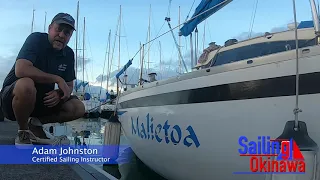
Sailing Okinawa: Tour of our student boat
By request of former Sailing Okinawa students, I've created this video on the controls of Malietoa, our 26-foot Yamaha CX student boat to help students quickly orient themselves once aboard their ASA 101 Basic Keelboat Course with Sailing Okinawa.
Sailing in Okinawa #11 — Cyber Sailors
In this episode I introduce many of the people I've met on the 'net then in person and sailed with them in Okinawa. We also introduce part 1 of a 3 story about Kris who lived on my boat Knotty Girl for three weeks at Ginowan Marina. All the music in this video was created using Apple Loop...
Sailing in Okinawa #10 – Sailebrities
In this episode we introduce a celebrity YouTube couple in Japan and then take them out for a sunset cruise on the East China Sea off the west coast of Okinawa near Ginowan Marina. This video is closed captioned and can be changed to captions in the language of your choice by using YouTube's au...
Sailing in Okinawa #9 — Sailing with a purpoise
In this episode we leave Ie Island and head back to Ginowan Marina but we have some visitors along the way -- a pod of dolphins. Please use the captions auto-translate function on Youtube to choose captions in the language of your choice. All the music in this video was created using Loops in Garage...
Sailing in Okinawa — SPECIAL EPISODE — Zamami Yacht Race 2022
It's been three years since Japan's largest yacht race has been hosted by Zamami Island in Japan's Okinawa prefecture. And after a five-week rainy season the skies opened up and let the sun shine on the 45th Annual Zamami Yacht Race. 日本最大のヨットレースが、日本の沖縄県にある座間味島で開催されるのは3年ぶりです。そして、5週間続い...
Sailing in Okinawa #8 — Boat Delivery (HD & Closed Caption)
In this episode we arrive off the coast of Ie Island to deliver a burned out boat, take it into Ie port and checkout a supercool man cave. This video can be viewed in the language of your choice by selecting captions and auto translate in YouTube. All content copyright, 2022 Atoms Marines Services....
Sailing in Okinawa — #7 — Burn Out (Closed Captioned)
In this episode we checkout the inside of a Yamaha 33 ketch-rigged sailboat that burned for a total loss at Ginowan Marina. Then we deliver the boat to Ie Island. This video can be viewed in the language of your choice by selecting captions and auto translate in YouTube. All the music in this video...
Sailing in Okinawa – #6 — That Rascally Rabbit! (Closed Captioned)
In this episode we climb aboard a 1979 33-foot Yamaha named, "Rascal" for a day sail on the west coast of Okinawa. This video can be viewed in the language of your choice by selecting captions and auto translate in YouTube. All the music in this video was created using Garage Band Loops b...
Sailing in Okinawa – #5 — What’s wrong with the rigging? (Closed Captioned)
Finally! The much awaited followup to episode 4. It's taken a year to complete but hopefully I'll be back on schedule as we have moved our social media strategies to be more fluid. This video can be viewed in the language of your choice by selecting captions and auto translate. このビデオは、キャプシ...
Getting My ASA 101 Certification (Trent)
March 6, 2022 - Trent gets his American Sailing Association 101Basic Keelboat Certification with Sailing Okinawa. Trent scored 100% on the ASA test! Thanks for studying. Thanks again for choosing Sailing Okinawa.
Sailing in Okinawa — #4 –Naked & Afraid? (Closed Captions)
In this video, Karl teaches an ASA 103 and 104 course aboard Knotty Girl as the crew gets a surprise at the Zamami Island Pier. Japanese and other subtitles available by using auto translate in YouTube settings. If you’d like to support this channel through our crowd sourcing strategy, please go t...
Sailing in Okinawa — #3 — Sand Island (Closed Captioned)
In this episode of Sailing in Okinawa, we head to Sand Island a great place off the west coast of Okinawa for day trips and snorkeling. Japanese and other subtitles available by using auto translate in YouTube settings. If you’d like to support this channel through our crowd sourcing strategy, pleas...
Sailing in Okinawa – #2 — Zamami Yacht Race (Closed Captioned)
This is the second episode of Season 1 of Sailing in Okinawa. The Zamami Yacht Race is the largest Yacht Race in Japan. Japanese and other subtitles available by using auto translate in YouTube settings. 私のビデオを日本語字幕に変更する方法のリンクはこちらです。 Join our virtual Sailing team on Patreon: You can also make a...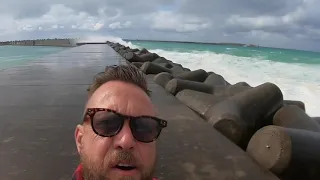
Sailing in Okinawa — Happy New Year! So ready for 2021!
Short New Year’s greeting to subscribers of Sailing in Okinawa. Once again, thank you for subscribing. Akemashita Omedetou Gozaimasu!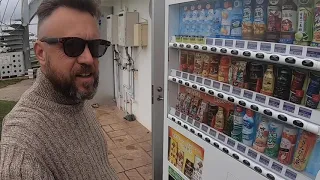
Sailing in Okinawa — Merry Christmas
Thanks to all of you who have already subscribed. Merry Christmas -- stay safe.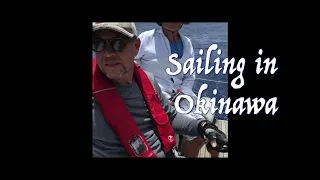
Sailing in Okinawa — #1 (Closed Captioned)
This is the first episode of Season 1 of Sailing in Okinawa. This episode is also the trailer/pilot for "Sailing in Okinawa" and it explains the background and purpose behind the channel while revealing what's in store. This video can be viewed in the language of your choice by select...