Twin Wheels on Sailboats: Better Control or Just More Cost? #shorts
Practical Sailor examines the engineering merits and ergonomic compromises of dual steering pedestals across modern production sailboats. While dual pedestals dominate modern boat shows, practical seamanship demonstrates that “Two wheels do not automatically mean better control.” On broad-stern cruising yachts, pedestals pushed to the outer coamings provide clear sightlines forward and comfortable outboard seating on calm afternoons. However, offshore conditions expose significant design vulnerabilities. At sea, standing out at the hull quarters places the helmsman far from the dodger, directly in blowing spray, with fewer secure handholds and increased motion compared to a sheltered companionway position.
Alternative Cockpit Geometry and Pivoting Wheels
German builder Sirius Yachts demonstrates that wide beams and dual pedestals are not universal cruising necessities. The boatyard maintains narrower hulls, asserting that “there’s no need for twin wheels as our hulls are not excessively wide.” Sirius avoids permanent extra pedestals by installing a single center wheel engineered to pivot sideways. This mechanical articulation permits the helmsman to steer from an outboard vantage point without permanently occupying deck space or multiplying cable runs.
Mechanical Leverage and Steering Dynamics
Steering responsiveness depends heavily on wheel diameter, internal friction, and quadrant gearing. A clean cockpit arrangement reveals little about helm resistance once a hull heels over under canvas. Naval architect Bob Perry highlighted this engineering challenge when reviewing the Sun Odyssey 39i, observing that dual helm layouts often force builders to specify smaller wheels. Unless quadrant gearing compensates for the reduced rim radius, “a smaller wheel gives you less leverage and can demand more effort from you.” Without proper mechanical advantage, helming a loaded cruiser in heavy air becomes physically demanding.
Pocket Cruisers and the Tiller Alternative
On smaller hulls, the operational case for dual pedestals diminishes further. The Beneteau Oceanis 30.1 illustrates this design choice, having been offered with either a traditional tiller or twin wheels. Published technical comparisons revealed that twin wheels increased purchase cost while consuming valuable cockpit bench length, accommodating fewer seated crew. In contrast, the tiller provided direct mechanical feedback without steering cables, and lifted vertically out of the way at anchor. On vessels measuring barely 30 ft long, omitting unnecessary steering hardware preserves cockpit utility and operational simplicity.
Frequently Asked Questions
No. Twin wheels do not automatically provide better control. Actual steering performance depends on wheel diameter, internal friction, and quadrant gearing rather than having two pedestals.
German builder Sirius Yachts keeps its hulls moderately proportioned, asserting that there is no need for twin wheels because its hulls are not excessively wide. The yard uses a single pivoting wheel that swings to an outboard position.
Naval architect Bob Perry observed that twin wheel installations can require smaller wheels. Unless quadrant gearing compensates, a smaller wheel provides less leverage and demands more physical effort when the boat is heeled.
On pocket cruisers like the Beneteau Oceanis 30.1, a tiller costs less, preserves full cockpit bench seating for crew, delivers direct helm feedback, and lifts out of the way when resting at anchor.
Book a trip where this was filmed — near New York City





Support Practical Sailor
At WeBoating.com, we profoundly acknowledge the unwavering dedication that Practical Sailor invests in crafting each and every video or voyage. Their passion for delivering exceptional ocean content shines through every frame, and it's a labor of love that deserves your attention.
We invite you to watch their captivating videos here and actively engage with their content, including their social media links above. Liking, commenting, and sharing their work goes a long way in fueling their creative fire.
We're also inviting you to explore the gear, sponsorships, and boat partnerships highlighted in the "Twin Wheels on Sailboats: Better Control or Just More Cost? #shorts" video description, or directly on YouTube. By engaging with these offerings or purchasing services and items, you directly support Practical Sailor, their collaborators, and the brands they're associated with.
To ensure you never miss an offshore update, consider visiting their official YouTube Channel to subscribe, like, and join their community directly.
If you have any feedback, corrections, or additional information about Practical Sailor or their videos, please use the comment form below to share your thoughts with us.
Thank you for being a part of our community and supporting the creators we cherish. Your time and support truly matter!
Twin wheels can offer an outboard helm position, but they may mean less cockpit comfort, weaker leverage, and extra cost. The best steering setup depends on the boat—not the number of wheels. #Sailing #BoatDesign #SailingTips #Yacht
Practical Sailor
Practical Sailor provides independent, subscriber-funded sailboat evaluations, technical systems testing, and used boat forensics without commercial advertising. Headquartered in Norwalk, Connecticut, under Belvoir Media Group, the publication expanded its investigative reach into digital video under Editor-in-Chief Tim Labute. In 2026, the channel leads critical investigations into older boat insurance underwriting, standing rigging life cycles, and used cruiser value across Long Island Sound and coastal North America.
Channel Information:
Social Media Links:
Twin Wheels on Sailboats: Better Control or Just More Cost? #shorts Location
- Norwalk, Connecticut, United States (41.1176,-73.4079)
Latest Episodes from Practical Sailor
Explore the most recent voyages. Subscribe to the channel to never miss an update!

Twin Wheels on Sailboats: Better Control or Just More Cost? #shorts
Practical Sailor examines whether twin wheels on modern cruising sailboats offer genuine helm control or unnecessary cockpit clutter, weaker leverage, and added cost.
RIB Dinghies: Why Cruisers Still Choose Them #shorts
Cruising sailors choose rigid inflatable tenders for deep-V chop handling and planing power, balancing performance against davit load limits and UV maintenance.
Tartan 3700: Why Do These Sailboats Hold Their Value? #shorts
A 20-year-old Tartan can cost as much as a newer production boat. The Tartan 3700 helps explain why these sailboats occupy their own world of pricing. #TartanSailboats #Tartan3700 #Sailing #UsedBoats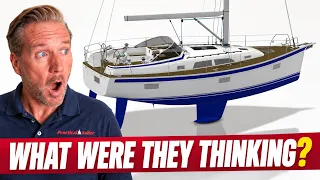
What Happened to the Hallberg Rassy 400
Practical Sailor tours the Hallberg-Rassy 400 at the Annapolis Sailboat Show, analyzing its twin spade rudders, wide aft beam, Selden rig, and Swedish build quality for ocean voyaging.
Boat Insurance Explained: Is Age Really the Problem? #shorts
Marine insurance underwriters evaluate boat age and maintenance over the sailor's age, debunking rumors that senior mariners face systematic policy denials.