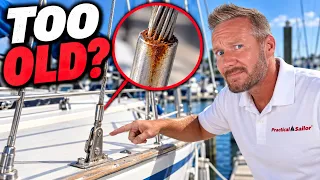
RIB Dinghies: Why Cruisers Still Choose Them #shorts
Cutting through open anchorages in rough chop quickly separates capable tenders from flat-bottom inflatables. Cruising realities rarely match brochure ideals, because as Practical Sailor observes, “anchorages aren’t those turquoise Instagram swimming pools you see in the cruising brochure.” Anchorage conditions frequently deliver two-foot or four-foot chop, turning a 20-minute run back from shore with two adults, groceries, and hardware supplies into an exhausting trial unless the tender possesses genuine hydrodynamic capability.
A proper rigid inflatable boat functions essentially like a compact powerboat. Beneath inflatable collar tubes sits an aluminum or fiberglass V-shaped hull engineered to cut through chop rather than sitting flat on the water. Fitted with adequate horsepower, a rigid tender planes reliably under heavy loads, travels several miles down the coast, handles beach landings, and takes impacts at dinghy docks. A 10-foot hull with a 15-horsepower outboard provides enough grunt that adding another passenger or groceries never bogs a planing dinghy into a displacement barge. For example, an AB 9 and 1/2 ft tender weighs about 110 lb bare before an optional bow locker, carrying five people rated for 15 horsepower.
Davit Loads and Outboard Handling Tradeoffs
Carrying capacity creates distinct challenges when securing the tender aboard a cruising sailboat. Outfitting a rigid tender with an outboard, fuel tank, and anchor adds immense stern bulk: “once you add an outboard and a fuel tank and an anchor and all the other junk that ends up migrating into your dinghy, you built yourself a small moon orbiting off the back of the sailboat.”
Depending on davit limits, crew frequently must remove heavy outboards before hoisting. Wrestling an engine upright while balancing in a bouncing tender is “one of those activities that becomes considerably less charming with every birthday.” Dinghies also collect rain, sand, leaves, and bird droppings at anchor. Collar fabrics eventually degrade under tropical UV exposure, meaning even durable CSM or Hypalon tubes require attention while the rigid hull underneath endures. Yet cruisers continue relying on rigid tenders because their capability and seaworthiness consistently prove reliable.
Frequently Asked Questions
A proper RIB has a rigid V-shaped hull made of fiberglass or aluminum that cuts cleanly through two-foot or four-foot chop rather than sitting flat on top of the surface.
Adding an outboard engine, fuel tank, and anchor creates substantial weight, frequently forcing crew to remove an awkward outboard while balancing in a bouncing tender.
Collar tubes made from CSM or Hypalon last a very long time, but tropical UV exposure eventually causes the fabric to age out while the underlying aluminum or fiberglass hull remains sound.
Book a trip where this was filmed — near New York City






Support Practical Sailor
At WeBoating.com, we profoundly acknowledge the unwavering dedication that Practical Sailor invests in crafting each and every video or voyage. Their passion for delivering exceptional ocean content shines through every frame, and it's a labor of love that deserves your attention.
We invite you to watch their captivating videos here and actively engage with their content, including their social media links above. Liking, commenting, and sharing their work goes a long way in fueling their creative fire.
We're also inviting you to explore the gear, sponsorships, and boat partnerships highlighted in the "RIB Dinghies: Why Cruisers Still Choose Them #shorts" video description, or directly on YouTube. By engaging with these offerings or purchasing services and items, you directly support Practical Sailor, their collaborators, and the brands they're associated with.
To ensure you never miss an offshore update, consider visiting their official YouTube Channel to subscribe, like, and join their community directly.
If you have any feedback, corrections, or additional information about Practical Sailor or their videos, please use the comment form below to share your thoughts with us.
Thank you for being a part of our community and supporting the creators we cherish. Your time and support truly matter!
RIB dinghies power through chop, carry groceries and gear, and run along the coast—but their weight, upkeep, and aging tubes come with tradeoffs. #RIBDinghy #SailingLife #BoatGear #Cruising
Practical Sailor
Practical Sailor provides independent, subscriber-funded sailboat evaluations, technical systems testing, and used boat forensics without commercial advertising. Headquartered in Norwalk, Connecticut, under Belvoir Media Group, the publication expanded its investigative reach into digital video under Editor-in-Chief Tim Labute. In 2026, the channel leads critical investigations into older boat insurance underwriting, standing rigging life cycles, and used cruiser value across Long Island Sound and coastal North America.
Channel Information:
Social Media Links:
RIB Dinghies: Why Cruisers Still Choose Them #shorts Location
- Norwalk Harbor, Connecticut (41.1008,-73.4199)
- Long Island Sound, Connecticut (41.115,-73.4)
Latest Episodes from Practical Sailor
Explore the most recent voyages. Subscribe to the channel to never miss an update!

Twin Wheels on Sailboats: Better Control or Just More Cost? #shorts
Practical Sailor examines whether twin wheels on modern cruising sailboats offer genuine helm control or unnecessary cockpit clutter, weaker leverage, and added cost.
RIB Dinghies: Why Cruisers Still Choose Them #shorts
Cruising sailors choose rigid inflatable tenders for deep-V chop handling and planing power, balancing performance against davit load limits and UV maintenance.
Tartan 3700: Why Do These Sailboats Hold Their Value? #shorts
A 20-year-old Tartan can cost as much as a newer production boat. The Tartan 3700 helps explain why these sailboats occupy their own world of pricing. #TartanSailboats #Tartan3700 #Sailing #UsedBoats
What Happened to the Hallberg Rassy 400
Practical Sailor tours the Hallberg-Rassy 400 at the Annapolis Sailboat Show, analyzing its twin spade rudders, wide aft beam, Selden rig, and Swedish build quality for ocean voyaging.
Boat Insurance Explained: Is Age Really the Problem? #shorts
Marine insurance underwriters evaluate boat age and maintenance over the sailor's age, debunking rumors that senior mariners face systematic policy denials.