It Took Me FOUR YEARS to Do THIS | Learning the Lines
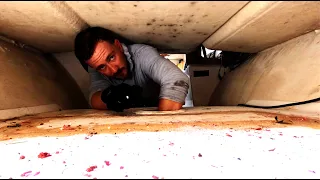
Jordan Collinet arrived at his Nova Scotia property with an unexpected hitch in his routine. Having left his regular recording equipment behind, he set up his backup gear and assessed a rare autumn weather window on the boatyard lot. Before freezing temperatures closed out the outdoor work season, he aimed to apply an epoxy barrier coat across the hulls of his 1991 Corsair F-27 trimaran, Desperado. Documenting the refit for Learning the Lines, Collinet faced a tight margin between overnight cold and daytime curing temperatures.
The immediate obstacle was chemical. The product slated for the hull—TotalBoat TotalProtect two-part epoxy primer—requires a minimum application temperature of 50°F (10°C). Because temperatures had dropped below freezing during the previous night, the unmixed epoxy cans were sitting far too cold for immediate rolling. Collinet hauled the paint into his heated RV, parking the cans near an active space heater to warm the resin and hardener above the required 10°C threshold while tracking an afternoon forecast promised to hold above 11 in the sun.
Preheating Epoxy and Managing Thermal Limits
Cold-weather boat repairs require strict attention to curing chemistry. If epoxy cures below its rated threshold, the chemical cross-linking slows dramatically and risks moisture damage. For Collinet, the project timeline offered some flexibility because launching Desperado was scheduled for 2027 at the earliest. However, the wet film still required a stable two-day window without freezing rain to prevent surface blooming. As Collinet observed upon arriving: “I just got to the property and of course I forgot my camera gear, but we’re going to make do.”
By midday, solar heating brought the ambient air to roughly 12°C. While warming the boat interior with space heaters remained an alternative method to warm outer hull surfaces during marginal conditions, Collinet prioritized completing the exterior bottom work before shifting inside for the winter months.
Staging Dry Storage Behind the Shipping Container
While waiting for the epoxy base and hardener to warm up inside the RV, Collinet addressed a long-neglected chore on the grounds. Behind the property shipping container—which houses his active workshop and personal gym—outdoor gear, weather-exposed materials, and refuse had accumulated. To clear the work perimeter and protect loose equipment from winter rain and snow, he assembled a waterproof VEVOR outdoor storage deck box.
The modular container provided dedicated dry storage for materials that would otherwise crowd the interior workshop, establishing an organized staging space before shifting focus back to the multihull.
Hull Support Staging and Solvent Prep
With the storage project squared away, attention turned to the Corsair F-27. Unlike a standard monohull on jackstands, supporting a lightweight folding trimaran demands specialized rigging. Collinet positioned custom-built wooden timber stands along with rigid sawhorses beneath each ama (outer float). The main center hull remained entirely suspended in the air. To ensure zero swaying under wind loads or while applying rolling pressure, Collinet secured the platform using four heavy ratchet straps anchored across the structure, with a ladder propped at the stern for access.
The contact points where the rigid stands met the amas were the only small sections spared from barrier coat. Every square foot of bare gelcoat and previously applied barrier coat on the main hull and amas was scrubbed clean and thoroughly wiped down with solvent to eliminate wax, grit, and airborne contaminants.
Mixing and Rolling TotalBoat TotalProtect
Once the epoxy reached proper application temperature, Collinet mixed the two-part system according to its specified 3:1 ratio. He measured 750 milliliters of TotalBoat TotalProtect epoxy base into a mixing bucket, followed by 250 milliliters of hardener. A torn nitrile glove and a small finger cut briefly interrupted the process, requiring a fast cleanup and fresh gloves before stirring.
With ambient conditions holding steady at roughly 12°C, the chemical reaction stayed controlled, providing extended pot life for steady rolling. Collinet applied the barrier coat unthinned. Intact factory gelcoat and sound base barrier coat remained across the hulls, meaning the primary mission was establishing an even protective layer rather than building excessive film thickness. Given the Corsair F-27 design as a lightweight performance multihull, Collinet chose not to apply unnecessary extra weight. Reviewing the rolled finish, Collinet remarked: “I just have to say I’m extremely impressed with how well this stuff covers. Look at that. It looks awesome. That’s one coat.”
Waterline Realignment and Finishing Schedule
After stripping the masking tape, Collinet evaluated the resulting crisp waterline transitions. While the main hull waterline aligned accurately with factory design specifications, the tape lines across the amas revealed an inconsistency. The previous owner, Buddy, had established an ama waterline several inches higher than necessary. Because trimaran amas ride significantly higher in the water than the central hull when the vessel is at rest, their immersed surface area is minimal. Collinet determined he would lower the ama waterline a couple of inches during upcoming topside work.
Covering the old sanded boundary and Buddy earlier patch protected the composite laminate from UV exposure in the interim. For future finish coats, Collinet outlined a distinct livery: TotalBoat Wet Edge topside paint in Fire Red across the amas, polished white gelcoat on the center hull, gray non-skid across the decks, and an eventual DIY copper coat bottom that will weather into a green patina.
Morning Inspection and Project Milestones
The following morning, Collinet returned to the boatyard to inspect the cured epoxy. Despite cold overnight temperatures, the single coat had settled into a uniform matte barrier surface without sagging or moisture defects. Touching the cured hull, Collinet confirmed: “It looks like even in the relatively colder weather, it feels great.”
Completing the bottom prep resolved a four-year backlog dating back to the period before trailering Desperado north to Canada. With the hull sealed and barrier coat uniform, Collinet established a blank slate for future bottom coatings as the refit progresses toward a targeted 2027 splash.
| Refit Metric | Specification / Measurement |
|---|---|
| Vessel Model & Year | 1991 Corsair F-27 Trimaran (Desperado) |
| Epoxy Coating Product | TotalBoat TotalProtect (Two-Part Epoxy Primer) |
| Mix Proportions | 3:1 Ratio (750 ml Part A to 250 ml Part B) |
| Minimum Application Temperature | 50°F (10°C) |
| Ambient Application Temperature | 12°C |
| Platform Stabilization Rig | Custom stands, rigid sawhorses, 4 support straps |
| Target Splash Horizon | 2027 |
Frequently Asked Questions
Jordan applied TotalBoat TotalProtect, a two-part epoxy primer and barrier coat mixed at a 3:1 ratio (750 milliliters of base to 250 milliliters of hardener).
Overnight temperatures dropped below the minimum application threshold of 50°F (10°C), so Jordan placed the cans near a space heater in his RV to warm the resin and hardener before mixing.
The trimaran was supported on custom-built stands and rigid sawhorses beneath each ama, stabilized by four ratchet straps to prevent swaying while leaving the main center hull completely in the air.
He chose not to thin the epoxy because he preferred leaving a light stipple rather than adding solvent, avoiding extra weight on the performance multihull while sealing intact gelcoat.
Jordan observed that the previous owner had painted the ama waterlines a couple of inches too high, which he planned to lower during upcoming topside fairing and painting.
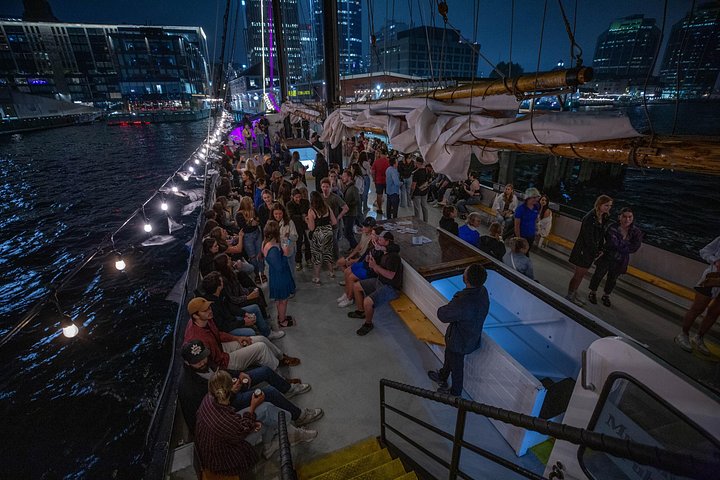
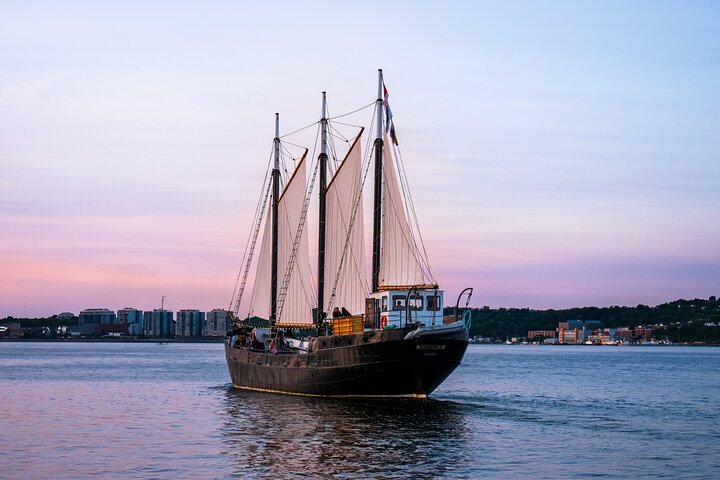
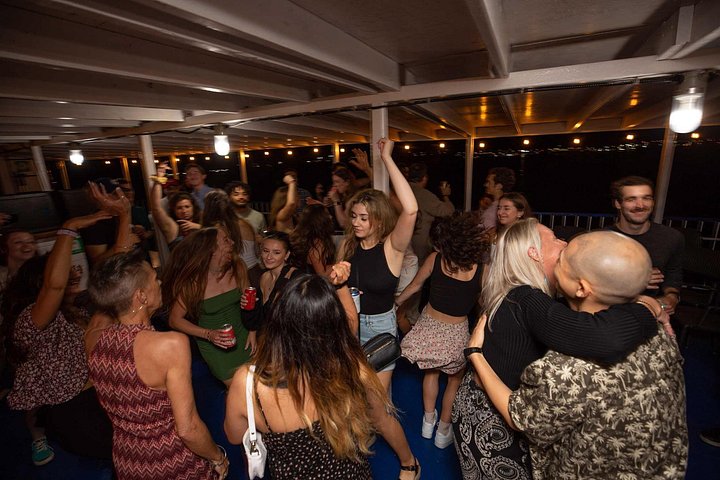
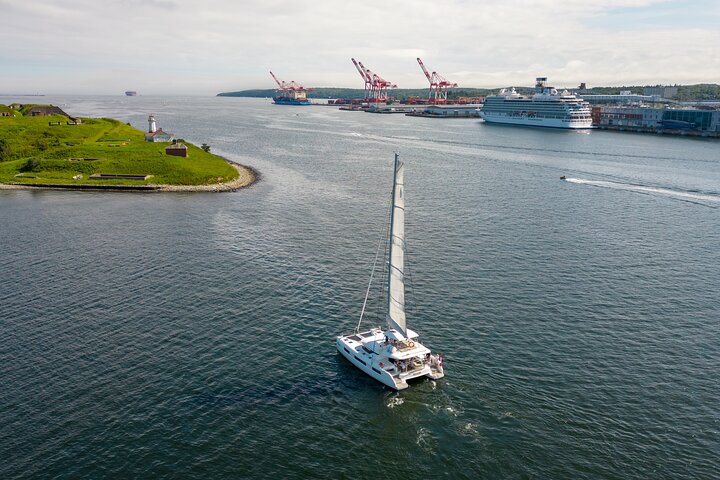
Book a trip where this was filmed — near Halifax

Support Learning the Lines
At WeBoating.com, we profoundly acknowledge the unwavering dedication that Learning the Lines invests in crafting each and every video or voyage. Their passion for delivering exceptional ocean content shines through every frame, and it's a labor of love that deserves your attention.
We invite you to watch their captivating videos here and actively engage with their content, including their social media links above. Liking, commenting, and sharing their work goes a long way in fueling their creative fire.
We're also inviting you to explore the gear, sponsorships, and boat partnerships highlighted in the "It Took Me FOUR YEARS to Do THIS | Learning the Lines" video description, or directly on YouTube. By engaging with these offerings or purchasing services and items, you directly support Learning the Lines, their collaborators, and the brands they're associated with.
To ensure you never miss an offshore update, consider visiting their official YouTube Channel to subscribe, like, and join their community directly.
If you have any feedback, corrections, or additional information about Learning the Lines or their videos, please use the comment form below to share your thoughts with us.
Thank you for being a part of our community and supporting the creators we cherish. Your time and support truly matter!
Thanks to VEVOR for the storage box. Get yours here:
https://s.vevor.com/QT1K6W]
Be sure to enter code VEVT5 at checkout for 5% off.
Also, big thanks to TotalBoat for the paint. Get yours here or at your local marine retailer:
https://www.totalboat.com/
Finally, after four long years, I finished the job I set out to do by sanding all the old bottom paint off the boat down to barrier and gelcoat. The bottom is now an even, barrier coat grey color, and ready for my DIY copper coat.
A few years and another country later, we're back at the Desperado project and committed to at least getting her in the water in 2027. Follow along for the DIY boat work aboard this 1991 Corsair F-27 performance folding trimaran.
Are you Canadian? Do you think recreational freedive spearfishing should be legal on the east coast? Please take two minutes to sign my petition:
https://www.ourcommons.ca/petitions/en/Petition/Details?Petition=e-7802

Learning the Lines
Join Jordan and Randi of Learning the Lines as they document their 2026 North Atlantic shakedown and trimaran restoration in Nova Scotia.
Channel Information:
Social Media Links:
It Took Me FOUR YEARS to Do THIS | Learning the Lines Location
- Nova Scotia (45.0778473,-63.5466822)
Latest Episodes from Learning the Lines
Explore the most recent voyages. Subscribe to the channel to never miss an update!
It Took Me FOUR YEARS to Do THIS | Learning the Lines
Jordan Collinet takes advantage of a crisp autumn weather window in Nova Scotia to apply TotalBoat TotalProtect two-part epoxy barrier coat to the hulls of his 1991 Corsair F-27 trimaran Desperado.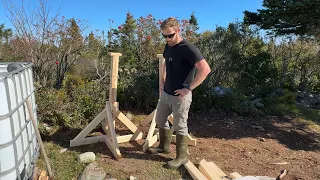
I MESSED UP Trying to Lift the Boat, so I Switch Gears for a Day | Learning the Lines
Jordan of Learning the Lines tackles DIY wooden boat stands and screw jacks to lift project sailboat Desperado off its trailer for hull barrier coating.
I MESSED UP Trying to Lift the Boat, so I Switch Gears for a Day | Learning the Lines
Jordan and Randi of Learning the Lines engineer DIY timber boat stands to lift their boat for bottom paint, navigating a tool logistical snag by pivoting to Nova Scotia land stewardship.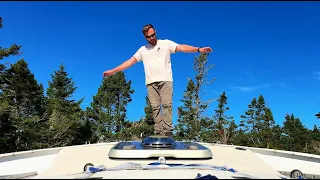
Why Are There So Many Holes in Our Boat? | Learning the Lines
Removing the seemingly infinite amount of deck hardware and sealing the boat again is a major task when there's this much deck hardware on a small boat. A few years and another country later, we're back at the Desperado project and committed to at least getting her in the water in 2027. F...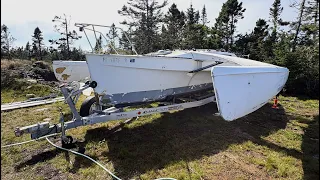
DON’T DO THIS With Your Marine Paint | Learning the Lines
I have to say that while I did literally close to everything wrong, the @TotalBoat paint still performed amazingly. If it performs this well when you do everything wrong, it must be a legendary product when you actually follow the instructions! I also went ahead and opened up the boat to prep Desp...