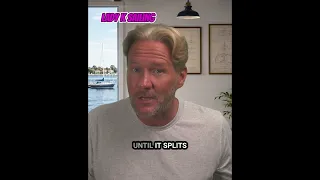
What I hated most about living on a sailboat
Addressing aspiring cruisers preparing for life at anchor, Tim Labute of Lady K Sailing analyzed the operational realities of vessel management that social media rarely emphasizes. While acknowledging the genuine rewards of cruising—drinking rum punches at sunset, listening to someone blow a conch horn across an anchorage in the Bahamas, watching dolphins play at the bow, and waking to turquoise water—Tim noted that mechanical chores, cramped quarters, and top-loading refrigerators pale in comparison to the unrelenting demand of tracking coastal weather.
Unlike living in a house ashore where storms remain strictly outside the walls, weather on a boat governs daily safety, routing choices, and physical comfort. As Tim explained, “weather is part of the management structure of your life.” Every decision from morning departures to evening anchor watches hinges on evaluating wind velocity, forecasted shifts, and bottom topography.
The Mechanics of Wind Shifts and Anchorage Exposure
Monitoring marine forecasts aboard a sailboat requires far greater nuance than checking for afternoon precipitation. Cruisers must continuously evaluate wind direction and velocity across multiple days, anticipating changes for Wednesday morning, Thursday afternoon, and Friday. A shift from north to northeast or northeast to southeast can transform a protected bight into a dangerous lee shore, as 20 knots from one quadrant provides a calm rest while 20 knots from another angle renders the anchorage unbearable.
Forecast models frequently underestimate local conditions, leaving crews to face 35 knots when forecasts anticipated moderate 20-knot breezes. In tidal waters, mariners must calculate minimum water depth at low tide, swing clearance relative to neighboring vessels, and bottom holding characteristics across sand, mud, grass, or rock. When cross-referencing pilot reports on Active Captain, cruisers often discover contradictory guidance, where one boater praises excellent holding while another warns that a northeast shift leaves the location entirely untenable.
Nighttime Anxiety and Anchor Alarm Vigilance
The contrast between day and night underscores the psychological toll of anchoring in marginal weather. Tim summarized the mental divide facing liveaboard mariners:
“During the day, weather determines where you can sail. At night, weather determines whether or not you can sleep.”
A calm anchorage bathed in settled conditions at 3:00 in the afternoon can devolve into an intense trial by 3:00 in the morning. With 35 knots of wind howling through the standing rigging, every sound aboard becomes a source of alarm. Mast vibrations, slapping hull waves, and deck halyards create an uneasy environment while the skipper lies awake monitoring the digital anchor alarm on a phone beside the berth. Staring at the vessel icon on the screen, the crew constantly questions whether movement reflects swinging on scope or genuine dragging toward rocks situated downwind.
Passing Squalls, Multi-Day Gales, and Drag Protocols
Vessel handling differs fundamentally between isolated squalls and multi-day storm systems. A passing thunderstorm often develops rapidly over 15 minutes as an approaching black cloud drives winds from 10 knots up to 30 knots. Crew members scramble to dog down hatches and secure deck gear while driving sideways rain heels the vessel over at anchor before the front quickly blows through.
Prolonged storm systems present a far greater test of stamina and equipment. When forecasters predict overnight winds reaching 50 knots, the entire floating home relies entirely on ground tackle set 6 hours earlier. Before attempting to sleep, sailors mentally rehearse emergency procedures should the anchor begin to drag: starting the auxiliary diesel engine, motoring forward into the wind to relieve strain on the rode, and attempting to reset the hook before drifting toward beaches, rocks, or nearby vessels.
Cascading Domestic Systems and Inflexible Schedules
When bad weather traps a vessel in place for 3 or 4 days, secondary domestic systems compound the strain. Heavy cloud cover over 2 consecutive days deprives solar arrays of charge, forcing tight battery management. Freshwater supplies dwindle when anticipated passages to fill tanks are postponed, while rough harbor chop prevents launching the dinghy ashore for groceries. Even preparing meals becomes an ordeal in a rolling cabin where cookware slides off burners and unlatched pantry lockers dump supplies, prompting crew to settle for a handful of almonds while bracing with one hand.
Cruising requires accepting that personal schedules must yield to meteorological realities. Imposing rigid calendar dates onto passages remains one of the most hazardous habits in sailing. Despite these trials, Tim maintained that genuine preparation allows sailors to savor the authentic rewards of the lifestyle, delivering straightforward advice to those hesitating:
“If living on a sailboat is your dream, just go and do it.”
Frequently Asked Questions
Tim identifies the weather as the most challenging factor of boat life because it acts as the primary management structure, dictating daily safety, route planning, anchorage comfort, and sleep.
An anchorage that feels comfortable in 20 knots from one direction can become unlivable if the wind clocks around, particularly when facing forecasted gusts up to 35 knots, shifting tides, swing room constraints, and poor seabed holding.
A passing squall typically lasts about 15 minutes as wind spikes from 10 to 30 knots with sideways rain and heeling, whereas a multi-day blow can bring sustained winds up to 50 knots, requiring sailors to monitor battery levels, conserve water, and rehearse emergency anchor-dragging procedures.
Extended cloud cover over 2 days prevents solar panels from replenishing batteries, freshwater tanks run low, rough waters make dinghy trips ashore impossible, and severe rolling makes galley cooking difficult enough that a handful of almonds becomes dinner.
Weather does not adhere to personal itineraries or flight reservations, and forcing a travel schedule onto adverse maritime conditions is one of the fastest ways to create severe danger at sea.
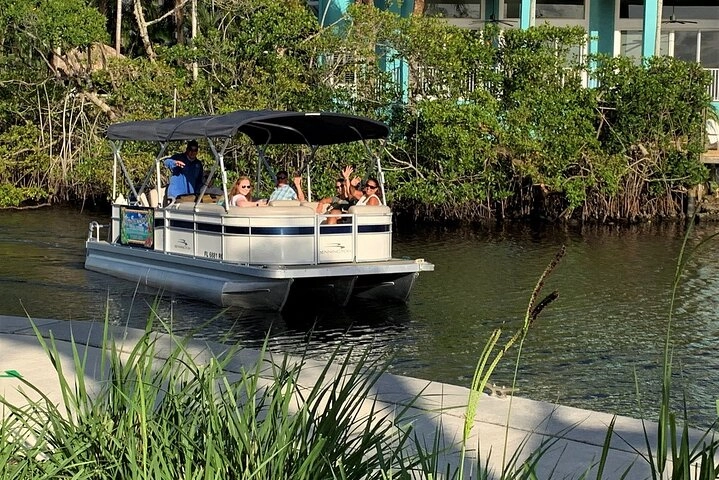
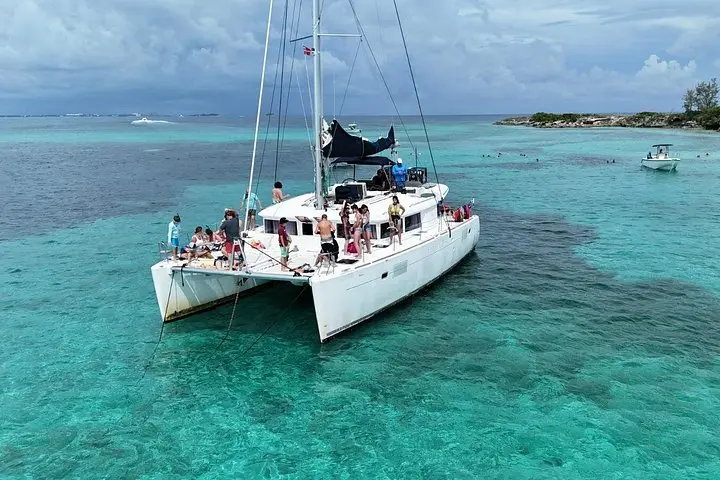
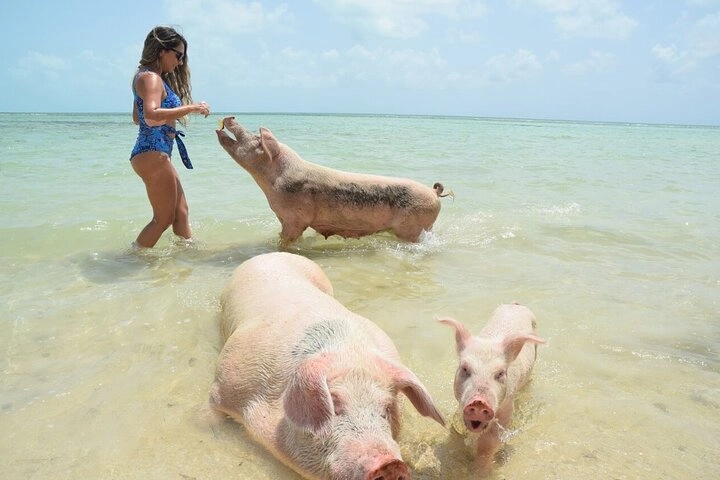
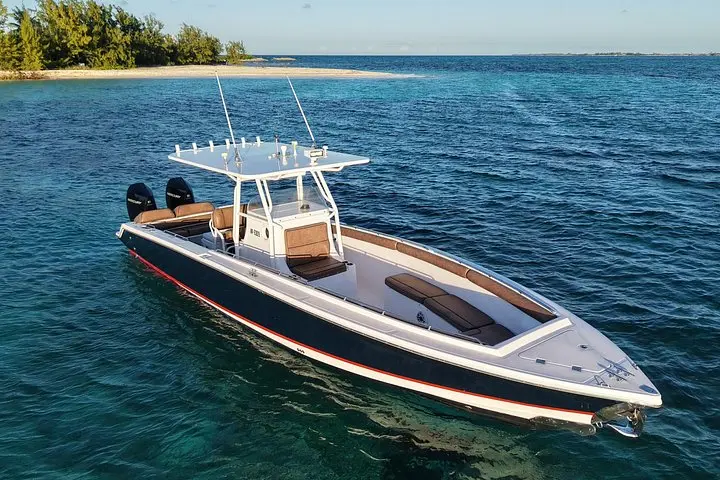
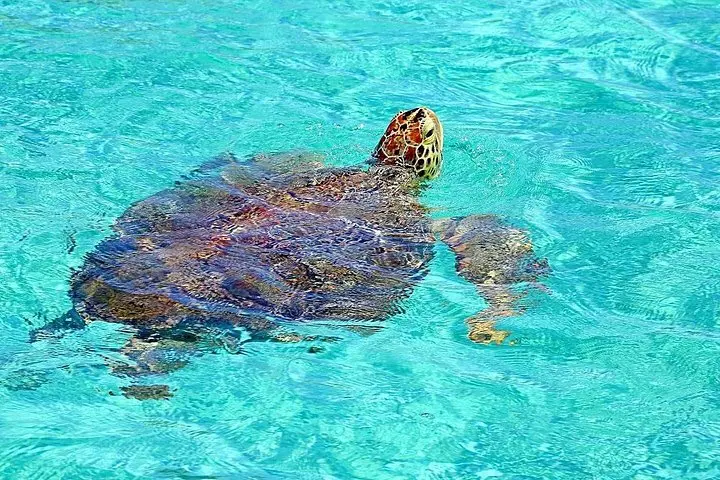
Book a trip where this was filmed — near New Providence Island
Support Lady K Sailing
At WeBoating.com, we profoundly acknowledge the unwavering dedication that Lady K Sailing invests in crafting each and every video or voyage. Their passion for delivering exceptional ocean content shines through every frame, and it's a labor of love that deserves your attention.
We invite you to watch their captivating videos here and actively engage with their content, including their social media links above. Liking, commenting, and sharing their work goes a long way in fueling their creative fire.
We're also inviting you to explore the gear, sponsorships, and boat partnerships highlighted in the "What I hated most about living on a sailboat" video description, or directly on YouTube. By engaging with these offerings or purchasing services and items, you directly support Lady K Sailing, their collaborators, and the brands they're associated with.
To ensure you never miss an offshore update, consider visiting their official YouTube Channel to subscribe, like, and join their community directly.
If you have any feedback, corrections, or additional information about Lady K Sailing or their videos, please use the comment form below to share your thoughts with us.
Thank you for being a part of our community and supporting the creators we cherish. Your time and support truly matter!
If you're thinking about living on a sailboat, becoming a liveaboard, buying a cruising sailboat, or sailing full time, there’s one part of boat life that almost nobody talks about enough: the weather. Living aboard a sailboat can be everything you imagine, from beautiful anchorages and tropical sunsets to freedom, adventure, and cruising from place to place under sail, but the weather can dictate almost every part of your life.
In this video, I talk about what I hated most about living on a sailboat, including anchoring in bad weather, strong winds, squalls, storms, anchor dragging, tides, weather windows, overnight anchoring, battery and water management, and the constant responsibility of keeping your sailboat safe. If you're researching how to live on a sailboat, what liveaboard sailing is really like, what to know before moving onto a sailboat, or whether the cruising lifestyle is right for you, this is one part of the dream you need to understand before you go.
Living on a sailboat is still absolutely worth it. The sunsets, dolphins, sailing, freedom, adventure, and cruising lifestyle are all real. But if you're planning to buy your first sailboat, become a liveaboard sailor, cruise the Bahamas, sail the Caribbean, or live at anchor, knowing how weather affects daily life will make you much better prepared for the reality of boat life.
#Sailing #Liveaboard #SailboatLife #LivingOnASailboat #Cruising #SailingLife #LiveaboardSailing #Sailboat #BoatLife #CruisingLife #LearnToSail #SailingTips
Lady K Swag!!! Right here: https://lady-k-sailing-shop.fourthwall.com/
Need a consult? Click here to drop a message: https://ladyksailing.com/consults/
Want to help support Lady K Sailing? Click here to become a Patron: http://www.patreon.com/ladyksailing
Or here to make a one time donation: http://www.ladyksailing.com/team-k
Follow Lady K on Facebook: https://www.facebook.com/ladyksailing
Or Instagram: https://www.instagram.com/ladyksailing/

Lady K Sailing
From the legendary Hughes 35 'Lady K' to the current catamaran 'Rome' refit, Tim Labute provides the technical gold standard for affordable cruising.
Channel Information:
Social Media Links:
What I hated most about living on a sailboat Location
- Cruising Anchorage, George Town, Exuma, Bahamas (23.5049,-75.7675)
Latest Episodes from Lady K Sailing
Explore the most recent voyages. Subscribe to the channel to never miss an update!
Why 90% of Sailboats Can’t Actually Cross an Ocean
Tim Labute investigates the viral claim that 90% of sailboats cannot cross an ocean, contrasting modern production rally finishers with structural inspection realities.
The Cottage Boat! Start Your Waterfront Dream Before Moving #cottageboat #sailing #sailboat #travel
Tim Labute of Lady K Sailing outlines the cottage boat strategy, explaining how aspiring boaters can use remote work, three-year plans, and weekend commuting to start living on the water years before permanent relocation.
How Landlocked Sailors Actually Own Boats
Tim Labute outlines practical methods for owning a cruising sailboat hundreds of miles from the coast, contrasting permanent relocation with the commuter cottage boat model.
How to Tell if a Sailboat is Garbage
Evaluating older sub-$10,000 cruisers, Tim Labute separates replaceable components like worn sails and rigging from fatal structural flaws including rotten deck core, deteriorating keel bolts, and ruined bulkheads.
Budget Sailing 💵 The New Rules📋for Buying a $10K Sailboat! ⛵#sailboat #boatbuying #advice #rules
Tim Labute from Lady K Sailing outlines new rules for buying a $10,000 sailboat, explaining how slip availability, marine insurance, and maintenance logistics have shifted over 20 or 30 years.