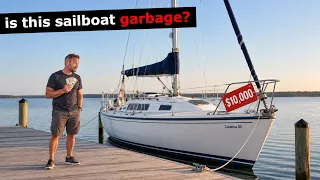
How Landlocked Sailors Actually Own Boats
Living a thousand miles from coastal waters turns vessel ownership into an intense logistical calculation. For mariners based in inland territories such as Colorado, Arizona, or Nebraska, regular sailing often appears incompatible with established employment schedules, mortgages, and family commitments. Taking Friday evening flights, renting vehicles, and spending weekends working in engine compartments can seem exhausting unless executed under a disciplined framework.
Addressing this persistent geographic dilemma on Lady K Sailing, host Tim Labute outlines two structured pathways for mariners separated from coastal anchorages: either moving physically closer to the water, or establishing the distance itself as an organized part of the cruising blueprint.
Relocating Closer to Coastal Waters
For those who view cruising as an essential element of life, relocating closer to the coast represents the most direct, if daunting, solution. Delaying a move under the assumption that practical affairs will eventually align often leads to perpetual postponement. As age advances, the physical capacity required for arduous deck work inevitably declines. “The years available for hauling sails and climbing the mast and crawling through engine compartments and wrestling with anchors will probably end before the rest of you does.” Tim points out that mariners routinely express regret over postponing their departures: “If I had a dollar for everyone that was up in their years that I hear from say that they wish they had gone sooner, I’d be able to buy my 42-footer today.”
A human life may span 70 or 80 healthy years, with the window for active seamanship being considerably shorter. Society readily accepts moving across state lines for corporate promotions, marital commitments, favorable tax jurisdictions, or larger residential properties, yet relocating for personal fulfillment is often viewed with skepticism. When immediate relocation is impractical, establishing an incremental 3-year transition plan provides manageable progress. Transitioning to remote work for 1 day a week, researching coastal hubs where employment opportunities intersect with marine access, or synchronizing a move with school graduations allows mariners to progress toward the coast without reckless disruption.
The Floating Cottage Blueprint and Marina Selection
When permanent relocation cannot be accomplished immediately, the cottage boat framework provides an actionable alternative that functions years ahead of an eventual move. Inland residents frequently maintain recreational cabins situated 3, 4, or 5 hours away by highway, enduring heavy Friday traffic to secure weekend retreats. A coastal cruiser operates on the exact same logic, exchanging highway congestion for scheduled commercial flights.
Executing this strategy hinges entirely on transit efficiency rather than absolute distance. “The objective is not to find the closest possible marina to you. It’s to find the easiest marina for you to get to.” For this reason, rather than seeking slips in high-profile yachting centers such as Miami, Annapolis, or San Diego where slip fees, haul-out rates, and contractor fees are steep, owners benefit from identifying independent mom-and-pop marinas situated roughly an hour from regional airports. These quieter facilities in adjacent towns often provide dedicated harbor staff who monitor docked vessels personally. A conscientious dockmaster who observes mooring lines and places a phone call at 3:00 in the morning when a bilge pump cycles offers security that distant owners cannot manage alone. Under this arrangement, a direct 2-hour flight followed by a 20-minute ride service can prove far more accessible than driving 5 hours to a rural cabin.
Selecting Low-Maintenance Production Cruisers
Selecting an appropriate vessel represents the cornerstone of successful long-distance ownership. An absentee cruiser must remain dependable between visits rather than demanding continuous mechanical intervention. “A remote cottage boat should not need constant saving from itself.” This means prospective owners should avoid neglected project vessels or battered bluewater veterans laden with unfinished refit tasks from historic Atlantic Rally for Cruisers crossings.
The ideal commuter vessel is a dry, robust, production fiberglass cruiser equipped with standard mechanical systems and widely available replacement components. Popular production platforms like the Hunter 376, Hunter 380, Catalina 36, an Oceanis, or a Sun Odyssey provide proven track records and engines familiar to local mechanics. Cruising comfort remains paramount; the interior should feature a spacious aft cabin, a functional galley, adequate ventilation, a dedicated shower stall, and sufficient locker volume to store clothing, bedding, and tools permanently on board. “The entire point is to travel with a carry-on bag, unlock that companionway, and already be home.” Arriving with light luggage allows owners to cast off lines promptly for 3 days of sailing or spend a full week balancing remote office tasks with coastal cruising.
Long-Distance Stewardship and Regional Weather Management
Managing a sailboat from several states away magnifies routine maintenance responsibilities. While an insecure dock line causes minor irritation when residing 20 minutes from the harbor, it becomes a serious crisis when observing severe weather fronts on regional radar. Safeguarding an unattended vessel requires high-grade mooring lines equipped with chafe protection, clean bilges backed by redundant float switches and dependable pumps, verified shore power wiring, and properly conditioned marine batteries.
Modern wireless sensors, automated bilge cycle loggers, and internet-connected security cameras enable remote monitoring, yet physical oversight remains necessary. Establishing a formal relationship with marina staff, a local boatyard, or a trusted local sailor ensures hands-on vessel checks following major storms. “Someone needs to step aboard after a major storm, check the lines, look in the bilge, and confirm that the boat’s still behaving like a boat rather than attempting to become a submarine.” Local geography also influences maintenance demands; Gulf Coast berths face oppressive summer humidity, tropical storms, and complex insurance conditions, whereas northern facilities require winter haul-outs, shrink-wrapping, and annual spring commissioning.
Calculating Honest Usage and Sailing Value
Long-distance boat ownership requires an unsparing assessment of annual schedule availability. For mariners who can only travel to the coast twice a year, chartering a vessel provides greater cruising variety without ongoing storage fees and maintenance liabilities. Conversely, when an owner can schedule 6, 8, or 10 voyages across the calendar year—combining extended weekends with full-week passages—the financial economics and personal returns easily outshine conventional resort vacations.
A well-maintained production sailboat docked at an affordable independent marina serves as a cost-effective floating residence that possesses the unique advantage of mobility. Over time, an established cottage boat can transition into an extended seasonal retreat, a winter cruising platform, or a permanent retirement vessel, proving that geographic distance does not prevent active participation on coastal waters.
Frequently Asked Questions
The cottage boat concept treats a production cruiser as a floating second home kept at an affordable marina near a commercial airport. Rather than driving long distances to a land cabin, owners take a direct flight with a carry-on bag, cruise for several days, and secure the vessel before flying home.
Remote owners need dry, dependable production cruisers such as a Hunter 376, Hunter 380, or Catalina 36. These vessels feature common engines that local mechanics recognize, readily available replacement parts, comfortable aft cabins, usable galleys, and ample onboard storage for permanent gear.
Famous sailing centers often carry high slip fees, premium labor rates, and crowded facilities. Smaller independent marinas located roughly an hour from a commercial airport provide affordable dockage and attentive dockmasters who notice loose lines or cycling bilge pumps.
Visiting a boat only twice a year makes ownership uneconomical compared to chartering. Making six, eight, or ten trips annually for long weekends and extended weeks makes ownership financially and emotionally practical.
Essential safeguards include rigging dock lines with chafe guards, ensuring bilge pumps and battery chargers are dependable, minimizing exterior woodwork, installing remote bilge monitors, and hiring local marina personnel to inspect the vessel after major storms.
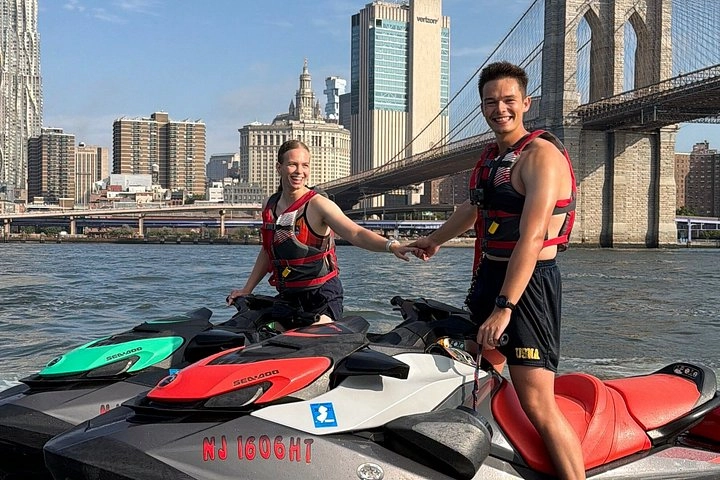
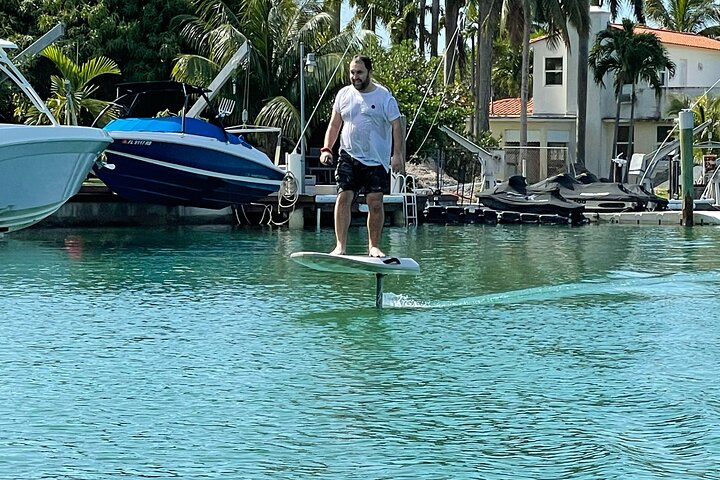
Book a trip where this was filmed — near New York City

Support Lady K Sailing
At WeBoating.com, we profoundly acknowledge the unwavering dedication that Lady K Sailing invests in crafting each and every video or voyage. Their passion for delivering exceptional ocean content shines through every frame, and it's a labor of love that deserves your attention.
We invite you to watch their captivating videos here and actively engage with their content, including their social media links above. Liking, commenting, and sharing their work goes a long way in fueling their creative fire.
We're also inviting you to explore the gear, sponsorships, and boat partnerships highlighted in the "How Landlocked Sailors Actually Own Boats" video description, or directly on YouTube. By engaging with these offerings or purchasing services and items, you directly support Lady K Sailing, their collaborators, and the brands they're associated with.
To ensure you never miss an offshore update, consider visiting their official YouTube Channel to subscribe, like, and join their community directly.
If you have any feedback, corrections, or additional information about Lady K Sailing or their videos, please use the comment form below to share your thoughts with us.
Thank you for being a part of our community and supporting the creators we cherish. Your time and support truly matter!
Think you live too far from the ocean to own a sailboat? In this episode, we explore how landlocked sailors can still chase their sailing dreams by choosing the right boat, finding an affordable marina near an airport, and treating their sailboat like a floating cottage. You may not need to live beside the water—you just need a realistic plan that lets you fly in, sail and repeat.
Whether you’re learning to sail, buying your first sailboat, considering the liveaboard lifestyle or dreaming about sailing away someday, your location doesn’t have to stop you. We discuss choosing a comfortable, low-maintenance cruising sailboat, managing a boat from far away and deciding when it might finally be time to move closer to the water.
#Sailing #Sailboat #SailingForBeginners #LearnToSail #BuyingASailboat #SailboatLife #LiveaboardSailing #CruisingSailboat #SailingDream #BoatLife
Lady K Swag!!! Right here: https://lady-k-sailing-shop.fourthwall.com/
Need a consult? Click here to drop a message: https://ladyksailing.com/consults/
Want to help support Lady K Sailing? Click here to become a Patron: http://www.patreon.com/ladyksailing
Or here to make a one time donation: http://www.ladyksailing.com/team-k
Follow Lady K on Facebook: https://www.facebook.com/ladyksailing
Or Instagram: https://www.instagram.com/ladyksailing/
Lady K Sailing
From the legendary Hughes 35 'Lady K' to the current catamaran 'Rome' refit, Tim Labute provides the technical gold standard for affordable cruising.
Channel Information:
Social Media Links:
How Landlocked Sailors Actually Own Boats Location
- Annapolis Harbor (38.9784,-76.4922)
- Chesapeake Bay Marine Corridor (38.95,-76.45)
Latest Episodes from Lady K Sailing
Explore the most recent voyages. Subscribe to the channel to never miss an update!
3 Sailboats I’d Actually Buy for $5,000
⛵ Can you REALLY buy a good sailboat for $5,000? Absolutely! In this video, we're shopping for cheap used sailboats, affordable cruising boats, and some incredible secondhand sailboat bargains hiding on Facebook Marketplace. I recently bought my own 30-foot Pearson sailboat, Pura Vida, for just...
Why Everyone Hates New Sailboats
Lady K Sailing examines modern production boat criticism, analyzing bonded structural grid liners, keel bolt engineering, and CE Category A ocean ratings.
Why 90% of Sailboats Can’t Actually Cross an Ocean
Tim Labute investigates the viral claim that 90% of sailboats cannot cross an ocean, contrasting modern production rally finishers with structural inspection realities.
The Cottage Boat! Start Your Waterfront Dream Before Moving #cottageboat #sailing #sailboat #travel
Tim Labute of Lady K Sailing outlines the cottage boat strategy, explaining how aspiring boaters can use remote work, three-year plans, and weekend commuting to start living on the water years before permanent relocation.
How Landlocked Sailors Actually Own Boats
Tim Labute outlines practical methods for owning a cruising sailboat hundreds of miles from the coast, contrasting permanent relocation with the commuter cottage boat model.