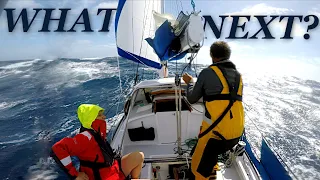
This Was Supposed to Be an Easy Job...
A routine maintenance task quickly evolves into a complex mechanical rescue when Troy begins dismantling the wind generator on his 44-ft Kelly Peterson. This detailed refit process is captured by Free Range Living, showcasing the realities of maintaining power systems at sea. Upon removing the unit, Troy discovers a poorly executed installation characterized by hardwired connections and tape rather than waterproof MC4 connectors. The lack of slack in the wiring makes future maintenance difficult, prompting Troy to remark, “I can’t stand that people do these things and don’t think about the person in the future”. This initial discovery sets the stage for a deeper dive into the mechanical failures of the system as the crew, including Pascale, prepares the vessel for life in Western Australia.
Diagnosing the Seized Bearing
As Troy inspects the wind generator, he identifies a noisy front bearing that barely spins. The condition of the bearing is critical; a completely seized unit would score the shaft and significantly reduce electrical output. However, the process of opening the unit reveals a significant hurdle: the M5 stainless steel machine screws have corroded and bonded into the aluminum bearing hub. This chemical bonding between dissimilar metals is a common failure point in marine environments where salt air accelerates oxidation.
Because the screws are completely seized, Troy seeks the help of their friend Peter. Using specialized equipment in his workshop, Peter drills out the corroded fasteners to separate the unit. While the process is not filmed due to Peter’s preference for privacy, the results are evident in the 35 mm top portion of the screws that had bonded into the aluminum. This precision drilling was the only way to salvage the aluminum hub without causing permanent structural damage to the generator housing.
| Specification | Measurement |
|---|---|
| Yacht Length | 44-ft |
| Original Screw Size | M5 |
| Corroded Screw Length | 35 mm |
| New Hole Size | M6 |
| Socket Size | 22-mm |
| Generator Wattage | 400-W |
De-swarfing and Bearing Replacement
Once the unit is returned from the machine shop, Troy faces a new challenge: metal shavings, or swarf, have adhered to the rotor. Because the rotor is a giant sequence of magnets, it attracted particles during the drilling process. To clean the magnets and windings, Troy uses methylated spirits in a spray bottle and a torn-up beer carton to catch the debris and protect the woodwork of the boat. This careful cleaning is necessary because any remaining metal particles could cause electrical shorts or mechanical friction within the stator. Reflecting on the complexity of the task, Troy notes, “It’s a little bit of an ordeal just to swap out some bearings on the wind generator”.
With the unit clean, Troy focuses on the bearing replacement. He uses a 22-mm socket and a hammer to remove the old bearing. When installing the new 6203 RZ bearing, Troy ensures he only hits the outer rim with the socket to avoid damaging the inner race. This technique prevents the new bearing from being compromised before it is even installed, ensuring a smooth rotation for the generator shaft.
During this process, Troy provides a technical breakdown of the Marine Kinetics 400. He explains the interaction between the stator, which remains still, and the rotor, which spins to move electrons. The unit also features a brush slip ring assembly consisting of three brushes and three slip rings that output three phases of AC. Understanding these internal components is vital for any sailor attempting to maintain a 400-W system in remote locations.
Final Hardware Upgrades and Assembly
To prevent a recurrence of the seizing issue, Troy upgrades the hardware. The holes previously occupied by the M5 screws are increased to M6. This larger size provides necessary space for washers and butyl rubber, ensuring better tension and a more effective seal against moisture ingress. By increasing the diameter of the fasteners, Troy creates a more robust mechanical connection that can withstand the vibrations of a spinning turbine. Troy emphasizes the importance of the disassembly process, stating, “Making sure things come apart is just as important as making sure things go together”.
The final stage of the refit takes place in the covered cockpit. To combat the risk of galvanic corrosion between the stainless steel bolts and the aluminum body, Troy applies Tef-Gel to all contact points. This chemical barrier is essential for long-term durability in a maritime environment, as it prevents the two different metals from exchanging electrons. This step is particularly important given the previous failure of the M5 screws. As he secures the assembly, Troy observes, “This stainless steel bolt won’t be stealing electrons from my aluminum wind generator body”. With the new bearings installed and the hardware upgraded, the wind generator is restored to full operational capacity, providing reliable power for the 44-ft Kelly Peterson.
Frequently Asked Questions
The universal code for the bearings is 6203 RZ.
The unit produces three phases of AC; all DC rectification is handled downstairs by the controller.
He uses Tef-Gel as an assembly lubricant to stop corrosion between the stainless steel bolts and the aluminum body.
Water adventures in Australia
Support Free Range Living
At WeBoating.com, we profoundly acknowledge the unwavering dedication that Free Range Living invests in crafting each and every video or voyage. Their passion for delivering exceptional ocean content shines through every frame, and it's a labor of love that deserves your attention.
We invite you to watch their captivating videos here and actively engage with their content, including their social media links above. Liking, commenting, and sharing their work goes a long way in fueling their creative fire.
We're also inviting you to explore the gear, sponsorships, and boat partnerships highlighted in the "This Was Supposed to Be an Easy Job..." video description, or directly on YouTube. By engaging with these offerings or purchasing services and items, you directly support Free Range Living, their collaborators, and the brands they're associated with.
To ensure you never miss an offshore update, consider visiting their official YouTube Channel to subscribe, like, and join their community directly.
If you have any feedback, corrections, or additional information about Free Range Living or their videos, please use the comment form below to share your thoughts with us.
Thank you for being a part of our community and supporting the creators we cherish. Your time and support truly matter!
When a simple maintenance job that was supposed to take 2 hours turns into a week long saga! A juicy maintenance special this week as Troy services our poorly installed wind generator from a hard to reach place.
#windgenerator #sailboat #maintenance
Support us and gain early access to videos and other exclusive rewards.
Become a patron of Free Range Living today! http://www.patreon.com/freerangesailing
Some of our fans prefer to make a direct contribution by Paypal: https://www.paypal.com/donate/?hosted_button_id=AEMRVLHCCTP84
OUR SOCIALS
Follow us on: Instagram: http://www.instagram.com/freerangehomestead
Facebook: http://www.facebook.com/freerangesailing
FREE PROVISIONING GUIDE
Pascale has put together a FREE 40 page Provisioning Guide. The Guide explains and provides examples of how we can travel eating a variety of healthy and delicious meals for up to 6 months at a time on our tiny boat with no resupply. There has never been a better time to start learning how to increase the food storage potential of your home. I hope this guide will inspire you to make more informed long term provisioning choices for the future! For more information visit the Provisioning Page on our website ( www.freerangesailing.com/boat-provisioning ) or to grab a copy directly by clicking on the link below.
LINK HERE: Download your FREE Provisioning Guide: https://bit.ly/3adbloF
Also if you want to find out more about what I am cooking up every week for us at the homestead (and previously aboard SV Mirrool) you should follow my foodie Instagram page! www.instagram.com/gourmetsailor
Music Credits
Our theme tune (outro and/or intro song) Aquarium by TEVO. You can listen to his music here: https://soundcloud.app.goo.gl/4MAfa
All music sourced from Epidemic Sound (www.epidemicsound.com)
On the request of one of our patrons we put together a playlist of some of our music on Spotify. Follow along and listen here: https://open.spotify.com/playlist/4Qegq91f000leXa5LwdNtr
Free Range Living
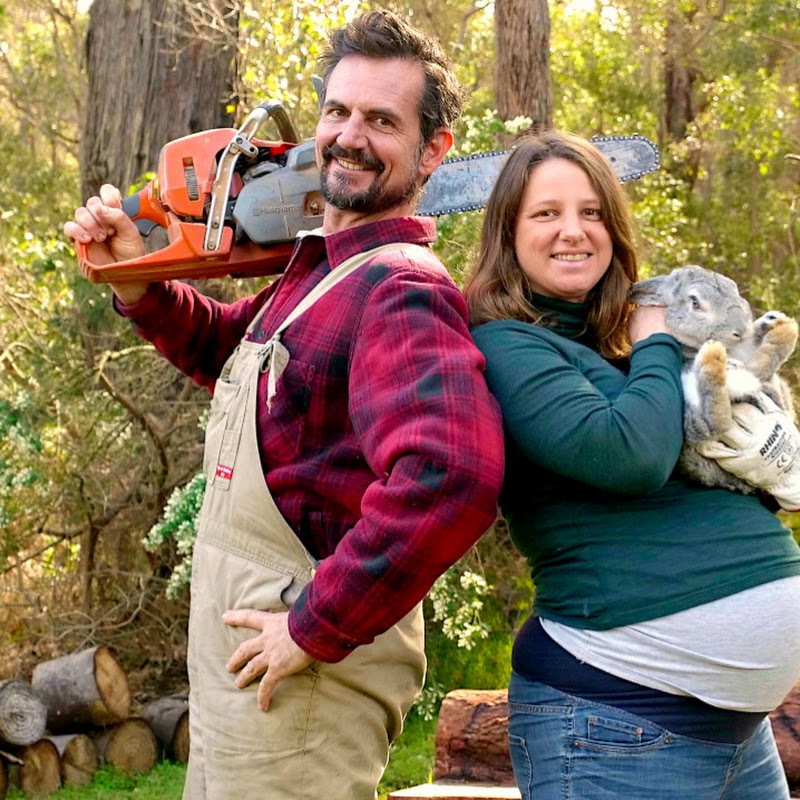
Troy and Pascale have returned to sea aboard a 44-ft Kelly Peterson cutter in Tasmania with their two daughters. Explore their transition from Australian homesteading back to offshore voyaging.
Channel Information:
Social Media Links:
This Was Supposed to Be an Easy Job... Location
- Margaret River, Western Australia, Australia (-33.4633,115.0611)
Latest Episodes from Free Range Living
Explore the most recent voyages. Subscribe to the channel to never miss an update!
Secrets of a Well-Maintained Sailboat
Troy tackles critical sailboat maintenance and restoration, addressing corroded window latches, failing windscreen glazing, and fuel tank upgrades on a Kelly Peterson Bluewater yacht.
This Was Supposed to Be an Easy Job…
Troy and Peter tackle a difficult repair on a 44-ft Kelly Peterson, replacing a seized bearing and correcting dangerous hardwired connections on a Marine Kinetics 400 wind generator.
We Bought a Blue Water Sailboat – Then we found this…
Troy and Pascale relocate their family to Tasmania to move aboard a 44-ft Kelly Peterson yacht, where Troy evaluates the vessel's storage, safety gear, and electrical systems.
We Sold Everything and Moved Aboard a Blue Water Sailboat
Troy and Pascale reflect on their transition from sailing the world to establishing a self-sufficient life on land, detailing their long journey from Manjimup to Hobart.
Why we stopped sailing | A trip down memory lane
Troy and Pascale look back on six years of voyages aboard Mirrool, explaining the shift from the open ocean to a life of radical self-sufficiency on their Western Australian ranch.