Why We Sail: (Episode 4)
Paul and Catherine bring their Hanse 415 sailboat Barlovento into the sheltered waters of Port Graves on Gambier Island, concluding their first summer of passages along the coast of southern British Columbia. Cruising in company with friends Scott and Melissa before heading out for late-season September day sails, the crew of Barlovento Sailing ease back into administrative and teaching careers while squeezing every available moment on the water.
Balancing full-time professions in their early 50s with family life, the couple view their 2014 Hanse 415 as a conscious commitment to experiential living. Reflecting on the quiet transition between work weeks and open water, Paul notes the singular reward of setting canvas: “When we are sailing and we turn off the engine and the wind fills the sails there’s no better feeling.”
Port Graves Anchorage and Howe Sound Day Sails
Dropping hook inside Port Graves on the eastern flank of Gambier Island, the crew finds peaceful holding following a busy weekend on Howe Sound. Catherine observes the thinning fleet across the harbor with Bowen Island resting on the distant horizon, noting: “There were 63 boats here last night lots of them have taken off.” The long protected inlet offers a quiet base for hiking ashore near the government dock and resting after passage making.
Underway during an afternoon run across the sound, the instruments register a steady boat speed of 5.4 knots under canvas. With the true wind speed holding at 12 knots, Barlovento tracks cleanly through the saltwater basin, providing comfortable sailing conditions before seasonal chill settles across the coast mountain range.
Winter Outflow Gales and Rigging Prep
As cold weather grips the region, weather conditions shift rapidly under the influence of strong outflow winds pushing through the mountain passes. In Squamish, northerly winds build to 35 knots with overnight temperatures dipping below freezing. To protect the vessel from storm strain, Paul and Catherine strip down the deck gear, removing the canvas bimini cover and unscrewing the stainless steel frame supports from their retention loops.
The hazards of winter anchorages become evident in Cattermole Slough, a narrow channel situated just west of the Squamish Yacht Club. Following several days of punishing outflow winds, 5 cruising sailboats in the transient anchorage are beached or sunk after dragging ground tackle in the exposed cut.
Year-Round Wet Storage and Climate Control in Squamish
Operating from Squamish Harbour at the northern head of Howe Sound presents distinct operational considerations compared to central and eastern Canada. While freshwater lakes freeze solid and force owners to haul out on the hard, southern British Columbia enables year-round wet storage at the dock. However, winter in the saltwater fjord brings severe cold snaps, with ambient temperatures dropping to -10°C and windchill reaching -20°C in sustained gusts.
To safeguard the interior against moisture and condensation during these freezes, the crew maintains active climate control aboard Barlovento. Running dedicated dehumidifiers and heaters throughout the winter keeps the cabin dry, prevents mold, and protects electrical systems from damp maritime air.
Custom 3D Printing for Transom Hardware
Rainy conditions dominate late winter, bringing Paul back down to the marina on February 21st to address unexpected deck maintenance. Testing newly acquired Helly Hansen foul weather jackets featuring internal wrist cuffs, hoods, and high fleece-lined collars, he inspects the stern. The protective cover for the emergency transom boarding ladder—a tubular housing containing a deployment rope ladder—went missing from its berth overnight.
Faced with a steep replacement quote from marine suppliers, Paul develops an alternative solution: “Rather than paying about 150 Canadian to order the replacement I’m going to try and design a cap or a new cover and have my son 3D print it for us.” After recording exact tube dimensions at the dock, he coordinates with his son to fabricate a custom polymer cap, demonstrating how modern additive manufacturing solves costly marine hardware replacements. The project concludes with a casual meal at Flip Side, enjoying a pineapple burger while planning the first spring shakedown cruise to shake out winter cobwebs.
| Metric | Recorded Value | Operational Context |
|---|---|---|
| **Anchorage Fleet** | 63 boats | Vessels anchored overnight in Port Graves |
| **Passage Speed** | 5.4 knots | Recorded boat speed during Sunday sail |
| **Passage Wind** | 12 knots | True wind speed registered on instruments |
| **Outflow Gale** | 35 knots | Northerly winds recorded in Squamish |
| **Winter Low Temp** | -10°C | Ambient temperature during winter cold snap |
| **Winter Windchill** | -20°C | Windchill factor during Squamish winter outflow |
| **Inspection Date** | February 21 | Calendar date of transom ladder measurement |
| **OEM Cap Quote** | 150 Canadian | Quoted replacement cost for transom ladder cap |
Frequently Asked Questions
In southern British Columbia, coastal West Coast waters remain milder than freshwater lakes in central and eastern Canada, allowing boats to stay in wet berths year-round while using heaters and dehumidifiers to combat winter temperatures down to -10°C and -20°C windchill.
Instead of ordering an OEM replacement cap for approximately 150 Canadian, Paul took field measurements of the transom tube on February 21 and had his son design and 3D print a custom cover.
During their late-season Sunday sail, the crew logged an underway speed of 5.4 knots in 12 knots of true wind speed.
Catherine noted that 63 boats were anchored in Port Graves on Gambier Island the night before, before most of the fleet departed.
Strong multi-day outflow winds blowing through Cattermole Slough west of the Squamish Yacht Club caused 5 transient cruising sailboats to drag and become sunk or beached.
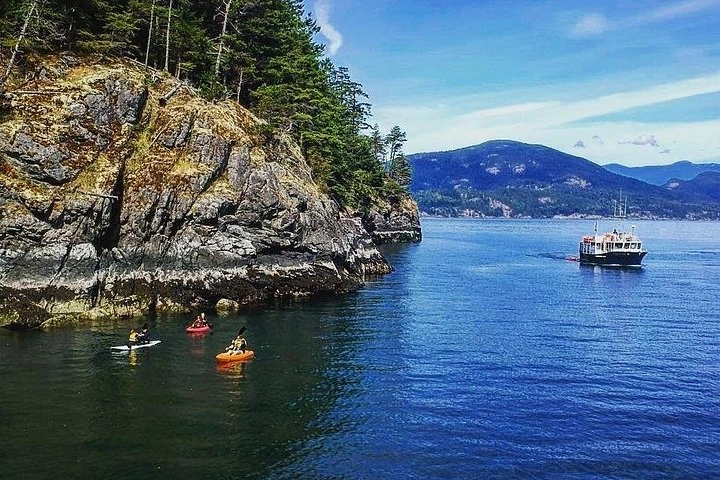
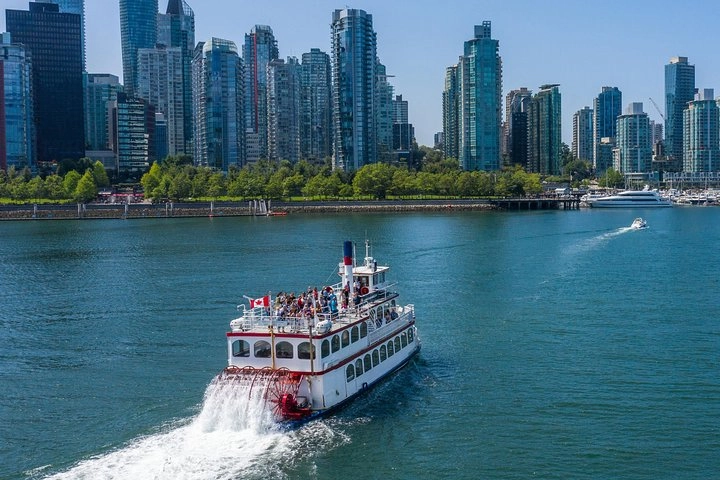
Book a trip where this was filmed — near Vancouver
Support Barlovento Sailing
At WeBoating.com, we profoundly acknowledge the unwavering dedication that Barlovento Sailing invests in crafting each and every video or voyage. Their passion for delivering exceptional ocean content shines through every frame, and it's a labor of love that deserves your attention.
We invite you to watch their captivating videos here and actively engage with their content, including their social media links above. Liking, commenting, and sharing their work goes a long way in fueling their creative fire.
We're also inviting you to explore the gear, sponsorships, and boat partnerships highlighted in the "Why We Sail: (Episode 4)" video description, or directly on YouTube. By engaging with these offerings or purchasing services and items, you directly support Barlovento Sailing, their collaborators, and the brands they're associated with.
To ensure you never miss an offshore update, consider visiting their official YouTube Channel to subscribe, like, and join their community directly.
If you have any feedback, corrections, or additional information about Barlovento Sailing or their videos, please use the comment form below to share your thoughts with us.
Thank you for being a part of our community and supporting the creators we cherish. Your time and support truly matter!
Barlovento Sailing
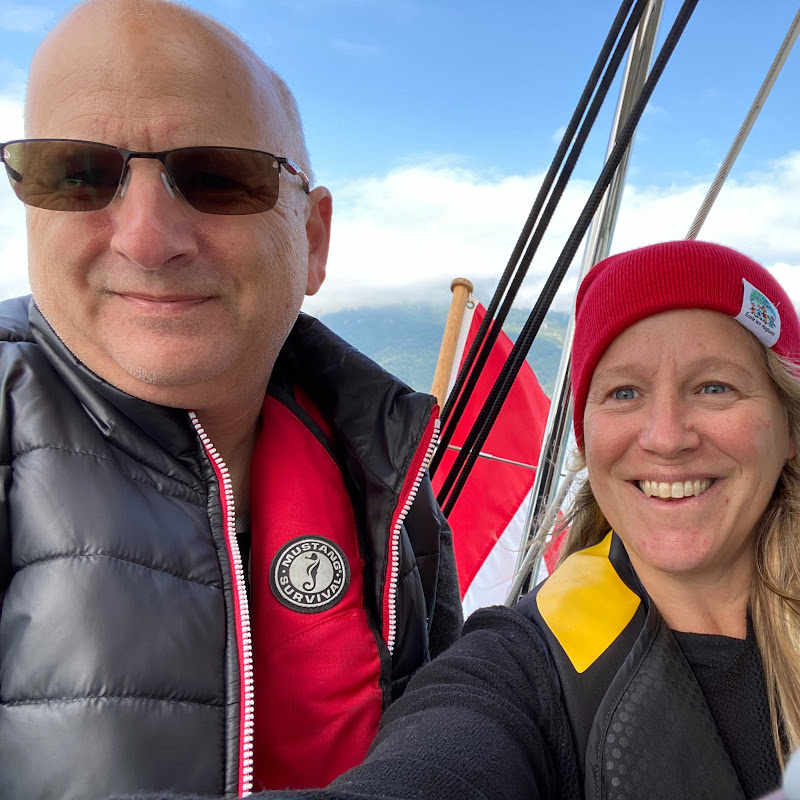
In 2026, Canadian sailors Paul and Catherine continue their cold-water coastal cruising aboard Barlovento, a 2014 Hanse 415 moored year-round at Squamish Yacht Club on Howe Sound, British Columbia. Stepping up from a decade aboard a 29-foot Ericson, the couple balances full-time education careers with summer expeditions to Desolation Sound and the Discovery Islands. Their channel documents practical boatyard repairs, lithium electrical upgrades, and the seamanship needed to navigate Pacific Northwest tidal gates.
Channel Information:
Social Media Links:
Why We Sail: (Episode 4) Location
- Port Graves, Gambier Island, British Columbia (49.463,-123.3613)
- Squamish Harbour, Howe Sound, British Columbia (49.6908,-123.1624)
Latest Episodes from Barlovento Sailing
Explore the most recent voyages. Subscribe to the channel to never miss an update!
Removing Sail Cars from Mast Track – 3D Printed Track Section
Kevin demonstrates a 3D-printed track tool aboard a 2014 Hanse 415 in British Columbia to remove mainsail cars without spilling loose ball bearings before delivering the sail to the loft.
Electrical Failure Solved and an Ice Cold Plunge (Episode 25)
A cruise to Gambir Island turns into a troubleshooting journey as Barlovento Sailing tackles a mysterious 12V failure, cockpit repairs, and bow gel coat work in Squamish.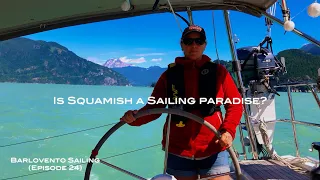
Is Squamish a Sailing Paradise? (Episode 24) 4K
Barlovento Sailing runs downwind through Howe Sound into Squamish in 22-knot winds before day sailing to Britannia Beach and hosting a family cruise.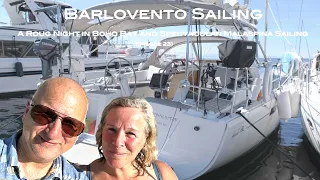
A Rough Night in Boho Bay and Spectacular Malaspina Sailing (Episode 23) 4K
Catherine and her partner sail Malaspina Strait on their Hanse 415, facing strong overnight gusts at Boho Bay on Lasqueti Island before finding shelter at Gambier Island.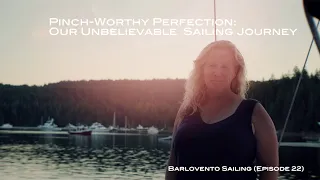
Pinch-Worthy Perfection: Our Unbelievable Sailing Journey (Episode 22)
Barlovento Sailing cruises from Harriet Bay on Quadra Island into Campbell River before setting anchor at Squirrel Cove on Cortes Island.