The Crossing That Tested Everything (700 Miles Fiji to New Caledonia) | FROM THE VAULT FLASHBACK
The 700-nautical-mile ocean passage between Fiji and New Caledonia across the Coral Sea is a formidable proving ground for cruising sailors. For Welsh brothers Luke and Adam of The Sailing Brothers, this South Pacific crossing marked a major milestone aboard their newly acquired SV Checkers, an English-built Prout Snowgoose 37 Elite catamaran. Having honed their blue-water seamanship aboard their former 34-foot monohull Atlas during a circumnavigation of the United Kingdom and an ocean voyage across the Atlantic and Pacific, the siblings stepped into multihull voyaging facing complex open-ocean dynamics.
Setting sail from western Viti Levu near Nadi, the crew encountered challenging South Pacific meteorology, navigating sudden wind accelerations, heavy quartering seas, and mid-passage squalls. This offshore passage tested every mechanical system aboard Checkers, highlighting the realities of short-handed sailing, aloft rigging repairs, active liquid ballasting, and demanding night barrier reef pilotage.
Departure Logistics and Rigging Remedies at Nadi
Before embarking on their 700-mile offshore passage making across the Coral Sea and South Pacific from Fiji to New Caledonia, The Sailing Brothers faced logistical delays and an unexpected rigging complication aboard SV Checkers in Nadi.
Outbound clearance required extensive administrative footwork. The brothers shuttled between government offices in Nadi to obtain customs and immigration stamps, pausing at a local bakery to provision traditional mutton pies. Preparing Checkers for departure, a mechanical snag occurred while hoisting their tender alongside the hull. The halyard slipped off its masthead sheave and jammed tightly against the mast box. Underway toward the outer reef, Luke ascended the mast aloft to manually clear the jammed cordage, freeing the halyard and securing the tender before meeting the open ocean.
Trade Wind Acceleration and Active Ballast Trimming
As The Sailing Brothers cleared the western reef passages of Fiji to commence their offshore passage making toward New Caledonia across the South Pacific Coral Sea, SV Checkers encountered sudden trade wind accelerations funneling around the mountainous island topography.
Local pressure gradients quickly pushed wind speeds over 20 knots, driving Checkers to seven knots over the ground. Luke tucked a single reef into the mainsail from the safety of the aft cockpit, utilizing the Prout’s single-line reefing system to depower the rig without hazardous foredeck work. To balance the vessel against sustained beam winds, Adam operated the reverse-osmosis watermaker, producing 40 liters of fresh water and routing it into the starboard tank. This active liquid ballasting stabilized the windward hull and eased motion through building chop.
During the initial ocean transit, the crew sighted a crossing catamaran flying a white spinnaker. The encounter revealed a navigational limitation: the target never appeared on their Automatic Identification System (AIS). A pushpit-mounted VHF antenna restricted their AIS broadcast and reception range to just two to three miles, emphasizing the critical role of continuous visual watchkeeping.
Quartering Seas, Hull Construction, and Shipboard Routine
Navigating the open expanses of the South Pacific Coral Sea between Fiji and New Caledonia, The Sailing Brothers settled into the grinding physical rhythm demanded by offshore passage making aboard SV Checkers.
By day three, 22-knot winds on the beam stirred steep three-meter swells that repeatedly slammed against the bridgedeck. Unlike lightweight plywood catamarans that flex under torsional stress, the solid fiberglass (GRP) construction of the Prout Snowgoose absorbed the wave impact with exceptional structural rigidity. Down below, ship’s cat Nebby rested comfortably in a secure saloon nook, while a brown booby nicknamed “Brownie” hitched a ride on the solar panel arch.
Galley routines provided essential morale amid the rolling seas. Luke baked a “banana bliss” cake, conserving provisions by substituting water and using a single egg, followed by a hot dinner of chicken mince simmered in butter curry sauce. Marking an ancient maritime tradition, the crew dropped a five-cent Fijian coin into two-thousand-meter-deep waters to invoke good fortune for the remainder of the transit.
The Blue Hole, Squall Fronts, and Lazy Jack Failures
The meteorological complexity of offshore passage making across the Coral Sea from Fiji to New Caledonia tested The Sailing Brothers when SV Checkers transitioned from a calm South Pacific weather window directly into an aggressive squall system.
Mid-passage synoptic charts showed a transient “blue hole” of light air where wind dropped to seven knots, prompting the brothers to shake out reefs and set full working sails. That calm proved fleeting when the leading edge of a developing low-pressure trough struck after dark. Wind velocities spiked over 25 knots in driving rain, jolting the off-watch crew from their bunks. Scrambling to shorten sail, the crew discovered a serious deck hardware hazard: mainsail battens repeatedly fouled in the lazy jacks, preventing the canvas from dropping onto the boom. After wrestling the sail down, the brothers condemned the lazy jack cradle as an offshore liability destined for removal upon landfall.
Confronting steep breaking waves, the crew hove-to under a double-reefed mainsail and a scrap of genoa, centering the rudders to lock the catamaran into a gentle drift. Surviving on 20-minute catnaps on the salon settee, the exhausted sailors maintained visual vigilance until daylight brought moderate trade winds.
Barrier Reef Landfall and Nouméa Night Pilotage
After days of relentless ocean sailing across the South Pacific Coral Sea from Fiji, The Sailing Brothers sighted the mountainous profile of New Caledonia, concluding the open-water phase of their 700-mile offshore passage making aboard SV Checkers.
Closing the southern barrier reef, the crew entered the intricate waterways of Passe de la Havannah and the Canal Woodin approach. Strong tidal races and commercial shipping required heightened vigilance as darkness fell. Operating on extreme sleep deprivation, Luke and Adam instituted an intense one-hour watch rotation, tracking navigation beacons, radar contacts, and shallow coral heads along the inside fairway.
At 03:00 hours, Checkers set her anchor in the sheltered mud of Port Moselle harbor in Nouméa, completing the 700-mile crossing in five days and four hours with an overall average speed of 5.6 knots. With the vessel secure, the brothers celebrated the seaworthy durability of their multihull before executing a cheeky final task: concealing their prized remaining Fijian cheese in a remote bilge locker prior to morning quarantine inspections.
Passage Telemetry and Vessel Performance Log
A comprehensive forensic log documenting key vessel telemetry, mechanical systems reliability, and meteorological shifts recorded by The Sailing Brothers aboard SV Checkers during their 700-mile offshore passage making across the South Pacific Coral Sea from Fiji to New Caledonia.
| Passage Metric & System | Recorded Data & Observation | Operational Impact & Seamanship Action |
|---|---|---|
| Total Passage Distance | 700 nautical miles across open ocean | Shaped southwest course across the Coral Sea from Nadi to Nouméa |
| Vessel & Propulsion | Prout Snowgoose 37 Elite Catamaran | Single steerable Sonic drive leg and low-aspect cutter rig |
| Average Velocity Made Good | 5.6 knots overall passage speed | Maintained consistent hull speed under double-reefed main and staysail |
| Peak Meteorological Wind | 25–28 knots, gusting 30+ knots in squalls | Tucked single and double reefs early to protect rigging and deck fittings |
| Coral Sea Swell Profile | 2.5 to 3.5 meter steep beam swell | Induced bridgedeck slamming; cushioned by solid fiberglass GRP hulls |
| Freshwater Ballast Management | 40 liters generated via onboard RO watermaker | Filled starboard hull water tank to optimize multihull weight and reduce heel |
| AIS & Electronic Watch | Low pushpit-mounted antenna (2–3 NM range) | Encountered blind spot with crossing spinnaker cat; relied on visual lookout |
| Mainsail Handling Hardware | Cockpit single-line reefing and lazy jacks | Battens snagged in lazy jacks during midnight squall; marked for removal |
| Barrier Reef Navigation | Passe de la Havannah & Canal Woodin approach | Executed strict one-hour night pilotage watch to clear commercial traffic |
| Harbor Anchor & Mooring | Port Moselle harbor anchorage, Nouméa | Safely dropped anchor at 03:00 hours; secured ship for biosecurity inspection |
Frequently Asked Questions
Key seamanship, meteorological, and technical inquiries regarding The Sailing Brothers navigating SV Checkers during their demanding 700-nautical-mile offshore passage making across the South Pacific Coral Sea from Fiji to New Caledonia.
The 700-mile crossing between Fiji and New Caledonia requires a stable 4-to-6-day weather window with moderate east-to-southeast trade winds (15-20 knots) and high-pressure stability. Cruisers must avoid developing low-pressure troughs, mid-passage depressions with localized blue holes that trigger violent squalls, and winter frontal compressions that generate steep beam seas across the Coral Sea.
The Prout Snowgoose 37 Elite features a solid fiberglass (GRP) hull with a low-profile rig and low center of gravity. While steep 3-meter beam seas create loud bridgedeck slamming when sailing close-hauled, the vessel exhibits immense structural stiffness without torsional flexing, tracking comfortably when cracked off onto a broad reach or eased into a heave-to configuration.
In squalls and turbulent winds, full-length mainsail battens easily snag on the cradle lines of lazy jacks when hoisting or dropping the sail off the wind. This jamming prevents immediate depowering of the mainsail, creating dangerous aloft snags and forcing crew members onto the cabin top in heavy seas. Many offshore sailors remove or slacken lazy jacks entirely during long ocean passages.
Short-handed crews of two sailors typically maintain a structured watch system of 3 to 4 hours during the day and 2 to 3 hours at night. During high-traffic transits or reef navigation, watches compress to alternating one-hour shifts. When heavy weather or emergency reefing disrupts regular sleep cycles, short 20-minute settee naps allow the off-watch crew member to stave off severe cognitive exhaustion.
New Caledonia’s outer barrier reef channels, such as Passe de la Havannah, present powerful tidal currents exceeding 4 to 5 knots, standing waves when swell opposes outgoing tide, and unlit coral heads. Entering these passes requires calculating slack water, daylight arrival whenever possible, or careful radar and GPS navigation through designated commercial shipping corridors toward Nouméa.
Unlike monohulls with weighted lead keels, catamarans rely on form stability. Transferring freshwater or fuel ballast into windward hull tanks increases righting moment and dampens leeward heeling tendencies during sustained beam reaches. Proper weight distribution also prevents bow-stuffing and eases motion when quartering across steep oceanic swells.
Yachts arriving in New Caledonia must proceed directly to the designated port of entry at Port Moselle in Nouméa, flying the yellow Q flag. Skippers must contact the Port Captain on VHF Channel 67 or 16, anchor in the quarantine zone or proceed to the quarantine dock, and clear customs, immigration, and strict biosecurity inspections regarding foreign meat, honey, and dairy products.
Book a trip where this was filmed — near Viti Levu
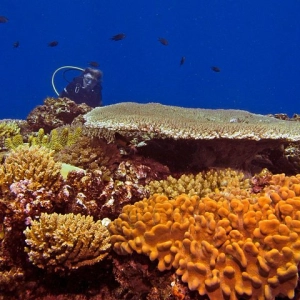
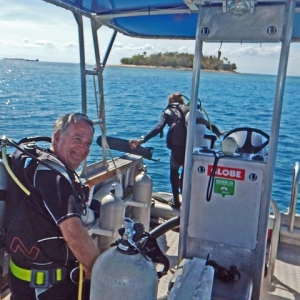
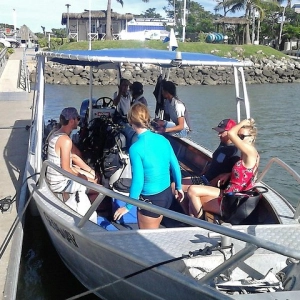
Certified Scuba Diving with Whitetip Marine Adventures team
Sold by Whitetip Marine Adventures - Fiji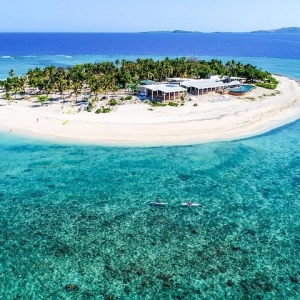
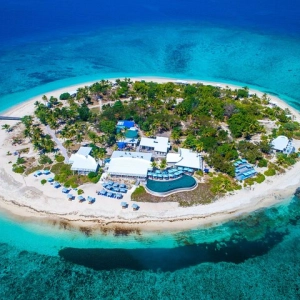
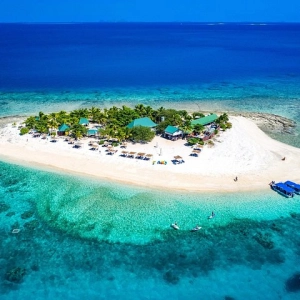
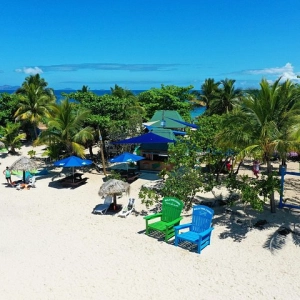
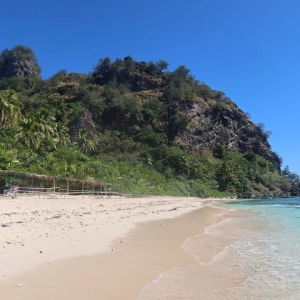
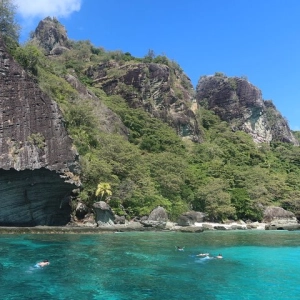
Cruisin’ Fiji: Monuriki, Mana Sand Bar & Snorkelling Day Cruise
Sold by Cruisin Fiji PTE Limited
Support The Sailing Brothers
At WeBoating.com, we profoundly acknowledge the unwavering dedication that The Sailing Brothers invests in crafting each and every video or voyage. Their passion for delivering exceptional ocean content shines through every frame, and it's a labor of love that deserves your attention.
We invite you to watch their captivating videos here and actively engage with their content, including their social media links above. Liking, commenting, and sharing their work goes a long way in fueling their creative fire.
We're also inviting you to explore the gear, sponsorships, and boat partnerships highlighted in the "The Crossing That Tested Everything (700 Miles Fiji to New Caledonia) | FROM THE VAULT FLASHBACK" video description, or directly on YouTube. By engaging with these offerings or purchasing services and items, you directly support The Sailing Brothers, their collaborators, and the brands they're associated with.
To ensure you never miss an offshore update, consider visiting their official YouTube Channel to subscribe, like, and join their community directly.
If you have any feedback, corrections, or additional information about The Sailing Brothers or their videos, please use the comment form below to share your thoughts with us.
Thank you for being a part of our community and supporting the creators we cherish. Your time and support truly matter!
Sailing 700 Miles Across the Open Ocean: Fiji to New Caledonia
Eighteen months ago, we set sail on one of our biggest offshore challenges yet—a 700-mile ocean crossing from Fiji to New Caledonia. We’ve combined two full episodes into this ultimate long-format video so you can experience the entire journey from start to finish!
As relative newcomers aboard our "new-to-us" catamaran, this passage put everything to the test. From unpredictable weather shifts and massive, rolling seas to the constant mental ups and downs of life offshore, we faced all the trials and tribulations that come with open ocean sailing.
Grab a drink, settle in, and join us for the raw, unfiltered journey across the South Pacific!
Thank you to all our subscribers, without you the channel would not exist!
A huge thank you to all our incredible Patrons for making this adventure possible
We love to read and reply to all your comments!
If you enjoyed the episode give it a like, share and please subscribe
Thanks for watching, hope you are enjoying the episodes
Boat details
Our boat is a Prout Snowgoose 37 Elite Catamaran built in England
Up-dates in realtime
https://www.facebook.com/share/1CdhGtvMPp/
We would love your help for us to continue this adventure around the world!
Join our exclusive club for big benefits or help in other ways by sending a donation
JOIN OUR CLUB OR TIP US A CHEESE
https://ko-fi.com/thesailingbrothers60713
PAYPAL TIP JAR https://www.paypal.com/paypalme/TheSailingBrothers
MORE SUPPORT
https://www.patreon.com/TheSailingBrothers
Join our exclusive Patron club
https://www.patreon.com/TheSailingBrothers
#ocean
#sailingoffshore
#Catamaran
#sailingaroundtheworld
#water
#openoceansailing
#fiji
Disclaimers and copyrights :
All video content on this channel/page is copyright and must not be used without permission.
All music used in this series is original or, free to use, royalty free, used with permission. No copyright infringements intended.
All statements are personal opinions and need not necessarily represent fact.
music played in order
Music by LiQWYD: Young Love
http://www.soundcloud.com/liqwyd
http://www.bit.ly/liqwyd-youtube
http://www.instagram.com/liqwyd
http://www.spoti.fi/2RPd66h
http://www.apple.co/2TZtpeG
http://www.patreon.com/LiQWYd
5 Min Call by Lakey Inspired (https://soundcloud.com/lakeyinspired) Artist: Lakey Inspired ➪ https://goo.gl/u794aT
All other music in this episode is provided by Epidemic Sound

The Sailing Brothers
Luke and Adam: The Welsh brothers who traded supermarket shifts for a global odyssey, currently navigating the Queensland coast aboard their new Prout Snowgoose 37 catamaran.
Channel Information:
Social Media Links:
The Crossing That Tested Everything (700 Miles Fiji to New Caledonia) | FROM THE VAULT FLASHBACK Location
- Port Denarau Departure Fairway, Nadi, Fiji (-17.77,177.38)
- Port Moselle Marina & Harbor Fairway, Noumu00e9a, New Caledonia (-22.27,166.44)
Latest Episodes from The Sailing Brothers
Explore the most recent voyages. Subscribe to the channel to never miss an update!
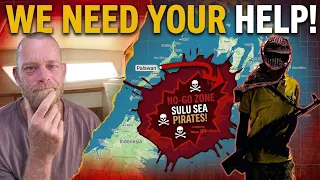
Can We Sail Out Of The Philippines Without Facing Pirates?
Luke and Adam motor 29 miles along the Philippine coast aboard Checkers, reassessing their route to Indonesia to avoid piracy in the South Sulu Sea.
Our First Philippines Sail Was a Disaster!
Episode 291 We’re finally leaving Surigao and set off on our very first sailing passage in the Philippines! 🌊 We set off for a 30 mile passage to Hinundayan but things don't go quite as planned as currents and head-winds put up a serious fight, forcing us to turn back. Instead, we change cour...
Channel update From The Philippines
Hey all Check out this channel update here from the Philippines. Updates on what's happened and future plans. Thank you to all our subscribers, without you the channel would not exist! A huge thank you to all our incredible Patrons for making this adventure possible We love to read and reply...
Sailing to the Philippines: A Eye-Opening First Impression
Episode 290 After an intense 700-nautical-mile passage from Indonesia, we’ve officially arrived and checked into the Philippines! 🇵🇭 In this episode, we step ashore to begin exploring our very first stop in the country. While wandering beyond the main city area, we stumbled upon a unique water com...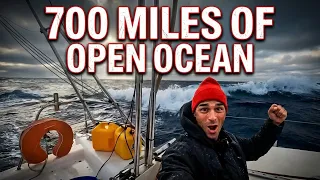
The Crossing That Tested Everything (700 Miles Fiji to New Caledonia) | FROM THE VAULT FLASHBACK
The Sailing Brothers navigate a demanding 700-nautical-mile ocean passage aboard SV Checkers from Fiji to New Caledonia, confronting beam-sea gales, rigging failures, and tricky night reef pilotage.