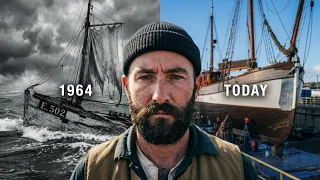
The Future Of Global Shipping Is Sailing. (Again)
The global shipping industry is currently locked in a world built around the combustion of steam and diesel, a system designed for a world that does not wait for the wind. This reliance on fossil fuels has made sail power largely obsolete for cargo, creating significant regulatory and legal hurdles for those attempting to return to the wind. However, as detailed by SailorBarry, the tide is shifting due to urgent environmental mandates. The International Maritime Organization has established targets to reduce global shipping emissions 20% by 2030, with the ultimate goal of reaching net zero by 2050. These requirements are placing sail power back at the center of the conversation regarding how goods move across the ocean.
The Logistics of a Sail Cargo Revival
Bringing a 1934 wooden ship back to life is a massive undertaking that extends far beyond simple carpentry. Barry Collins explains that the project is currently funded entirely through the internet and the community, as his efforts to secure government and industry support in Canada over the last week yielded no results. The complexity of the venture is compounded by the fact that the team is simultaneously launching a shipping company, a media company, and a tequila company to sustain the operation. Regarding the difficulty of the task, Barry Collins notes: “It’s a bureaucratic nightmare. It’s a logistical nightmare, and it’s expensive as hell”.
The technical expertise on board is critical for such an ambitious restoration. The crew includes Nathan, a merchant mariner and cargo sailor, and Caleb, who has been a fine carpenter since the age of 14 and possesses approximately 20 years of experience in the trade. Their collective background aligns with a broader global movement to revive sail cargo, with the crew citing experience and connections to initiatives such as Seava in Costa Rica, Hvidan in Denmark, and Tres Hombres in the Atlantic. Despite the daunting nature of the work, Caleb asserts: “It doesn’t matter what the hardest thing is to do because we’re just going to do it”.
Shop Infrastructure and Technical Hurdles
Before the ship could be restored, the team had to address the chaos of their workspace. After unloading the vessel, the team spent an exhausting period reorganizing the shop. While they initially estimated the cleanup would take 2 weeks, the process proved more demanding. This reorganization was a necessary turning point, as a clean shop allowed for the introduction of new tools. Barry Collins points out that the shop floor is an absolute roller coaster, a structural flaw that makes it impossible to get the work tables perfectly level.
Among the new additions to the shop is a custom tool Caleb calls a Franken table. This setup combines a job site table saw and a router lift with a custom plywood dust collector. To ensure efficiency, the team implemented a custom baffle and conical separator, which prevents the filter bag from filling too quickly with heavy chips.
Beyond the shop, the team is integrating modern technology to document their progress. Barry Collins tested the HOVERAir AQUA waterproof drone, launching it directly from the water in 40 knots of wind and rain. The drone is capable of capturing footage at 50 frames per second, providing a stable way to gather high-frame-rate imagery without the risks associated with traditional drones in harsh maritime environments.
Preparing for a New Age of Sail
The drive to restore the 1934 wooden ship is rooted in the belief that the world will eventually be forced to pivot away from diesel. The goal is to establish the infrastructure—the ships, the mariners, and the tradespeople—before the transition becomes a crisis. Barry Collins emphasizes the urgency of this preparation, stating: “If we wait until we need sail cargo, we’ll have waited too long”.
The project serves as a bridge between traditional maritime skills and modern environmental needs. By combining the expertise of a merchant mariner and a fine carpenter, the team is attempting to prove that sail cargo is a viable alternative for the future social and international ecosystem. While the path is fraught with bureaucratic and financial challenges, the team views the current moment as the only time to begin the legwork required to make wind-powered shipping a ubiquitous phenomenon once again.
Frequently Asked Questions
The world built its shipping industry around steam and diesel power, which removed the need to wait for wind, creating a system where sail became obsolete.
The International Maritime Organization’s targets to cut emissions by 20% by 2030 and reach net zero by 2050 are making sail power a viable option again.
Since Barry had no luck finding government or industry support in Canada, the project is funded through the internet.
Book a trip where this was filmed — near Vancouver




Support SailorBarry
At WeBoating.com, we profoundly acknowledge the unwavering dedication that SailorBarry invests in crafting each and every video or voyage. Their passion for delivering exceptional ocean content shines through every frame, and it's a labor of love that deserves your attention.
We invite you to watch their captivating videos here and actively engage with their content, including their social media links above. Liking, commenting, and sharing their work goes a long way in fueling their creative fire.
We're also inviting you to explore the gear, sponsorships, and boat partnerships highlighted in the "The Future Of Global Shipping Is Sailing. (Again)" video description, or directly on YouTube. By engaging with these offerings or purchasing services and items, you directly support SailorBarry, their collaborators, and the brands they're associated with.
To ensure you never miss an offshore update, consider visiting their official YouTube Channel to subscribe, like, and join their community directly.
If you have any feedback, corrections, or additional information about SailorBarry or their videos, please use the comment form below to share your thoughts with us.
Thank you for being a part of our community and supporting the creators we cherish. Your time and support truly matter!
Why don’t cargo ships have sails anymore? And what would it take to bring them back?
We burn fuel to move almost everything we transit across oceans. I want to know what it actually takes to move cargo by wind again, so we bought a 1934 wooden ship and got to work.
In this episode, Kaleb and Nathan tell the stories of how they got here and why they’re putting so much of themselves into sail cargo. We walk through the shop, get into how we catch planer chips with a plywood dust collector, and turn a belaying pin. Somewhere in the middle of doing the year-end books, I take a step back and talk about how the shop came together and why we’re doing any of this in the first place.
This episode is sponsored by HOVERAir. I took the HOVERAir AQUA, a waterproof self-flying camera, out on the water and filmed it flipping upright and taking off from the surface. I also show the wearable Lighthouse controller.
HOVERAir AQUA: https://hoverair.com/pages/aqua
HOVERAir Amazon Black Friday deals: up to 25% off, November 19–30: https://dada.link/8B7Nbs
@HOVERAir_official
#HOVERAir #HOVERAirAQUA
If you want to help us get Lady Hawk back to work and bring our first cargo home under sail, join the Founders Circle: https://marinerspirit.com
0:00 The future of sail cargo
1:45 Meet the team
5:25 Establishing the workshop
8:24 Shop machinery and tools
10:38 Hover Air drone demo
13:49 Advanced shop customization
17:24 Precision joinery and lathes
23:37 Moving forward
SailorBarry
Join Barry Collins of SailorBarry as he documents his high-authority transition from historic vessel restoration to reviving sail-powered cargo aboard his 85ft flagship.
Channel Information:
Social Media Links:
The Future Of Global Shipping Is Sailing. (Again) Location
- Vancouver, British Columbia, Canada (49.2827,-123.1207)
Latest Episodes from SailorBarry
Explore the most recent voyages. Subscribe to the channel to never miss an update!
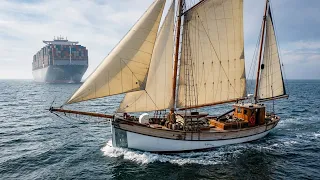
The Future Of Global Shipping Is Sailing. (Again)
Professional mariner Barry Collins and his crew discuss the environmental necessity of returning to wind-powered trade and the challenges of securing industry support for sail cargo.
The Weirdest Part Of Owning A Haunted Ship
Barry Collins sails the 1934 wooden ship Lady Hawk from Cortes Island to the Victoria Wooden Boat Show, trading kitchen shifts for pizza on Hornby Island and repairing the transom seams.
I Bought a Huge Project Boat and Sailed It Hundreds of Miles
Get an exclusive 15% discount on Saily data plans! Use code sailorbarry at checkout. Download Saily app or go to I bought a US$100,000 fishing boat that’s nearly a century old. The restoration isn’t finished, but we’re going sailing, and taking the work with us. Lady Hawk is 85 feet long and weig...
We Thought the Deadline Was Our Biggest Problem
We’re down to the wire on Lady Hawk. With only days left before we set sail, the stern still needs to come back together. In this episode we push through the final pieces of the rebuild, look ahead to three weeks under sail, but just as the deadline closes in, a fire breaks out at the marina. Read...
Rebuilding a Ship the North Sea Tried to Destroy
Join the Founders Circle and become part of the story at: A shipwreck, a survival story, and sixty years of damage. As we rebuild Lady Hawk’s stern using traditional shipwrighting techniques and hand-forged tools, we uncover signs of just how much this old wooden ship has changed over time. Mean...