What you can't see could sink your boat! Sailing and Fun ( and maintenance) Watch preview at vid end
Maintaining a customized cruising catamaran requires a constant battle against the elements, especially when dealing with specialized materials that offer strength but demand specific care. To tackle the cloudy oxidation on their windows, Cap’n Ran and T demonstrate a restoration process that balances heavy-duty sanding with fine polishing, as seen on Sailing And Fun. While the crew reflects on recent adventures in the Atlantic Ocean, including swimming with sharks at the reef and being inked by a cuttlefish, they pivot to the critical task of restoring visibility to their vessel’s front-facing windows.
The Properties of Lexan Polycarbonate
The windows on the catamaran are constructed from Lexan polycarbonate, a material chosen for its extreme durability. Cap’n Ran explains that this material is the same type used in bulletproof glass vehicles and racing car windshields because it resists cracking or splitting when struck by debris or heavy waves. Regarding the choice of material, Cap’n Ran notes, “The strength is definitely something that’s good on a sailboat for front facing windows”.
However, this strength comes with a trade-off in surface sensitivity. Lexan is highly susceptible to scratches, to the point where even a paper towel can leave a mark. Over time, the material also suffers from oxidation, which creates a cloudy, yellowed film that obscures vision. Describing this degradation, Cap’n Ran says, “The downside is it oxidizes over time so it gets have a film or cloudy coating”. To prevent further damage, the crew advises using soap, water, and a squeegee for regular cleaning, warning against wiping the surface with any material containing dirt.
The Restoration and Polishing Process
The restoration begins with a cautious initial cleaning. Cap’n Ran and T use wet paper towels to remove all large debris and dirt. This step is vital to ensure that no grit is rubbed into the surface during the sanding phase, which would result in deep, permanent scratches.
For the actual restoration, the crew utilizes the Meguiar’s Heavy Duty headlight restoration kit. They specifically chose the heavy-duty version after finding that a light-duty kit provided minimal results. The process follows a strict progression of grits:
First, they apply 1000 grit sandpaper, using the red disc. This is a wet sanding process where the 1000 grit provides the necessary bite to lift the yellow oxidation film. Cap’n Ran employs aggressive pressure initially, moving in left-to-right overlapping swoops, until a yellow, toothpaste-like material appears, signaling that the oxidation is lifting.
Once the oxidation is removed, they transition to 3000 grit sandpaper. This finer grit is used to remove the scratches left behind by the previous step. The crew continues the overlapping swoops until the surface feels slick and no more material is lifted.
The final stage is the application of a polish. This step takes approximately 10-15 minutes of work to transform the surface from a cloudy, rough texture to a mirror finish. While the kit includes a clear liquid sealer, the crew decided to omit it from the final demonstration. Explaining the decision, Cap’n Ran states, “I applied the sealer which is a clear liquid and and I did not like the results”.
Anchoring Safety and Holiday Plans
Amidst the maintenance, the conversation shifts to the importance of proper ground tackle. Cap’n Ran observes that some larger boats use undersized day-use anchors that are only suitable for short-term monitoring. He emphasizes that for those who intend to stay put during inclement weather, a more substantial setup is required. On the subject of security, Cap’n Ran notes, “If you want to sleep well during the storm at night you just need a bigger anchor”.
With the windows restored to a sparkling clear state, the crew looks forward to the upcoming holiday season. Their future plans include decorating the customized cruising catamaran for Christmas and heading further into the Florida Keys. The itinerary includes dolphin spotting and a visit to Sombrero Beach in Marathon to celebrate the holidays on the water.
Frequently Asked Questions
They are used for their strength; they won’t crack or let water in if hit by metal, debris, or a big wave.
The crew used the Meguiar’s Heavy Duty headlight restoration kit.
Use a squeegee and soap and water, and ensure you do not wipe them with anything containing dirt.
Book a trip where this was filmed — near Key West
Support Sailing And Fun
At WeBoating.com, we profoundly acknowledge the unwavering dedication that Sailing And Fun invests in crafting each and every video or voyage. Their passion for delivering exceptional ocean content shines through every frame, and it's a labor of love that deserves your attention.
We invite you to watch their captivating videos here and actively engage with their content, including their social media links above. Liking, commenting, and sharing their work goes a long way in fueling their creative fire.
We're also inviting you to explore the gear, sponsorships, and boat partnerships highlighted in the "What you can't see could sink your boat! Sailing and Fun ( and maintenance) Watch preview at vid end" video description, or directly on YouTube. By engaging with these offerings or purchasing services and items, you directly support Sailing And Fun, their collaborators, and the brands they're associated with.
To ensure you never miss an offshore update, consider visiting their official YouTube Channel to subscribe, like, and join their community directly.
If you have any feedback, corrections, or additional information about Sailing And Fun or their videos, please use the comment form below to share your thoughts with us.
Thank you for being a part of our community and supporting the creators we cherish. Your time and support truly matter!
Sailing And Fun
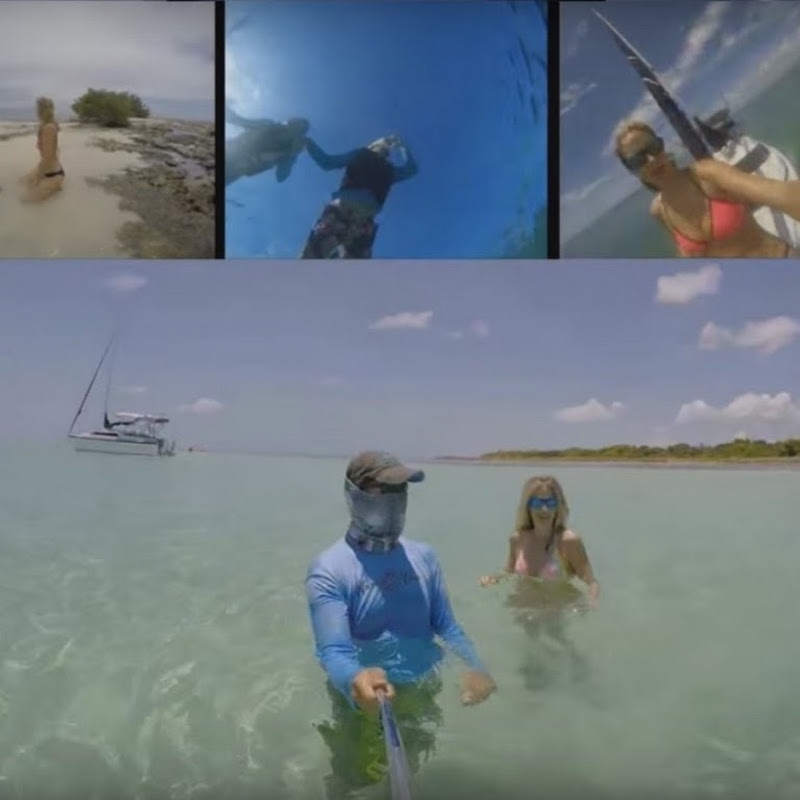
Sailing And Fun follows Cap'n Ran and T aboard their customized catamaran as they explore the Florida Keys. Discover sandbar anchorages, shallow-draft island hopping, and candid DIY boat refits.
Channel Information:
Social Media Links:
What you can't see could sink your boat! Sailing and Fun ( and maintenance) Watch preview at vid end Location
- Marathon, Florida, USA (24.6511,-81.4358)
Latest Episodes from Sailing And Fun
Explore the most recent voyages. Subscribe to the channel to never miss an update!

🏝️Swinging in Key West 🏝️- S&F
I think this has to be our favorite island yet! The sandbar goes on for miles and the island offers us not just shaded beauty but a playground to boot. A few miles off of Key West sits this paradise in the clear waters of the Florida Keys but you need your own boat or at least a rental to get there....
Close Encounter of the Deadly Kind 🦈 Sailing & Fun
🚩🚩🚩Socials links below It's a reef day baby! This day was absolutely spectacular off Key West. We did, however, have one visitor that we could have done without. It's not unusual for us to spot and swim around sharks but this guy was looking for something tasty.
⛵Electric Green Sea⛵ sailing and fun
🚩🚩🚩Socials links below So much of our time is spent on sandbars, beaches and at the reef that you forget this is a sailboat so today we take advantage of the light winds and float atop the beautiful electric green waters of the Florida Keys/ Key West.
A Rocky Start & Finish
🚩🚩🚩Socials links below This island really shows the diversity in the Keys. It's been hit several times by hurricanes and had all of its mangroves ripped out but we found a lot of beauty left to explore. The bonus was, because we had the island to ourselves for most of the day, Dixie got to fin...
🪙 Cap’n finds Booty at the Reef🪙😜
🚩🚩🚩Socials links below Here's one of those beautiful snorkeling days in Key West Florida we promised. We hit a new mooring out at Eastern Dry Rocks and have the perfect setup of sun, low tide at noon, great water clarity and beautiful underwater scenery.