The Reality of Sailing Around the World Is Setting In
Eleven days after departing Port Townsend, Washington, on October 2nd, 2026, for a 30,000-mile solo nonstop circumnavigation aboard his Pacific Seacraft 40, Phoenix do Mar, Oliver Widger approaches the doldrums as a hurricane begins forming near the bottom of Mexico. Documenting the eight-month continuous passage on Sailing With Phoenix | Oliver while raising awareness for Klippel-Feil syndrome (KFS), Oliver weighs two possible outcomes from the developing storm: either its peripheral winds blast the boat cleanly through the convergence zone, or it forces him to heave to and wait for the system to pass, adding time to the voyage and leaving him stuck in calms.
With the major mechanical issues from the first 11 days resolved, the initial thrill of departure is beginning to fade into the daily routine of endurance, maintenance, and troubleshooting. Sheeted in slightly on the main to prevent the mainsheet from rubbing against the genoa line, Oliver focuses on preserving his rigging for the months ahead.
“You let your guard down for a second, and then something’s chafing.”
— Oliver Widger
Oscillating Night Winds, Hydrovane Balance, and Life Below Deck
Sleep proves scarce during a restless night where the breeze refuses to stay steady. Rather than shifting direction, the wind cycles every 30 minutes from 20 knots down to 3 knots and back up to 20 knots. When Oliver balances the sails and rudder for 18 knots, the Hydrovane self-steering runs smoothly, but each time the breeze drops to 5 knots, the Hydrovane loses balance and Phoenix do Mar veers off course until the sails backwind, forcing him back into the cockpit to reorganize the lines.
Below deck, conditions have improved dramatically since Oliver located and sealed a hull leak that had previously let saltwater inside and soaked his socks. While the forward cabin temporarily serves as a storage room, he sleeps in the saloon berth with his feet poking out through a gap at the end of the cushion. For company over the past 6 days, he has kept a stowaway beetle in a small makeshift terrarium, feeding it slices from his fresh apple rations.
Towing a Cushion Grab Line and Day 13 Provisioning Lessons
Addressing viewers who notice him lounging in the cockpit without a tether in flat seas, Oliver explains that he always clips into a harness whenever he goes forward for pole work or rigging adjustments. As an added safeguard in light air when the boat is moving slowly enough to climb back aboard using the Hydrovane frame as a ladder, he rigs a trailing dock line astern. Because he forgot to pack a dedicated fender to float the line, he ties one of his four cockpit cushions to the end of the rope to keep it on the surface and act as a visual distance marker if he ever goes overboard.
As day and night temperatures climb, Oliver fires up the microwave to heat one of the last fresh meals from his refrigerator: beef tips and gravy. Reflecting on his galley setup on day 13, he wishes he had stocked the fridge very differently before leaving Port Townsend.
“I made a big mistake there on the fresh food department, the food that goes in the fridge at least. Should have gotten more microwaveable stuff.”
— Oliver Widger
Under sunny skies, the solar array generates ample power to run the microwave and Starlink, though overcast days tighten the energy budget. Oliver notes that if his hydrogenerator were ever to fail, he would have to shut off Starlink to conserve battery power. Looking ahead to the huge swells of the Southern Ocean—where boiling water on the stove will be difficult—he expects to rely heavily on granola bars and potato chips. Showing far more restraint than on his previous passage, when he finished all of his potato chips within the first 3 days, he has only eaten two bags by day 13.
Daily Foredeck Inspection: Neon Zip Ties, Wire Locks, and Electronics Cooling
Sailing comfortably under all working sails with one reef in the mainsail and minimal swell, Oliver straps on a head-mounted camera to walk through his daily deck inspection routine:
- Clearing the Side Decks: Removing flying fish that landed on both side decks overnight.
- Traveler and Rigging Pins: Checking the mainsheet traveler pins and inspecting the neon-colored zip ties secured through the clevis pins—a visual trick recommended by his advisor, Drum, so any pin starting to back out is immediately obvious.
- Chafe and Foredeck Hardware: Inspecting minor contact points on the lines, verifying the wire-locked pins at the bow, visually confirming the bobstay pin near the waterline, and checking the back of the mainsail for wear.
- Self-Steering and Cabin Ventilation: Checking the Hydrovane mounting hardware astern and keeping the head door lashed open with string so air circulates around the Starlink router and solar charge controllers mounted inside the bathroom.
Code Zero Transitions, Circling Albatrosses, and Squall Vigilance
After losing the wind completely around 3:00 in the morning and listening to the sails flog in the swell, Oliver prepares for the 2 to 3 weeks of light air ahead. Because 10 knots of wind is not quite enough to keep the heavy genoa flying cleanly, he hoists the full mainsail and unfurls his light-air Code Zero, allowing Phoenix do Mar to keep making way even when the breeze drops to 6 knots. Exhausted and overheated, he organizes the cockpit lines and retreats into the shade to rest.
At sunset, with his camera battery down to 4%, Oliver watches an albatross circle the boat continuously for 30 minutes as if looking for a place to land on deck. When the breeze begins to build and uninviting dark clouds gather on the horizon, he promptly furls the Code Zero and switches to the staysail and full main as the wind settles at 18 knots with gusts to 20 knots.
His quick reaction to dark clouds comes directly from a frightening lesson on day two or day three of his earlier solo passage to Hawaii, when an 8-knot breeze jumped suddenly to 35 knots while he had full sails up, nearly knocking the boat down.
Day 17 in the Doldrums: Running the Watermaker in 95-Degree Heat
By day 17, Phoenix do Mar is deep in the doldrums more than 700 miles off the coast of Mexico. Inside the cabin, temperatures reach roughly 95° after another sleepless night where the wind died completely at 3:00 in the morning and daytime heat makes catching up on sleep nearly impossible.
“It will be miserable. I’m mentally prepared for the misery.”
— Oliver Widger
Keeping up with his weekly maintenance schedule, Oliver runs the watermaker and tests the output quality. Because warmer tropical seawater reduces membrane rejection slightly, the product water reads 191—higher than in colder northern latitudes, but still well within acceptable drinking limits—before he flips the valve lever to fill the forward tank.
Comparing the voyage to his earlier Hawaii run, Oliver notes how much smoother the passage feels thanks to designing every nut, bolt, and connection during his Port Townsend refit with the Southern Ocean in mind. Aside from a tiny bit of chafe on the jib sheet and the mysterious hole someone had previously drilled into the propane locker—which he tracked down and sealed earlier in the trip—every system aboard Phoenix do Mar has worked exactly as intended.
| Voyage Metric / Stage | Recorded Specification / Detail |
|---|---|
| Vessel & Voyage | Phoenix do Mar (Pacific Seacraft 40) — 30,000-mile solo nonstop circumnavigation |
| Departure | October 2nd, 2026 from Port Townsend, Washington (up to 8 months) |
| Night Wind Oscillations | 20 knots down to 3 knots every 30 minutes (18 knots balanced vs. 5 knots backwinding) |
| Light-Air Sail Plan | Full mainsail + Code Zero for 6 to 10 knots of wind |
| Squall Edge Sail Plan | Full mainsail + staysail in 18 knots of wind with 20-knot gusts |
| Day 17 Position & Cabin Temp | In the doldrums over 700 miles off Mexico; approximately 95° inside cabin |
| Watermaker Output Reading | 191 (tested before diverting into forward water tank) |
Frequently Asked Questions
During the night approach to the doldrums, the wind cycles every 30 minutes between 20 knots and 3 knots. When Oliver sets the sails and rudder balance for 18 knots, a sudden drop to 5 knots imbalances the Hydrovane and causes the boat to veer off course and backwind.
When relaxing on deck in flat seas without a harness, he trails a dock line astern tied to one of his four cockpit cushions (since he forgot to bring a spare fender) to keep the rope floating and mark the end of the line, planning to use the Hydrovane frame as a boarding ladder.
He checks the traveler pins, inspects the neon zip ties on the rigging clevis pins (a tip from Drum to spot backing-out pins), checks the wire-locked bow pins and bobstay pin, monitors line and mainsail chafe, inspects the Hydrovane, and keeps the bathroom door lashed open to cool the Starlink and solar controllers.
While making water over 700 miles off the coast of Mexico in the doldrums, Oliver notes the reading of 191 is higher than earlier in the voyage due to warmer seawater temperatures, though still well within acceptable drinking water limits.
The leak that previously allowed saltwater inside the boat came from a hole that someone had drilled into the propane locker, which Oliver tracked down and sealed during the first 11 days at sea.
Book a trip where this was filmed — near San Juan Islands
Support Sailing With Phoenix | Oliver
At WeBoating.com, we profoundly acknowledge the unwavering dedication that Sailing With Phoenix | Oliver invests in crafting each and every video or voyage. Their passion for delivering exceptional ocean content shines through every frame, and it's a labor of love that deserves your attention.
We invite you to watch their captivating videos here and actively engage with their content, including their social media links above. Liking, commenting, and sharing their work goes a long way in fueling their creative fire.
We're also inviting you to explore the gear, sponsorships, and boat partnerships highlighted in the "The Reality of Sailing Around the World Is Setting In" video description, or directly on YouTube. By engaging with these offerings or purchasing services and items, you directly support Sailing With Phoenix | Oliver, their collaborators, and the brands they're associated with.
To ensure you never miss an offshore update, consider visiting their official YouTube Channel to subscribe, like, and join their community directly.
If you have any feedback, corrections, or additional information about Sailing With Phoenix | Oliver or their videos, please use the comment form below to share your thoughts with us.
Thank you for being a part of our community and supporting the creators we cherish. Your time and support truly matter!
On October 2nd, 2026, I began a 30,000 mile solo nonstop circumnavigation of the planet aboard my Pacific Seacraft 40, "Phoenix do Mar", meaning Phoenix of the Sea in Portuguese. Departing from Port Townsend, Washington, this voyage will cross the world’s most remote oceans in one continuous passage and take up to eight months to complete. Follow along as I attempt one of the greatest challenges in sailing.
GoFundMe - Sailing around the world for Klippel-Feil syndrome (KFS)
https://gofund.me/fa5f4f2f7
📍 Live Tracker
https://forecast.predictwind.com/tracking/display/SY_Phoenix/
👕 Official Merch
https://sailingwithphoenix.myspreadshop.com/
🌐 All My Links
https://beacons.ai/sailing_phoenix
https://www.twitch.tv/sailing_with_phoenix
https://instagram.com/sailing_with_phoenix
https://tiktok.com/@sailing_with_phoenix
https://facebook.com/sailing.with.phoenix
#Sailing #Nonstop #AroundTheWorld
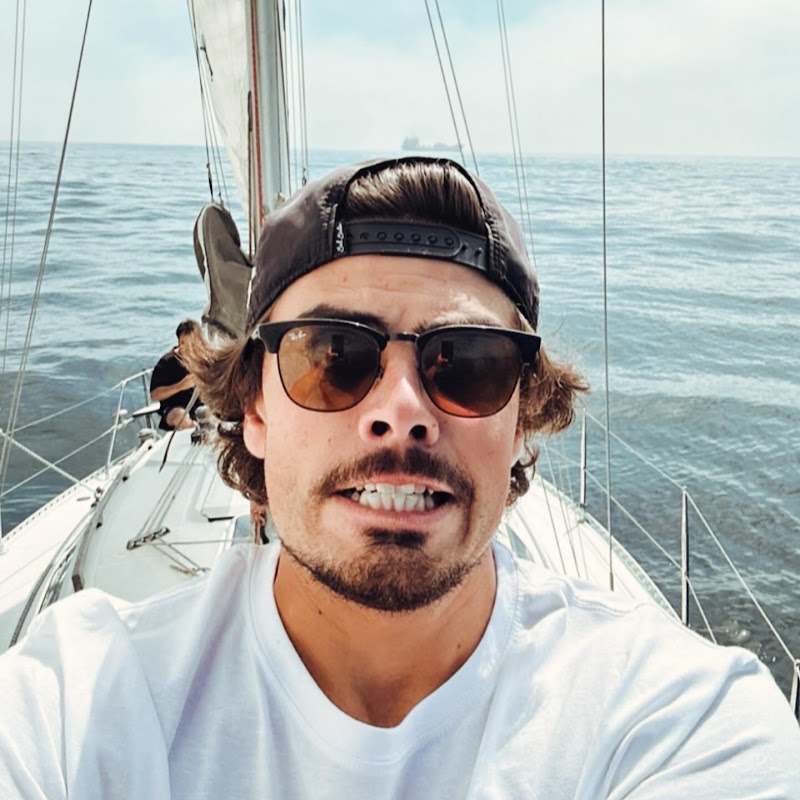
Sailing With Phoenix | Oliver
From liquidating his 401(k) to solo global loops, join Oliver and his cat Phoenix as they prepare for a 30,000-mile non-stop circumnavigation.
Channel Information:
Social Media Links:
The Reality of Sailing Around the World Is Setting In Location
- Phoenix do Mar Day 17 Position (Over 700 Miles Off Mexico) (10.5,-108.5)
- Port Townsend, Washington (Circumnavigation Departure Port) (48.117,-122.7604)
Latest Episodes from Sailing With Phoenix | Oliver
Explore the most recent voyages. Subscribe to the channel to never miss an update!
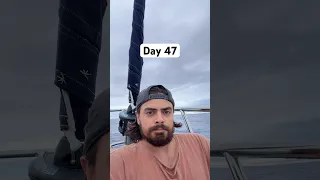
Day 47 at sea sailing around the world without stopping
On Day 47 of his solo nonstop circumnavigation, Oliver Widger addresses offshore discipline, sea conditions, and why personal feelings cannot dictate actions during 30 knots of wind.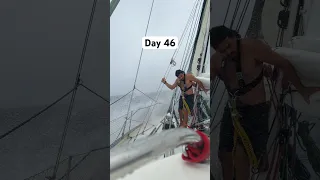
Day 46 at sea sailing around the world without stopping
On Day 46 of his solo nonstop circumnavigation, Oliver Widger manages a sudden sea state change as a 32-knot squall strikes offshore, prompting sail adjustments.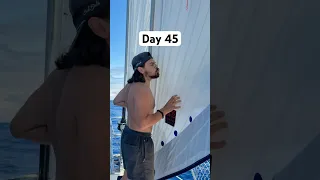
Day 45 at sea sailing around the world without stopping.
Oliver logs Day 45 of his non-stop solo circumnavigation aboard Phoenix, inspecting gear, starting his engine, and waiting out calm seas at sunset.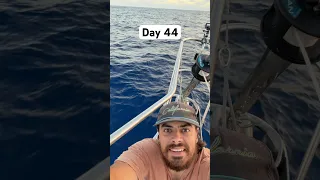
Day 44 at sea. Dolphins!
On Day 44 of his solo nonstop circumnavigation, Oliver Widger welcomes a fast-moving pod of dolphins alongside SV Phoenix do Mar during an offshore sunset.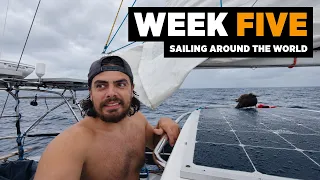
I Finally Escape the Doldrums and Cross the Equator
Oliver Widger navigates grueling squalls, seabird visitors, and watermaker maintenance across the Pacific Doldrums before crossing the equator aboard SV Phoenix do Mar.