Prism Reviews: Kingston Quickset Anchor in water testing Pt.2
On a gloomy, drizzly afternoon in Port Washington, New York, Jon and Shannon prepared the foredeck of Sailing Vessel Prism to conduct live-water anchor trials. After taking on fresh water earlier in the day, the crew motored into the anchorage to evaluate a 50-pound Kingston Quickset QS50 anchor against their proven 55-pound Spade primary bower. Anchored over the slick, oily mud of the harbor, Jon sought to test how the stainless steel plow would perform in bottom conditions notorious for defying a secure set.
Having previously attempted to set the Kingston Quickset in the sticky mud of Belhaven, North Carolina, Jon wanted an uncompromising test of holding power and reset behavior. Switching operational roles so Shannon handled the helm of their 33-foot Hans Christian cutter while Jon managed ground tackle on the bowsprit, the crew readied a heavy-duty bridle to subject the gear to extreme loads.
Soft Mud Deployment and High-Load Blowout
Jon lowered the 50-pound Kingston Quickset into the harbor bottom, veering 100 feet of chain rode to establish bottom engagement. While the plow fluke took an initial bite into the upper layer of silt, Jon knew that light loads reveal very little about how an anchor performs when violent weather strikes:
“an anchor should be able to do that though if we’re gone here and i mean uh a 50 knot gust from a or wind from a thunderstorm in this area is not unheard of and so if we’re not on the boat and one of those freak thunderstorms come through it needs to be able to hold that”
Rigging their heavy-duty secondary bridle to absorb the strain, Jon directed Shannon to motor 50 feet ahead over the set anchor. Shannon shifted into reverse and advanced the throttle to full reverse at 1800 RPM. As SV Prism gathered sternway and snapped the chain taut, an estimated load of around 1000 pounds surged through the tackle. The sudden deceleration ripped the Kingston Quickset completely out of the seabed.
Rather than diving back down into firmer substrate, the plow blade remained unseated in the slick upper silt. Even when Shannon throttled back to reduce reverse thrust to a gentle idle, Prism continued to drag backward across the anchorage:
“she’s not resetting even with just what is that shannon not even high rpms right that was just it’s only 100 rpm so not very high not a lot of load and she’s not resetting we’re just cruising we’re just plowing at this point”
Drifting backward roughly 100 feet while plowing an open furrow through the mud, the Kingston Quickset failed to regain purchase, prompting an immediate haul-back.
Bowsprit Retrieval and Substrate Fouling
Retrieving the Kingston Quickset over Prism’s bowsprit proved an arduous physical chore. When the stainless steel shank broke the surface, Jon found chunks of tree bark and wood jammed against the metal, demonstrating how easily harbor debris interferes with ground tackle. The mud coating the rode was unusually slick, displaying an oily consistency reminiscent of San Francisco Bay silt that lubricates metal surfaces and prevents shallow flukes from gripping.
With the Kingston secured on deck, Jon unpinned the shackle and rigged their primary 55-pound Spade anchor for an identical trial. Working on deck boards coated in gray slime, Jon eased the Spade over the bow rollers to determine whether their concave scoop design could overcome the challenging seabed.
Spade Complications and Scope Expansion
The Spade’s initial run proved surprisingly frustrating. Jon payed out 100 feet of chain, but when Shannon backed down, the anchor failed to dig in, dragging Prism backward another 100 feet. Hauling the ground tackle back up to diagnose the failure, Jon discovered two distinct complications.
First, the Crosby shackle had twisted and bound sideways against the anchor shank, restricting articulation and preventing the fluke from maintaining a downward angle of attack. Second, the fluke had dredged up an abandoned plastic bag and wire coat hanger, completely shielding the cutting point from penetrating the silt.
After clearing the debris and freeing the shackle, Jon adjusted his anchoring strategy. Recognizing that soft mud demands maximum horizontal pull to force the fluke beneath loose upper silt, Jon paid out 150 feet of chain rode at the waterline:
“we’re going to pull the anchor back up and i’m gonna go with like 10 to one that’s the only real game thing left in our book of plays is really increase the scope with the ideas of hopefully driving that chain down further”
Recalling voyager Lin Pardey’s adage that chain resting idle in the locker serves no purpose, Jon ensured the extra rode kept the shank flat against the seabed.
Full Reverse Thrust and Shock Load Verification
With 150 feet of chain deployed, Shannon eased Prism into reverse. The Spade bit into the bottom instantly. Shannon brought engine speed up to 1500 RPM, and SV Prism came to a dead stop. Increasing power to full reverse throttle at 1800 RPM, the boat remained locked firmly in place with zero movement against shore landmarks and a nearby mooring buoy.
To ensure parity with the Kingston trial, Jon conducted a violent shock load test on the Spade. Aligning Prism straight into the wind, the crew motored 50 feet ahead of the anchor and threw the engine into full reverse. Prism surged backward before snapping the chain rode taut. The foredeck held the sudden tension without dragging an inch. Bearings to a white shore locker and the adjacent mooring buoy confirmed zero displacement.
Ground Tackle Comparison
| Anchor Specification | Kingston Quickset QS50 | 55-Pound Spade Anchor |
|---|---|---|
| Fluke Profile | Stainless steel plow geometry | Concave scoop design |
| Initial Chain Deployed | 100 feet of chain rode | 100 feet initially, then 150 feet |
| Full Throttle Hold at 1800 RPM | Crept continuously through soft mud | Held solid stop with zero dragging |
| Extreme Shock Load Behavior | Blew out under load and failed to reset | Held firm without dragging displacement |
Post-Mortem Analysis and Cruising Realities
After two and a half hours of grueling labor in the cold rain, Shannon declared anchor testing officially concluded, announcing it was time to head ashore for pizza. Jon remained on the foredeck to wash down the gear and assess the practical lessons learned from the side-by-side trials.
While acknowledging that the Kingston Quickset would likely perform well in firm sand, Jon observed that its plow geometry struggles to re-engage once dislodged from fluid harbor mud. In contrast, the concave Spade provides unmatched holding power once deeply buried, although concave designs carry an inherent risk of mud fouling if an anchor breaks free and packs its scoop with dense clay.
Examining metallurgy, Jon noted that the stainless steel Kingston Quickset exhibited surface tea staining around welds and where the shackle chafed after three weeks on the bow roller in salty wake. For liveaboard cruisers prioritizing ultimate holding security over polished aesthetics, Jon reaffirmed his trust in the heavy Spade for demanding coastal anchorages, while commending independent gear tester Steve on SV Panope for his dedicated marine evaluations.
Frequently Asked Questions
Jon and Shannon chose Port Washington because its soft, slippery harbor mud poses a notoriously difficult holding challenge for anchors, testing whether the plow design could achieve a deep bite in difficult bottom conditions.
Under full reverse throttle producing around 1000 pounds of force, the sudden shock load blew the Kingston Quickset out of the seabed, and the anchor failed to reset while dragging through the soft mud.
The Spade failed to set during its first run because its Crosby shackle bound sideways against the shank and its fluke scooped up a plastic bag and coat hanger debris from the harbor floor.
After clearing bottom debris and deploying 150 feet of chain for a 10 to 1 scope, the Spade dug in immediately and held firm without dragging under both full reverse power and high-speed shock loads.
Book a trip where this was filmed — near New York City



Support Sailing Vessel Prism
At WeBoating.com, we profoundly acknowledge the unwavering dedication that Sailing Vessel Prism invests in crafting each and every video or voyage. Their passion for delivering exceptional ocean content shines through every frame, and it's a labor of love that deserves your attention.
We invite you to watch their captivating videos here and actively engage with their content, including their social media links above. Liking, commenting, and sharing their work goes a long way in fueling their creative fire.
We're also inviting you to explore the gear, sponsorships, and boat partnerships highlighted in the "Prism Reviews: Kingston Quickset Anchor in water testing Pt.2" video description, or directly on YouTube. By engaging with these offerings or purchasing services and items, you directly support Sailing Vessel Prism, their collaborators, and the brands they're associated with.
To ensure you never miss an offshore update, consider visiting their official YouTube Channel to subscribe, like, and join their community directly.
If you have any feedback, corrections, or additional information about Sailing Vessel Prism or their videos, please use the comment form below to share your thoughts with us.
Thank you for being a part of our community and supporting the creators we cherish. Your time and support truly matter!
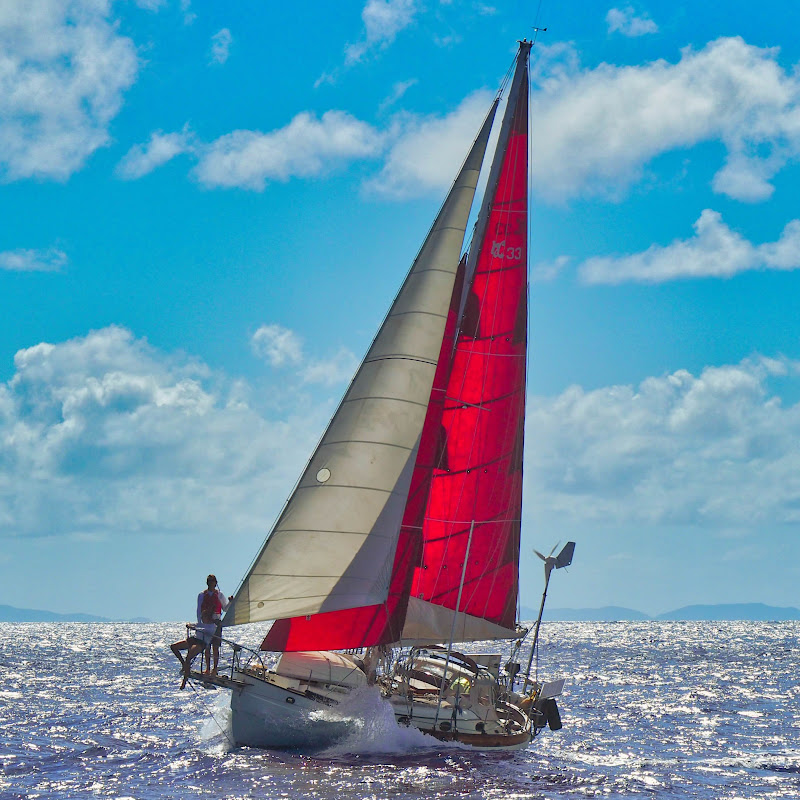
Sailing Vessel Prism
In 2026, Jon and Shannon continue their maritime journey aboard SV Prism, a classic 1983 Hans Christian 33 cutter designed by Harwood Ives. From San Francisco through Mexico, the Panama Canal, and the US East Coast, their channel documents the authentic realities of traditional heavy-displacement cruising, brightwork preservation, and anchorage camaraderie.
Channel Information:
Social Media Links:
Prism Reviews: Kingston Quickset Anchor in water testing Pt.2 Location
- Port Washington Anchorage, New York (40.831,-73.704)
- Belhaven Harbor, North Carolina (35.539,-76.622)
Latest Episodes from Sailing Vessel Prism
Explore the most recent voyages. Subscribe to the channel to never miss an update!
Boat Wreck Bonfire
Wreckage of a fellow cruisers boat fuel the fire this night.
La Cruz Market – 2016 – SV Prism
@SailingVesselPrism Goes to the legendary La Cruz farmers market on a hot day from 2016. This channel conicals new episodes from a decades worth of footage never before seen.
Voyage of the Interlude – Filming Summer 2026 #sailing #ocean #STEM #education #seaofcortez
Please share: If you or anyone that you may know might be interested or if you would like to volunteer, please reach out!
Cruising Before Starlink | La Cruz, 2016
Please Share and go to If you want to support this channel, support this project.
EP.35 SV Prism Sails ON! Sailing to Banderas Bay
Thank you everyone who has come back. For real time updates check in over on instagram @svprism To get more infroamtion about Voyage of the Interlude or to share it to someone else go to this link: Thank you, Jon