Sailing The Inside Passage | Watch Out For Ice! | Glacier Bay - Ep. 109
Underway out of Reid Inlet in Glacier Bay, Trevor and Cat hoisted sails aboard their Westerly Discus 33 as a fresh outflow breeze carried the vessel toward the ice-laden waters of the main bay. While hauling the anchor, the electric windlass emitted a harsh mechanical grinding sound toward the final links of chain, leaving Trevor concerned that recent exposure to salt water had compromised the internal drive gears. Donning offshore gear for cold northern waters, the crew prepared for the possibility of hauling their ground tackle by hand if the machinery seized.
Setting a course north for Margerie Glacier, the crew prepared to navigate through drifting ice fields to reach the active tidewater glacier. With the outflow breeze pushing the vessel along at 5 knots roughly 5 miles out from the ice face, small floating chunks began clustering along the hull. Looking out over the water, Trevor remarked, “Looks like we’re back in the Gulf Islands dodging logs, eh?”
Navigating Ice and Sudden Shoals near Margerie Glacier
As Sailing Sea Dream of Clyde closed the distance toward Margerie Glacier aboard Sea Dream of Clyde, the concentration of floating bergy bits expanded across the fairway. Many of the smaller ice fragments drifted low in the water, spanning a couple of feet across yet easily weighing 50 lbs or more, requiring constant vigilance at the helm to avoid hard strikes against the fiberglass hull. Moving further up into the inlet under a steady downwind run, the crew tracked calving icebergs that had broken free from the glacier terminus ahead.
Approaching the terminal face, depths became unpredictable due to glacial recession. As the vessel passed a cluster of grounded icebergs, the depth sounder registered an immediate bottom contour shift, falling rapidly from 75 ft down to 30 and 29 ft. Trevor maneuvered the boat around the grounded ice to locate deeper water before allowing the vessel to drift. A counter-current swirling against the surface breeze balanced the boat in place, allowing the crew to observe the glacier wall without continuous engine adjustments.
Reflecting on their journey from warmer latitudes, Trevor noted that 2 months and 10 days earlier they had been cruising in Mexico, and 1 month and 10 days earlier they were sailing in Hawaii. Watching the glacier in solitude, Cat noted, “I love cold climates and glaciers. I mean it’s so sweet to be so close to a glacier also on our boat.”
Windlass Breakdown and Mechanical Assessment at Russell Island Cove
Departing the glacier face under power due to adverse wind angles, the crew motored through scattered ice toward Russell Island Cove to seek shelter from winds blowing across the inlet. Maneuvering close inshore to avoid dropping anchor in 50 or 60 ft of water, Trevor dropped ground tackle in 35 ft of depth, leaving roughly a boat length of clearance off the shoreline. With a light wind forecast overnight, they paid out four to one anchor chain, confident the local current would keep the hull set safely away from the shore.
Once anchored, Trevor unbolted the main cover of the windlass to diagnose the grinding noise heard that morning. Upon disassembly, he discovered that the bolts securing the housing had backed off, allowing most of the gearbox oil to escape. Metallic shavings glinted within the remaining oil, confirming that the internal gears were stripped. With replacement parts unavailable in the wilderness, the crew acknowledged that every anchor retrieval for the coming weeks would require physical muscle power.
Downwind Ebb Run to Blue Mouse Cove
With only a few days remaining on their park permit, Trevor and Cat capitalized on a strong outflow breeze paired with an ebb tide to transit south down Glacier Bay. Departing Russell Island, Sea Dream of Clyde enjoyed a brisk downwind run with roughly 2 knots of favorable tidal current assisting their progress, propelling the boat to 8 knots over the ground.
The favorable conditions ended without warning as the vessel approached Blue Mouse Cove. The breeze collapsed entirely within minutes, prompting Trevor to observe, “Well, just like that the wind died. We were going 8 knots like 8 minutes ago.” Eddying currents swirled across the entrance of the bay, but through patient sail trim, the crew managed to ghost onto anchor without starting the diesel engine, settling in for a calm evening.
| Location or leg | Recorded depth or speed | Passage observation | | Margerie Glacier approach | 5 knots at 5 miles out | Floating bergy bits weighing 50 lbs or more | | Terminal shoal area | 75 ft shoaling to 29 ft | Navigating past grounded bergs | | Russell Island anchorage | 35 ft depth, 4 to 1 scope | Anchored one boat length off shoreline | | Blue Mouse Cove run | 8 knots with 2 knots current | Brisk downwind sail before wind ceased | | Morning transit to Bartlett Cove | 7.7 to 7.8 knots over ground | Ebb current assisting power |
Dawn Departure and Fast Tidal Transit to Bartlett Cove
On the morning of July 27, the crew prepared for another long run to catch the morning ebb. After an initial alarm at 4:00, Trevor awoke at 5:00 to haul the anchor chain by hand from the foredeck. Raising sail off the hook, Sea Dream of Clyde drifted through light air while an iceberg passed the previous afternoon drifted back into view ahead.
Once the morning breeze tapered off, Trevor engaged the engine to maintain schedule through the narrows. With the ebb tide surging in their favor, the vessel accelerated to 7.7 and 7.8 knots over the ground, approaching 8 knots near the constriction. This rapid movement far exceeded their standard cruising speed of 5.5 knots under power alone.
Park Permit Regulations and Galley Tortilla Prep
Reaching Bartlett Cove under clear skies and calm waters, the crew anchored to comply with Glacier Bay National Park regulations. Rangers designated Bartlett Cove as an open anchorage where boats could remain without counting against the strict 25 vessel park limit. However, entering or exiting the 5-mile stretch between Bartlett Cove and Point Gustavus required contacting rangers for an official transit permit, ensuring park quotas were never exceeded.
Awaiting their departure window, Trevor turned to galley chores aboard Sea Dream of Clyde after discovering their tortilla supply had run out. Cooking a batch of homemade tortillas on the stove in about 20 minutes, the crew secured fresh food for the onward passage. Taking advantage of the shoreline at Bartlett Cove, they also spent time hiking forest trails along the river to stretch their legs after days aboard.
Sailing into Icy Strait with Fresh Salmon on Deck
Weighing anchor by hand once more, Trevor and Cat sailed off the hook at Bartlett Cove around slack water. As they entered Icy Strait, light summer rain showers washed down the decks while a favorable easterly current took hold. Although light air leaving Bartlett Cove caused them to miss their target arrival at the park boundary, good fortune followed as they hooked a fresh salmon on their trailing line.
Firing up the deck grill, Trevor cooked the salmon while steering east into Icy Strait. Trevor emphasized the importance of planning around the tidal flows, stating, “Definitely important to work with the currents here in Alaska and the whole whole of this coast cuz if you don’t, you’re going to be going slow a lot.” Leaving the mouth of Glacier Bay in roughly 45 minutes, Sea Dream of Clyde set a course for Hoonah to reprovision, wash down the boat, and repair their broken outboard motor before heading south down Chatham Strait.
Frequently Asked Questions
Inspection at Russell Island Cove revealed that the bolts securing the windlass gearbox had backed off, allowing most of the lubricating gear oil to leak out. Trevor discovered metal shavings inside the remaining lubricant, confirming that the gearbox internal gearing had stripped and forcing the crew to haul their chain manually.
Glacier Bay National Park enforces a strict capacity limit permitting no more than 25 private vessels in the park at any one time. Vessels transiting the 5-mile stretch between Bartlett Cove and Point Gustavus must check in with park rangers for a transit permit before exiting.
Aside from dodging floating icebergs and bergy bits weighing 50 lbs or more, the vessel encountered abrupt shoaling where the glacier had receded. Water depth dropped suddenly from 75 ft down to 30 and 29 ft near a cluster of grounded icebergs.
Aided by an outflow breeze and roughly 2 knots of favorable current, Sea Dream of Clyde sailed downwind at 8 knots over the ground toward Blue Mouse Cove before the wind abruptly dropped. The following morning under power, strong tidal currents swept the vessel along at 7.7 to 7.8 knots.
Book a trip where this was filmed — near Alaska
Support Sailing Sea Dream of Clyde
At WeBoating.com, we profoundly acknowledge the unwavering dedication that Sailing Sea Dream of Clyde invests in crafting each and every video or voyage. Their passion for delivering exceptional ocean content shines through every frame, and it's a labor of love that deserves your attention.
We invite you to watch their captivating videos here and actively engage with their content, including their social media links above. Liking, commenting, and sharing their work goes a long way in fueling their creative fire.
We're also inviting you to explore the gear, sponsorships, and boat partnerships highlighted in the "Sailing The Inside Passage | Watch Out For Ice! | Glacier Bay - Ep. 109" video description, or directly on YouTube. By engaging with these offerings or purchasing services and items, you directly support Sailing Sea Dream of Clyde, their collaborators, and the brands they're associated with.
To ensure you never miss an offshore update, consider visiting their official YouTube Channel to subscribe, like, and join their community directly.
If you have any feedback, corrections, or additional information about Sailing Sea Dream of Clyde or their videos, please use the comment form below to share your thoughts with us.
Thank you for being a part of our community and supporting the creators we cherish. Your time and support truly matter!
Woah! Its been a little while since we got a video out, but such is life when your back working full-time! In this one we continue our adventures in Glacier Bay National Park as we leave Reid Inlet and dodge icebergs on our way to the Margerie Glacier. After a few days surrounded by glaciers, we begin the journey south down the Inside Passage.
Thanks so much for tuning in!
If you are enjoying these videos and would like to support the channel, please subscribe, hit the like the button, and leave some comments. Doing so causes the YouTube algorithms share the videos to a wider audience!
https://www.patreon.com/SailingSeaDreamofClyde
https://www.facebook.com/sailingseadreamofclyde
https://www.instagram.com/sea_dream_of_clyde/
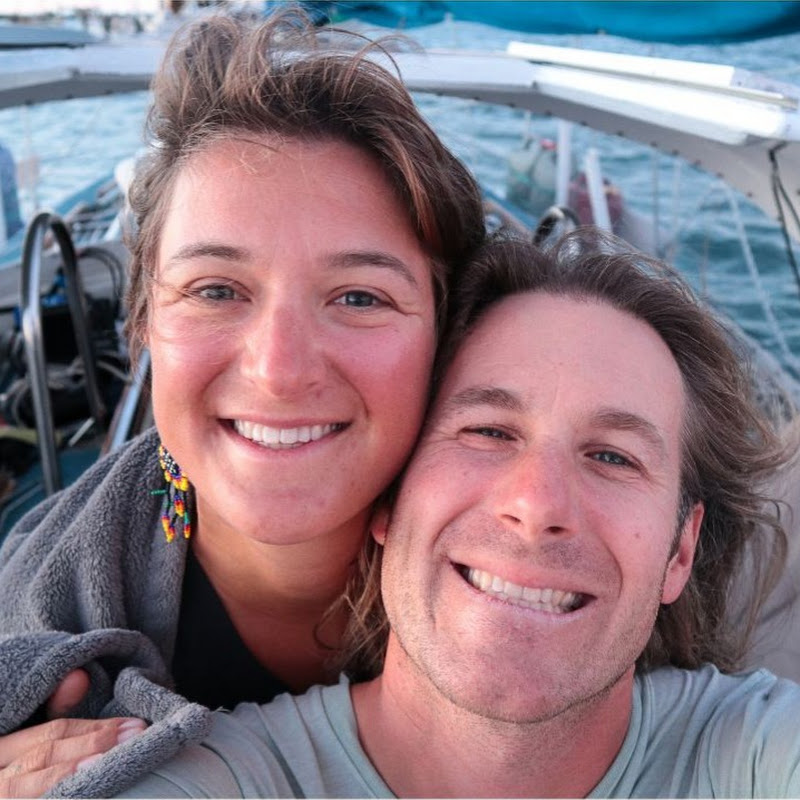
Sailing Sea Dream of Clyde
Join Trevor and Cat of Sailing Sea Dream of Clyde as they document their high-authority transition from BC coastal transits to mastering solo-managed Pacific crossings.
Channel Information:
Social Media Links:
Sailing The Inside Passage | Watch Out For Ice! | Glacier Bay - Ep. 109 Location
- Glacier Bay National Park and Preserve (58.6658073,-136.9002147)
- Margerie Glacier (59.0289,-137.0564)
- Russell Island Cove (58.915,-136.8)
- Bartlett Cove (58.455,-135.885)
Latest Episodes from Sailing Sea Dream of Clyde
Explore the most recent voyages. Subscribe to the channel to never miss an update!
Sailing The Inside Passage | Watch Out For Ice! | Glacier Bay – Ep. 109
Sailing aboard Sea Dream of Clyde through Glacier Bay, Trevor and Cat dodge icebergs approaching Margerie Glacier, troubleshoot a sheared windlass gearbox, and ride rapid tidal currents south into Icy Strait.
How To Replace Rigging & Emergency OFFSHORE Repairs
Here is a quick video showing how we dealt with our failing lower aft stay while 1000 miles offshore on our way from Hawaii to Alaska, and then how we replaced it once we arrived to Alaska. In retrospect, I would have carried lengths of dyneema to serve as emergency rigging, but we worked with what ...
Sailing Glacier Bay National Park Aboard A 33 ft Sailboat
Join us as we sail into the incredible Glacier Bay. Wonderful gentle sailing brings us into the upper bay where the mountains tower above and glaciers spill off them all the way to the ocean. Once at anchored in Reid Inlet, we leave the boat to head on a fun little glacier walk. Enjoy! Thanks so...
24 Days Across The Pacific: From Tropics to Glaciers
Two weeks after arriving in Hawaii from Mexico, Sea Dream of Clyde sets off again — this time 2,700 miles north from Honolulu to Elfin Cove, Alaska. This 24-day passage to Alaska tested us with lots of heavy sailing, lightning storms, a gale on the nose, shipping traffic, illness, and days of relen...
This Is What Sailing Hawaii Actually Looks Like | Hilo to Honolulu
After arriving in Hilo from Mexico just three days before, we're on the move again. Join us as we cruise the Hawaiin Islands from Hilo on the Big Island, all the way north to Honolulu aboard our old 33 ft sailboat. We learn quickly that things can get very spicy in the waters surrounding this p...