We Have A Major Problem With Our Mast & Main Sail
Nick Fabry and Terysa Vanderloo of Sailing Ruby Rose navigate SV Ruby Rose II out of Admiral Marina to begin an offshore passage across the Strait of Malacca toward Langkawi. After spending a day and a half berthed in the marina converting the Seawind 1370 catamaran from shore accommodations back into sea trim, the crew monitors the forward depth sounder past the marina breakwater. The instrument shows 4.3 meters of depth under the hulls before clearing the 5 meter contour into open coastal water.
The early stage of the run confronts the vessel with a notorious regional wind hole. At 10:15 in the morning, the galley temperature reaches 32 degrees Celsius under intense tropical humidity. With apparent wind near zero and true wind registering at 132 degrees, Nick and Terysa run the engines in overdrive to overcome a foul tidal stream. Over-the-ground speeds fluctuate between 5.8 and 6 knots against the opposing current, setting an initial pace for what is planned as a 40 to 48 hour transit covering 250 nautical miles.
Strategic Routing Along the Commercial Shipping Corridor
Navigating the Strait of Malacca requires continuous vigilance between deep-water shipping channels and shallow coastal hazards. The crew tracks massive commercial traffic along the international corridor, including the 200 meter cargo ship Volan Leader proceeding at 17 knots. To prevent encounters with fast-moving merchant ships while steering clear of inshore dangers, the crew establishes a defined route along the boundary. As Nick notes, “our vague plan is actually just to stay right on the limit between the inshore separation scheme and the shipping lanes.”
Staying along the outer edge of the separation corridor provides a critical buffer against floating hazards. Friends cruising ahead on Hull 4 had reported severe debris fields closer inshore, including discarded fishing nets, ropes, timber logs, and even a floating dead cow. Another vessel in the area had recently fouled a propeller with a submerged palm frond. Maintaining deep water outside the primary fishing fleet keeps Ruby Rose II clear of unlit nets while remaining well outside the heavy wake of commercial traffic.
Passage Milestones Across the Malacca Strait
As the tidal cycle shifts in the afternoon, Ruby Rose II picks up a strong fair stream that dramatically accelerates progress north. Seven and a half hours into the voyage, the crew logs 58 nautical miles, reaching a peak speed of 12.3 knots over the ground while averaging seven and a half knots. The catamaran glides past massive offshore navigation marks and a coastal lighthouse marking shallow banks to port, maintaining smooth progress through calm water.
| Passage Stage | Distance Status | Recorded Speed or Depth | Operating Conditions |
|---|---|---|---|
| Admiral Marina Departure | 0 nautical miles | 4.3 meters depth reading | Motor-sailing through 32 degrees Celsius heat |
| Checkpoint at Seven and a Half Hours | 58 nautical miles logged | 12.3 knots maximum speed | Riding favorable tidal stream averaging seven and a half knots |
| First Sunset Checkpoint | 193 nautical miles to destination | Calm sea state | Course adjusted away from commercial shipping lanes |
| Day Two off Penang | 37 nautical miles to destination | Overcast conditions | Passing Penang prior to evening breeze acceleration |
| Langkawi Night Approach | 8 nautical miles to destination | 16 knots evening breeze | Mainsail dropped 1 foot and jammed on mast track |
At the first evening sunset, the crew alters course to angle away from the commercial traffic lanes, leaving 193 nautical miles remaining to Langkawi. Nick and Terysa settle into their standard offshore watch routine, running formal 3 hour shifts while giving each other extra rest when conditions allow. Through the night, the on-watch helm monitors localized coastal fishing boats on radar and watches a distant lightning display flickering across the Malaysian mainland.
Day Two Approaching Penang and the Rush to Phuket
Dawn brings overcast skies and welcome relief from direct sun. By 6:30 in the morning, Nick hands over the helm with 115 nautical miles remaining to Langkawi, crossing the halfway mark of the passage. At 9:00 in the morning, 90 nautical miles remain as the catamaran motors into light head winds with an apparent angle of 21 degrees.
By 5:00 in the afternoon, Ruby Rose II draws level with Penang, where the crew briefly acquires cellular reception with 37 nautical miles left to Langkawi. The tight passage schedule stems from a firm international shipping deadline. As Terysa explains, “we are in a bit of a rush to get to Phuket because we are putting Ruby Rose 2 on a ship to go to the Med.” The delivery timetable requires checking out of Malaysia at Langkawi before completing the final 100 nautical miles north to Phuket, Thailand.
As night falls for the second time, a typical evening breeze builds to 16 knots. The added sail power combined with engine thrust sends Ruby Rose II surging along at 9.4 knots over the ground. With 23 nautical miles, then 20 nautical miles remaining, the local fishing fleet disperses offshore, and the crew switches instruments and charts to night mode in preparation for their arrival.
Midnight Approach and Mainsail Track Jam
Eight nautical miles out from the Langkawi anchorage, conditions turn unpredictable. The onboard radar detects a sudden squall bearing down on their position. Facing an entry into a pitch-black anchorage with deteriorating weather, Nick and Terysa decide to drop the mainsail well before reaching the harbor limits.
When Nick eases the halyard, the sail drops only one foot before seizing solid on the mast track. Nick recounts the sudden failure: “eased off the main helard and the main dropped about a foot and it’s just jammed.” With the catamaran rolling in open water 8 miles offshore, tensioning the first reefing line fails to budge the stuck headboard or cars. Reluctant to climb the mast in the pitch dark at sea, Nick goes forward onto the coachroof, manually hauling on the sail cloth and hardware until something gives way and the mainsail finally collapses onto the boom.
Working under torchlight at midnight in the anchorage, Nick inspects the rig to determine what caused the mechanical lockup. He discovers that the second batten car detached from the sail batten: “second batten car where the sail batten goes into the car it seems it’s detached.” With the batten car detached and the risk of a repeat jam too severe to hoist the mainsail again, the crew secures the sail on the boom. Ruby Rose II drops anchor in a rolly roadstead off Langkawi, leaving the crew ready to motor the remaining 100 nautical miles to Phuket if repairs cannot be made underway.
Frequently Asked Questions
The crew had a strict deadline to deliver Ruby Rose II to Phuket, Thailand, where the catamaran was scheduled to be loaded onto a transport cargo ship bound for the Mediterranean.
The mainsail jammed after dropping only about one foot because the second batten car detached from the sail batten on the mast track.
Sailing along the boundary between the inshore traffic separation scheme and commercial shipping lanes kept the boat clear of large cargo ships while avoiding coastal fishing nets, shallow water, and hazardous floating debris.
After tensioning the first reefing line failed to move the jammed sail, Nick went forward to the mast and manually hauled on the sail until it came free.
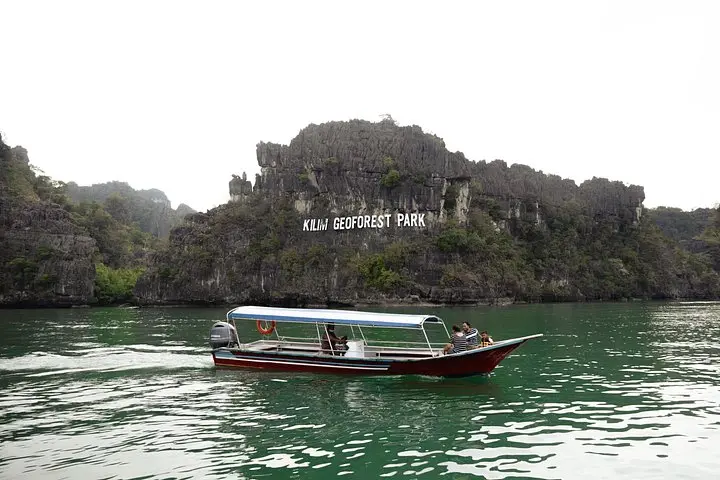
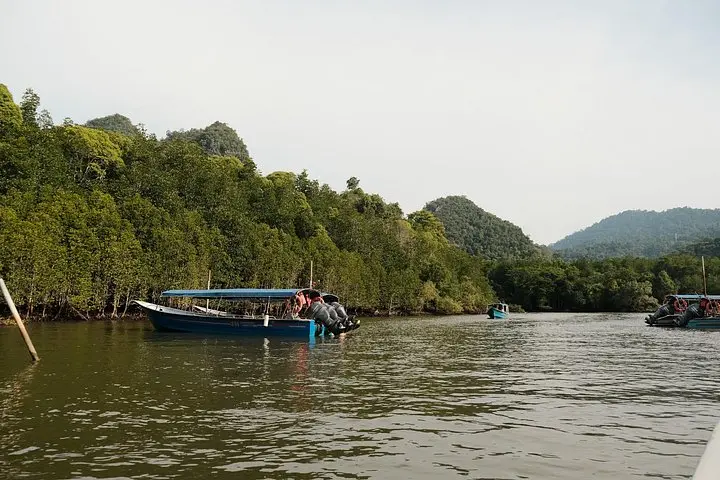
Book a trip where this was filmed — near Langkawi
Support Sailing Ruby Rose
At WeBoating.com, we profoundly acknowledge the unwavering dedication that Sailing Ruby Rose invests in crafting each and every video or voyage. Their passion for delivering exceptional ocean content shines through every frame, and it's a labor of love that deserves your attention.
We invite you to watch their captivating videos here and actively engage with their content, including their social media links above. Liking, commenting, and sharing their work goes a long way in fueling their creative fire.
We're also inviting you to explore the gear, sponsorships, and boat partnerships highlighted in the "We Have A Major Problem With Our Mast & Main Sail" video description, or directly on YouTube. By engaging with these offerings or purchasing services and items, you directly support Sailing Ruby Rose, their collaborators, and the brands they're associated with.
To ensure you never miss an offshore update, consider visiting their official YouTube Channel to subscribe, like, and join their community directly.
If you have any feedback, corrections, or additional information about Sailing Ruby Rose or their videos, please use the comment form below to share your thoughts with us.
Thank you for being a part of our community and supporting the creators we cherish. Your time and support truly matter!
One of our major concerns with a boat this large and powerful is, what would we do if the main sail wouldn't come down, particularly at night, particularly as a squall is approaching? Well, that's exactly what happens in this week's episode, after a 250 nautical mile passage to Langkawi.
Thanks for watching! Please subscribe and leave a comment ⛵️
To support our work ❤️ https://www.patreon.com/sailingrubyrose
Our videos are free for everyone to watch, and always will be. However, we have an amazing community of Patrons who, for the cost of a cup of coffee a month, receive all sorts of benefits and perks. This support allows us to continue bringing our stories to you, so a HUGE thanks to our wonderful Patrons 😊 Click the link above to find out more.
SOCIAL MEDIA
http://www.instagram.com/sailingrubyrose
http://www.facebook.com/sailingrubyrose
https://www.tiktok.com/@sailingrubyrose
MUSIC
Epidemic Sound
Artlist
Hey there! We're Nick and Terysa and we’ve become completely obsessed with the idea of sailing around the world and sharing our experiences and information through our sailing lifestyle videos with others.
We met travelling around India, and quickly agreed that rather than “settling down” and doing what most normal people do, we wanted to travel and have adventures! We moved onto our 38 foot monohull in 2014, sailed across the Atlantic twice, cruised the Caribbean, Bahamas and Europe, before buying a brand new 45 ft catamaran!
We hope you enjoy what we do. Please subscribe, like and share.
Sailing Ruby Rose
Join Nick and Terysa of Sailing Ruby Rose as they document their 2026 Australian chapter and the legacy of their custom Seawind 1370 catamaran.
Channel Information:
Social Media Links:
Latest Episodes from Sailing Ruby Rose
Explore the most recent voyages. Subscribe to the channel to never miss an update!
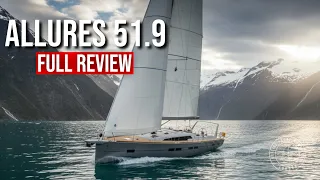
Allures 51.9 Review 2025 – The Aluminium Adventure Yacht Built to Go Anywhere
Nick Fabry inspects the Allures 51.9 aluminium bluewater cruiser at the Southampton Boat Show, evaluating its lifting centerboard, composite deck, twin helm cockpit, and dedicated walk-in engine room.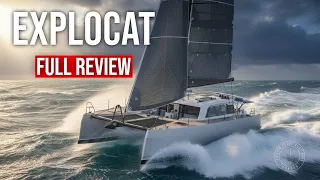
Explocat 52 Review 2025 | The Aluminium Power Cat That Can Go Anywhere
Nick Fabry inspects the Garcia ExploCat 52 at Cannes, evaluating its aluminium hull, cutter sail plan, dual-position Versa Helm, insulated interior, and high-latitude engineering.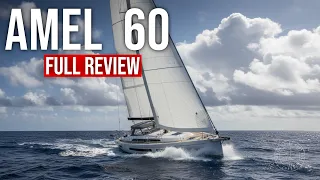
Amel 60 Review 2025| Ultimate Bluewater Cruiser Sailboat Tour
Nick Fabry tours the Amel 60 bluewater cruiser in Cannes, exploring the carbon rig, sheltered helm, 175 hp Volvo engine, walnut interior, and underwater propeller inspection port.

The $12k Bluewater Yacht
Step aboard the Contessa 32, one of the most iconic bluewater sailboats ever built. Known for her seaworthiness, timeless design and offshore pedigree, the Contessa 32 remains a favourite among serious sailors and cruising couples alike. In this short review we highlight her classic lines, strong re...