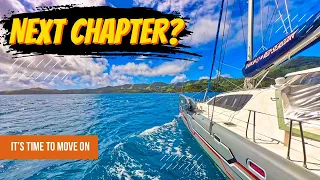
DEADLY WEATHER coming right for us!
With South Pacific cyclone season approaching from November to April and forecasters tracking a severe super El Niño weather pattern across the region, Iain and Brioni Cameron aboard Sailing Red Seas faced an urgent operational deadline in Fiji. The Scottish sailing couple had less than 24 hours to secure their 2005 Leopard 47 catamaran, SV Indioko, before boarding flights to Athens, Greece, to attend the Odyssey Sailing Festival. With meteorological outlooks projecting intense storms directly across the Fijian archipelago, deciding whether to reposition the multihull south toward temperate latitudes, sail north toward equatorial waters, or remain in regional waters required decisive weather routing choices.
Leaving their multihull unattended during the onset of the seasonal storm cycle presented substantial logistical challenges without a comprehensive contingency plan. As Iain and Brioni assessed the regional risks of what meteorologists labeled a Godzilla El Niño, every viable route demanded critical compromises. Before taking a 38 hour flight schedule across the globe and back, the sailors raised anchor for a three-hour coastal transit inside the protective barrier reef toward Vunda and Port Denarau to secure their vessel and finalize their strategy.
Evaluating Three Cyclone Routing Strategies
As tropical storm systems gathered strength across the South Pacific basin, Iain and Brioni analyzed their strategic options from the salon of SV Indioko. The urgency of their departure timeline brought immediate clarity to their operational constraints. Brioni emphasized the temporal boundary confronting their voyage:
“We have less than 24 hours to get ourselves safely out of Fiji.”
Brioni Cameron
With international cruising guides offering limited insight for their specific itinerary, the crew identified three primary strategic paths for the upcoming cyclone window:
- Option 1 (Sailing South to New Zealand or Australia): Returning south represented the conventional route chosen by many Pacific cruisers. However, sailing south to New Zealand entailed a demanding offshore passage of 7 to 10 days through volatile weather systems. Having sustained davit damage on their previous northbound passage, the crew remained cautious about subjecting the catamaran to another rough beat south. Alternatively, routing westward toward Australia would sacrifice valuable eastward positioning, requiring difficult windward sailing when returning to explore the South Pacific in future seasons.
- Option 2 (Sailing North Across the Equator): Heading north offered an escape route out of the designated southern cyclone belt toward Tuvalu, the Marshall Islands, and Wallis and Futuna. While reaching these equatorial archipelagos presented unique sailing grounds, it introduced complex meteorological conditions. Entering the Intertropical Convergence Zone meant contending with pervasive doldrums, persistent squalls, and heavy rainfall. At the same time, prevailing equatorial winds would steadily push the catamaran westward toward Papua New Guinea, Raja Ampat, and Indonesia, effectively ruling out a planned return to Vanuatu.
- Option 3 (Remaining Stationed in Fiji): Staying in Fijian waters offered maximum cruising continuity but carried severe meteorological exposure during a super El Niño year. Traditional local precautions involved booking haul-out storage in excavated cyclone pits or securing berths deep within sheltered mangrove estuaries. However, the crew preferred active voyaging over prolonged yard storage. As Brioni noted regarding their operational preferences,
“I think if we were to stay here, we wouldn’t do the haul out or the marina option.”
Remaining active meant relying entirely on rapid tactical repositioning and multiple contingency shelters.
Coastal Passage and the Reef Match Race
To position SV Indioko for their impending overseas departure, Iain and Brioni weighed anchor to execute a three-hour coastal transit. Rather than facing exposed ocean swells, the passage unrolled entirely behind the protective outer barrier reef along the western coastline of Viti Levu toward Vunda and Denarau. Inside the lagoon, the surrounding barrier reef neutralized offshore wave energy, transforming the sea state into a flat calm expanse.
In light air registering between 7 and 9 knots of wind, the passage developed into an impromptu match race when a Fountaine Pajot catamaran appeared on a parallel heading. Iain actively adjusted running rigging and sail trim to optimize their multihull performance against their companion vessel. Observing the tactical trim work, Iain remarked:
“This is where the fun of sailing comes in, isn’t it?”
Iain Cameron
With apparent wind steady at 8 knots, Iain hoisted the mainsail to its full hoist, allowing the Leopard 47 to pull ahead cleanly. Monitoring their electronic instruments as the catamaran slipped across the smooth water, Brioni confirmed their velocity: “We are going five knots out of nine.”
Fine adjustments to the winch tension maintained clean telltale airflow, demonstrating the multihull efficiency in gentle coastal breezes.
VHF Marine Forecast and Onboard Medical Readiness
While conditions inside the protected lagoon remained tranquil, a coastal weather bulletin broadcast over the marine VHF radio delivered a stark reminder of offshore conditions. The coastal weather service issued an urgent gale advisory warning of southeast winds blowing 15 to 20 knots, rough coastal seas, and a heavy 3 to 4 meter southerly swell. The maritime authority advised vessels across the country to cancel passages and seek immediate harbor shelter.
Listening to the urgent coastal broadcast from the helm station, Iain highlighted the sharp contrast between the peaceful lagoon and the turbulent open ocean beyond the outer reef:
“Apparently, it’s a 3 to 4 m high damaging swell, rough seas, high winds, do not passage.”
Iain Cameron
As the passage continued, an unexpected interior mishap occurred in the main salon. Brioni heavily stubbed her toe on a heavy commercial sewing machine stowed on the salon sole, raising concerns of a minor fracture. The injury prompted the crew to inspect their specialized offshore medical kit, sourced from military trauma suppliers. The onboard inventory included four cans of SEAL hemostatic spray designed to arrest severe arterial hemorrhaging during remote passages. While excessive for a bruised toe, verifying their emergency trauma gear reinforced the critical necessity of medical self-sufficiency when preparing for extended voyaging in remote island archipelagos.
Downwind Spinnaker Trim to Port Denarau
With less than an hour remaining before reaching their coastal destination, Iain decided to take advantage of the following breeze by deploying their large downwind cruising chute. Rigging a large reaching sail on a multihull without a dedicated bowsprit presented specific technical challenges, requiring careful lead angles to prevent friction against the forward deck hardware and navigation lights.
Sailing at an apparent wind angle of 95 degrees, Iain observed the sail profile and boat motion as the lightweight canvas filled above the forward hulls:
“We’re about 95° to the apparent wind.”
Iain Cameron
The downwind sail allowed the catamaran to maintain momentum into the roadstead. Reflecting on their broader passage across Fiji, the crew had successfully completed three consecutive 100 mile hops from the southern reaches of the Lau Group to reach the main island of Viti Levu. By late afternoon, SV Indioko dropped anchor in the protected roadstead outside Port Denarau for the evening, preparing to transfer to a designated marina mooring ball the following morning where the catamaran would remain safely secured during their international journey to Greece.
Cyclone Routing and Passage Metrics
Navigating seasonal storm transitions in the South Pacific requires balancing passage distances, weather windows, and safety reserves. The operational metrics and weather observations recorded during this transit summarize the key factors shaping the crew routing decisions:
| Passage or Weather Metric | Documented Value or Timeline |
|---|---|
| South Pacific Cyclone Window | November to April |
| Offshore Transit to New Zealand | 7 to 10 days |
| Marine Swell Warning (Radio Advisory) | 3 to 4 meters |
| Coastal Wind Speed (Radio Advisory) | 15 to 20 knots |
| Apparent Wind Angle Under Spinnaker | 95 degrees |
| Round-Trip Flight Transit Duration | 38 hours |
Frequently Asked Questions
Cyclone season in the South Pacific runs annually from November to April, bringing elevated risks of tropical storms and severe swells to cruising grounds across Fiji and neighboring island groups.
The crew analyzed three primary choices: voyaging south to New Zealand or Australia, heading north across the equator toward Tuvalu and the Marshall Islands, or remaining in Fiji with access to cyclone pits or mangrove shelters.
The open-ocean passage from Fiji south to New Zealand is typically an offshore sail of 7 to 10 days, depending on weather systems and frontal timing across the sub-tropical ridge.
The coastal marine forecast issued an alert for southeast winds blowing 15 to 20 knots, rough sea states, and a damaging southerly swell of 3 to 4 meters, prompting advisories against coastal voyaging.
The crew inspected their military-grade trauma kit, which carries four cans of SEAL hemostatic spray designed to arrest severe arterial bleeding during remote ocean passages.
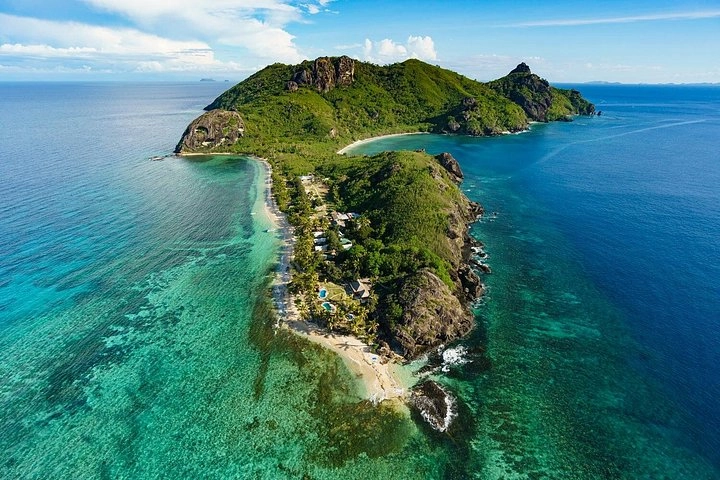
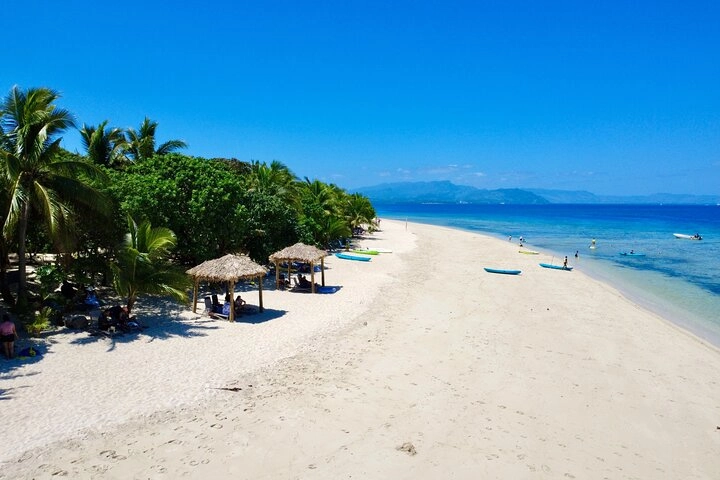
Book a trip where this was filmed — near Denarau Island
Support Sailing Red Seas
At WeBoating.com, we profoundly acknowledge the unwavering dedication that Sailing Red Seas invests in crafting each and every video or voyage. Their passion for delivering exceptional ocean content shines through every frame, and it's a labor of love that deserves your attention.
We invite you to watch their captivating videos here and actively engage with their content, including their social media links above. Liking, commenting, and sharing their work goes a long way in fueling their creative fire.
We're also inviting you to explore the gear, sponsorships, and boat partnerships highlighted in the "DEADLY WEATHER coming right for us!" video description, or directly on YouTube. By engaging with these offerings or purchasing services and items, you directly support Sailing Red Seas, their collaborators, and the brands they're associated with.
To ensure you never miss an offshore update, consider visiting their official YouTube Channel to subscribe, like, and join their community directly.
If you have any feedback, corrections, or additional information about Sailing Red Seas or their videos, please use the comment form below to share your thoughts with us.
Thank you for being a part of our community and supporting the creators we cherish. Your time and support truly matter!
We only have 24 hours to get safely out of Fiji - cyclone season is coming and this super El Niño season is looking to be a record breaking one with huge storms forecast across the South Pacific.
We have a few options but it's hard to decide where to go - so let us know what you think we should do. Head north, go south (again) or stay put and cross our fingers? What would you do in this situation?
Check out the first aid kit we carry onboard: www.sealwoundcare.com
- - - - - - - - - - - - - -
🙌🏻 Support us 🙌🏻
PATREON: www.patreon.com/redseas
TIPJAR: www.tpjr.us/redseas
NEW MERCH STORE: www.red-seas.com/shop
💬 Follow us on social media 💬
FACEBOOK: www.facebook.com/realredseas
INSTAGRAM: www.instagram.com/realredseas
⏰ Time Stamps ⏰
00:00 We need to leave!
01:37 Why we need to get out of Fiji
02:57 Option 1: should we sail south?
04:46 Option 2: should we sail north?
06:05 Option 3: can we stay here?
08:36 Sailing race: Leopard vs Nautitech
10:53 Health update
13:46 The first aid we carry onboard
15:44 Can we sail when there's no wind?
18:51 No episode next week - see you the weekend after (or watch it on Patreon)
🎵 Music 🎵
All tracks can be found at Epidemic Sound.
- - - - - - - - - - - - - - - - - - - - - - - - - - - - - - - - - - - - - - - - - - - - - - - - - - - - - - - - - - - - - -
📖 Our Story 📖
We're Iain and Brioni [The Reds] a couple of redheaded Scots who sold everything we own and moved halfway round the world to buy a boat that we could call home. We have a habit of finding ourselves in the most unusual circumstances, but that’s what makes life interesting! We live in search of the most remote places to live and sail so hit subscribe and join us on this adventure!
🗺️ Track 🗺️
https://www.noforeignland.com/boat/red-seas/journey?find=0&sid=6132493533052928&tc=1679925060879ieours
Sailing Red Seas
Iain and Brioni Cameron documented 20,000 NM on their Leopard 47 'Indioko'. Follow their 2026 mission and massive New Zealand refit in this technical feature.
Channel Information:
Social Media Links:
DEADLY WEATHER coming right for us! Location
- Denarau Island, Fiji (-17.77276,177.3736292)
- Vuda Point, Viti Levu, Fiji (-17.6833,177.3833)
Latest Episodes from Sailing Red Seas
Explore the most recent voyages. Subscribe to the channel to never miss an update!

I need SURGERY…
In Fiji, Brioni faces a complex surgical wisdom tooth extraction at Grace Road Dentistry while Iain tackles fouled through-hulls and a complete refrigerator rebuild aboard Indioko at Musket Cove.
DEADLY WEATHER coming right for us!
Facing an incoming super El Niño cyclone season in the South Pacific, Iain and Brioni navigate their Leopard 47 across the Fijian lagoon to secure Indioko before departing on a flight to Athens.
We JUST got here…and now we HAVE TO LEAVE!
Iain and Brioni depart Kadavu on a 120-mile overnight spinnaker passage to Musket Cove, navigating a broken 25-year-old block and late-season South Pacific weather to collect an upgraded Sailrite Ultrafeed sewing machine.
Could we LIVE HERE? (Hidden Fiji caves!)
Iain and Brioni explore remote sea caves, hike through abandoned television film ruins, and dive the Great Astrolabe Reef off Ono Island in Kadavu, Fiji.
SHE FOUND HER CALLING!
Iain and Brioni Cameron of Sailing Red Seas navigate their Leopard 47 catamaran Indioko on an overnight passage from Totoya to Kadavu, Fiji, freediving with giant pelagic manta rays in the Great Astrolabe Reef.