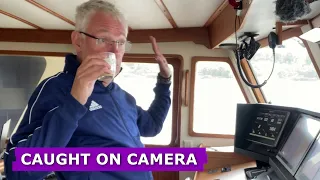
Solo via Sea and Seine to Paris #18 | Why You Can't Rush the River Seine
Navigating a classic 50-foot displacement trawler up the River Seine toward Paris demands absolute deference to the waterway’s unyielding timetable. On the eighteenth passage of his Season 6 inland voyage, Dr. Henk-Jan van Essen aboard the 1980 Blue Ocean 50 Trawler Lady Liselot proved that European river cruising cannot be rushed. Documenting his single-handed journey for Sailing MV Lady Liselot, the Dutch mariner demonstrated why patience, meteorological discipline, and methodical engineering form the foundation of solo inland passagemaking.
The passage began enveloped in zero-visibility autumn river fog. While coastal mariners often navigate open channels via radar and electronic waypoints, French inland regulations strictly forbid recreational craft from underway navigation in dense fog or darkness. For a solo skipper handling a 25-ton displacement vessel, waiting nearly four hours until midday sun burned through the mist was essential seamanship.
When visibility cleared, the Seine revealed its true character: an active commercial corridor shared with massive freight barges, variable currents, and tight bridge clearances. From lowering his folding mast for unmapped crossings to managing the hydraulic surges of industrial locks, Dr. van Essen’s transit confirms the primary rule of the French waterways: you cannot rush the River Seine, even when Paris awaits.
The Autumn Fog Delay: French River Regulations and Visibility Guardrails
Aboard the Blue Ocean 50 Trawler Lady Liselot on the River Seine in France, Dr. Henk-Jan van Essen of Sailing MV Lady Liselot awoke to an impenetrable blanket of October mist. By 08:00, visibility across the navigation fairway had fallen to zero. Under the French inland navigation code enforced by Voies Navigables de France (VNF), pleasure craft are strictly prohibited from moving in fog or after dark. Unlike commercial péniches equipped with certified river radar and rate-of-turn indicators, recreational yachts must remain moored until natural sightlines return.
Single-handed passage planning requires resisting the urge to force an artificial schedule. Remaining tied to his mooring until 11:30 allowed the midday sun to warm the Seine valley, dissolving the fog into clear skies. Underway navigation in marginal visibility on a river carrying heavy commercial freighters risks catastrophic collisions, especially around blind bends where recreational craft hold no right-of-way over loaded commercial cargo.
Commercial Freight Encounters: Péniches, Blue Boards, and Channel Etiquette
Steaming upstream aboard the Blue Ocean 50 Trawler Lady Liselot along the River Seine in France, Dr. Henk-Jan van Essen of Sailing MV Lady Liselot promptly adapted to the commercial tempo of the river. Shortly after departing at 11:30, the trawler fell in behind the Dutch commercial motor barge Kingston, cruising at 12 kilometers per hour. Sharing the waterway with fellow Dutch mariners highlighted the active international freight trade linking northern Europe with the French interior.
As Lady Liselot progressed, oncoming traffic tested Dr. van Essen’s command of inland waterway passing rules. Meeting two massive commercial vessels—including an 84-meter cargo barge named Yacht—demanded instant compliance with European CEVNI signaling. Commercial barges navigating deep channels frequently display a blue board (le panneau bleu) with a flashing white light on their starboard side, requesting a starboard-to-starboard pass contrary to standard port-to-port rules. Dr. van Essen altered course toward the opposite bank, maintaining the mandatory 50-meter shoreline buffer to give the loaded freighter the deep-water center channel.
Air Draft Management: Mast Lowering and Overhead Clearance Forensics
Piloting the Blue Ocean 50 Trawler Lady Liselot through the scenic reaches of the River Seine in France, Dr. Henk-Jan van Essen of Sailing MV Lady Liselot maintained vigilant watch over overhead clearances. European inland waterways present constant air draft challenges beneath historic bridges and utility crossings. While electronic charts noted an approaching suspension bridge (pont suspendu) charted at 8.23 meters, unchartered river crossings demand conservative seamanship.
While scouting a tranquil side-channel lake spanned by a 7.50-meter bridge—earmarked as a serene anchorage for an April return voyage—Dr. van Essen spotted an uncharted industrial pipeline crossing (passerelle technique) spanning the river. Unable to gauge vertical clearance from the helm, he followed his steadfast safety rule: every second spent debating clearance is a second wasted. Ascending to the flybridge, he manually lowered and secured the trawler’s folding navigation mast. Although visual inspection later confirmed nearly nine meters of clearance, lowering the mast eliminated all risk of structural collision.
Powertrain Engineering and Current Resistance: Twin Perkins 6.354TE Performance
Under the steady rumble of the Blue Ocean 50 Trawler Lady Liselot on the River Seine in France, Dr. Henk-Jan van Essen of Sailing MV Lady Liselot monitored propulsion performance against substantial river flow. Even within locked weir pools, the Seine produces a continuous opposing current of one to two kilometers per hour around channel pilings, steadily resisting upstream progress.
Lady Liselot relies on twin Perkins 6.354TE turbocharged diesels producing 150 horsepower each, fully rebuilt in 2024 following extensive North Sea voyaging. Pushing a 25,000-kilogram (55,000-pound) solid fiberglass displacement hull with a 1.37-meter draft at an upstream speed of 11 kilometers per hour requires steady thermal management, clean fuel delivery, and vigilant gauge checks. The heavy displacement hull creates substantial hydrodynamic momentum, demanding precise throttle adjustments and rudder control to counter barge wakes and turbulent river eddies.
Single-Handed Lock Navigation: Hydraulic Surge and Mooring Logistics
Reaching the massive commercial river lock at Point Kilométrique 160 aboard the Blue Ocean 50 Trawler Lady Liselot on the River Seine in France, Dr. Henk-Jan van Essen of Sailing MV Lady Liselot prepared for the physical rigors of industrial lock navigation. After three and a half hours underway from PK 165, the trawler entered the lock chamber alongside the freight barge Kingston, flanked by nine-meter steel gates.
Single-handed lock handling requires flawless line management. As water surges from submerged culverts, violent hydraulic currents can slam a 25-ton boat against abrasive lock walls. Dr. van Essen deployed oversized fenders and rigged heavy midship spring lines to secure to wall bollards. Upon clearing the lock chamber, he made the disciplined decision to conclude the cruising day at 16:00 after four hours underway. Having experienced the hazards of locking in total darkness, he obtained permission from lock personnel to moor along an empty waiting quay, securing Lady Liselot safely before sunset to enjoy coffee and local French biscuits.
River Seine Operational Log and Blue Ocean 50 Specifications
Aboard the Blue Ocean 50 Trawler Lady Liselot transiting the River Seine in France, Dr. Henk-Jan van Essen of Sailing MV Lady Liselot combines systematic engineering with traditional seamanship. Key vessel specifications and river navigation parameters are outlined below:
| Operational Dimension | Technical Metric & Navigation Protocol |
|---|---|
| Flagship Vessel | Lady Liselot (1980 Blue Ocean 50 Trawler) |
| Builder & Hull Type | Lien Hwa Boat Yard (Taiwan) | Solid Hand-Laid Fiberglass (GRP) |
| Dimensions & Draft | LOA: 15.24 m (50′ 0″) | Beam: 4.57 m (15′ 0″) | Draft: 1.37 m (4′ 6″) |
| Displacement | 25,000 kg (approx. 55,115 lbs / 27.5 metric tons) |
| Propulsion Machinery | Twin Perkins 6.354TE Turbo Diesels (150 HP x 2, Overhauled 2024) |
| Inland Route | River Seine (Honfleur / Le Havre toward Port de l’Arsenal, Paris) |
| Speed & Current | Opposing Flow: 1–2 km/h | Cruising Speed: 11–12 km/h |
| Air Draft Protocol | Bridge Clearance: 8.23 m | Lowering Mast for Uncharted Crossings |
| Commercial Etiquette | CEVNI Blue Board (Panneau Bleu) Starboard-to-Starboard Passing |
| Lock Logistics | Commercial Chamber (PK 160) | 9 m Gates | Single-Handed Springs |
Frequently Asked Questions
Lady Liselot is a 1980 Blue Ocean 50 Trawler built at the Lien Hwa Boat Yard in Taiwan, featuring a solid fiberglass displacement hull with a 50-foot length overall and a 25-ton displacement.
Under French inland navigation regulations (VNF/CEVNI), pleasure craft without specialized river radar, rate-of-turn indicators, and certified AIS are strictly prohibited from moving in fog or darkness to prevent collisions with commercial freight barges.
The trawler is powered by twin modernized Perkins 6.354TE turbocharged marine diesel engines producing 150 horsepower each, which underwent a total forensic rebuild in 2024 following extensive North Sea cruising.
Commercial barges use the European CEVNI blue sign or blue board (panneau bleu) with a flashing white light on their starboard side to signal that vessels must pass starboard-to-starboard instead of the normal port-to-port rule.
Dr. van Essen rigs heavy midship spring lines and oversized fenders, using the center cleat to secure to recessed floating or fixed wall bollards while managing violent hydraulic water surges during lock cycling.
Because the pipeline crossing (passerelle technique) lacked charted height markers, Dr. van Essen immediately lowered the folding radar mast from the flybridge to eliminate any risk of overhead bridge or pipe collision.
Navigating through high-walled commercial locks in the dark is hazardous for a single-handed skipper; stopping at 16:00 allowed Dr. van Essen to secure to a safe lock quay before dusk and avoid night locking.
Book a trip where this was filmed — near Paris
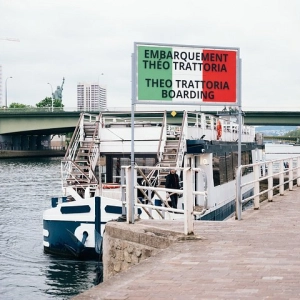
Paris Theo Boat Seine River Italian Trattoria Style Dinner Cruise
Sold by Le Diamant Bleu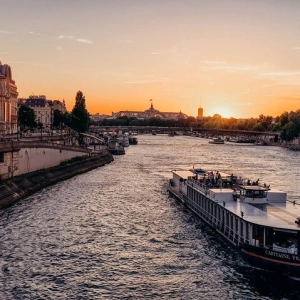
Paris Capitaine Fracasse 3 Course Seine River Dinner Cruise
Sold by Vedettes de la Seine
Top Private Cruises in Paris with French Champagne and surprises
Sold by Visite Paris En Bateau
Support Sailing MV Lady Liselot
At WeBoating.com, we profoundly acknowledge the unwavering dedication that Sailing MV Lady Liselot invests in crafting each and every video or voyage. Their passion for delivering exceptional ocean content shines through every frame, and it's a labor of love that deserves your attention.
We invite you to watch their captivating videos here and actively engage with their content, including their social media links above. Liking, commenting, and sharing their work goes a long way in fueling their creative fire.
We're also inviting you to explore the gear, sponsorships, and boat partnerships highlighted in the "Solo via Sea and Seine to Paris #18 | Why You Can't Rush the River Seine" video description, or directly on YouTube. By engaging with these offerings or purchasing services and items, you directly support Sailing MV Lady Liselot, their collaborators, and the brands they're associated with.
To ensure you never miss an offshore update, consider visiting their official YouTube Channel to subscribe, like, and join their community directly.
If you have any feedback, corrections, or additional information about Sailing MV Lady Liselot or their videos, please use the comment form below to share your thoughts with us.
Thank you for being a part of our community and supporting the creators we cherish. Your time and support truly matter!
On the Seine, everything runs on the river's own timetable. When morning mist completely blankets the water, the rules of the river change instantly. Cruising the River Seine toward Paris means dealing with everything the elements throw your way—starting this day wrapped in zero visibility October fog.
In this episode aboard Lady Liselot, we handle the morning fog delays, share the channel with massive commercial barges, calculate bridge clearances, and navigate the strong French river currents down to a peaceful mooring. Footage from 2025-10-01, makes this episode 17 of season 6.
EASIEST WAY TO SUPPORT ME?
1. Subscribe to the channel!
2. Help me build a fund to pay the loan I took to get my engines rebuild. Please donate via https://www.gofundme.com/f/mvladyliselot
In this episode, we navigate around commercial barges, figure out French water rules on the fly, and find a surprisingly peaceful mooring spot just past the locks—with enough time left for French biscuits and coffee.
If you enjoy the slow life on European waterways aboard Lady Liselot, hit that subscribe button and join the journey!
Thanks for coming along! Please leave any questions or comments below.Why You Can't Rush the River Seine (Even When Paris is Waiting)

Sailing MV Lady Liselot
Dr. Henk-Jan van Essen balanced a PhD defense with single-handed trawler voyaging on 'Lady Liselot'. Follow his 2026 mission to London and Paris in this feature.
Channel Information:
Social Media Links:
Solo via Sea and Seine to Paris #18 | Why You Can't Rush the River Seine Location
- River Seine Lock & Reach, Mu00e9ricourt / Mantes-la-Jolie, u00cele-de-France, France (49.0069,1.6608)
- Terminal Destination: Port de l'Arsenal / Paris, France (48.8505,2.3686)
Latest Episodes from Sailing MV Lady Liselot
Explore the most recent voyages. Subscribe to the channel to never miss an update!
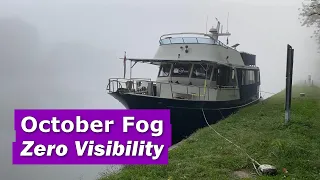
Solo via Sea and Seine to Paris #18 | Why You Can’t Rush the River Seine
Dr. Henk-Jan van Essen navigates his Blue Ocean 50 trawler Lady Liselot single-handed up the River Seine toward Paris, managing morning fog delays, commercial barges, air draft clearances, and river locks.
Solo via Sea and Seine to Paris #17 | Language Barrier Stress In My First (ever) French Lock
Cruising the Seine all the way to Paris sounds like a dream, but things can turn intense real quick. In this episode, as daylight fades, I face a 30-kilometer push toward the lock with the Lady Liselot. What starts as a peaceful evening cruise suddenly spikes my stress levels when the lock keeper st...
Solo via Sea and Seine to Paris #16 | High Tide, Wrong Direction?
After 14 days in Rouen repairing the engine and taking on 1,500 liters of diesel, it's finally time to throw off the lines and head toward Paris. Leaving the harbor behind, the journey continues along the Seine, but the river has a few surprises in store. I left The netherlands in august 2025 ...
My Journey Came To An Halt.
Hunting for diesel along the French waterways was already shaping up to be a challenge—until the unexpected happened mid-transit: my port engine suddenly shut down. With kilometers still to go and limited options, I had to figure out what went wrong while keeping the vessel moving forward. Footage f...
This is NOT what you want to experience after 9 hours cruising
9 hours at the helm, fatigue setting in, and Rouen finally in sight. I thought the hard part of the day was behind us. I was wrong. When your plans completely collapse at the worst possible moment, there’s no time to rethink—you just have to make a call and hope it works out. This was easily one o...