We Traded the Ocean for the Mountains | Our Journey to Minca, Colombia
Before packing up for an inland mountain excursion from Cartagena, the crew of Sailing Big Lost walked half a mile from the marina to the Castillo de San Felipe de Barajas. Standing atop the hill of San Lázaro, the massive stone fortress had guarded land and sea approaches since 1639, enduring assaults through the late 1600s and early 1800s before earning recognition as a UNESCO World Heritage site in 1984.
After wandering the ramparts and recalling a similar colonial fortification they had visited in Guatemala, the family headed into Cartagena’s Getsemaní neighborhood within the old walled city. Between street performers and neighborhood music, Maddie stopped to eat a freshly grilled arepa—a traditional Colombian flatbread made from ground maize dough and stuffed with cheese—before the family assembled their gear to travel into the mountains.
Convoy to Minca and Mountain Villa Logistics
Outside the marina, the family gathered with cruising crews from S/V La Vida Shred and S/V Palarran for the overland leg to Minca. The journey began with a five-hour van ride heading north of Santa Marta. Upon reaching the lower slopes, the thirteen travelers transferred all baggage and provisions from their Sprinter van into two four-wheel-drive vehicles to manage the steep, unpaved incline.
The mountain road proved narrow and winding, with frequent washouts and mudslides during heavy downpours. Drivers sounded their horns before every blind bend to alert oncoming traffic. Their rented villa stood forty minutes up the mountain from Minca in the Sierra Nevada foothills, high enough that ambient temperatures fell with each 1,000 feet gained. With Hurricane Melissa active offshore in the Caribbean, conditions turned misty and damp, running nearly 20 degrees cooler than sea level.
Accommodating three families gave the seven kids, who ranged in age from 11 to 14, plenty of shared room for sleepovers, choreographing dances, and tag. For the adults, the standout arrangement was outsourcing meal preparation.
“For just $25 a day, we were able to hire a local chef to prepare three meals a day for all of us”
Kelly
Hiking the Cloud Forest and Hillside Coffee Terraces
At 9:30 AM, the crew set out on foot from the villa to hike down the roadway before rain moved in. After walking four kilometers along the road, the group reached private land and paid 3,500 COP per person to cross toward a cascading waterfall, establishing a 10-kilometer round-trip route. The trail flanked the El Dorado Bird Reserve, a protected parcel spanning over 2,500 acres that shelters resident and migratory birds across subtropical wet and cloud forests.
“They have all these coffee plants growing on the side of the hill and they harvest them all by hand”
Kelly
Along the steep grades, local farmers cultivated coffee bushes on severe inclines where footing proved precarious. The crew observed the crop lifecycle: seedlings grow for 10 years before workers coppice the shrubs down to 30 centimeters, granting another five years of growth before complete replanting, with peak fruitfulness occurring between 5 and 8 years.
Water-Powered Heritage at La Victoria Coffee Farm
Not far from the bird reserve, the group toured La Victoria Coffee Farm, an operational plantation established in 1892. Ranked among the top five coffee producers in the Magdalena department, the farm yields roughly 200,000 kilograms of coffee beans each year. Around 10 percent is roasted and packaged under their in-house label, while the remainder is exported to global roasters.
Field hands harvest the crop by hand, selecting only ripe red or yellow cherries containing the coffee seeds. The harvested cherries travel down mountainside flumes via gravity-fed water channels directly into collection bins. Water currents then guide the beans through a mechanical pulper to strip the outer fruit skin, feeding fermentation bays where the crop rests prior to washing and drying. Byproducts are composted back into the hillside soil, and Kelly purchased several bags of roasted beans to provision the galley aboard Big Lost.
Minca Town Excursions and Gecko Anatomy
Descending into the town of Minca, the cruisers resupplied on basic groceries, bought cold ice cream treats, and spent time on the municipal park teeter-totters. During a hunt for moths in the foliage, the children captured a small gecko, inspecting its microscopic toe hairs that enable it to scale sheer walls. They examined its defensive ability to shed its tail when startled, noting that captive geckos can reach 15 to 25 years while wild individuals average 10 years.
After feeding the gecko half a moth and an ant, the kids named the lizard Liz before releasing it back to the brush. Kelly noted that any lizard boarding their catamaran near a marina would be welcome as an organic bug hunter.
Through-Hull Bung and Blackwater Valve Repair
Packing up from the mountain villa with ambient temperatures sitting around 70 to 75 degrees, the family returned to Cartagena’s tropical warmth. Back aboard the catamaran, mechanical maintenance took priority. An earlier replacement O-ring inside the blackwater valve had failed to seat properly, causing a persistent head leak.
Complicating the job, Connor threw out his back on the soft mountain mattress, leaving Kelly and Finn to tackle the plumbing overhaul. Because pulling the valve risked flooding seawater into the hull, Finn suited up and swam under the vessel.
“Finn got in the water to insert a bung into the through hole, which allowed me to safely pull the valve without letting seawater rush in”
Kelly
With the through-hull sealed from the outside, Kelly extracted the valve assembly, addressed the faulty seal, and restored the blackwater system to full working order.
| Excursion / Maintenance Detail | Recorded Figure |
|---|---|
| Private Chef Service | $25 per day for thirteen people |
| Waterfall Trail Access Fee | 3,500 COP per person |
| Waterfall Hike Distance | 10 kilometers round trip |
| El Dorado Bird Reserve Area | 2,500 acres protected forest |
| La Victoria Coffee Production | 200,000 kilograms annually |
| La Victoria Founding Year | 1892 |
| Mountain Temperature Drop | Nearly 20 degrees cooler than sea level |
Frequently Asked Questions
The three cruising families paid $25 per day to hire a local chef who prepared three daily meals for all 13 people over their four-day stay.
Hikers paid 3,500 COP per person to cross private land during the 10-kilometer round-trip trek to the waterfall.
La Victoria Coffee Farm was established in 1892 and produces approximately 200,000 kilograms of coffee per year, with about 10 percent roasted locally and the rest exported.
Finn swam under the hull to insert a wooden bung into the through-hull from outside the boat, preventing seawater ingress so Kelly could safely unbolt and repair the valve.
Support Sailing Big Lost
At WeBoating.com, we profoundly acknowledge the unwavering dedication that Sailing Big Lost invests in crafting each and every video or voyage. Their passion for delivering exceptional ocean content shines through every frame, and it's a labor of love that deserves your attention.
We invite you to watch their captivating videos here and actively engage with their content, including their social media links above. Liking, commenting, and sharing their work goes a long way in fueling their creative fire.
We're also inviting you to explore the gear, sponsorships, and boat partnerships highlighted in the "We Traded the Ocean for the Mountains | Our Journey to Minca, Colombia" video description, or directly on YouTube. By engaging with these offerings or purchasing services and items, you directly support Sailing Big Lost, their collaborators, and the brands they're associated with.
To ensure you never miss an offshore update, consider visiting their official YouTube Channel to subscribe, like, and join their community directly.
If you have any feedback, corrections, or additional information about Sailing Big Lost or their videos, please use the comment form below to share your thoughts with us.
Thank you for being a part of our community and supporting the creators we cherish. Your time and support truly matter!
We’re a family sailing full-time, exploring the Caribbean and Central America aboard our sailing catamaran Big Lost. New episodes every Tuesday at 10:30 AM ET.
In this episode of Sailing Big Lost, we head inland for a change of scenery—trading the Caribbean coast for the lush mountains of Minca, Colombia. Nestled in the Sierra Nevada range, Minca is a charming mountain town known for its cool climate, cloud forests, and cascading rivers.
We’re joined on this adventure by our cruising buddies from S/V La Vida Shred and S/V Palarran. You may remember La Vida Shred from our time together back in Allen’s Cay, Bahamas—but this time, we’re swapping turquoise water for misty mountain trails!
Join us as we make the five-hour drive to our Airbnb in the hills, explore the La Victoria Coffee Farm, and take a veryrefreshing dip in the cold mountain rivers of Colombia. From teeter-totters in town to breathtaking views in the cloud forest, this episode is all about slowing down, connecting with friends, and soaking in the natural beauty of the Sierra Nevada.
☕🌿 Adventure. Friendship. Nature.
We’re so glad you’re here—thanks for watching and being part of our journey!
💙 Join Our Crew:
Subscribe ➡️ https://www.youtube.com/@UCgQWjtfYowV40rQK87XtzKQ
Instagram ➡️ hhttps://www.instagram.com/sailingbiglost/
TikTok ➡️ https://www.tiktok.com/@sailingbiglost
Website & Merch ➡️ https://www.sailingbiglost.com
If you would like to help support our adventure please check out our Patreon:
https://www.patreon.com/c/Biglost
#SailingBigLost #Minca #ColombiaTravel #SailingFamily #CruisingLife #BoatLife #LaVictoriaCoffeeFarm #CloudForest #TravelVlog #worldtravel
🎵 Copyrighted music licensed from Lickd. https://lickd.co Chan Chan by Buena Vista Social Club, https://t.lickd.co/l/bK1V4aJKvGO
Sailing Big Lost
Sailing Big Lost follows Conor, Kelly, Finn, and Maddie Malone from Sun Valley, Idaho, living full-time aboard their South African Vision 444 ES catamaran, Big Lost. In 2026, their channel documents transiting the Panama Canal, completing a 3,000-mile Pacific crossing, diving Tuamotu atolls, and raising teenagers offshore.
Channel Information:
Social Media Links:
We Traded the Ocean for the Mountains | Our Journey to Minca, Colombia Location
- Minca, Magdalena, Colombia (11.142812,-74.116677)
- La Victoria Coffee Farm, Minca, Colombia (11.1292,-74.0917)
- Cartagena, Bolívar, Colombia (10.4183,-75.5394)
Latest Episodes from Sailing Big Lost
Explore the most recent voyages. Subscribe to the channel to never miss an update!
We Set Out to Sail the World…We Found So Much More
We set out to sail the world. We found so much more. When we traded our life on land for life aboard a sailboat, we knew we wanted to explore the world together. What we didn’t fully appreciate was how much more this adventure would give us. Friends who have become family. A community that looks o...
How Do Kids Make Friends Sailing Around the World? ⛵ #Shorts
What happens to your kids' friendships when you decide to sail around the world? We're raising two teenagers aboard our sailing catamaran, Big Lost, and one of the biggest surprises has been watching them make friends with other cruising kids. From skateboarding to swimming between boats...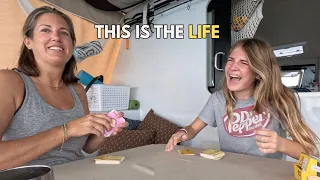
After All That Chaos… This Is Why We Sail
The Malone family faces unexpected challenges in Tahiti, from strict anchoring regulations and electrical mishaps to supporting a friend through an emergency appendectomy.
What Living on a Sailboat REALLY Looks Like ⛵ #Shorts
Living on a sailboat full-time isn't always about sailing to beautiful destinations. Sometimes it's boat repairs, unexpected challenges, helping fellow cruisers, and enjoying everyday family life in French Polynesia. We're a family of four sailing around the world aboard Big Lost, s...
One Mistake. Days of Sailboat Repairs. 😅
It only took a moment to break our dinghy davits. Fixing them was another story! Changing sailing plans, coordinating repairs, fabrication, and finally testing whether our solution worked. Just another day of living aboard our sailing catamaran, Big Lost. 🎥 Watch the full episode: We Broke It. No...