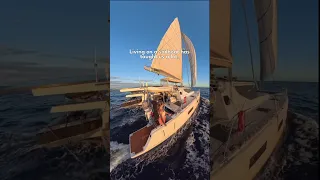
We Finally Made It! 1,051 Nautical Miles to Saint Thomas 🌊⛵
Facing an impending June 1st hurricane deadline, Connor and the crew aboard Sailing Big Lost departed Rock Sound on Eleuthera in the Bahamas on an offshore crossing directly to Saint Thomas in the US Virgin Islands. Rather than following the conventional cruising route that hops through Turks and Caicos, the Dominican Republic, and Puerto Rico over several weeks, the family elected to cut south across open ocean aboard their Vision 444 catamaran, Big Lost. The route bypassed numerous interim ports to save time ahead of tropical storms, committing the vessel to continuous open-water sailing.
Sailing without additional crew on deck, the voyage served as a critical operational test for both the catamaran and the family watch rotation. Long stretches of motoring into stubborn headwinds extended the passage beyond initial forecasts, demanding active management of propulsion machinery, diesel reserves, and sail trim across more than 1,051 nautical miles of open water.
Motoring South and Diesel Fuel Transfers
During the opening stages of the passage, light and unfavorable winds required extended motoring. After logging 2 days, 20 hours, and 33 minutes underway, the navigation instruments recorded 395.6 nautical miles covered at an average speed of 5.8 knots. Both Nanni diesel engines operated at a steady 1,800 RPM to preserve fuel while maintaining forward progress against opposing chop.
Monitoring fuel consumption showed both the port and starboard diesel tanks dropping to a quarter tank. Taking advantage of a calm sea state before forecast breeze arrived, the crew brought out 34 gallons of diesel fuel stored on deck in jerry cans. Pouring the reserves directly into the main deck fills ensured the engines could run without risk of drawing air or uncovering fuel pickups before winds shifted enough to set sails.
Engine Compartment Repairs Underway
Mechanical complications arose offshore when the engine compartment ventilation failed on the port side alongside raw water circulation trouble. Connor pulled the failed components to perform necessary repairs while maintaining passage momentum. He removed and replaced the port engine raw water pump, securing cooling flow to the auxiliary diesel before heat buildup could threaten propulsion.
Simultaneously, the crew replaced the burned-out blower with a larger, continuous-duty model. The original units installed on the catamaran were unsuitable for the operating demands of diesel machinery.
“Connor was just telling me that in a gas engine, they just exhaust fumes and then shut off. They don’t continually exhaust like they do on a diesel engine.”
With both engine rooms fitted with the correct blowers and cooling water restored, the vessel avoided overheating risks as the crew readied their sails for offshore wind.
Close Reaching and Code 55 Sail Selection
By Monday morning, the crew ceased motoring to protect their remaining fuel reserves and angled northeast on a tight close reach. Instruments registered 21 knots of apparent wind speed at an apparent wind angle of 52 degrees. The catamaran tracked forward at 5.7 knots through the water, targeting a waypoint 56 nautical miles ahead to secure adequate sea room before bearing away directly toward Saint Thomas.
To improve boat speed without sacrificing their wind angle, the crew evaluated their velocity made good. After initially unfurling the jib, they hoisted the Code 55 reaching sail. The sail change accelerated Big Lost from 5 knots to nearly 9 knots at an apparent wind angle between 47 and 48 degrees.
“And there’s always the equation of velocity made good, whether you want to go slower but straight to where you want to go, or you can go faster, you know, another way, but not straight at it.”
Offshore living presented immediate practical hazards as boat motion increased under sail. A cabin window left cracked open during the earlier calm conditions allowed a boarding sea to flood the interior berth.
“I was laying down here when it was way calmer and cracked this window for some air and just cracked and spaced it. And now that we’re rolling with the sails up, a big wave came in and came down and soaked our bed.”
Squalls and Landfall in Brewers Bay
Conditions deteriorated on day 5 as the catamaran logged 717 nautical miles through squalls and confused seas. Off-watch rest proved difficult in the slamming hull motion; daughter Maline remained bunked down for 3 days while son Ben dealt with motion sickness. By 5 days and 20 hours at sea, Big Lost had covered 831 nautical miles, maintaining an overall passage average of 5.9 knots.
To moderate the pounding as the catamaran came off waves at 7 knots, the crew tucked a reef into the mainsail in 18 knots of apparent wind at a 59-degree angle. Sighting the heights of Saint John signaled the end of the open-ocean leg, leading the vessel into Brewers Bay on Saint Thomas after 7 days and 2 hours underway, covering 1,051 nautical miles.
Dousing the mainsail in the bay revealed mechanical friction along the mast track. The crew had to manually haul the downhaul line by hand to bring the headboard down.
“You should be able to drop your main quickly, especially in an emergency.”
During an attempt to re-hoist and tidy the sail flakes, the downhaul remained locked in its deck clutch, parting the sheet under winch pressure. The crew secured the rig in Brewers Bay, scheduling a local rigger for Monday to inspect shroud tensions and service the mainsail track.
Passage Navigation and Performance Log
| Passage Milestone | Recorded Metrics |
|---|---|
| First Log Underway | 2 days 20 hours 33 minutes, 395.6 nautical miles, 5.8 knots average |
| Engine Motoring | 1,800 RPM, 34 gallons diesel transferred from jerry cans |
| Close Reach Sailing | 21 knots apparent wind, 52 degrees angle, 5.7 knots boat speed |
| Code 55 Performance | Speed increased to 9 knots, 47 to 48 degrees apparent wind angle |
| Day 5 Underway | 717 nautical miles covered through squalls |
| Final Day Log | 5 days 20 hours, 831 nautical miles, 5.9 knots average |
| Passage Totals | 7 days 2 hours, 1,051 nautical miles completed to Saint Thomas |
Frequently Asked Questions
The crew sailed directly from Rock Sound on Eleuthera to Saint Thomas in the US Virgin Islands, skipping the standard island-hopping route through Turks and Caicos, the Dominican Republic, and Puerto Rico.
The nonstop passage took 7 days and 2 hours at sea, logging a total distance of 1,051 nautical miles.
Connor replaced a failed continuous-duty engine compartment exhaust blower and replaced the port side raw water pump on the Nanni diesel engine.
Hoisting the Code 55 sail accelerated the catamaran from 5 knots under jib to nearly 9 knots at an apparent wind angle between 47 and 48 degrees.
The mainsail track caused excessive friction when lowering the sail, and the downhaul sheet broke when the sail was hoisted while the downhaul remained locked in the line clutch.
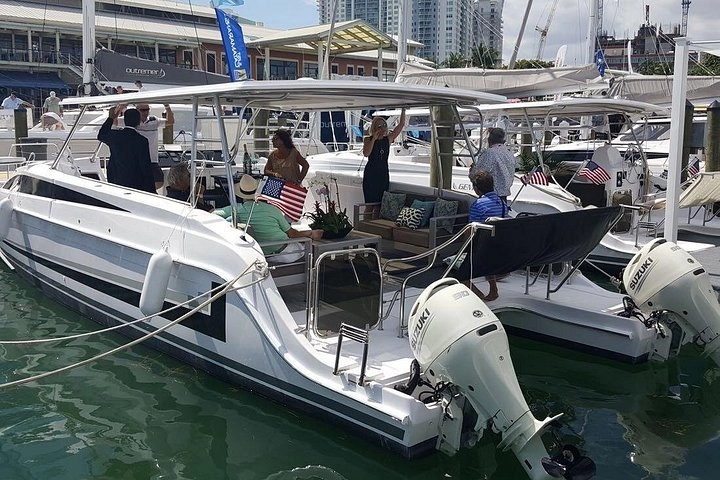
Book a trip where this was filmed — near St Thomas
Support Sailing Big Lost
At WeBoating.com, we profoundly acknowledge the unwavering dedication that Sailing Big Lost invests in crafting each and every video or voyage. Their passion for delivering exceptional ocean content shines through every frame, and it's a labor of love that deserves your attention.
We invite you to watch their captivating videos here and actively engage with their content, including their social media links above. Liking, commenting, and sharing their work goes a long way in fueling their creative fire.
We're also inviting you to explore the gear, sponsorships, and boat partnerships highlighted in the "We Finally Made It! 1,051 Nautical Miles to Saint Thomas 🌊⛵" video description, or directly on YouTube. By engaging with these offerings or purchasing services and items, you directly support Sailing Big Lost, their collaborators, and the brands they're associated with.
To ensure you never miss an offshore update, consider visiting their official YouTube Channel to subscribe, like, and join their community directly.
If you have any feedback, corrections, or additional information about Sailing Big Lost or their videos, please use the comment form below to share your thoughts with us.
Thank you for being a part of our community and supporting the creators we cherish. Your time and support truly matter!
After 7 days and 2 hours at sea, we finally made landfall in Saint Thomas!
This was our longest passage yet — and our first without extra hands on deck — so we’re incredibly proud to have safely navigated 1,051 nautical miles as a family. Along the way, we battled rough seas and squalls, replaced a failed exhaust fan and raw water pump, and managed our sails and watch shifts through it all.
This marks a major milestone on our journey south as we make our way to Grenada for hurricane season. There’s still a long way to go, but it feels good to have the biggest leg behind us.
🌊 Subscribe to follow our journey and be part of our sailing family as we chase the sun, dodge storms, and live life untethered.
🧭 New videos every Tuesday from our life aboard Sailing Big Lost!
Follow along — from land to sea and back again — with Sailing Big Lost.
📸 Instagram: https://www.instagram.com/sailingbiglost/
🏝️ TikTok: https://www.tiktok.com/@sailingbiglost
🌎 Website: https://www.sailingbiglost.com
🎥 Patreon: https://www.patreon.com/c/Biglost
Thanks for Watching! We appreciate you! 💕
Don't forget to order your SBL swag at our store:
https://www.sailingbiglost.com/store
#SailingBigLost #SailingFamily #Vision444 #CatamaranLife #BoatLife
Sailing Big Lost
Sailing Big Lost follows Conor, Kelly, Finn, and Maddie Malone from Sun Valley, Idaho, living full-time aboard their South African Vision 444 ES catamaran, Big Lost. In 2026, their channel documents transiting the Panama Canal, completing a 3,000-mile Pacific crossing, diving Tuamotu atolls, and raising teenagers offshore.
Channel Information:
Social Media Links:
We Finally Made It! 1,051 Nautical Miles to Saint Thomas 🌊⛵ Location
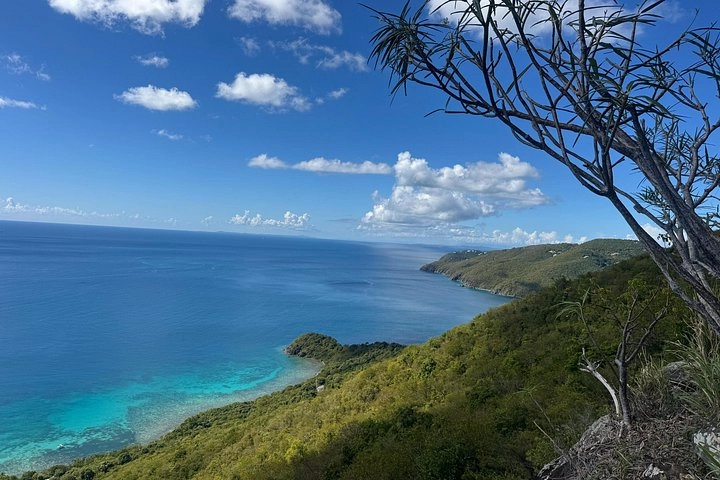
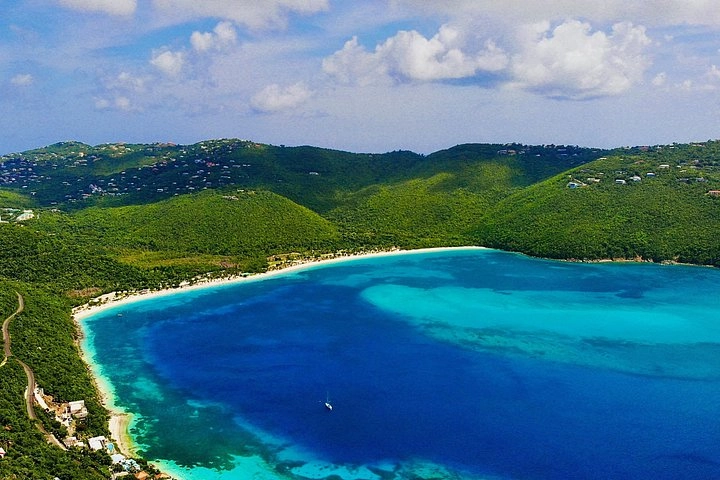
- Brewers Bay, Saint Thomas, US Virgin Islands (18.3433,-64.9801)
- Rock Sound, Eleuthera, Bahamas (24.9,-76.16)
Latest Episodes from Sailing Big Lost
Explore the most recent voyages. Subscribe to the channel to never miss an update!

We Set Out to Sail the World…We Found So Much More
We set out to sail the world. We found so much more. When we traded our life on land for life aboard a sailboat, we knew we wanted to explore the world together. What we didn’t fully appreciate was how much more this adventure would give us. Friends who have become family. A community that looks o...
How Do Kids Make Friends Sailing Around the World? ⛵ #Shorts
What happens to your kids' friendships when you decide to sail around the world? We're raising two teenagers aboard our sailing catamaran, Big Lost, and one of the biggest surprises has been watching them make friends with other cruising kids. From skateboarding to swimming between boats...
After All That Chaos… This Is Why We Sail
The Malone family faces unexpected challenges in Tahiti, from strict anchoring regulations and electrical mishaps to supporting a friend through an emergency appendectomy.
What Living on a Sailboat REALLY Looks Like ⛵ #Shorts
Living on a sailboat full-time isn't always about sailing to beautiful destinations. Sometimes it's boat repairs, unexpected challenges, helping fellow cruisers, and enjoying everyday family life in French Polynesia. We're a family of four sailing around the world aboard Big Lost, s...
One Mistake. Days of Sailboat Repairs. 😅
It only took a moment to break our dinghy davits. Fixing them was another story! Changing sailing plans, coordinating repairs, fabrication, and finally testing whether our solution worked. Just another day of living aboard our sailing catamaran, Big Lost. 🎥 Watch the full episode: We Broke It. No...