Unlocking the Secrets of the Deep with PADI (Open Water Course)
Trading the rugged interior mountains of Idaho for a liveaboard life on the ocean requires mastering far more than sails and anchor rodes. For Conor and his children, Finn and Maddie of Sailing Big Lost, their third consecutive week at Nanny Cay Marina on Tortola in the British Virgin Islands marked a shift from topside deck handling to the underwater world. After wrapping up ASA 101 and ASA 103 basic keelboat and coastal cruising certifications in week one, followed by a week of liveaboard systems trials aboard their catamaran, the family enrolled with Blue Water Divers to tackle the PADI Open Water Diver certification.
Conor had originally earned his diving credentials roughly twenty-five years earlier in Saint Martin, but decades away from regular submersion meant signing up for a comprehensive refresher. For Finn and ten-year-old Maddie, the course was entirely new territory. At ten years old, Maddie stood right at the minimum age limit permitted by PADI for junior certification, requiring her to execute identical safety skills, dive physics mastery, and open-water evolutions as adult candidates.
Rigging Regulators and Buoyancy Systems at Nanny Cay
Under the instruction of Stacy, an experienced professional with Blue Water Divers, training began dockside with the mechanics of life-support gear. Before any diver steps off a swim platform, assembling, testing, and cross-checking equipment must become second nature. Stacy walked Conor, Finn, and Maddie through inspecting scuba cylinders, verifying O-ring integrity, and mounting the buoyancy control device (BCD) harness firmly to the tank body.
Each diver inspected their first-stage regulator clamp and routed the low-pressure inflator hose directly to the BCD inflator mechanism. They confirmed free, clean airflow across both primary second-stage regulators and high-visibility octopus backup units. Stacy paid close attention to Finn, ensuring he remained engaged and methodical during safety checks. The kids practiced cycling their BCD power inflators, listening for sticky valves, and testing manual oral inflation tubes along with overpressure dump cords before strapping into their kits.
In-Water Drills: Ballast Drops, Flooded Masks, and Free-Flowing Regulators
Moving into confined water sessions, Stacy guided the students through foundational emergency and self-rescue skills. One of the first physical hurdles involved removing and ditching a loaded weight belt at depth, then clearing it and securing it back around the waist while neutral. Managing heavy ballast underwater demands calm body control so divers do not drop weights uncontrollably or trigger an uncontrolled rapid ascent.
Mask clearing presented the next critical milestone. Stacy required each student to flood their mask fully, pull it away from their face, replace the silicone skirt over their eyes, and evacuate the seawater. Conor noted that clearing a mask underwater is a skill that divers easily get rusty on if they do not dive frequently. By pressing the top frame firmly against the forehead, tilting the head back slightly, and exhaling steadily through the nose, the incoming air pocket forces trapped water out through the bottom silicone seal.
Simulating regulator malfunctions followed. Finn practiced breathing from a free-flowing regulator—an incident where a frozen or damaged second stage dumps air continuously at high pressure. Finn demonstrated the technique of turning his head sideways, opening his mouth slightly to let surplus air escape, and calmly sipping air from the roaring stream without aspirating seawater into his throat.
Surface Navigation and Diver Assistance in The Bight
The crew transitioned out from Tortola to the sheltered waters of The Bight at Norman Island, an anchorage famous among Caribbean cruisers with the legendary floating bar Willy T resting in the background. Out in open water, the training expanded into surface protocols, diver rescues, and buddy communications.
Stacy ran Finn and Maddie through tired-diver assistance procedures. In the event a buddy runs low on stamina, cramps, or faces fatigue fighting a surface current, the rescuer positions the exhausted diver on their back. The rescuing diver grasps the buddy’s tank valve or places the victim’s fin tips firmly against their own shoulders, kicking rhythmically to push the fatigued diver smoothly toward the tender or stern ladder without wasting energy.
Surface communication drill sessions brought a lighthearted reality check on hand signals. Instinctively giving a common thumbs-up gesture signals an immediate abort and ascent to the surface rather than indicating that everything is fine. Underwater, divers must give the circular thumb-and-index “OK” sign. On the dock and aboard the boat, slip-ups carried playful penalties: Conor risked a round of beer fines, while ten-year-old Maddie faced a chocolate bar penalty whenever a casual thumb crept up.
The youngsters also drilled rapid regulator-to-snorkel exchanges while bobbing in surface chop, purging water from the snorkel barrel before inhaling so they could conserve cylinder air while swimming between dive sites.
Open Water Dives: Angelfish Reef and Rainbow Canyon
For their open-water checkout dives, the Blue Water Divers boat took the family out to explore the reefs flanking Norman and Pelican Islands. Their first deep checkout took place at Angelfish Reef. A recent tropical rain shower had washed runoff through local coastal cuts, making the visibility somewhat murky. Despite the suspended sediment, the young divers stayed close to Stacy, maintaining their buoyancy and taking in their first close-up looks at Caribbean marine life.
The crowning dive of the certification took place at Rainbow Canyon off Pelican Island. Here, conditions cleared dramatically, opening up vivid underwater visibility. The dive featured spur-and-groove coral formations, towering sea fans, vibrant schools of reef fish, and natural canyon corridors that the divers could swim through. Conor highlighted Rainbow Canyon as his undisputed favorite dive of the entire trip, praising the rich marine architecture and healthy hard corals.
During the final descent, Maddie completed one of the most nerve-wracking requirements in the PADI syllabus: the Controlled Emergency Swimming Ascent (CESA). Simulating an out-of-air scenario from depth with no buddy nearby, she ascended slowly toward the sunlight on a single exhalation, steadily voicing a continuous “ahh” sound into her mouthpiece. This vocal exhalation ensures that expanding air in the lungs vents freely into the water, preventing arterial gas embolism or pulmonary barotrauma. Maddie reached the surface calmly, established positive buoyancy with her power inflator, and flashed a proud “OK” sign.
Certification Milestones and Skills Summary
Progressing from landlocked Idaho to certified scuba divers in three weeks required dedication from both the kids and Conor. The table below outlines the core drills, dive locations, and skills executed during their training with Blue Water Divers in the British Virgin Islands.
| Stage / Location | Primary Drills & Skills | Key Equipment & Safety Protocols |
|---|---|---|
| Nanny Cay Marina (Dockside) | Gear assembly, pre-dive safety check (BWRAF), regulator airflow verification | Scuba cylinder inspection, BCD inflator testing, primary and octopus regulator flow |
| Confined Water (Nanny Cay) | Weight belt removal and replacement, fully flooded mask clearing | Ballast management, head-tilt nasal exhalation, buoyancy trim adjustment |
| Confined Water (Nanny Cay) | Simulated free-flowing regulator breathing, air sipping drill | Head tilt, venting expanding air, breathing from continuous stream |
| The Bight, Norman Island (Surface) | Exhausted diver tow, regulator-to-snorkel exchange, hand signal drills | Tired-diver shoulder push, snorkel blast clearing, “OK” signal vs. thumbs-up fines |
| Angelfish Reef (Open Water 1 & 2) | Descent control, equalization, murky-water buddy positioning | Low-visibility awareness, depth monitoring, depth gauge and SPG checks |
| Rainbow Canyon, Pelican Island (Open Water 3 & 4) | Controlled Emergency Swimming Ascent (CESA), coral canyon navigation | Continuous oral exhalation (“ahh” sound), buoyancy control, reef preservation |
Watching his children transition from mountain trails to navigating tropical coral canyons reinforced the family’s choice to pursue open-ocean voyaging. With their PADI certifications in hand, the crew of Big Lost unlocked the underwater dimensions of cruising life, ready to explore anchorages both above and below the waterline.
Frequently Asked Questions
Training was conducted by Blue Water Divers, based at Nanny Cay Marina and Resort on Tortola in the British Virgin Islands. Instructor Stacy led the confined and open-water sessions.
Ten years old is the minimum age required to earn a PADI Junior Open Water Diver certification. Maddie, the daughter aboard Sailing Big Lost, qualified at age ten, completing the exact same skill curriculum as adult divers.
Conor had already earned his open water scuba diving certification approximately 23 to 25 years earlier in Saint Martin. Because he had not been diving regularly, he took a refresher to sharpen his safety drills alongside his children.
The crew conducted open-water checkout dives at Angelfish Reef, which had slightly murky visibility from recent island rain, and Rainbow Canyon off Pelican Island, which featured dramatic coral walls, clear water, and canyon swim-throughs.
During a CESA drill, a diver simulates an out-of-air scenario by ascending from the seabed at a controlled rate while continuously exhaling and vocalizing an ‘ahh’ sound. This steady exhalation vents expanding air from the lungs to prevent pulmonary barotrauma.
The tired-diver push involves placing the exhausted buddy on their back with their fin blades resting on the rescuer’s shoulders. The rescuer then kicks forward using leg drive to push the buddy toward the dive boat or shore with minimal fatigue.
Book a trip where this was filmed — near Tortola
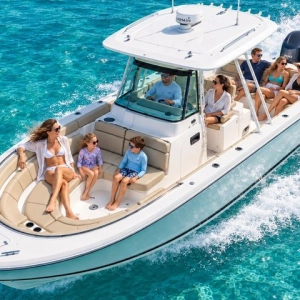
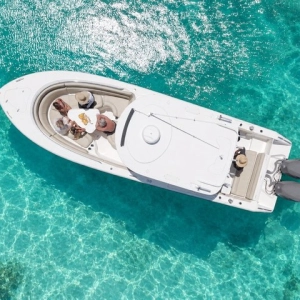
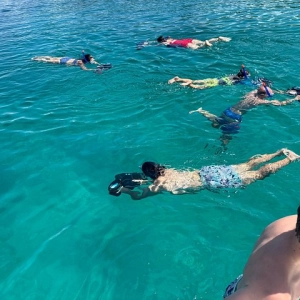
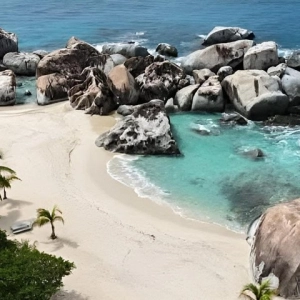
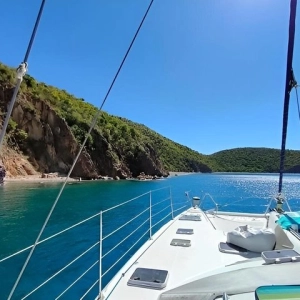
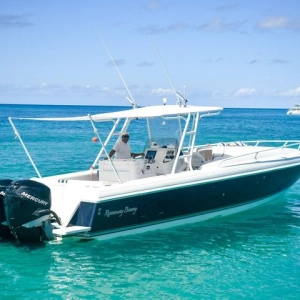
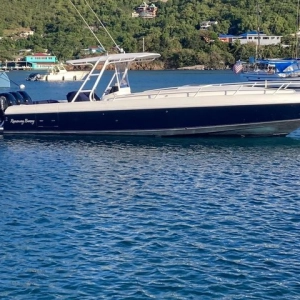
BVI Day Charter Experience on Runaway Bunny Intrepid 377
Sold by Quintessence charters aboard M/V Apotheoseas
Support Sailing Big Lost
At WeBoating.com, we profoundly acknowledge the unwavering dedication that Sailing Big Lost invests in crafting each and every video or voyage. Their passion for delivering exceptional ocean content shines through every frame, and it's a labor of love that deserves your attention.
We invite you to watch their captivating videos here and actively engage with their content, including their social media links above. Liking, commenting, and sharing their work goes a long way in fueling their creative fire.
We're also inviting you to explore the gear, sponsorships, and boat partnerships highlighted in the "Unlocking the Secrets of the Deep with PADI (Open Water Course)" video description, or directly on YouTube. By engaging with these offerings or purchasing services and items, you directly support Sailing Big Lost, their collaborators, and the brands they're associated with.
To ensure you never miss an offshore update, consider visiting their official YouTube Channel to subscribe, like, and join their community directly.
If you have any feedback, corrections, or additional information about Sailing Big Lost or their videos, please use the comment form below to share your thoughts with us.
Thank you for being a part of our community and supporting the creators we cherish. Your time and support truly matter!
Join us on Sailing Big Lost as Conor, Finn and Maddie go through the process of achieving their Padi Open Water Diver Certification with Blue Water Divers in the BVI. Maddie is the youngest age (10 yrs) in which one can earn the certification, so we were super proud of her! Please subscribe to our show and click the like button, we want to hear from you!!
✨ Don’t forget to LIKE, COMMENT & SUBSCRIBE to follow our sailing journey!
📸 Follow us on Instagram for behind-the-scenes updates: https://www.instagram.com/sailingbiglost/
🗞️ Follow us on TikTok: https://www.tiktok.com/@sailingbiglost
⛵️ Check out our Website and Merch: https://www.sailingbiglost.com
🛥️ Support Our Journey on Patreon: https://www.patreon.com/c/Biglost
Check out Blue Water Divers: https://bluewaterdiversbvi.com/
#caribbeansailing #sailingjourney #boating #sailingexperience #liveaboardlife #travel #bahamas #sailingwithkids #boatlife #catamaransailing #sailingfamily #travelvlog #boatinglife #travelfamilyvlog #BVI #Bluewaterdivers #Divecertified #travelBVI #sail #nauticaladventure #padi #scubadiving #scuba #BritishvirginIslands

Sailing Big Lost
Sailing Big Lost follows Conor, Kelly, Finn, and Maddie Malone from Sun Valley, Idaho, living full-time aboard their South African Vision 444 ES catamaran, Big Lost. In 2026, their channel documents transiting the Panama Canal, completing a 3,000-mile Pacific crossing, diving Tuamotu atolls, and raising teenagers offshore.
Channel Information:
Social Media Links:
Unlocking the Secrets of the Deep with PADI (Open Water Course) Location
- Nanny Cay Marina, Tortola, British Virgin Islands (18.3972,-64.6344)
- The Bight, Norman Island, British Virgin Islands (18.318,-64.618)
- Angelfish Reef, Norman Island, British Virgin Islands (18.315,-64.625)
- Rainbow Canyon, Pelican Island, British Virgin Islands (18.3325,-64.6275)
Latest Episodes from Sailing Big Lost
Explore the most recent voyages. Subscribe to the channel to never miss an update!
The Ordinary Days Are the Ones We’ll Remember ❤️ #Shorts
Not every day sailing the world is an adventure. Some days it’s homeschooling, boat chores, baking, board games, and spending time with friends. These are the ordinary moments of raising a family aboard a sailboat in French Polynesia. And they might just be the ones we remember most. We’re Sailing...
What Living on a Sailboat Is REALLY Like ⛵ #sailingfamily
Living on a sailboat isn’t all beautiful anchorages and sunset sails. There’s plenty of cleaning, hauling groceries by dinghy, and everyday chores. But there’s also adventure, incredible friendships, and moments that remind us why we love this life. A little glimpse of what sailing around the worl...
We Left Idaho… To Come Home to This
The crew of Big Lost returns to their Vision 444 catamaran in Tahiti, navigating from Phaeton Bay past Marina Taina to Airport Anchorage.
This Never Gets Old ⛵ | Sailing in Tahiti #Shorts
There's nothing quite like raising the sails, turning off the engines, and letting the wind take over. ⛵ After a couple of weeks away from Big Lost, we're finally back sailing the beautiful waters of Tahiti, French Polynesia. Our next sailing adventure drops tomorrow! #SailingBigLost #S...
A little piece of home ❤️ #sailingfamily #sailingbiglost #idaholife
A little piece of home. ❤️ We took a quick break from sailing in French Polynesia to return to Idaho and spend time with family and friends. Dogs, cousins, old friends, Finn learning to drive, and those beautiful Idaho sunsets. These are some of the things we miss most while sailing around the wo...