Sailing the High Seas: Family Adventure from Isla Mujeres to Cuba!
After spending three days clearing port authorities in Isla Mujeres, Mexico, the crew aboard Sailing Big Lost faced an immediate scheduling conflict. Mexican maritime regulations mandated that vessels depart within 48 hours of completing outward clearance, yet strong northeast winds had shut down their planned weather window toward the Bahamas. Rather than re-entering Mexico and repeating the administrative clearance paperwork, Connor and the crew chose to head east toward Cayo Largo, Cuba, to seek shelter and wait for favorable conditions.
Departing Isla Mujeres in the early evening, the catamaran motored directly into heavy ocean swell and persistent headwinds. Together with crew member David, who lives in Mexico and carried a local bank card as financial backup, they pushed through day and night conditions on a demanding 297 nautical mile crossing to reach Cayo Largo, Cuba.
A Rough 297-Nautical-Mile Passage to Cayo Largo
The passage proved arduous from the start, forcing the crew to motor-sail directly into opposing wind and waves. Heavy seas pounded the bows as the catamaran worked its way across open water. After hours of pounding through rough conditions, the vessel arrived outside Cayo Largo, where the crew found protected waters and dropped anchor in the bay to recover from the transit.
Entering Cuba presented unexpected financial and administrative logistics. Because local merchants and banking facilities do not accept American credit cards, obtaining currency required advance planning. While in Mexico, the crew located an automated teller machine that dispensed US currency, though withdrawals were restricted to a limit of $500. Upon clearing Cuban customs, the crew learned that the country had transitioned away from paper bills toward digital transactions. To pay for harbor fees and provisions, they visited a local bank branch to purchase a prepaid digital Visa card using their cash.
In contrast to their three-day experience clearing out of Mexico, checking into Cayo Largo was straightforward and welcoming. When the crew inquired about duration limits on their travel visas, the port officials offered a surprisingly open arrangement: “when I asked how long we could stay they said as long as we want.”
Sea Turtle Rescue and Hurricane Preparations
While anchored at Cayo Largo, the family visited the local marine turtle rescue facility, where staff were engaged in an urgent conservation mission. Ahead of Hurricane Raphael’s landfall in November, biologists had gathered turtle eggs from vulnerable shoreline beaches. If nesting sites become waterlogged during severe storm surges, the trapped eggs suffocate and fail to hatch. To prevent total nest loss, the rescue team transferred the clutches into artificial nesting enclosures within the sanctuary.
At the sanctuary, the crew observed juvenile turtles housed in plastic recovery tubs. Several of the young turtles had purple antibacterial medication applied to their necks and flippers. Facility staff explained that juvenile turtles frequently wrestle and bite each other to establish dominance, requiring topical treatments to prevent minor scratches from developing infections. The children participated directly in handling the animals, naming two active turtles Ronaldo and Cornelius. Maddie marveled at the up-close access, stating: “Because I get a hold Turtles like when do you ever get a hold of turtle.”
Staff also displayed a massive loggerhead turtle skull and pointed out an albino turtle that cannot be released into open waters because its lack of natural camouflage prevents survival in wild marine environments.
Heavy Seas Deck Damage and Field Repairs
A thorough post-passage inspection revealed multiple equipment failures suffered during the rough beat across the channel. Connor had purchased the catamaran in the British Virgin Islands, where an initial purchase survey noted minor hairline deck fractures adjacent to the forward trampoline. For 10 years, the boat had operated strictly in the sheltered conditions of the Virgin Islands without issue. However, pounding into steep blue water waves subjected the bow structure to severe hydraulic loads.
Because the trampoline mesh openings were too tight to permit rapid water drainage, the forward deck acted like a heavy shovel, scooping incoming seas. The resulting weight created a significant structural fracture along the port deck edge. To prevent water intrusion until permanent shipyard composite work could be scheduled, Connor executed a temporary repair by sealing the fracture with 5200 adhesive sealant.
Other components showed strain from the passage:
- Forward Hatch Covers: External Lewmar sun covers were torn loose or snapped in half when breaking seas forced their way beneath the frames.
- Deck Hatch Gaskets: Aging rubber gaskets leaked sea water into the cabins under heavy deck wash; David coated the sealing surfaces with lithium grease as a temporary water barrier.
- Cockpit Backrests: A mounting flange on the cockpit backrest bar snapped under wave impact, gouging the fiberglass gelcoat.
- Tender Davit Mounts: Primary tie-down hardware securing the 15-foot dinghy to the stern davits failed in heavy seas, prompting the crew to lash the tender with Dyneema rope.
Diesel Fuel Scarcity and Mast Halyard Failure
The crew had intended to replenish their fuel supply at Cayo Largo before heading north, as regional nautical charts marked an operational fueling dock. Upon arrival, however, dockworkers reported that no diesel was available and could provide no delivery timetable. The reality forced a shift in expectations: “just because there is a diesel station it doesn’t mean that they have diesel.”
With only a quarter of a tank remaining, staying anchored was risky. The catamaran’s solar array could not supply total domestic electrical consumption without running the generator for a few hours each day to top up the battery banks. Anticipating headwinds on their northward course, the crew weighed anchor to search for fuel along the Cuban mainland.
As they sailed along the southwestern coast of Cuba, their main halyard suddenly snapped inside the mast. Seeking to salvage the line, David donned a bosun’s chair and ascended the rig in 20-knot winds and open ocean swells. Upon returning to deck, David delivered his evaluation: “All right I have a good news and a bad news.”
The internal halyard had slipped beyond reach inside the spar, prompting David to reflect on the persistent failure: “it’s happened twice in a year in a year that’s crazy.”
Without calm water, running a messenger line aloft proved impossible.
Bypassing Marina Hemingway after other sailors reported that obtaining diesel there involved difficult negotiations in a near-deserted facility, the crew pressed past Havana at sunrise. Commercial docks in the capital declined to sell diesel to cruising yachts. Along the shoreline, local residents fished offshore from makeshift floats crafted from blocks of styrofoam.
Refueling and Mast Rigging at Varadero
Arriving at the marina docks in Varadero, the crew finally secured fuel for their empty tanks. Before pumping diesel into the yacht, they tested the fuel quality in an inspection bucket with a light, confirming the liquid was remarkably clean without water sediment. Connor treated the supply with an all-in-one diesel improver and reviewed fuel filter maintenance, emphasizing the role of the transparent bowl on the water separator in catching particulate matter before reaching the engine injectors.
Following a celebratory dinner ashore in town, Connor and David tackled the broken halyard in the calm waters of the marina slip. Working aloft without wave motion, they used blue handle pliers to release the shackle, untangled internal lines, and successfully threaded a fresh halyard through the mast crane.
| Voyage Metric & System | Recorded Details |
|---|---|
| Passage Distance | 297 nautical miles from Isla Mujeres to Cayo Largo |
| Mexico Clearance Window | 48 hours mandatory departure after checking out |
| Mexican ATM Cash Limit | $500 USD maximum withdrawal limit |
| Catamaran Prior History | 10 years operating strictly in the Virgin Islands |
| Tender Specifications | 15-foot dinghy secured on stern davits |
| Deck Repair Sealant | 5200 adhesive sealant applied to port crack |
| Halyard Failure Frequency | 2 parted halyards within a single year |
Frequently Asked Questions
After taking three days to clear out of Mexico, local rules required departing within 48 hours. Rather than clearing back in to wait for a Bahamas weather window, the crew motor-sailed 297 nautical miles to Cayo Largo to wait out northeast winds.
Because American credit cards are not accepted in Cuba, the crew withdrew $500 in US currency from an ATM in Mexico and used that cash to purchase a prepaid digital Visa card at a Cuban bank.
The catamaran had previously sailed in the Virgin Islands for 10 years with minor hairline fractures. Heavy head seas hit the bows, and because the trampoline openings were too small to drain water quickly, the canvas acted like a shovel, cracking the port deck. Connor applied 5200 sealant as a temporary fix.
Biologists collected turtle eggs from beaches ahead of Hurricane Raphael in November to prevent rising seawater from suffocating the eggs in saturated sand nests.
After the halyard parted off the coast of Cuba in 20-knot winds, David was unable to retrieve it aloft in ocean swells. The crew motored on to Varadero, where Connor and David used pliers at the dock to release the shackle and re-thread the line through the mast in calm water.
No. The fuel station at Cayo Largo had no diesel in stock, and commercial marinas in Havana would not sell fuel to cruising yachts, forcing the crew to continue on a quarter tank until reaching the marina in Varadero.
Support Sailing Big Lost
At WeBoating.com, we profoundly acknowledge the unwavering dedication that Sailing Big Lost invests in crafting each and every video or voyage. Their passion for delivering exceptional ocean content shines through every frame, and it's a labor of love that deserves your attention.
We invite you to watch their captivating videos here and actively engage with their content, including their social media links above. Liking, commenting, and sharing their work goes a long way in fueling their creative fire.
We're also inviting you to explore the gear, sponsorships, and boat partnerships highlighted in the "Sailing the High Seas: Family Adventure from Isla Mujeres to Cuba!" video description, or directly on YouTube. By engaging with these offerings or purchasing services and items, you directly support Sailing Big Lost, their collaborators, and the brands they're associated with.
To ensure you never miss an offshore update, consider visiting their official YouTube Channel to subscribe, like, and join their community directly.
If you have any feedback, corrections, or additional information about Sailing Big Lost or their videos, please use the comment form below to share your thoughts with us.
Thank you for being a part of our community and supporting the creators we cherish. Your time and support truly matter!
Join us on our challenging sailing adventure as we set off from Isla Mujeres to Cuba! In this episode, we share the ups and downs of our journey after missing our ideal weather window. Battling rough seas and unpredictable conditions, we faced unexpected challenges that tested our family's resilience and sailing skills.
As we navigate the turbulent waters, we encountered broken parts on our catamaran, adding to the excitement and tension of our voyage. To top it off, upon arriving in Cuba, we discovered there was no diesel available, leaving us in a bit of a predicament!
Tune in to find out! Don't forget to like, subscribe, and hit the notification bell to follow our family's sailing journey!
✨ Don’t forget to LIKE, COMMENT & SUBSCRIBE to follow our sailing journey!
📸 Follow us on Instagram for behind-the-scenes updates: https://www.instagram.com/sailingbiglost/
🗞️ Follow us on TikTok: https://www.tiktok.com/@sailingbiglost
⛵️ Check out our Website and Merch: https://www.sailingbiglost.com
🛥️ Support Our Journey on Patreon: https://www.patreon.com/c/Biglost
#caribbeansailing #sailingjourney #boating #sailingexperience #liveaboardlife #travel #bahamas #sailingwithkids #boatlife #catamaransailing #sailingfamily #travelvlog #boatinglife #travelfamilyvlog #Cuba #SailCuba #varaderocuba #CayoLargoCuba #seaturtles #seaturtleconservation #seaturtlerescue

Sailing Big Lost
Sailing Big Lost follows Conor, Kelly, Finn, and Maddie Malone from Sun Valley, Idaho, living full-time aboard their South African Vision 444 ES catamaran, Big Lost. In 2026, their channel documents transiting the Panama Canal, completing a 3,000-mile Pacific crossing, diving Tuamotu atolls, and raising teenagers offshore.
Channel Information:
Social Media Links:
Sailing the High Seas: Family Adventure from Isla Mujeres to Cuba! Location
- Cayo Largo del Sur, Cuba (21.6167,-81.5667)
- Isla Mujeres, Quintana Roo, Mexico (21.2322,-86.7311)
- Marina Gaviota Varadero, Cuba (23.197,-81.127)
- Havana, Cuba (23.1368,-82.3589)
Latest Episodes from Sailing Big Lost
Explore the most recent voyages. Subscribe to the channel to never miss an update!
The Ordinary Days Are the Ones We’ll Remember ❤️ #Shorts
Not every day sailing the world is an adventure. Some days it’s homeschooling, boat chores, baking, board games, and spending time with friends. These are the ordinary moments of raising a family aboard a sailboat in French Polynesia. And they might just be the ones we remember most. We’re Sailing...
What Living on a Sailboat Is REALLY Like ⛵ #sailingfamily
Living on a sailboat isn’t all beautiful anchorages and sunset sails. There’s plenty of cleaning, hauling groceries by dinghy, and everyday chores. But there’s also adventure, incredible friendships, and moments that remind us why we love this life. A little glimpse of what sailing around the worl...
We Left Idaho… To Come Home to This
The crew of Big Lost returns to their Vision 444 catamaran in Tahiti, navigating from Phaeton Bay past Marina Taina to Airport Anchorage.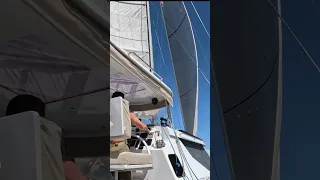
This Never Gets Old ⛵ | Sailing in Tahiti #Shorts
There's nothing quite like raising the sails, turning off the engines, and letting the wind take over. ⛵ After a couple of weeks away from Big Lost, we're finally back sailing the beautiful waters of Tahiti, French Polynesia. Our next sailing adventure drops tomorrow! #SailingBigLost #S...
A little piece of home ❤️ #sailingfamily #sailingbiglost #idaholife
A little piece of home. ❤️ We took a quick break from sailing in French Polynesia to return to Idaho and spend time with family and friends. Dogs, cousins, old friends, Finn learning to drive, and those beautiful Idaho sunsets. These are some of the things we miss most while sailing around the wo...