Boat Electrical Fires in San Blas ⚡ Power Risks Every Cruiser Should Know
A sudden morning squall brought lightning and severe wind gusts across the Swimming Pool anchorage in San Blas, forcing the crew aboard Sailing Big Lost to drop their deck awning while watching a neighboring monohull drag anchor across the harbor before its crew regained control. With overcast skies and persistent rain forecast for the week ahead, the lack of solar power generation created an immediate energy deficit on the catamaran. Conor and Kelly found themselves running their main propulsion engine regularly just to replenish the house battery bank.
Relying on the propulsion engine for electrical power placed unwanted wear and tear on the machinery, consumed additional diesel fuel, and accelerated required maintenance intervals. The ongoing cloudy conditions prompted a serious onboard debate about whether to invest in an auxiliary marine generator before departing Panama on their upcoming passage into the South Pacific: “We’ve been having to run our engine a lot to charge our batteries, which is making us contemplate whether or not we should buy a generator before we head to the South Pacific because it creates a lot of wear and tear on your engine.” Because the catamaran was already pre-wired for a generator installation, the decision centered on weighing the substantial purchase cost against the daily necessity of powering refrigeration, kitchen appliances, and their watermaker.
Panga Provisioning and Remote Grocery Deliveries
After a full month anchored out in Guna Yala eating three meals a day aboard, the family had consumed nearly all their provisions, leaving mostly dry staples like rice and beans. Their onboard food storage had also been compromised after an older Dometic auxiliary cooler transferred from their previous vessel stopped working, reducing their freezer capacity and limiting how many frozen provisions they could store before reaching Panama City.
Fortunately, the Swimming Pool anchorage featured an efficient supply system organized by local Guna Yala merchants. Indigenous traders visited anchored vessels approximately two times a week by panga, offering fresh eggs, bread, fruits, and vegetables directly alongside the hulls. Cruisers could also place grocery orders through PriceSmart in El Dorado, Panama, with local operators picking up the goods in the city and running them out to the remote outer islands.
When the delivery panga pulled alongside Big Lost with their boxed goods, Kelly received their restocked supplies and paid the local boatmen to remove accumulated trash and cans. With the galley restocked, teenage son Finn took the tender across the anchorage to spend the afternoon with a friend: “Finn’s off to see his buddy River on Pink Flamingo. Now that he’s a teenager, it’s important that he gets some more responsibility and alone time away from his family.”
Two Catastrophic Catamaran Fires in San Blas
The relaxed island rhythm was overshadowed by sober discussions across the fleet regarding boat electrical safety. During their single month in San Blas, two cruising catamarans had completely caught fire and sunk to the seafloor, prompting intense discussions among crews about their DC systems and battery banks.
The first vessel destroyed was a cruising family’s catamaran who had lived aboard full-time with all their worldly possessions. Kelly had previously exchanged WhatsApp messages with the family while underway from Bonaire to Cartagena. Having arrived at the Swimming Pool ahead of Big Lost, the crew was jolted awake in the middle of the night by a loud pop, only to discover their vessel fully engulfed in flames. While the family managed to escape into their dinghy, they lost their pet dog in the blaze. The husband suffered substantial bodily burns that required admission to an intensive care unit in Panama, where he was placed in a medically induced coma to manage extreme pain before being evacuated to the States for advanced medical care. The catamaran sank entirely in the Swimming Pool, leaving behind charred wreckage on the bottom.
Shortly thereafter, a second fire claimed a charter catamaran in the cays. The skipper was aware of existing electrical faults in his battery system and had already ordered replacement batteries and solar equipment, but the shipments had not yet arrived in Panama. While the skipper and charter guests were away on a snorkeling trip, an overcharged battery ignited, engulfing the unattended vessel in flames and destroying it completely.
Lithium Battery Risks and Cruiser Prevention Protocols
The twin losses prompted crews across the anchorage to add electrical systems to their regular maintenance checklists, inspecting battery terminals for tight connections and checking wire runs for chafing. Cruising friends Michael and Sue, authors of the On A New Tack maritime publication and channel, had compiled an informative guide addressing solar charging risks and lithium house bank safety.
Kelly emphasized that lithium fires present an extraordinary danger at sea because chemical thermal runaway cannot be extinguished with standard marine fire tactics: “When a lithium battery is on fire, there’s not much that you can do. You could literally take the lithium battery, throw it in the ocean, and it would still be burning.” The discussion highlighted key causes of battery failure, including overcharging, elevated ambient temperatures, manufacturing flaws, excessive cell discharge, physical damage, and undersized wiring.
To mitigate fire risks, cruisers were encouraged to implement rigorous preventive measures. Critical recommendations included ensuring battery compartments remain cool and well-ventilated, confirming every charging source is properly programmed, preventing house banks from discharging below 20% state of charge, routing properly sized cables to eliminate chafe points, installing external battery management systems, and sourcing cells exclusively from an ISO 9000 factory.
Snorkeling Central Holandes and Cruiser Dinner at BBQ Island
To clear their minds following the serious safety review, the family set out on a snorkeling excursion toward Central Holandes and the low-tide sand spit of Morrodub, also known as Island Tortuga. Arriving near the shallows, daughter Maddie tended the tender’s ground tackle, feeding out anchor line into the clear water to secure the small boat before everyone swam along the reef.
As late afternoon approached, the fleet gathered at BBQ Island for a sunset cruisers’ dinner and beach games. Finn took over driving duties at the dinghy tiller, sharing laughs with Kelly and Maddie as the crew pushed off from the hull: “Now you know what it feels like with us, Maddie.” The social evening offered welcome camaraderie after days of squalls. By the following morning, another round of lightning crackled on the horizon before Conor grabbed his gear to go spearfishing on the outer reef.
| Metric | Observation |
|---|---|
| Boats Lost to Electrical Fire | 2 catamarans |
| Duration at San Blas Anchorages | 1 month |
| Local Panga Supply Frequency | 2 times per week |
| Recommended Maximum Battery Discharge | 20% State of Charge (SOC) |
| Recommended Battery Factory Certification | ISO 9000 factory |
Frequently Asked Questions
Persistent rain and cloud cover in San Blas prevented adequate solar power generation, forcing the crew to run their main engine repeatedly to charge batteries. A generator would prevent excessive engine wear and reduce diesel consumption before crossing the South Pacific.
Local Guna Yala merchants visit the anchorage twice a week by panga selling eggs, bread, fruits, and vegetables. Additionally, cruisers can place grocery orders with PriceSmart in El Dorado, Panama, which operators pick up and deliver directly to boats at anchor.
The first fire occurred on a family catamaran anchored in the Swimming Pool following a midnight pop, causing severe burns to the owner and destroying the vessel. The second fire occurred on a charter catamaran when an overcharged battery ignited while the crew was away snorkeling.
Cruisers should maintain well-ventilated battery spaces, ensure all chargers are configured correctly, avoid discharging below 20% state of charge, inspect connections for tightness and chafe, install an external BMS, and buy batteries from an ISO 9000 factory.
Lithium battery fires undergo thermal runaway that generates its own heat and oxygen, meaning the chemical fire will continue to burn even if submerged directly into the ocean.
Book a trip where this was filmed — near Panama City
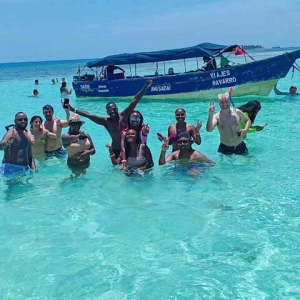
One Island Day tour to San Blas Islands – Snorkel & Kayaks
Sold by Panama San Blas Tours
San Blas Island Hopping Tour with New Exclusive Paradise Island
Sold by Tao Travel 365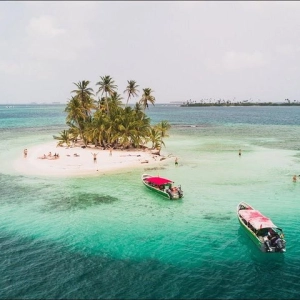
Support Sailing Big Lost
At WeBoating.com, we profoundly acknowledge the unwavering dedication that Sailing Big Lost invests in crafting each and every video or voyage. Their passion for delivering exceptional ocean content shines through every frame, and it's a labor of love that deserves your attention.
We invite you to watch their captivating videos here and actively engage with their content, including their social media links above. Liking, commenting, and sharing their work goes a long way in fueling their creative fire.
We're also inviting you to explore the gear, sponsorships, and boat partnerships highlighted in the "Boat Electrical Fires in San Blas ⚡ Power Risks Every Cruiser Should Know" video description, or directly on YouTube. By engaging with these offerings or purchasing services and items, you directly support Sailing Big Lost, their collaborators, and the brands they're associated with.
To ensure you never miss an offshore update, consider visiting their official YouTube Channel to subscribe, like, and join their community directly.
If you have any feedback, corrections, or additional information about Sailing Big Lost or their videos, please use the comment form below to share your thoughts with us.
Thank you for being a part of our community and supporting the creators we cherish. Your time and support truly matter!
Sailing in San Blas, Panama comes with incredible beauty—but recent boat electrical fires have cruisers seriously concerned. In this episode of Sailing Big Lost, we talk about power risks at anchor, generator considerations, and lessons every cruiser should know.
It’s been a rainy and overcast week in Guna Yala, and the lack of sun has us questioning our onboard power setup. After hearing about two boats that burned and sank due to electrical issues, we discuss possible causes, common electrical mistakes, and practical ways to reduce fire risk aboard your boat.
After the heavy conversation, we take a break to enjoy what makes San Blas so special—snorkeling around a small island that only appears at low tide, followed by a cruisers’ feast at BBQ Island, where the kids spend the evening playing games with friends.
Even under cloudy skies, nature still puts on a show with dramatic sunrises, glowing sunsets, and powerful lightning storms. Life at anchor is never boring in San Blas.
If you’re cruising, preparing your boat, or dreaming of life on the water, we hope this real-world experience helps you sail safer and smarter.
⚓ Subscribe to Sailing Big Lost for honest family sailing adventures, boat systems lessons, and life afloat in Panama and beyond.
👍 Like & comment—Have you made changes to your electrical system or added a generator after cruising in cloudy conditions?
⏱️ Chapters
0:00 Intro
0:56 Power challenges at anchor
2:04 Getting supplies at anchor
3:49 Pricemart order arrives
6:44 Finn takes the dinghy to a friend’s
7:18 Boat electrical fire and what you need to know
12:04 Snorkel trip to Central Holland’s
14:55 Visit Morrodub, Island Tortuga
15:27 Maddie takes you for a swim
15:58 Sunset at BBQ Island
16:17 Dinner and games with fellow cruisers
19:30 Morning lightning storm
20:10 Conor goes spearfishing
21:28 Ending
🔌 Lithium & Electrical Safety Resources
We found this resource especially helpful while learning more about lithium house bank safety and electrical fire prevention aboard cruising boats:
👉 Lithium House Bank Safety Newsletter by On A New Tack
https://www.onanewtack.com/p/lithium-house-bank-safety.html
For more in-depth technical insights, follow @OnANewTack.
⛵️ Follow Our Journey
Instagram: https://www.instagram.com/sailingbiglost/
TikTok: https://www.tiktok.com/@UCgQWjtfYowV40rQK87XtzKQ
More adventures + behind the scenes on our channel!
🌐 Explore More of Sailing Big Lost
Check out our website https://www.sailingbiglost.com to learn more about our crew, see the gear we use and recommend, and grab your own Big Lost T-shirt or hat to support the adventure!
💛 Support the Journey
If you’d like to help us continue creating and sharing these videos, consider becoming a Patreon supporter. Your support truly makes a difference:
👉 https://patreon.com/c/Biglost
🎵 Copyrighted music licensed from Lickd. https://lickd.co
My Sweet Lord (2014 Remaster) by George Harrison, https://t.lickd.co/l/9wzR9X35rkA
Way down We Go by KALEO, https://t.lickd.co/l/4arGZBmEkpR
Some links may be affiliate links. We only share products and resources we genuinely use or trust.

Sailing Big Lost
Sailing Big Lost follows Conor, Kelly, Finn, and Maddie Malone from Sun Valley, Idaho, living full-time aboard their South African Vision 444 ES catamaran, Big Lost. In 2026, their channel documents transiting the Panama Canal, completing a 3,000-mile Pacific crossing, diving Tuamotu atolls, and raising teenagers offshore.
Channel Information:
Social Media Links:
Boat Electrical Fires in San Blas ⚡ Power Risks Every Cruiser Should Know Location
- The Swimming Pool Anchorage, Holandes Cays (9.5833,-78.6833)
- Morrodub (Island Tortuga), Holandes Cays (9.575,-78.715)
- BBQ Island, Holandes Cays (9.578,-78.705)
Latest Episodes from Sailing Big Lost
Explore the most recent voyages. Subscribe to the channel to never miss an update!
We Finally Left Tahiti… Then I Made a Huge Mistake
We finally left Tahiti, excited to sail to Moorea and catch our next weather window to the Tuamotus. But shortly after arriving, I made a costly mistake that left us with serious damage aboard Big Lost and our sailing plans in jeopardy. Despite the unexpected setback, we made the most of our time i...
The Ordinary Days Are the Ones We’ll Remember ❤️ #Shorts
Not every day sailing the world is an adventure. Some days it’s homeschooling, boat chores, baking, board games, and spending time with friends. These are the ordinary moments of raising a family aboard a sailboat in French Polynesia. And they might just be the ones we remember most. We’re Sailing...
What Living on a Sailboat Is REALLY Like ⛵ #sailingfamily
Living on a sailboat isn’t all beautiful anchorages and sunset sails. There’s plenty of cleaning, hauling groceries by dinghy, and everyday chores. But there’s also adventure, incredible friendships, and moments that remind us why we love this life. A little glimpse of what sailing around the worl...
We Left Idaho… To Come Home to This
The crew of Big Lost returns to their Vision 444 catamaran in Tahiti, navigating from Phaeton Bay past Marina Taina to Airport Anchorage.
This Never Gets Old ⛵ | Sailing in Tahiti #Shorts
There's nothing quite like raising the sails, turning off the engines, and letting the wind take over. ⛵ After a couple of weeks away from Big Lost, we're finally back sailing the beautiful waters of Tahiti, French Polynesia. Our next sailing adventure drops tomorrow! #SailingBigLost #S...