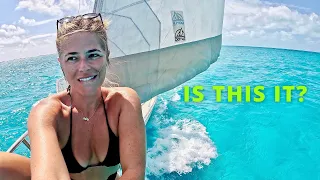
SO CLOSE and Yet SO Far & a BIG Upgrade for Via [Making Our Way Ep 119]
Moored in a slip at Shelter Bay Marina just beyond the northern breakwaters of the Panama Canal, SV Viā sat in a forced holding pattern. While their canal transit had successfully placed the 2004 Caliber 40 LRC into Caribbean waters, heading out toward the open sea was temporarily impossible. Mike and Taylor Fowler, sailing aboard their cutter-rigged cruiser alongside their dogs Penny and Lucy, faced a confluence of mechanical upgrades, severe regional weather, and sudden geopolitical disruption across Panama. As chronicled by Making Our Way, the transition from the Pacific to the Caribbean demanded thorough vessel preparation before facing the open ocean.
The crew had remained tied to the dock for over a month. Part of that standstill stemmed from a two-week trip back to the States to visit family and attend the Annapolis Boat Show. While traveling and connecting with cruisers proved rewarding, an illness swept through the show during the final days, leaving Mike and Taylor bedridden during their first week back aboard. Once recovered, the crew turned their focus toward delayed maintenance, chief among them replacing an aging mainsail that had reached the end of its operational life.
Sourcing and Modifying the Mainsail
The mainsail on SV Viā was original to the 2004 vessel, making it nearly twenty years old. The crew had limped along with the stretched cloth for nearly a year, enduring blown-out camber and recurrent tears along high-stress panels. Sailing east and north through Central America required beating into relentless head winds and counter-currents, where sail efficiency is paramount. To restore performance, Mike coordinated with Southeast Asia Sails to design and deliver a brand-new mainsail.
Measuring the rig had presented serious challenges. Because the boat had been traveling through remote Pacific anchorages, Mike had lacked the space to drop the original sail onto a flat loft floor for precision measurement. Taking all dimensions on the standing rig while swinging on anchor introduced small discrepancies. When the new mainsail arrived at the marina, Mike discovered that the foot and luff dimensions were slightly larger than the original specifications, leaving the boat’s four fiberglass battens several inches too short for the new pockets.
With local lofts unable to source replacement battens without long delivery delays, Mike devised a mechanical fix using high-density polyethylene starboard. Working in the cockpit, he machined custom extensions to seat the battens firmly into their pockets:
“I took a little piece of starboard cut it to size kind of routed out a little slot”
The slotted starboard end pieces slid directly over the batten ends, providing the critical clearance:
“gives us that last little extra few inches that we need”
Rigging Adjustments and Reefing Geometry
With the batten extensions seated, Mike hoisted the new mainsail within the marina slip to evaluate its draft and inspect the reefing layout. The replacement sail incorporated a loose-footed design, decoupling the sail foot from the boom track to provide superior aerodynamic control and draft adjustment when trimmed close-hauled.
The new mainsail integrated three deep reef points, crucial for de-powering the 40-foot cutter when tropical squalls sweep across the Caribbean. Acting on recommendations from sailmaker Robert Tasker, Mike redesigned the reefing hardware to address persistent line friction and fabric pinching. Standard reef cringles often forced lines through tight angles, creating heavy wear on the cloth. To solve this, Mike rigged low-friction rings and anodized dog bones:
“this low friction ring not only reduces some friction cuz it’s a little smoother and a wider diameter than a cringle but since it keeps the refline all on one side I think that’ll maybe help us avoid that situation where we get the material caught in the reef line”
The dog bones separated the reefing pennants from the cloth panels, allowing the lines to tension smoothly without bunching cloth. Inspecting the hoisted sail aloft, Taylor immediately recognized the aerodynamic difference:
“since the old sale was so baggy we could never get it flat”
For a vessel preparing to face prolonged windward work, an efficient foil was essential:
“now that we’re in a place where we’re going to sell nothing but upwind for the next 6 months”
Weather Systems and Civil Disruption
Even with the mainsail hoisted and tuned, departure remained out of reach. Shelter Bay Marina occupies a central geographic position along the Caribbean coast of Panama, offering two primary cruising routes: sailing west toward Bocas del Toro or sailing east toward the San Blas Islands. Unusual atmospheric conditions created persistent westerly winds accompanied by a developing tropical depression, ruling out any 24-hour passage west into heavy head seas.
Simultaneously, the route east toward the San Blas archipelago was halted by widespread domestic unrest. Nationwide protests and highway blockades erupted across Panama following a controversial government mining contract. Demonstrators severed main transportation corridors, paralyzing commercial deliveries and triggering acute fuel and food shortages. Supermarket shelves in local markets were emptied of fresh produce, and commercial deliveries ground to a halt.
Because the San Blas archipelago is remote, visiting cruisers cannot rely on local markets for survival provisions. Taylor outlined the logistical impasse:
“the reason this is a problem is because the sandblast islands are extremely remote”
The crew could not cast off without a fully stocked pantry and refrigerator, particularly as local island communities were also suffering supply shortages. Pinned in the marina for several weeks, Mike and Taylor sheltered below deck running dockside air conditioning against oppressive tropical heat. From the safety of the slip, they watched violent thunderheads build over the jungle canopy, culminating in a massive water spout that developed just beyond the marina breakwater.
Casting Off for the Atlantic
After weeks of gridlock, highway blockades began to ease, allowing marina shuttle vans to resume limited runs into town. Mike made multiple provisioning trips, foraging through sparsely stocked markets to assemble a patchwork supply of fresh food and staples. With basic stores secured aboard SV Viā, the crew began sea preparations, taking down the heavy sun awning protecting the deck, disconnecting shore power cords, and securing gear for open water.
Dropping the docklines, SV Viā motored past the Shelter Bay breakwater and entered the Atlantic Ocean. The passage marked a milestone in their voyage: more than two years after departing Seattle, the Caliber 40 LRC had officially reached Atlantic waters. Caribbean dolphins surfaced to play along the hull as the vessel cleared the harbor.
A companion vessel that departed Shelter Bay in company with SV Viā experienced water ingress in the bilge immediately outside the breakwater, forcing them to abort their passage and motor back to the marina for repairs. Rather than pressing eastward alone, Mike and Taylor divided their route to the San Blas Islands into two shorter legs. Rounding a nearby headland, they turned into a protected coastal anchorage to await news from their buddy boat and avoid severe afternoon squalls.
Securing the boat in the lee of the point marked another welcome return to cruising life:
“it had been 2 months since the last time we were on anchor”
Swinging on anchor alongside neighboring cruisers for the first time in eight months, the crew rested in calm waters, ready for the next leg toward the San Blas archipelago.
Frequently Asked Questions
The original mainsail was nearly twenty years old, dating back to 2004, and had become stretched, baggy, and prone to repeated tearing, requiring a replacement before upwind sailing.
Because the new mainsail was slightly larger than the original and replacement battens were unavailable locally, Mike custom-machined end caps from starboard to extend the length of the four battens.
Departure was delayed by unseasonable westerly winds and a developing tropical depression to the west, as well as nationwide protests and road blockades in Panama that caused severe food shortages.
On recommendation from Southeast Asia Sails, Mike installed low-friction rings and dog bones on the reef points to prevent line pinch and reduce friction on the sail cloth.
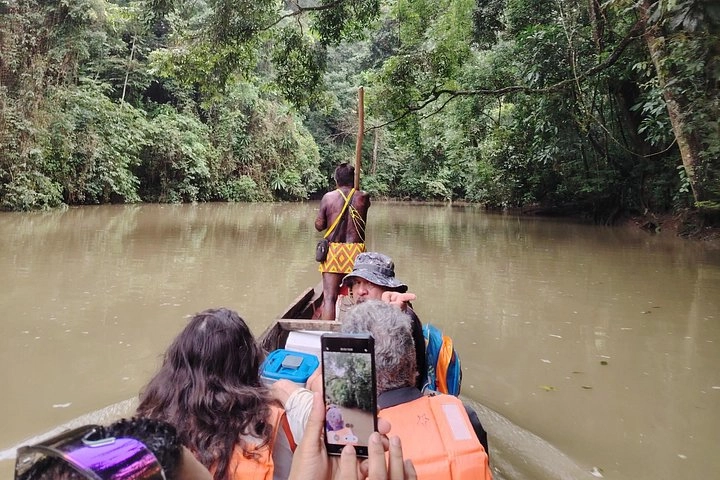
Book a trip where this was filmed — near Panama City
Support Making Our Way
At WeBoating.com, we profoundly acknowledge the unwavering dedication that Making Our Way invests in crafting each and every video or voyage. Their passion for delivering exceptional ocean content shines through every frame, and it's a labor of love that deserves your attention.
We invite you to watch their captivating videos here and actively engage with their content, including their social media links above. Liking, commenting, and sharing their work goes a long way in fueling their creative fire.
We're also inviting you to explore the gear, sponsorships, and boat partnerships highlighted in the "SO CLOSE and Yet SO Far & a BIG Upgrade for Via [Making Our Way Ep 119]" video description, or directly on YouTube. By engaging with these offerings or purchasing services and items, you directly support Making Our Way, their collaborators, and the brands they're associated with.
To ensure you never miss an offshore update, consider visiting their official YouTube Channel to subscribe, like, and join their community directly.
If you have any feedback, corrections, or additional information about Making Our Way or their videos, please use the comment form below to share your thoughts with us.
Thank you for being a part of our community and supporting the creators we cherish. Your time and support truly matter!
We transited the Panama Canal! But we can't head out into the Atlantic just yet as the entire country has shut down. Join us as we give Via a BIG upgrade, watch some impressive storms, and eventually push off the dock and head out into the Caribbean to start a new season and new chapter.
🎉JOIN OUR CREW ON PATREON! https://www.patreon.com/makingourway_
Buy us a beer: https://www.paypal.com/donate/?hosted_button_id=A5EL74F283JVA
Follow us on Instagram: https://www.instagram.com/sailing_via/
Check out our blog: https://www.sailingvia.com
latest sailing videos | newest sailing vlogs| sailing vlogs on youtube | sailing with dogs | best new sailing vlogs | best new sailing videos | new sailing channel | youtube sailing couples | best sailing vlogs on youtube | best sailing blogs | youtube sailing channels |
#sailiing #sailingaroundtheworld #sailingvia #sailingwithdogs #sailingvideo #boatlife #newestsailingvlogs #sailingpanama #cruisinglife #panamacanal
Making Our Way
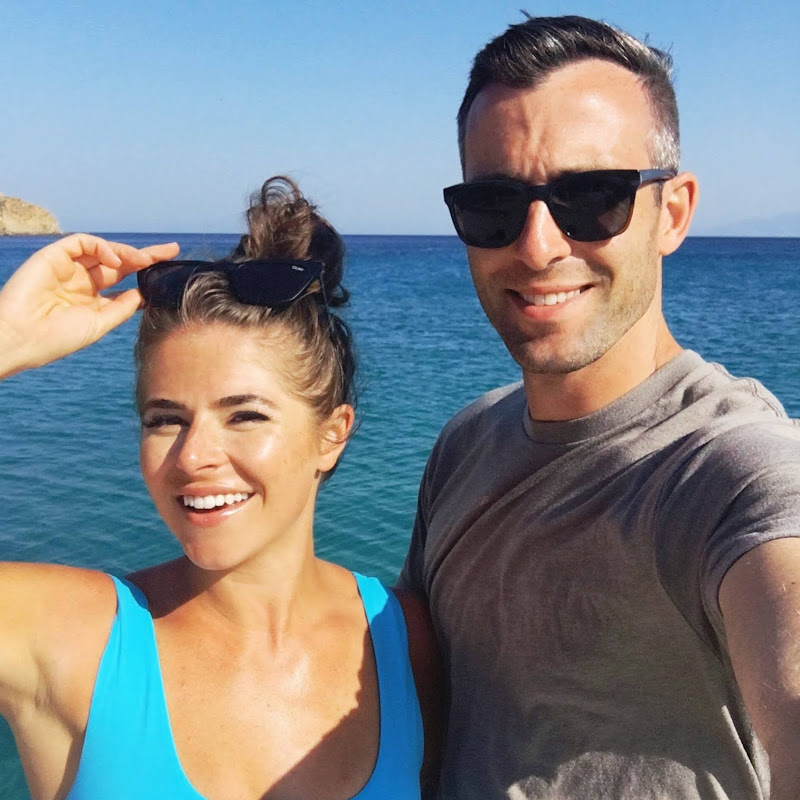
From Seattle professionals to bluewater cruisers, Mike and Taylor of Making Our Way document the 4-year loop that redefined their path aboard SV Viā.
Channel Information:
Social Media Links:
SO CLOSE and Yet SO Far & a BIG Upgrade for Via [Making Our Way Ep 119] Location
- Shelter Bay Marina, Colón, Panama (9.3644,-79.9515)
Latest Episodes from Making Our Way
Explore the most recent voyages. Subscribe to the channel to never miss an update!
This is THE END. Leaving Our Floating Home. [Making Our Way Ep 143]
After almost exactly four years at sea, six countries visited, and thousands of miles beneath our keel, we close a very special chapter of our lives. Join us as we look back on our time aboard Via and say goodbye to our floating home. A huge thank you to all of you who supported us with your words,...
Our WILD Journey Comes to a CLOSE [Making Our Way Ep 142]
We've been moving fast over the last few months to get our boat from South America to the Chesapeake Bay -- we're finally in our home stretch, in more ways than one -- and it's filled with surprising wildlife, birthday celebrations, beautiful countryside, and exhaustion. Join us as ou...
Well We Were Not Expecting THIS on the ICW [Making Our Way Ep 141]
We've just sailed back into the US after sailing out of the West Coast several years ago, and we're making our way up the Intracoastal Waterway on the Eastern Seaboard. This experience is unlike anything we've done on Via and comes with its own unique set of challenges - and rewards. ...
Welcome Home, Here’s a STRESS SANDWICH [Making Our Way Ep 140]
We have made landfall in the States after sailing out of the west coast several years back, and it's time to enjoy the city of Charleston. But our cutler shock and delight doesn't last long, as we get thrust into a gauntlet of problems. 🎉JOIN OUR CREW ON PATREON! Buy us a beer: Follow ...
WANNA BUY OUR BOAT? An update from the future⛵️
Via is for sale! More details about what we're up to coming soon.. stay tuned. OUR HONEST & THOROUGH TOUR OF VIA: OUR LISTING: ____ latest sailing videos | newest sailing vlogs| sailing vlogs on youtube | sailing with dogs | best new sailing vlogs | best new sailing videos | new sail...