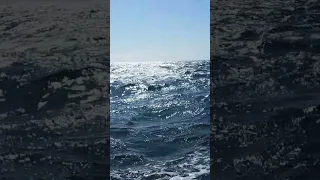
~ CRUISING IN A TINY SAILBOAT (part 3) ~ Ocean Wave Surfing At 9+ knots!
Sailing a 19-foot boat on the open Pacific isn’t just about transport; it’s a raw, unfiltered dialogue between a sailor, a small vessel, and the immense power of the ocean. In the conclusion of an 11-day odyssey spanning the Pacific coast, San Francisco Bay, and the Sacramento Delta, John Jordan aboard S/V Jonah—a West Wight Potter 19—demonstrates exactly what ‘pocket cruising’ looks like when the conditions turn spicy. From dragging anchor in a ‘bloody snot’ of a gale to surfing following seas at speeds exceeding 9 knots, this voyage is a testament to the seaworthiness of these iconic tiny cruisers and the grit required to sail them solo without ever touching a marina dock.
Key Takeaways
- Small Boat, Big Water: The West Wight Potter 19 proves its ‘unsinkable’ reputation, handling following seas and high winds with remarkable stability for its size.
- Critical Equipment Failures: The voyage highlights the vulnerability of plastic drivetrain components in autopilots like the Raymarine ST2000 Plus when subjected to continuous ocean use.
- Strategic Navigation: Timing the Golden Gate currents is essential; even a slight miscalculation can result in fighting 7+ knot tides or dealing with chaotic ‘clunking’ rudder issues in heavy traffic.
| Metric | Detail |
|---|---|
| Vessel | S/V Jonah (West Wight Potter 19) |
| Voyage Duration | 11 Days (No Marinas) |
| Peak Speed | 9.0+ Knots (Surfing) |
| Critical Repair | Raymarine ST2000 Autopilot |
Setting the Scene: Drama at Anchor
The final leg of the journey began not with a graceful departure, but with a frantic ‘all hands on deck’ moment. While anchored off the California coast, the wind shifted and ‘blew bloody snot,’ causing the Potter 19 to drag anchor toward the rocks. This is the nightmare scenario for any solo sailor: transitioning from a restful night to a desperate manhandling of a tangled mess of chain, road, seaweed, and mud. Jordan’s decision to put to sea rather than reset in high winds reflects a core tenet of small-boat safety—when an anchorage becomes a lee shore, the safest place is often the open water.
The Golden Gate and the Raymarine Debacle
Navigating the Golden Gate requires more than just a chart; it requires respect for the Pacific’s rhythmic power. Passing the North Tower, Jonah encountered thousands of seabirds, a sensory signal of the rich, turbulent waters where the bay meets the ocean. However, the technical gremlins weren’t far behind. The Raymarine ST2000 Plus autopilot, a staple of small-boat cruising, suffered a catastrophic failure. Initially, a ‘pathetic piece of plastic’ connecting the tiller arm snapped, followed by an internal drivetrain collapse. For a solo sailor on a following sea, losing the ‘iron mike’ means returning to the physical demands of hand-steering for hours on end—a reminder that in blue water, redundancy is your best friend.
Technical Specs: The West Wight Potter 19
| Specification | Measurement |
|---|---|
| LOA | 18′ 9″ |
| Beam | 7′ 6″ |
| Draft (Board Up) | 6″ |
| Draft (Board Down) | 3′ 7″ |
| Displacement | 1,225 lbs |
| Ballast | 300 lbs (Keel) |
Surfing South to Santa Cruz
Despite the technical hurdles, the voyage delivered moments of pure maritime magic. Turning south toward Santa Cruz, the Potter 19 caught the following seas, surfing down the faces of Pacific swells. For a boat with a theoretical hull speed of around 5.5 knots, seeing the GPS flicker into the 7s, 8s, and even 9.3 knots is an adrenaline-fueled experience. Jordan handled the boat under a full set of canvas, managing the clunking rudder bearings and the unwell autopilot with the calm of a sailor who has seen it all before. A brief respite at Half Moon Bay for a late lunch at Barbara’s Fish Trap provided the only ‘luxury’ in an otherwise rugged 11-day campaign.
The Gear Locker: Lessons in Maintenance
Back in port, the post-mortem of the Raymarine unit revealed a ‘complete and utter mess’ of broken parts and loose bearings. Jordan’s advice is blunt: if your ST2000 drivetrain fails, don’t bother trying to fix it—Raymarine’s lack of spares makes it a disposable unit. The voyage also highlighted the need for keel trunk attention and battery capacity upgrades. In small-boat cruising, the maintenance never truly ends; it just moves from the water to the workshop.
West Wight Potter 19: Frequently Asked Questions
Yes, the Potter 19 is widely regarded as one of the safest small cruisers due to its ‘unsinkable’ closed-cell foam flotation and high stability. However, as seen in John Jordan’s voyage, it requires a skilled hand and careful attention to weather windows when sailing the Pacific.
While its theoretical hull speed is roughly 5.5 knots, the Potter 19 can exceed 9 knots when surfing down large following seas, though this requires active helming and proper sail trim to avoid broaching.
Common issues include the failure of the plastic tiller pin connector and internal drivetrain wear. Once the internal plastic gears or bearings fail, the unit is often difficult to repair due to a lack of individual spare parts from the manufacturer.
For short durations, yes. John Jordan completed an 11-day solo voyage without using a marina, demonstrating that with careful provisioning and a tolerance for ‘camping on the water,’ the P19 is a capable pocket cruiser.
Barbara’s Fish Trap is a legendary seafood eatery located in Princeton-by-the-Sea at Half Moon Bay, California, a favorite stop for sailors transiting between San Francisco and Santa Cruz.
Support John Jordan Sailing and Sea Stories
At WeBoating.com, we profoundly acknowledge the unwavering dedication that John Jordan Sailing and Sea Stories invests in crafting each and every video or voyage. Their passion for delivering exceptional ocean content shines through every frame, and it's a labor of love that deserves your attention.
We invite you to watch their captivating videos here and actively engage with their content, including their social media links above. Liking, commenting, and sharing their work goes a long way in fueling their creative fire.
We're also inviting you to explore the gear, sponsorships, and boat partnerships highlighted in the "~ CRUISING IN A TINY SAILBOAT (part 3) ~ Ocean Wave Surfing At 9+ knots!" video description, or directly on YouTube. By engaging with these offerings or purchasing services and items, you directly support John Jordan Sailing and Sea Stories, their collaborators, and the brands they're associated with.
To ensure you never miss an offshore update, consider visiting their official YouTube Channel to subscribe, like, and join their community directly.
If you have any feedback, corrections, or additional information about John Jordan Sailing and Sea Stories or their videos, please use the comment form below to share your thoughts with us.
Thank you for being a part of our community and supporting the creators we cherish. Your time and support truly matter!
This is the conclusion of an epic 11-day sailing adventure cruising the Pacific coast, SF Bay Area and the Sacramento Delta aboard my West Wight Potter 19, with not a single night in a marina.
Transcript...
[Coming up...] and blew bloody snot. And before I knew it, I was dragging anchor over to the rocks. This is the pathetic little piece of plastic that connects the auto tiller to the tiller. Just outside the gate, I see thousands and thousands of seabirds. I've had it with that clunking noise coming from the rudder and so resolve to remedy it now whilst underway. Yay, some peaceful sailing. Just thought I heard some chickens clucking. The bearing seen here is completely loose in its housing. Back to hand steering now with a full set of canvas which we carry on a following sea all the way back to Santa Cruz.
When sailing out under the Golden Gate and turning south, two of the most important considerations are wind and tide. On account of these considerations, I had intended to spend an extra day at anchor here, but fate and happen stance were to have none of it.
I had contemplated going ashore, but it's a good job I didn't. After a quiet night sailing at anchor, the wind got up and blew bloody snot. And before I knew it, I was dragging anchor over to the rocks. All of a sudden, I went from a relaxing day at anchor to all hands on deck. The tangled mess of anchor, chain, road, seaweed, and mud was manhandled onto the for deck. Hurriedly, I left what was only moments ago a peaceful anchorage. I was in no mood to reset the anchor in high winds and so put to sea.
I resolved to move closer to the gate in order to catch the early tide in the morning.
That looks peaceful enough, but now I've got another problem. This time I've broken my autopilot. This is the pathetic little piece of plastic that connects the auto tiller to the tiller. Are we having fun yet? I spent the next half an hour affecting a repair. There it is.
The fog's coming.
I need to decide what time to leave in the morning. So, I go onto Noah's website and check the tides and currents. It shows slack at 7:46 a.m.
I'm a bit early leaving, but conditions look calm, so I go, passing the north tower.
Just outside the gate, I see thousands and thousands of seabirds.
I'm doing 7.3 knots on the way out. I think I might be a little early.
I hear a clunking noise. I've had it with that clunking noise coming from the rudder and so resolve to remedy it now whilst underway.
Yay! Some peaceful sailing. Just thought I heard some chickens clucking. That's weird.
The dock at Half Moon Bay welcomes me and Jonah. There's time for a late lunch and I march off to my favorite eatery. Ah, Barbara's fish trap. It really does not get any better than this. Seriously.
At anchor now. And the wind is really starting to howl.
I may be getting close to home, but this is no time to be letting one's guard down. More accidents happen coming down off the mountain.
The autopilot is sounding very unwell.
Back to hand steering now with a full set of canvas which we carry on a following sea all the way back to Santa Cruz.
I'm back in port now and taking the autopilot to pieces. is what a complete and utter mess. This is the assortment of broken piece parts, most of which were found inside the unit, loose. The bearing seen here is completely loose in its housing.
If your ST2000 Plus is doing this, save yourself some time. Don't bother trying to fix it. Thanks Raymarine for not providing spares for the drivetrain. After 6 and 1/2 years, the batteries buggered, which I'm told is a good innings. After careful measurement, I order a new battery, a larger one, which I hope will fit and provide me with additional capacity. I place my order, but what ensues is the most ridiculous debacle with UPS I've ever experienced. What arrives is a battery, but it is horribly deformed. The keel trunk needs attention, too. But I guess I'll save that moaning for another episode.
Are we having fun yet? Of course we are.
John Jordan Sailing and Sea Stories
Storied adventures in small sailboats on the ocean, and vlogging my own outings multi-day coastal cruising in a 19' sailboat (S/V "Jonah", a West Wight Potter 19). Please subscribe to my channel as we travel the California coast, or simply subscribe for the sea stories!
Channel Information:
Social Media Links:
~ CRUISING IN A TINY SAILBOAT (part 3) ~ Ocean Wave Surfing At 9+ knots! Location
- Golden Gate Bridge (37.8199,-122.4783)
- Half Moon Bay (37.5027,-122.4811)
- Santa Cruz Harbor (36.9642,-122.0019)
Latest Episodes from John Jordan Sailing and Sea Stories
Explore the most recent voyages. Subscribe to the channel to never miss an update!
Racing the Potter Yachters Cruiser Challenge XXVII
So after a windless uneventful motoring trip from Santa Cruz to Moss Landing, Jonah arrived at the Elkhorn marina and rafted up to a Catalina 22 named "Merri Time". [02] Dinner time arrived before long and the Potter Yachters dispatched to a local restaurant for fish dinners. [03] The s...
Replacing a Boat Trailer Axle ~ Measuring, Removal, Installation
In this video, i'm going to be covering the replacement of my trailer axle and hubs. I'll detail; - how to measure up for the new axle - removing the old axle - what to do if the hub is reluctant to go on the new axle - as well as one or two gotchas that you might want to avoi...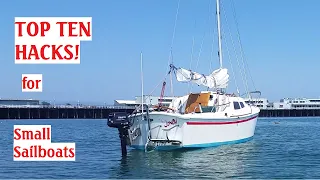
Top Ten Hacks for Small Sailboat Cruising
My Top Ten Hacks for Small Sailboat Cruising #1: laptop OpenCPN chartplotter #2: "Coleman-type" 2 burner stove #3: ice chest #4: Jetboil #5: the heads #6: fish finder - it's a chartplotter, has gps, depth, speed, course #7: Reflectix blinds #8: DIY dodger #9: 3D-printed parts...
Jonah Goes Fishing ~ The Flying Dutchman ~ #fishing #sailing #opera
Musical short with synchronized audio / video. Just for fun. @johnjordansailing Credits: Der fliegende Holländer, WWV 63: Der fliegende Holländer (the Flying Dutchman): Overture - Columbia Symphony Orchestra, Bruno Walter Content owners: SME, Naxos Digital Services US, Inc Content type: Audio
Keel Trunks, Batteries And Gudgeons
If you're going to own a boat, you'd better enjoy fixing it. That or have endless funds to pay someone. Transcript: So, about that keel trunk damage, truth is it's been there a while, and it's high time it got fixed, as it's partly responsible for why I took on water durin...