Changing the RIG on my own, turned into an ORDEAL
Changing the Rigging on My Boat Turned Into an Ordeal
I decided to change the rigging on both sides of my mast. It didn’t go as smoothly as I’d hoped, and it took me three attempts to get everything right.Throughout this ordeal, I learned a lot about the importance of precise measurements and quality fittings. Now that it’s done, though, I’m glad I persevered and managed to save some money by doing the work myself.Researching Past Owners and Riggers
One of the challenges I faced was trying to determine when the rigging was last changed by the past owners or riggers. Unfortunately, I couldn’t find a definitive answer, which left me wondering if it might be old or unreliable.Reasoning for Changing Rigging
Despite some concerns about the age and reliability of my existing rigging, I ultimately decided to change it before going on any long trips. As someone who sails often, I want to ensure that everything is in perfect working order and without any potential issues or worries.Components of Rigging
When changing the rigging on my boat, I used 9.5 mm diameter rope for the main sail halyard and bosen’s chair to help me reach higher areas of the mast during repairs or inspections.In addition to the main halyard, I had various other ropes and stays that needed to be replaced, including running backstays, forestay, topping lift, spare halyards, and more. These all work together to keep the mast stable and secure while sailing.Taking apart the Rigging
Changing the rigging involved taking off all of these components one by one, making sure each piece was carefully disconnected and measured before replacing it with a new one. This process took multiple attempts and several setbacks along the way, including having to go up the mast repeatedly to check measurements and connections.Working on the Mast
At one point, I managed to borrow a M-lift winch which made it easier for me to haul myself up the mast as needed. This device was much more efficient than relying on someone else to do it or trying to find someone who could come out to help me.Dealing with Misaligned Parts
While working on the mast, I encountered a few problems related to misaligned parts or incorrect measurements, which resulted in some frustrating setbacks. One of the most difficult issues involved adjusting the height and angle of the spreaders on either side of the mast for optimal support and stability.Fixing the Misaligned Parts
In order to fix this problem, I made custom extension pieces for some of the stays that connected the spreaders to the mast. This allowed me to make adjustments and align everything properly before tightening the rigging once again.Ensuring Proper Tension
To ensure proper tension throughout the rigging, I made multiple trips up and down the mast while gradually adjusting all the connections. This careful process ensured that every component was tight enough to hold securely without putting unnecessary strain on anything else.Replacing Chainplates
I also replaced my boat’s chain plates, which are the metal supports welded into the hull to hold everything in place. Unlike boats made of composite materials, a metal boat like mine has a better chance of lasting longer and not experiencing issues like chainplate failure, which is common in other types of boats.Applying Tef-Gel
Throughout the entire rigging-changing process, I made sure to apply Tef-Gel where needed to help prevent any potential corrosion or seizing in joints. This non-toxic material helps keep everything lubricated and working smoothly.Mistakes Made During the Project
In hindsight, there were definitely some mistakes I made along the way. For example, initially giving all my old wire to the rigger with specific instructions was not ideal, as it didn’t allow for enough flexibility or room for error. If I could go back and change anything, I would create more space for measurement errors and perhaps invest in higher-quality mechanical fittings like star locks.Moving Forward
Looking forward, the most important thing for me now is to move on from this big project and tackle another one soon. The wind self-steerer sitting in my garage has been giving me trouble, so it’s time to take a break from rigging projects and focus on getting that new system up and running properly. With these recent challenges behind me, I feel more confident than ever before to keep improving and upgrading my sailing equipment.Support Captain Scarlegs
At WeBoating.com, we profoundly acknowledge the unwavering dedication that Captain Scarlegs invests in crafting each and every video or voyage. Their passion for delivering exceptional ocean content shines through every frame, and it's a labor of love that deserves your attention.
We invite you to watch their captivating videos here and actively engage with their content, including their social media links above. Liking, commenting, and sharing their work goes a long way in fueling their creative fire.
We're also inviting you to explore the gear, sponsorships, and boat partnerships highlighted in the "Changing the RIG on my own, turned into an ORDEAL" video description, or directly on YouTube. By engaging with these offerings or purchasing services and items, you directly support Captain Scarlegs, their collaborators, and the brands they're associated with.
To ensure you never miss an offshore update, consider visiting their official YouTube Channel to subscribe, like, and join their community directly.
If you have any feedback, corrections, or additional information about Captain Scarlegs or their videos, please use the comment form below to share your thoughts with us.
Thank you for being a part of our community and supporting the creators we cherish. Your time and support truly matter!
Replacing all the wire on the rig while the mast is standing. There were alot of delays and mishaps that went on for more than 2 months.
Please consider supporting the Chanel in any way, Im not a full time youtuber but will do my best to get videos out when I think I have worthy content. To support the channel ..
Patreon https://www.patreon.com/captainscarlegs
Paypalhttps://www.paypal.com/webapps/billin...
Thank you
Audio, no kickbacks for me but these people sent me a mic set and didnt ask for anything in return and its quiet good.
This is the USA Amazon link to the LARK 150USA: https://www.amazon.com/gp/product/B08PKG16X8
Captain Scarlegs
Sailing enthusiasts. Travel and adventure afloat. Boat improvements. Many hours of work goes into making each video. If you would like to join my Patreon that would much appreciated. https://www.patreon.com/captainscarlegs For food lovers please follow us on YouTube https://www.youtube.com/@LittleKaivitiAngel Instagram @littlekaivitiangel
Channel Information:
Social Media Links:
Latest Episodes from Captain Scarlegs
Explore the most recent voyages. Subscribe to the channel to never miss an update!

HAPHAZARD BIRTHDAY, (ep24)
Haphazard receives a new Mainsail and working stay sail from Rogue Sails in New Zealand. A new dinghy and 6hp outboard motor, revamp on the hydraulic keel and a large 4700GPH bilge pump. success. A cruse around the visible wrecks in Suva Harbour Fiji
REPAIRING A COMPOSITE SAIL (ep23) ,
The mainsail ripped almost right across, I have a go at repairing the composite sail. carbon technora servicing the Volvo heat exchanger and more. My boat is a Graham Radford designed 14 meter or 46 foot custom built in Aluminum in 1994 in Tasmania Australia.
Sailing Delivery New Zealand to Fiji
Delivery of the sailing vessel Firefly, a lagoon 500 catamaran from New Zealand's Bay of islands Opua to Vuda Marina Fiji via Minerva Reef, catching lobsters from the reef. The voyage is 1240 nautical miles.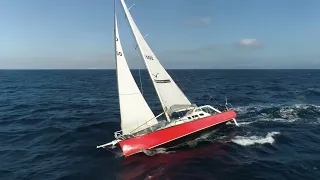
Cheap AIS Transmitter and Mainsail reefing (ep21)
A cheap self contained AIS transmitter from alibaba. Plus how i have set up my mainsail reefing. im not reinventing the wheel but most boats have a single line system, Ive had both and i think this system is better.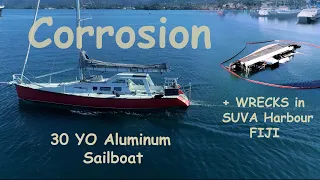
Corrosion on a 30 year old ALUMINUM sailboat + Wrecks
Haphazard is over 30 years old and i go over how the boat is set up to combat electrolysis and corrosion. Plus a montage of visable wrecks in Suva harbour in the Fiji Islands