Life With the Maasai: 30 Days in Wild Africa (RAW & UNCUT)
Waking up at a bush camp in Tanzania with baboons and zebras moving around their tents, Jack “Strick” Strickland and Aaron “Az” Gallagher of Back 2 Basics Adventures set out on foot across the dry-season plains with Mgunga Safaris. Accompanied by an armed ranger carrying a rifle in case they encounter lions, the crew follows worn wildlife paths toward one of the few remaining watering holes where animals congregate during the dry months.
“We’ve woken up this morning with baboons and zebras all around the camp, and apparently this is prime time to go for a walk and see some more wildlife,” Strick says as the group steps onto the savanna. Az points out that their armed ranger has already put in a long shift protecting the tents: “It’s also worth noting he’s been up all night next to the fire, keeping hyenas away from the camp.”
Morning Walking Safari and Lone Bull Elephant Encounter
Crossing the open ground, the crew notices clearly defined tracks that resemble motorbike or car ruts but are actually trails worn down by lines of zebra, wildebeest, and other hoofed animals following one another toward water. Near a tree line with thicker foliage, the guides pull out binoculars and glass several types of gazelle, wildebeest, and a dazzle of zebras. Examining the ground, the guides point out a fresh elephant footprint left early that morning, along with nocturnal animal burrows and droppings.
As the dazzle of zebras catches wind of the walkers and turns to watch them, Strick and Az discuss how the black-and-white stripes blend into the light brown and gray plains against predators that cannot see full color. Nearby, they pass a large troop of olive baboons—which the guides joke are smart enough to open a tourist’s backpack looking for Tim Tam chocolate or Nutella—and talk with Jackson about elephant dung before fashioning bush toothbrushes from local twigs. Moving quietly behind the shrubs, they also spot a tall mob of ostriches with black-feathered males and sandy brown females that sprint away as soon as the walkers draw close.
Minutes later, the crew spots a lone bull African elephant with large tusks marching rapidly toward them across the open plain. Because elephants had killed a young Maasai boy in the area not long ago and the flat terrain offers no cover if the bull charges, reinforcements arrive in a safari vehicle so the group can climb inside. From the safety of the vehicle, they watch the huge bull—estimated by the guides to be probably 40 years old—walk straight past them onto the plains.
On the drive back toward camp with Ryan, the group stops to watch adult giraffes feeding right at the top of long-thorned trees using their raspy, sandpaper-like tongues while a baby giraffe circles the lower branches looking for food. Along the route, they also pass Maasai herders tending cattle, goats, and sheep across predator territory shared with lions.
Campfire Goat Harvest and Overnight Trail Camera
Returning to camp, the crew greets Bolas and warms up with bowls of boiled sheep soup while watching the sunset. Before dinner, a local Maasai bushman arrives from a nearby herd with a live goat for the evening meal. Under the bushman’s guidance, the crew harvests the animal right beside the camp, noting that the smell of blood at night mostly attracts hyenas as well as foxes and African jackals.
“It’s 1 minute you’re sitting having a wine by the fire, and next minute you’re cutting the throat of a goat for dinner.”
Jack “Strick” Strickland
Hanging the carcass to bleed and skin it clean, they section the meat so nothing goes to waste, skewering the legs and ribs on wooden barbecue sticks around the fire and boiling the rest with herbs and spices. Before the main roast is ready, the guides hand around pieces of raw goat liver, kidneys they call a “goat shot,” and roasted goat testicles that take 5 minutes of chewing, welcoming Strick and Az into the club before sharing red wine with the Maasai bushman.
Although they would never normally pitch tents right beside an animal cleaning site back in Australia, their tents sit right next to where the goat was dressed. Strick sets up a trail camera pointed at the butchering spot and sleeps with a camera and knife under his pillow. Checking the trail camera footage at dawn reveals glowing eyes in the dark: an African wildcat walking back and forth across the camp to sniff the ground near their tents. After watching a red-headed woodpecker aggressively hammering a dead branch for insects, the crew finishes the last of the goat in a rich backbone broth that has been boiling for 4 hours.
Savanna Shortcut and Arrival at the Maasai Lodge
Packing up camp, the team drives back out across the dusty savanna, pausing to watch a towering whirlybird dust devil spin up to the sky for 10 seconds before vanishing. They stop at a Maasai village herding goats and sheep to replenish their water supply from a bore pump drawing clean, fresh water from 20 meters underground.
Leaving the main dusty road for an off-road bush shortcut past giraffes and warthogs, the drivers realize they have lost the track. They pick up a local Maasai warrior who guides them back onto the right road, taking him roughly 40 km from his home village before confirming he has a motorbike to get back.
Because Strick and Az deliberately asked not to be briefed on their daily itinerary, they are caught completely by surprise when the dusty drive ends at a remote Maasai Lodge looking out toward the peak of Mount Kilimanjaro behind a thin sheet of cloud. At the entrance, host Bruno hands them a red welcome drink that he claims is traditional cow’s blood. After toasting to a long life and taking a hesitant sip, they realize Bruno is pulling their leg with a sweet berry juice, followed by homemade cake brought out by Lillian. Out on the grounds, Maasai warriors teach the crew how to throw traditional spears at a target—part of the warrior rite of passage used to defend livestock against lions.
Bush Medicine Walk with Lucas and Lake Flamingos
The next morning, local Maasai guide Lucas takes Strick and Az on an ethnobotanical walk across the plains to explain native bush medicine learned from childhood:
- Acacia drepanolobium: Young boys eat the sap, while the bark is boiled for 2 hours until the liquid turns reddish or blackish and is used as a traditional medicine to clean the placenta. When tapped, the swollen thorns release aggressive black ants that protect the tree.
- Salvadora persica (Toothbrush Plant): Maasai people strip the bark from a small branch and chew the fibers into a brush whose natural minerals kill bacteria and keep teeth white and strong. The bitter and sweet fruits are eaten when ripe, and the roots are dug up and peeled to prevent or treat malaria.
- Thomson Antelope Middens: Lucas points out piles of old and fresh Thomson antelope droppings in the exact same spot, explaining that the antelope use a dedicated toilet area away from where they graze to confuse predators tracking them.
“After we take the roots, we peel off to scratch and then we mix with water or we mix with milk or we mix with tea or we mix with local soap.”
Lucas, Maasai Guide
Pausing at a quiet viewpoint where zebras bark in the distance, village schoolchildren sing, and livestock bells rattle across the valley, Lucas explains how spending quiet time in nature near the mountains charges the Maasai up—helping explain how warriors can walk 100 km in a day and navigate home by listening for cattle bells or watching dust rise from a hill.
After checking out the lodge’s hot sauna and outdoor gym overlooking the savanna, Strick, Az, and Paul transfer into a larger safari Land Cruiser. They stop in town for a roasted chicken lunch—eating the chicken neck, head, and brain—before driving out to the windy shoreline of a vast lake where a flock of flamingos feeds in the shallows. “We’ve just jumped out of the car and on the edge of a lake, but it honestly looks like an ocean,” Strick says as the crew prepares to go hunting with another local tribe the following morning.
Expedition Facts and Field Measurements
| Field Metric | Recorded Detail |
|---|---|
| Series Duration | 30 days in wild Africa (Episode 2) |
| Lone Bull Elephant Age | Approximately 40 years old (estimated by safari guides) |
| Goat Backbone Soup Simmer Time | 4 hours over the morning campfire |
| Maasai Village Borehole Depth | 20 meters underground for fresh drinking water |
| Detour Distance for Maasai Guide | 40 km from his home village |
| Acacia Bark Decoction Boil Time | 2 hours until reddish or blackish |
Frequently Asked Questions
The lone bull elephant had large tusks and was walking rapidly toward them across open country with no cover. Because elephants had killed a young Maasai boy in the area not long ago and are calmer around vehicle noise, reinforcements picked the crew up in a safari vehicle so they could observe safely.
Strick placed a trail camera at the spot where the goat was field-dressed next to their tents and recorded an African wildcat walking back and forth across the site overnight.
The village uses a bore pump that draws clean, fresh water from approximately 20 meters underground to sustain residents and their herds of goats and sheep.
According to local Maasai guide Lucas, Salvadora persica twigs are chewed as toothbrushes whose minerals kill bacteria and whiten teeth, while its peeled roots are mixed with water, milk, tea, or local soap to prevent or treat malaria. Acacia drepanolobium bark is boiled for 2 hours until reddish or blackish and used to clean the placenta.
Support Back 2 Basics Adventures
At WeBoating.com, we profoundly acknowledge the unwavering dedication that Back 2 Basics Adventures invests in crafting each and every video or voyage. Their passion for delivering exceptional ocean content shines through every frame, and it's a labor of love that deserves your attention.
We invite you to watch their captivating videos here and actively engage with their content, including their social media links above. Liking, commenting, and sharing their work goes a long way in fueling their creative fire.
We're also inviting you to explore the gear, sponsorships, and boat partnerships highlighted in the "Life With the Maasai: 30 Days in Wild Africa (RAW & UNCUT)" video description, or directly on YouTube. By engaging with these offerings or purchasing services and items, you directly support Back 2 Basics Adventures, their collaborators, and the brands they're associated with.
To ensure you never miss an offshore update, consider visiting their official YouTube Channel to subscribe, like, and join their community directly.
If you have any feedback, corrections, or additional information about Back 2 Basics Adventures or their videos, please use the comment form below to share your thoughts with us.
Thank you for being a part of our community and supporting the creators we cherish. Your time and support truly matter!
Thanks to Revolut, you can sign up, spend and get $40: https://get.revolut.com/z4lF/b2ba1 T&Cs, end date and min spend apply. Ad
The lads are back together for our biggest adventure yet! 30 DAYS IN AFRICA… UNCUT!! 🌍
This ain't your typical African safari... we're heading off the beaten track, getting up close with some incredible wildlife, immersing ourselves in local cultures and showing you the raw, unfiltered side of Africa. The good, the bad and everything in between.
This is Africa like you've never seen it before! So grab a cold one, get comfortable and join us for Ep2 of what might just be our wildest series yet. Cheers, Strick & Az 🤙
Checkout our mates at Mgunga Safaris for the ultimate Tanzania adventure:
https://www.mgungatanzaniasafaris.com/
Check out https://www.bcf.com.au/ for all your boating, camping & fishing gear!
Join the B2B Tribe & Support The Channel (Exclusive Content):
http://patreon.com/b2badventures
Get kitted out with new B2B Merch: http://B2Badventures.com.au
Subscribe to join the adventure and check out our other Channels:
- B2B Castaways with Strick & Fran: https://www.youtube.com/@strickandfran
- B2B Homesteading with Az: https://www.youtube.com/channel/UCCw6G_qO-Xu3TljQBX9vXUA
Heaps of our adventures don't make it onto YouTube, you can see check them out here:
Facebook: http://facebook.com/Back2BasicsAdventures
Instagram: http://Instagram.com/b2badventures

Back 2 Basics Adventures
Join Strick and Az of Back 2 Basics Adventures as they document their high-authority 2026 survival mission in New Zealand aboard their Genesis Craft 845.
Channel Information:
Social Media Links:
Life With the Maasai: 30 Days in Wild Africa (RAW & UNCUT) Location
- Maasai Lodge, West Kilimanjaro, Tanzania (-3.15,36.85)
- Mount Kilimanjaro, Tanzania (-3.0674,37.3556)
Latest Episodes from Back 2 Basics Adventures
Explore the most recent voyages. Subscribe to the channel to never miss an update!
Hunting & Living with the Hadza Tribe of Tanzania
For Black Friday, head to and save 25% when you first subscribe to AG1 Next Gen, AG1 Pro, AG1 Energy+, or AG1 Essentials. Deep in the heart of Tanzania, we're spending three days with the Hadza, one of the world's last remaining hunter-gatherer communities. For thousands of years, their ...
Surviving Like Our Ancestors: 48hrs with the Hadza Tribe
Jack Strickland and Aaron Gallagher spend 48 hours in the Tanzanian bush with the Hadza tribe, documenting traditional bow hunting, rapid friction fire-making, and ancient foraging techniques.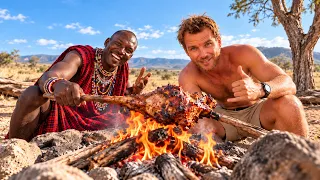
Life With the Maasai: 30 Days in Wild Africa (RAW & UNCUT)
Jack Strickland and Aaron Gallagher trek across the Tanzanian savanna on foot, camp with Maasai herders over a bush-dressed goat feast, and learn traditional plant medicine near Mount Kilimanjaro.
The Ultimate Adventure! (AFRICA UNCUT)
✅ Tap my link to get Fishing Clash on iOS/Android for FREE and redeem my code BACK2BASICS to unlock a $20-value starter pack, exclusively for new players! 🎣 Share your biggest catch in the comments below! The boys are back together for their biggest Series yet! 30 Days getting Back 2 Basics in Afr...