RIDING OUT A GALE Sailing Remote Patagonia [Ep.4]
Allison and James of Allison & James navigate their cutter southward through the intricate channels of Chilean Patagonia, contending with fierce weather systems that roll off Pacific storm tracks. While cruising remote waterways accompanied by family aboard, offshore marine forecasts predicted severe gale conditions developing over the ocean, with frontal systems packing sustained winds between forty and sixty knots. Rather than risking open-water passages in heavy seas, the crew elected to alter course and seek sheltered anchorages inside the fjords.
Explaining the detour through uncharted coastal fairways, James noted, “We’re taking a detour off the beaten path, deep into the fjords, towards the glaciers, and a remote town built entirely on boardwalks.” Winding through narrow granite channels, the crew observed striking changes in water coloration: “We’ve entered into the Baker area, and the water has turned a beautiful turquoise blue, which is from the glacial silt” carried downstream from massive continental ice shelves.
Navigating to Caleta Tortel and Cypress Boardwalk Heritage
Their navigation route brought them to the isolated timber settlement of Caleta Tortel, situated along the estuary of the Baker River. The coastal village is notable for its total absence of conventional paved streets. Founded in the nineteen-fifties by settlers harvesting local cypress timber, the town is interconnected by miles of elevated wooden boardwalks constructed from durable cypress wood, which today enjoys protected national heritage status. For decades, maritime boats provided the only transport link, until a single gravel road was connected in two thousand three, marking the southern road boundary of Chilean Patagonia.
Tucking into the inlet provided initial shelter from open Pacific swells. Aboard Landfall, the crew welcomed the rain delay with homemade pizza and pisco sours, drying out sodden offshore foul-weather gear in the compact cabin. The following morning brought rare sunshine, allowing the crew to walk the boardwalks, sample regional empanadas, and undertake an ambitious uphill hike recommended by the local librarian, climbing over a thousand wooden steps to a mountain antenna ridge for sweeping vistas over snow-capped peaks and the turquoise Baker estuary.
Escaping Open Fetch and Securing a Hurricane Hole
Despite the scenic surroundings of Caleta Tortel, the crew recognized that the municipal anchorage remained dangerously exposed to wind funnels sweeping down the Baker River valley. With offshore storm systems preparing to unleash forty to fifty-knot gales, staying anchored across an open fetch presented serious dragging hazards.
The crew immediately weighed anchor and navigated deeper into adjacent fjords to locate a protected hidey-hole cove. High-latitude storm tactics require identifying narrow bays where surrounding granite headlands deflect katabatic downdrafts. Once safely positioned inside the cove, the crew set heavy ground tackle in the seabed and ran multiple high-tensile shorelines to rock outcroppings and trees. Pinned securely against shoreline anchors, the vessel rode out sixty-knot squalls in complete safety, demonstrating the careful seamanship and terrain awareness required when voyaging through remote Patagonian wilderness.
High-Latitude Seamanship and Subantarctic Weather Tactics
Voyaging through southern Patagonia requires continuous adaptation to dynamic maritime weather systems. Low-pressure cells circulating around Antarctica frequently generate violent frontal systems that collide with the coastal mountain ranges of southern Chile, channeling fierce winds directly through steep fjords. For cruising crews, recognizing local terrain effects and reading barometric pressure trends is just as vital as interpreting digital forecast models.
Reflecting on their stay in Caleta Tortel, the crew noted similarities between the isolated timber settlement and historic remote fishing outports, where survival historically depended upon maritime resilience and communal self-reliance. As unpredictable weather windows dictate passage timing along the Patagonian coast, having the patience to wait out forty to sixty-knot storms in secure anchorages remains the foundational rule of high-latitude seamanship.
Frequently Asked Questions
A severe offshore storm system with winds forecasted between forty and sixty knots prompted the crew to seek sheltered anchorage inside protected channels.
Caleta Tortel has no vehicular roads; all homes, businesses, and waterfront moorings are linked exclusively by elevated wooden boardwalks built from cypress.
The water turns a milky turquoise blue due to dense glacial silt and mineral sediment carried down by massive ice sheets feeding the Baker River system.
The anchorage at Tortel was exposed to severe wind fetch funneled through the river valley, forcing the crew to relocate to a sheltered cove with shorelines tied to rocks.
Support Allison & James
At WeBoating.com, we profoundly acknowledge the unwavering dedication that Allison & James invests in crafting each and every video or voyage. Their passion for delivering exceptional ocean content shines through every frame, and it's a labor of love that deserves your attention.
We invite you to watch their captivating videos here and actively engage with their content, including their social media links above. Liking, commenting, and sharing their work goes a long way in fueling their creative fire.
We're also inviting you to explore the gear, sponsorships, and boat partnerships highlighted in the "RIDING OUT A GALE Sailing Remote Patagonia [Ep.4]" video description, or directly on YouTube. By engaging with these offerings or purchasing services and items, you directly support Allison & James, their collaborators, and the brands they're associated with.
To ensure you never miss an offshore update, consider visiting their official YouTube Channel to subscribe, like, and join their community directly.
If you have any feedback, corrections, or additional information about Allison & James or their videos, please use the comment form below to share your thoughts with us.
Thank you for being a part of our community and supporting the creators we cherish. Your time and support truly matter!
With a 60-knot storm building offshore, we run for shelter, taking a detour off the beaten path to a remote village built entirely on boardwalks. Tucked into a barely charted bay, we ride out the storm for two days, then fight our way back out against 30-40 knot headwinds.
🌊Subscribe & join the voyage through Patagonia! New chapters of our sailing story every second Friday.
Join the Crew ⚓️
Early access to new videos, real-time updates, and your name in our credits!
Patreon: https://www.patreon.com/allisonandjames
Watch Exclusive Content 🎥
YouTube Memberships: https://www.youtube.com/@AllisonandJamesSailing/join
Support the Voyage⛵️
Directly support the production of these films with a one-time contribution.
https://paypal.com/paypalme/jamesandallison
Grab our Merch👇🏼
https://allisonandjamessailing.myshopify.com/
Follow Along on the Adventure💫
Facebook: https://www.facebook.com/AllisonandJames.Youtube/
Instagram: https://www.instagram.com/sailingallisonandjames
Filmed & Produced by Allison McIsaac & James Stace
Vessel: SV Landfall, Shannon 37
Captain: Dennis Ommen. First Mate: Barbara McIsaac
Filmed November 2025 – January 2026
#sailing #highlatitudesailing #sailingpatagonia
Allison & James
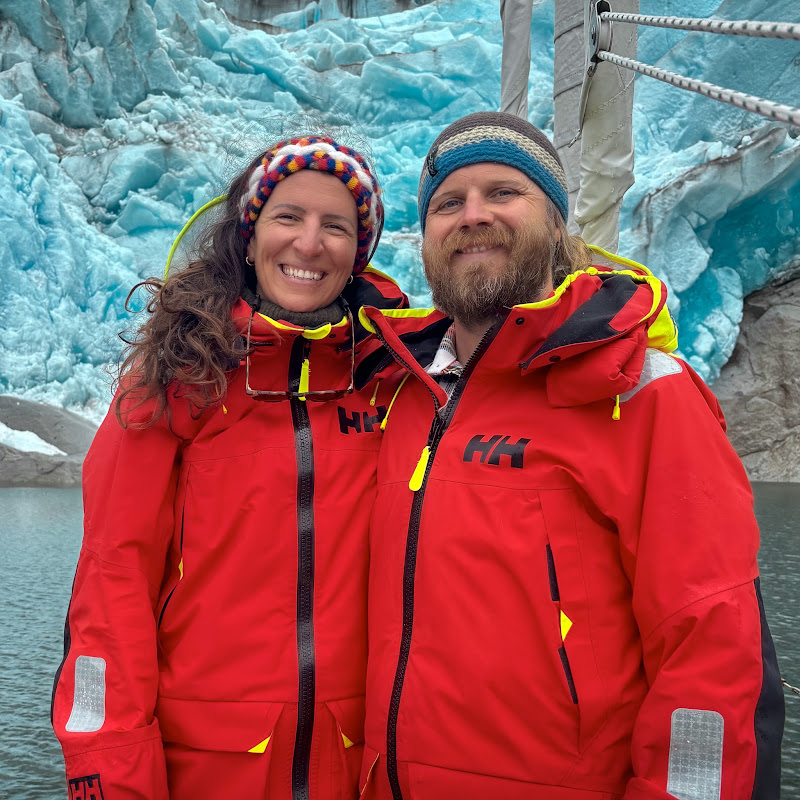
Canadian-Australian duo Allison & James prove you don't need a fancy boat to explore the wild. Discover their minimalist off-grid life in Alaska.
Channel Information:
Social Media Links:
RIDING OUT A GALE Sailing Remote Patagonia [Ep.4] Location
- Caleta Tortel Cove - Chilean Patagonia (-47.7958,-73.5333)
Latest Episodes from Allison & James
Explore the most recent voyages. Subscribe to the channel to never miss an update!
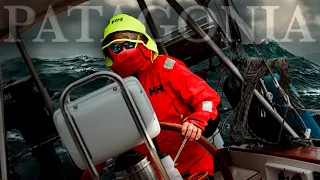
RIDING OUT A GALE Sailing Remote Patagonia [Ep.4]
Allison & James seek shelter from a sixty-knot gale in Chilean Patagonia, exploring Caleta Tortel's cypress boardwalks before tying off to granite cliffs.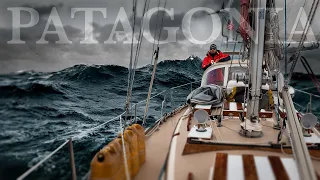
GULF OF SORROWS | A Gruelling Offshore Passage Through Patagonia
Sailing aboard SV Landfall, Allison and James cross Chile's notorious Gulf of Penas, braving steep cross-swells, 28-knot gusts, and heavy fog to make landfall near historic Wager Island.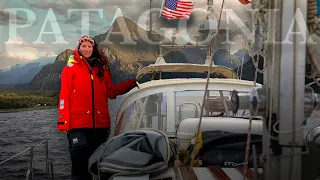
Sailing Patagonia, Ep. 2 | Deeper Into a Remote Coastline Few Ever See
Allison and James navigate Canal Refugio aboard the Shannon 37 SV Landfall, dodging aquaculture pens and managing williwaws before docking in Puerto Aguirre.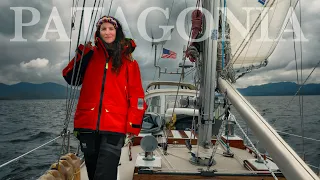
Sailing Patagonia on a 37ft Shannon | 56days, Sailing 2000nm to the Southernmost Town in the World
Departing Puerto Montt aboard the 37-foot cutter Landfall, Allison and James join Dennis and Barb to navigate a 2000-nautical-mile passage through remote Patagonian fjords toward the southernmost settlement of Puerto Williams.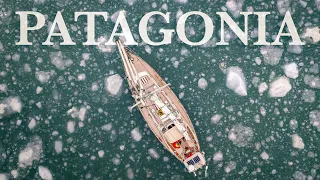
A Sailing Journey Through Patagonia.
A family’s sailing journey through one of the most remote and spectacular coastlines on the planet... Subscribe & join on the voyage through Patagonia. Coming Fall 2026 🎥Filmed & Produced by Allison McIsaac & James Stace ⛵️Vessel: SV Landfall, Shannon 37 Captain: Dennis Ommen First ...