Just About Sailing April 2019 - Installing a Chinese Diesel Heater, Pt 3 Full operational test run
Very Nearly About Sailing
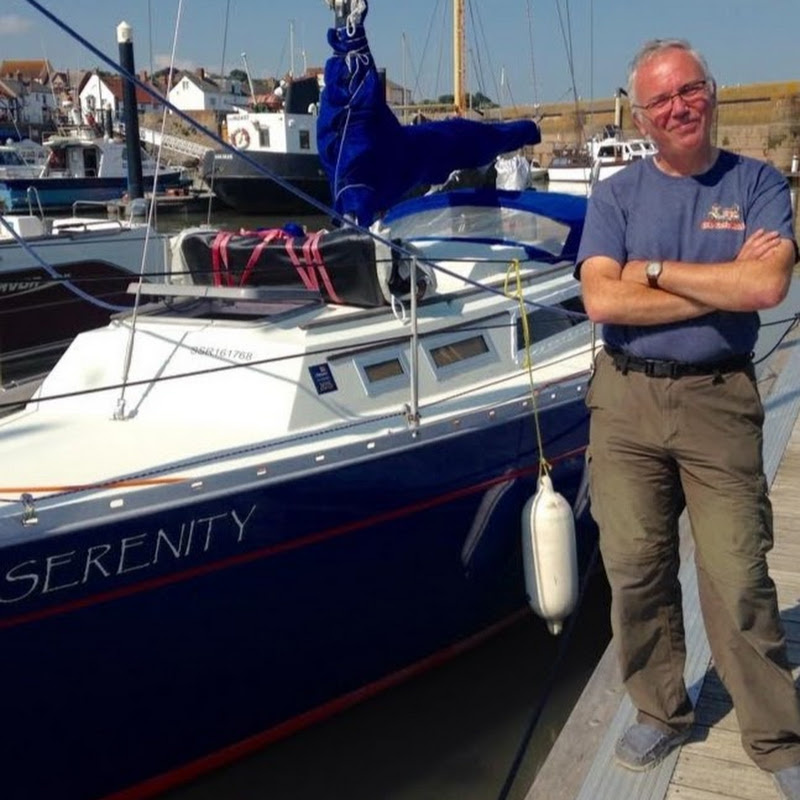
Just about sailing is simply a light hearted video diary of someone who has wanted a sailing boat for as long as he can remember. Then in 2015 I decided it's now or never. Let the adventures begin! I bought a lovely Mirage 28 which I recently sailed round the South of the UK (check the short series of 13 videos April to May 2017) to a traditional boatyard in Kent for a refit prior to taking her off to venture somewhere warmer. Who knows where the adventure will take me. I would be delighted if you want to tag along with me and comment.
Channel Information:
Social Media Links:
Support Very Nearly About Sailing
At WeBoating.com, we profoundly acknowledge the unwavering dedication that Very Nearly About Sailing invests in crafting each and every video or voyage. Their passion for delivering exceptional ocean content shines through every frame, and it's a labor of love that deserves your attention.
We invite you to watch their captivating videos here and actively engage with their content, including their social media links above. Liking, commenting, and sharing their work goes a long way in fueling their creative fire.
We're also inviting you to explore the gear, sponsorships, and boat partnerships highlighted in the "Just About Sailing April 2019 - Installing a Chinese Diesel Heater, Pt 3 Full operational test run" video description, or directly on YouTube. By engaging with these offerings or purchasing services and items, you directly support Very Nearly About Sailing, their collaborators, and the brands they're associated with.
To ensure you never miss an offshore update, consider visiting their official YouTube Channel to subscribe, like, and join their community directly.
If you have any feedback, corrections, or additional information about Very Nearly About Sailing or their videos, please use the comment form below to share your thoughts with us.
Thank you for being a part of our community and supporting the creators we cherish. Your time and support truly matter!
I needed to do a full operational test run, so I thought I would video it. Not the most interesting video you will ever see, but hopefully useful if you are thinking of installing one of these units.
I was particularly interested in the current draw (amps) so that I can start doing my power audit for sizing batteries and solar panels etc.
In summary;
There is a brief high draw (about 8 amps) on both the start-up and switch off – which is when the glow plug is on.
At full blast it draws about 3.3 amps – this is when both the fan and the fuel pump running at full speed.
At idle (or tickover) this reduces to about 0.6 amps – this is when the diesel is still being burnt and there is some heat coming out, but is basically when the temperature you set on the LCD control panel (thermostat) has been reached.
The thermostat switches the unit from full to idle at 1 C above the temperature you set, and then goes back to full power when the temperature drops to 1 C below the temperature you have set.
This seems just about right to me.
Latest Episodes from Very Nearly About Sailing
Explore the most recent voyages. Subscribe to the channel to never miss an update!

VNAS July 2026 – Just a quick update. No I haven’t disappeared – everything is fine and going well
It's been a few months since I posted anything. I did say back in January that posting videos would be a bit ad hoc this year whilst I got a few small projects sorted out. This is just a quick update showing a couple of the projects - including a massive workshop re-organise and tidy up.
VNAS January 2026 – A walk around some of the projects planned for the coming year
Basically, there are loads of projects in a half (or even three quarter) finished state. Last year I spent a lot of fun time motorcycling and neglected all of them. This year I still want to do a lot of travelling - but I do need to get some stuff finished.
VNAS December 2025 – Christmas Musical Extravaganza Review – but without the music
That time of year already? This is just a quick review of a couple of themes from 2025. Plus the reveal of a new motorcycle project and a new musical instrument. 2025 has been great - roll on 2026.
VNAS November 2025 – Trying out LOMO waterproof panniers on Himalayan 411, Sanding a cylinder head
This one is mainly about some of the prep work I've been doing on my Royal Enfield 411 to get ready for some longer camping trips next year. I have been pondering on the 'best' panniers to get for ages; hard, soft, waterproof etc. I finally decided on the LOMO roll top waterproof pann...
VNAS October 2025 – a gentle ride out around the Trough of Bowland on my Himalayan 411 – lovely!
I spent a few days riding around the Trough of Bowland, and a few other places, with a motorcycling friend of mine. What a lovely part of the country, and a fantastic mini-tour with great company. This is just a short video of part of one of the rides.