Women Solo Sailing Mexico #sailing #travel #boating
Purchasing and restoring an offshore cruising vessel single-handedly demands exceptional technical discipline, physical endurance, and marine resourcefulness. For Sailing Miss Lone Star, Captain Jessica embarked on this ambitious passage by acquiring and independently refitting a 51-foot classic cruising ketch—a Taiwanese-built Formosa 51 hull designed by William Garden—in the coastal waters of Mexico. What began as a solitary personal odyssey soon evolved into a monumental demonstration of high-stakes seamanship, balancing the rigorous realities of blue-water voyaging with profound life transitions.
Venturing along the Mexican Pacific coastline, Captain Jessica navigated open waters alone while pregnant, confronting coastal anchorages, demanding squalls, and intricate mechanical maintenance without assistance. Following the birth of her daughter, Violet, the relentless upkeep required for a massive 52,000-pound displacement ketch collided with the demands of early motherhood, allowing timber structures and deck systems to suffer deferrals. Refusing to abandon the voyage, Captain Jessica turned the tide in Puerto Vallarta by rallying a skilled all-female crew, pooling their collective craftsmanship on a shoestring budget to resurrect the ketch and set course south toward the Panama Canal.
Solitary Ambition: Purchasing and Refitting a 51-Foot Ketch in Mexico
The story of Sailing Miss Lone Star gained international momentum when Captain Jessica acquired her 51-foot ketch in Mexico, undertaking a rigorous hands-on overhaul to prepare the heavy-displacement vessel for demanding passages through Puerto Vallarta and the wider expanses of Pacific Mexico. Designed with classic clipper lines, intricate teak joinery, and a hand-laid fiberglass hull, the Formosa 51 class presents a formidable maintenance challenge for any mariner. Captain Jessica tackled initial structural repairs, rigging tuning, and auxiliary machinery servicing independently, pouring personal resources into transforming the weathered ketch into a seaworthy expedition platform.
Managing a dual-masted cruising rig shorthanded requires continuous mechanical vigilance and proactive problem-solving. From rebuilding head systems to troubleshooting raw-water cooling circuits and securing heavy ground tackle at exposed anchorages, Captain Jessica honed her marine tradecraft through trial and error. Her dedication to completing comprehensive mechanical forensic audits without reliance on high-cost commercial boatyards established the operational standard that would sustain the vessel through subsequent offshore trials.
Solo Cruising Trials: Navigating Early Motherhood on the Water
Undertaking blue-water voyaging on Sailing Miss Lone Star presented intense personal challenges when Captain Jessica chose to continue solo cruising aboard her 51-foot ketch while pregnant, logging extensive passages between remote anchorages of Pacific Mexico before making harbor in Puerto Vallarta. The daily physical toll of raising heavy dacron canvas, hauling all-chain rode, and monitoring engine vitals placed extreme demands on her stamina. Confident in her technical abilities, she managed offshore passages single-handedly until childbirth required a temporary shore-based pause.
Following the birth of daughter Violet, the daily responsibilities of infant care conflicted with the constant upkeep demanded by an aging 51-foot voyager. With Captain Jessica prioritizing her daughter’s well-being, vessel maintenance inevitably slipped into arrears. Tropical moisture caused localized foredeck wood rot, deck hardware seals wept, and mechanical systems accumulated wear. Acknowledging that operating a 52,000-pound classic ketch as a sole caregiver was untenable, Captain Jessica recognized the immediate necessity of transforming her solitary voyage into a shared maritime mission.
Assembling an All-Female Crew in Puerto Vallarta
Recognizing that preserving the vessel required collective teamwork, Sailing Miss Lone Star initiated a historic chapter when Captain Jessica assembled a dedicated all-female crew in Puerto Vallarta, revitalizing her 51-foot ketch to resume active blue-water voyaging across Pacific Mexico. Bringing together passionate women mariners with diverse talents, the new crew established organized watch rotations, structured safety protocols, and daily shipboard maintenance rosters. This cooperative dynamic shared the heavy workloads of sail handling, engine room checks, and childcare for baby Violet.
Operating on a frugal shoestring budget, the women turned their anchorage in Banderas Bay into an active floating workshop. Rather than contracting costly marine services, the crew completed carpentry refits, electrical re-wiring, and rigging inspections with shared hand tools and mutual support. The collaborative energy brought immediate vitality back to the ketch, proving that collective female leadership and DIY competence could overcome daunting financial and logistical obstacles.
Foredeck Forensics: Cutting into the Bow for Composite Timber Restoration
The most demanding technical restoration documented by Sailing Miss Lone Star involved high-stakes structural surgery on the foredeck, where Captain Jessica and her crew cut into the bow of her 51-foot ketch while anchored off Puerto Vallarta in Pacific Mexico. Prolonged freshwater leaks around the bowsprit base and mooring bitts had caused severe core rot in the structural deck sub-framing. To prevent catastrophic failure under the extreme load of offshore headsails, the crew undertook the formidable task of cutting away the decayed timber and damaged fiberglass skin.
Peeling back structural fiberglass to reveal blackened, deteriorated wood demanded resolute technical execution. Captain Jessica and her crew meticulously chiseled away rotted coring, fabricated structural solid backing plates, and bonded the new timbers using multi-axial fiberglass laminates saturated with structural epoxy resin. This comprehensive composite surgery restored full structural stiffness to the foredeck, ensuring the heavy clipper bowsprit could withstand the pounding head seas anticipated during long-range passages.
Cruising Horizons: Departure Preparations Heading Toward the Panama Canal
With critical structural repairs completed, Sailing Miss Lone Star finalized offshore departure arrangements as Captain Jessica led the all-women crew aboard her 51-foot ketch out of Puerto Vallarta, setting a course south along the Pacific Mexico coastline toward the Panama Canal. Transitioning from a refit base to blue-water voyaging involved provisioning provisions, calibrating navigation equipment, overhauling the diesel propulsion unit, and securing child-safe accommodations for Violet in the main salon.
The journey south along the Central American coastline requires astute navigation through challenging weather regimes, including hazardous regional gap winds in the Gulf of Tehuantepec and equatorial squalls. Guided by comprehensive safety checks, renewed structural strength, and deep crew camaraderie, Captain Jessica and her team established an inspiring precedent for independent women mariners embarking on ambitious ocean expeditions.
Vessel Specifications and Pacific Expedition Milestones
The operational profile of Sailing Miss Lone Star highlights the technical parameters and voyaging achievements accomplished by Captain Jessica aboard her 51-foot ketch during their refit and passage staging in Puerto Vallarta and Pacific Mexico. The table below outlines key yacht specifications, restoration milestones, and voyage objectives.
| Category | Details & Expedition Metrics |
|---|---|
| Vessel Class & Name | Houdini / Formosa 51 Ketch (1977) |
| Hull Designer | William Garden (Taiwanese GRP Construction) |
| Displacement & Length | ~52,000 lbs / 51 ft LOA (approx. 60 ft with bowsprit) |
| Rig Configuration | Traditional Heavy-Displacement Offshore Ketch Rig |
| Expedition Leader | Captain Jessica (USCG Licensed Master) |
| Crew Dynamics | All-female sailing crew & infant daughter Violet |
| Refit Staging Port | Puerto Vallarta, Banderas Bay, Jalisco, Mexico |
| Major Structural Work | Bow deck rot excision, composite re-lamination, epoxy scarfing |
| Cruising Route | Pacific Mexico southward transit bound for Panama Canal |
Frequently Asked Questions
Answers to common questions regarding Sailing Miss Lone Star, Captain Jessica, her 51-foot ketch, and their offshore preparations in Puerto Vallarta along the coast of Pacific Mexico.
Captain Jessica sails a 1977 Formosa 51 cruising ketch designed by William Garden, featuring a solid Taiwanese hand-laid fiberglass hull and a displacement of approximately 52,000 lbs.
Yes, Captain Jessica sailed her 51-foot ketch single-handedly along coastal Mexico while pregnant, managing all sail handling, anchoring, and mechanical operations alone before taking time off for childbirth.
After daughter Violet was born, the upkeep of a 51-foot heavy-displacement vessel became overwhelming for a single mother. Captain Jessica assembled an all-female crew in Puerto Vallarta to pool skills and resurrect the boat on a shoestring budget.
The crew cut away rotten foredeck core timber caused by freshwater intrusion around the bowsprit, rebuilding the section with new structural core, multi-axial fiberglass cloth, and high-strength epoxy resin.
Departing Puerto Vallarta, Captain Jessica and her all-women crew are navigating southward along Pacific Mexico and Central America on a multi-thousand-mile passage bound for the Panama Canal.
Violet is Captain Jessica’s young daughter, who joined the voyage as an infant and is growing up aboard the 51-foot Formosa ketch amidst active ocean voyaging.
Support Sailing Miss Lone Star
At WeBoating.com, we profoundly acknowledge the unwavering dedication that Sailing Miss Lone Star invests in crafting each and every video or voyage. Their passion for delivering exceptional ocean content shines through every frame, and it's a labor of love that deserves your attention.
We invite you to watch their captivating videos here and actively engage with their content, including their social media links above. Liking, commenting, and sharing their work goes a long way in fueling their creative fire.
We're also inviting you to explore the gear, sponsorships, and boat partnerships highlighted in the "Women Solo Sailing Mexico #sailing #travel #boating" video description, or directly on YouTube. By engaging with these offerings or purchasing services and items, you directly support Sailing Miss Lone Star, their collaborators, and the brands they're associated with.
To ensure you never miss an offshore update, consider visiting their official YouTube Channel to subscribe, like, and join their community directly.
If you have any feedback, corrections, or additional information about Sailing Miss Lone Star or their videos, please use the comment form below to share your thoughts with us.
Thank you for being a part of our community and supporting the creators we cherish. Your time and support truly matter!
Sailing with an all female crew from Puerto Vallarta Mexico all the way down to Panama. How the trip began is definitely different than how it ended. 
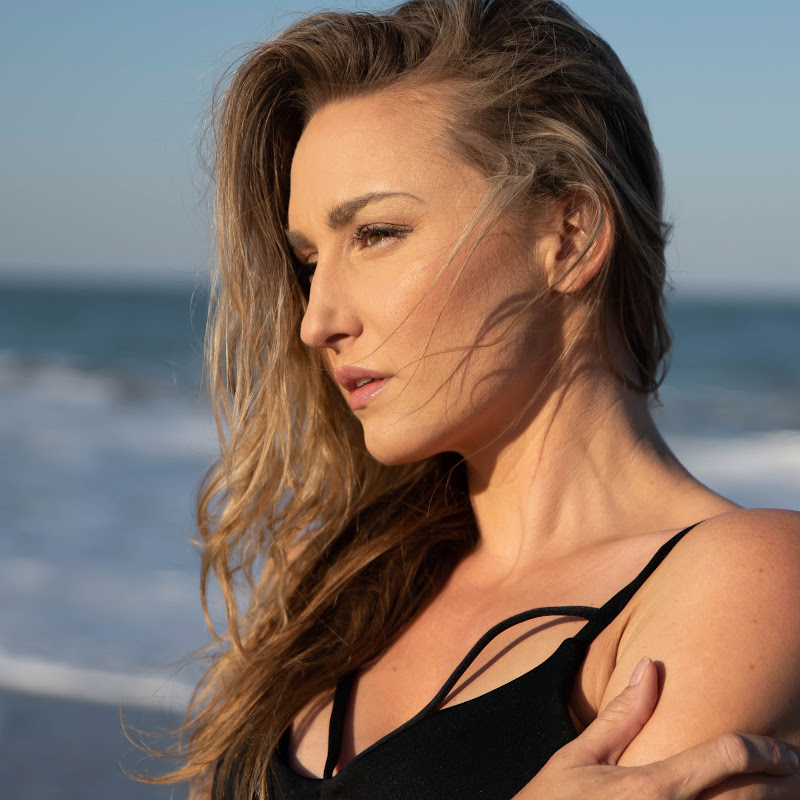
Sailing Miss Lone Star
Captain Aubrey O'Hare and her all-girl crew are redefining the 'Pirate Life' aboard Houdini, a 51ft Formosa ketch, navigating the Pacific toward Panama.
Channel Information:
Social Media Links:
Women Solo Sailing Mexico #sailing #travel #boating Location
- Puerto Vallarta Marina & Anchorage, Jalisco, Mexico (20.6534,-105.2253)
- Banderas Bay Cruising Waters, Mexico (20.6,-105.35)
Latest Episodes from Sailing Miss Lone Star
Explore the most recent voyages. Subscribe to the channel to never miss an update!

Women Solo Sailing Mexico #sailing #travel #boating
Captain Jessica recounts solo sailing a 51-foot ketch while pregnant in Mexico, rallying an all-female crew in Puerto Vallarta to rebuild the vessel for an offshore voyage to Panama.
We Could Not Outrun the Pirates. I Had to Make a Choice
The MAGIC happens on the Daily Show 👉 Join the Inner Circle (Patreon) Get behind-the-scenes access, community, and perks: 👉 About this episode What we are working on right now We are rebuilding Houdini into a safer, more capable offshore boat with a focus on structural integrity, reliability...
This Was NOT What We Expected in Panama EPS 319
The MAGIC happens on the Daily Show 👉 Join the Inner Circle (Patreon) Get behind-the-scenes access, community, and perks: 👉 About this episode What we are working on right now We are rebuilding Houdini into a safer, more capable offshore boat with a focus on structural integrity, reliability...
We Found Paradise. Then Everything Started Going Wrong.
5% Discount Code: SAILINGMISSLONESTAR 👉 The MAGIC happens on the Daily Show 👉 Join the Inner Circle (Patreon) Get behind-the-scenes access, community, and perks: 👉 What we are working on right now We are rebuilding Houdini into a safer, more capable offshore boat with a focus on structural integ...
Why does this make me Nervous
5% Discount Code: SAILINGMISSLONESTAR 👉 The MAGIC happens on the Daily Show 👉 Join the Inner Circle (Patreon) Get behind-the-scenes access, community, and perks: 👉 What we are working on right now We are rebuilding Houdini into a safer, more capable offshore boat with a focus on structural in...