HURRICANE PREP ALONE! 🌪️ Prepping Noeta Solo for Hurricane Simon in Banderas Bay
With Hurricane Simon projecting an uncertain path toward the Pacific coastline of Mexico, preparations begin across Banderas Bay as a developing tropical cyclone threatens coastal marinas. High astronomical tides already push seawater deep into the estuary, submerging waterfront bulkheads and reducing clearance along fixed pilings. Aboard the 57-foot, 60-ton trawler M/V Noeta, Alexa manages the entire heavy storm preparation solo while Captain Pat is away flying commercial airline routes between Los Angeles and Denver.
Diverging Storm Tracks and Meteorological Forecast Models
Meteorological forecasts for Hurricane Simon present conflicting trajectories across major computational models, complicating harbor preparations along Banderas Bay. Captain Pat dials in remotely from California to assess real-time meteorological tracking. The National Hurricane Center projects a storm cone pointing directly across Banderas Bay. This track differs from typical Pacific tropical systems, which generally track parallel to the coastline, encounter the rugged coastal terrain, and lose strength before pushing into inland waters.
A closer look at digital weather tracking platforms reveals significant divergence between predictive models. The Global Forecast System (GFS) model displayed on PredictWind forecasts the storm center staying offshore, generating mild winds within the protected bay. However, alternate iterations of the GFS model on Windy indicate the cyclone tracking toward landfall near Cabo Corrientes and Ipala. In that scenario, the towering mountainous topography along the southern mouth of Banderas Bay would shred the storm circulation by midday. Meanwhile, the European model projects a path heading farther south toward Manzanillo.
The regional atmospheric setup remains highly dynamic. A broad high pressure system anchored over central Mexico contends with an advancing upper-level low pressure trough pressing down from the north, while an atmospheric ridge settles over Idaho. Simultaneously, the remnants of Rachel push northward toward northern Baja and Southern California. With models split between a direct hit, a southern landfall, and an offshore curve, harbor officials and cruisers must prepare for high winds, torrential rainfall, and coastal surges.
Clearing Exterior Decks and Managing Estuary Surge
Dockside in the estuary, environmental conditions demand immediate physical labor to minimize windage and flying debris. The astronomical tide reaches extreme heights, bringing bay water up to the lips of concrete bulkheads and leaving little exposed piling height. While the estuary provides protected water and ample room for storm surge dissipation compared to open anchorages, surging tides place immense vertical strain on dock lines.
Alexa systematically strips the exterior decks to eliminate windage and airborne projectiles. Lightweight potted plants and potted cactuses are carried into the interior salon. Heavy exterior deck chairs, while substantial, are also hauled inside to prevent destructive movement during severe gusts. As Alexa explains regarding exterior items: “Anything that can be picked up and moved could be picked up and moved by a hurricane, too.”
Tender equipment, loose deck canvas, and deck hardware are stowed in below-deck compartments. Extra dock lines are doubled along the cleats, and oversized fenders are positioned against adjacent pilings to absorb surging motion as water levels rise across the basin.
Staging the Emergency Grab Bag and Shore Evacuation Plan
Securing a trawler for a tropical cyclone requires a clear plan for emergency evacuation when conditions deteriorate beyond safe dockside endurance. Local harbor regulations mandate shore evacuation once severe weather thresholds are declared, leaving no discretion for crews to remain aboard. As Alexa notes when organizing personal safety protocols: “When the marina says evacuate, we have to evacuate. There’s you don’t get an option.”
To prepare for rapid departure, an evacuation ditch kit grab bag is packed in a heavy waterproof dry bag and positioned directly adjacent to the salon companionway door. This emergency shore pack differs from an offshore survival ditch kit, containing specific assets required to navigate mainland disruptions. In widespread storm disasters, municipal electrical grids fail, shutting down banking networks and automated teller machines. Alexa secures Mexican pesos in cash, recognizing that cash remains essential when power grids collapse.
The waterproof bag is packed with primary vessel paperwork and personal documentation, including United States Coast Guard registration papers, the Mexican Temporary Importation Permit (TIP), certified copies of passports, and Mexican resident identification cards. Alexa also packs a week of essential prescription medications, drinking water, and dry rations.
Pet safety forms an integral part of the vessel evacuation plan. Gilligan the boat cat is prepared with an airline backpack carrier and a dedicated supply of cat food, ensuring rapid transport to shore shelters if marina sirens sound. A written departure checklist is posted by the companionway door, detailing high-priority communication gear including mobile phones, laptop computers, chargers, and handheld VHF radios. Life jackets are placed right at the entryway, designated for mandatory use whenever walking along the docks during severe weather.
Auxiliary Generator Protocols and Engine Room Readiness
Maintaining auxiliary power is essential when shore power connections trip during coastal storms. In the machinery space, pre-storm maintenance centers on inspecting bilges, confirming primary fuel reserves, and validating the operational status of the vessel’s dual Northern Lights diesel generators. The trawler is equipped with two auxiliary generators: a 17 kW unit and a primary 21 kW generator capable of supporting heavy air conditioning, domestic loads, and battery banks.
Starting these diesel generators requires a disciplined sequence to protect internal components. The operator engages the main breaker, then depresses and holds the preheat toggle in the stop position for 10 to 15 seconds. This energizes the glow plugs and runs the electric fuel pump until an audible clicking confirms fuel pressure. Once primed, the operator toggles the start switch for a count of 2 until the diesel engine catches, immediately verifying raw cooling water discharge from the hull exhaust.
Operating auxiliary power systems in Mexican tropical waters presents distinct thermal challenges. Elevated ambient temperatures place substantial strain on mechanical components. Captain Pat notes that removing the heat shield from around the generator enclosure prevents excessive thermal accumulation from baking rubber fuel pump seals and causing fuel leaks over time. Once operational checks are completed, the engine is shut down using the fuel shut-off solenoid, leaving both generator systems ready for immediate transfer upon harbor electrical loss.
Community Mutual Aid Across the Marina Slips
Solo storm preparation aboard a 60-ton passage-maker requires physical stamina, but cruisers along the slips demonstrate mutual aid. Throughout the morning, neighboring cruisers repeatedly walk the docks offering assistance, assessing dock lines, and helping tie secure bowline hitches around high pilings. Cruisers inspect each other’s cleats, adjust spring lines, and add chafe protection wherever lines experience surge friction.
Local maritime experience reinforces a clear perspective on storm preparedness. While extensive physical effort is dedicated to preserving the trawler and its onboard systems, personal safety remains the overriding imperative: “life is way more valuable than any of this, well, not this stuff, but the rest of the stuff. So, if I need to get off this boat, I will get off this boat.” With hatches dogged, lines doubled, and evacuation gear staged, the crew stands ready to weather Hurricane Simon.
Frequently Asked Questions
Most tropical storms traveling up the Mexican coast are disrupted by the high elevations of Cabo Corrientes and adjacent mountains, though direct tracks can still push severe surge and wind into the bay.
Forecasts compared the Global Forecast System (GFS) model on PredictWind, the Windy GFS model, and the European model to assess divergent tracks between offshore routes and landfalls near Cabo Corrientes or Manzanillo.
The waterproof ditch kit contains passport copies, Mexican identification, Coast Guard documents, the boat’s Temporary Importation Permit (TIP), Mexican pesos in cash, medications, water, snacks, and pet supplies.
The operator holds the preheat toggle to the stop position for 10 to 15 seconds until the fuel pump clicks, presses start for 2 seconds, confirms raw water flow in the exhaust, and selects the 17 kW or 21 kW unit on the main breaker panel.
In high tropical temperatures, trapped engine heat can deteriorate the generator’s fuel pump seals and trigger diesel fuel leaks over time.
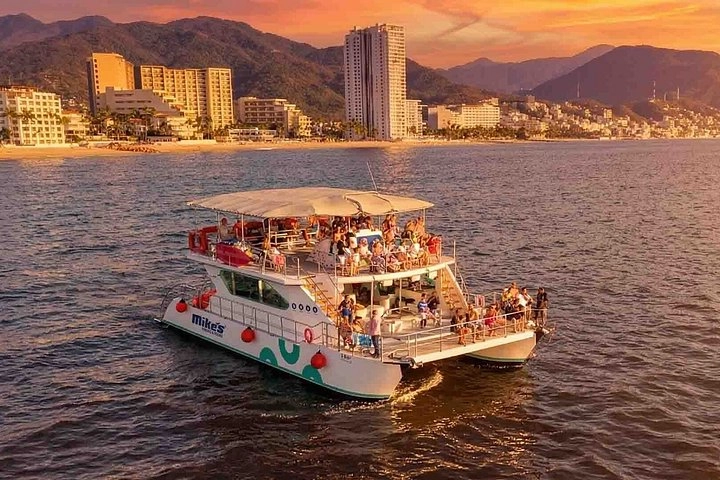
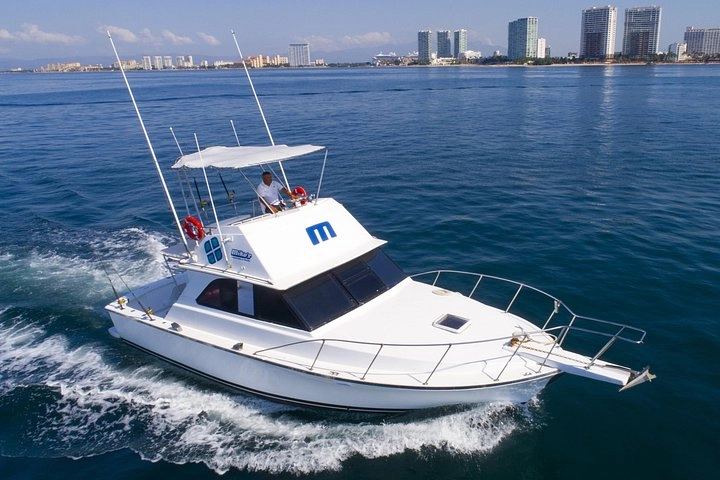
Book a trip where this was filmed — near Puerto Vallarta

Support M/V Noeta
At WeBoating.com, we profoundly acknowledge the unwavering dedication that M/V Noeta invests in crafting each and every video or voyage. Their passion for delivering exceptional ocean content shines through every frame, and it's a labor of love that deserves your attention.
We invite you to watch their captivating videos here and actively engage with their content, including their social media links above. Liking, commenting, and sharing their work goes a long way in fueling their creative fire.
We're also inviting you to explore the gear, sponsorships, and boat partnerships highlighted in the "HURRICANE PREP ALONE! 🌪️ Prepping Noeta Solo for Hurricane Simon in Banderas Bay" video description, or directly on YouTube. By engaging with these offerings or purchasing services and items, you directly support M/V Noeta, their collaborators, and the brands they're associated with.
To ensure you never miss an offshore update, consider visiting their official YouTube Channel to subscribe, like, and join their community directly.
If you have any feedback, corrections, or additional information about M/V Noeta or their videos, please use the comment form below to share your thoughts with us.
Thank you for being a part of our community and supporting the creators we cherish. Your time and support truly matter!
Tropical weather is bearing down on Banderas Bay, and Hurricane Simon is heading straight for the Mexican coast!
With Captain Pat away flying planes for the airline, Alexa is taking on full solo duty to get Noeta completely prepped and secured for the incoming storm. Meanwhile, Pat calls in remotely with a detailed marine weather breakdown—comparing various forecast models, track trajectories, and wind predictions so we know exactly what to expect.
From stripping down canvas, securing lines, and clearing decks to prepping onboard systems for high winds and heavy surge, join Alexa as she works through the ultimate solo storm checklist on a 60-ton Nordhavn.
In This Episode:
0:00 - Intro: Hurricane Simon Threatens Banderas Bay
1:04 - Remote Weather Report: Pat Breaks Down the Storm Tracks & Models
5:18 - Solo Deck Prep: Stripping Canvas, Tender Gear & Loose Items
6:45 - Evacuation Prep: Ditch Kit Packing
9:35 - Engine Room: Generators, Fuel & Bilge
13:26 - Final Thoughts
#Nordhavn #HurricanePrep #HurricaneSimon #BanderasBay #LiveaboardLife #TrawlerLife #Nordhavn57 #SoloCruising #BoatMaintenance #PuertoVallarta #MVNoeta #ParadiseVillage
Leave us a comment, hype, like and subscribe!
🌴 Follow our journey! 🌴
📱TikTok: nordhavn.mv.noeta
📸 Instagram: instagram.com/mvnoeta
😉 Facebook: facebook.com/mvnoeta
🖥️ Website: www.mvnoeta.com
🎽 Merch Store: https://mvnoeta-shop.fourthwall.com/
Products used aboard Noeta (these are affiliate links and we will receive compensation if the links are used):
💨 Predict Wind: https://www.predictwind.com/?ref=owfhn2e
🎥 Insta360 x5 Camera: https://amzn.to/45YKZq7
📸 Insta360 Ace Camera: https://amzn.to/4r97lgZ
📹 DJI Neo Mini Quadcopter: https://amzn.to/462Fyqc
🎬 DJI Mini 5 Pro Drone: https://amzn.to/4acrtZF
📗The 'Shawn and Heather' Guide Book we use in the Sea of Cortez: https://amzn.to/4cpn3zy
📙The 'Shawn and Heather' guide book we use for Pacific Mexico: https://amzn.to/4dmDM7L
⚓️ Mantus Chain Hook: https://www.mantusmarine.com/m3-chain-hook/?v=28886f13f578
🌊🌊🌊🌊🌊🌊🌊🌊🌊🌊🌊🌊🌊🌊🌊🌊🌊🌊🌊🌊🌊
#MVNoeta #nordhavn #liveaboard #Cruising #Boating #Powerboats #Yachts #BoatLife #Adventure #OutdoorLife #NordhavnOwners #DIY #LongDistanceCruising #LiveaboardLifestyle #BoatLife #GilliganTheFatBoatCat
M/V Noeta
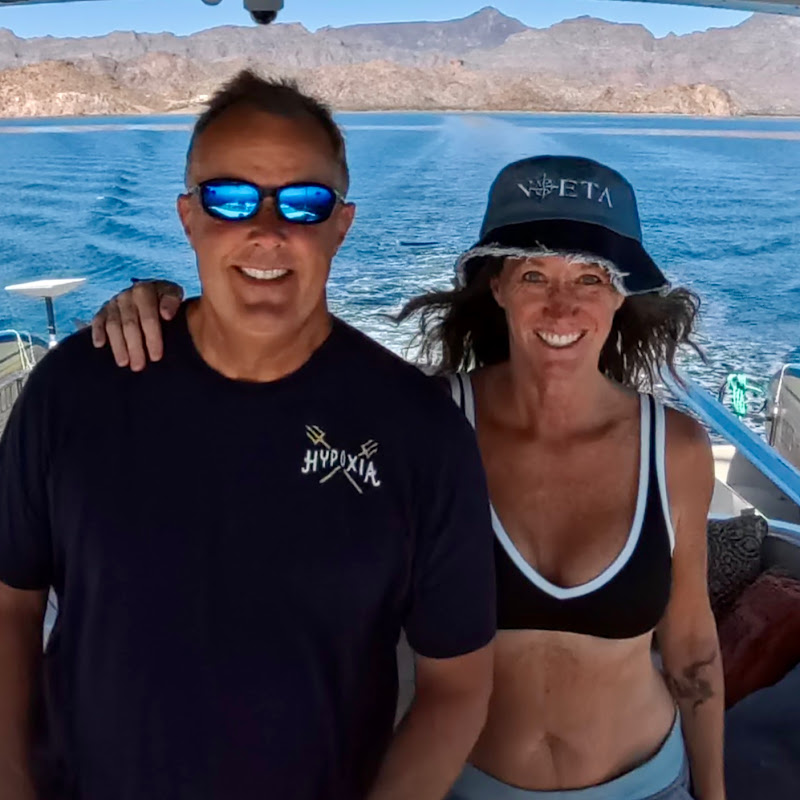
Are you dreaming of leaving the 9-to-5 behind for a life of ocean crossings, remote anchorages, and the ultimate liveaboard adventure? Welcome to our home! We are Pat and Alexa, and together with our famous "fat boat cat" Gilligan, we live, work, and travel full-time aboard Noeta, our 57-foot Nordhavn expedition trawler. We've lived aboard for 9 years, most of that in Mexico, both Pacific coast and the Sea of Cortez. Our channel is a deep dive into the "unfiltered" reality of long-range cruising and trawler life. We don't just show the beautiful sunsets; we show you the grit, things like: 🛠️Trawler Maintenance & DIY Boat Repair 🌊Offshore Passage Making 🛥️Liveaboard Lifestyle 🇲🇽Baja Exploration Whether you are an experienced captain, an aspiring liveaboard cruiser, or someone who just loves marine wildlife and adventure travel, our goal is to inspire you to find your own "Noeta"—your own path to freedom. We upload new episodes every week documenting our journey.⚓ Subscribe Today!
Channel Information:
Social Media Links:
Latest Episodes from M/V Noeta
Explore the most recent voyages. Subscribe to the channel to never miss an update!
We’re Leaving Paradise! 🌴 1,000 Liters of Diesel, Final Projects & One BIG Adventure Ahead!
M/V Noeta prepares for a Sea of Cortez crossing in La Cruz, managing heavy dock surge, bunkering 1,000 liters of diesel, and servicing rudder steering gear.
Noeta LIVE at Anchor on the Baja! Sun, Nov 15th @ 2 pm Pacific Time
Anchored at Isla Carmen in the Sea of Cortez, the crew of M/V Noeta breaks down their rough passage across from mainland Mexico, fuel pricing realities, and equipment maintenance aboard their Nordhavn 57 trawler.
LAST-MINUTE BOAT DRAMA! 🧊 Broken Ice Maker, Mexican Paperwork, Cockpit Views & Ready to Cast Off!
Aboard M/V Noeta in Nuevo Vallarta, Alexa troubleshoots a leaking freezer ice maker, secures Mexican cruising permits, and preps for passage across the Sea of Cortez.
Dozens of Rays Surround Noeta #mvnoeta #nordhavn #majesticseaflapflap
The new underwater lights have already given us so much joy! Over 30 eagle and devil rays swam around Noeta for hours in Ensenada Grande on Mexico’s Baja.
SEA OF CORTEZ Crossing PREP: Part 3🇲🇽 EPIRB Update, Wooden Bungs, Provisioning & Overseas Voting! 🗳️
Pat and Alexa tackle essential passage preparations aboard Noeta in Banderas Bay, outfitting thru-hulls with emergency wooden bungs, updating their EPIRB beacons, restocking galley provisions, and submitting midterm election ballots from Mexico.