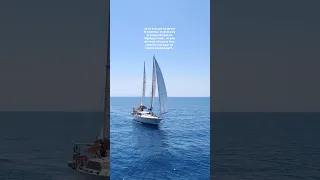
💨 Pourquoi le vent semble-t-il plus fort ou plus faible selon l’allure du bateau ?
Quand vous naviguez à la voile, le vent que vous ressentez à bord n’est pas le vent réel : c’est le vent apparent
Aux allures portantes (vent venant de l’arrière), la vitesse du bateau « rattrape » une partie du vent. Le vent apparent est donc plus faible : on soustrait la vitesse du bateau à celle du vent.
Aux allures de près (vent venant de face), la vitesse du bateau s’ajoute au vent rencontré. Le vent apparent est alors plus fort : on additionne les deux vitesses.
Comprendre cette différence est essentiel pour bien régler ses voiles et mieux comprendre le comportement du bateau.
⛵️ Vous débutez en voile ? Nous avons créé une formation en ligne qui explique simplement toutes les bases de la navigation, avec des exemples concrets et faciles à comprendre. Le lien est dans la bio ⬇️
Coraille En Voyage
Voilier, TUTOS, voyages et Aventures ! C'est avec un grand plaisir qu'on partage nos différents voyages, astuces et tutos sur le voilier et le bateau en général ! Alors... EMBARQUEZ et BIENVENUE a bord !!! Sailboat, Boat, Adventures! It is with great pleasure that we share our various trips, tips and tutorials on the sailboat and the boat in general! So .. . GET ON BOARD and WELCOME aboard !!!
Channel Information:
Social Media Links:
Support Coraille En Voyage
At WeBoating.com, we profoundly acknowledge the unwavering dedication that Coraille En Voyage invests in crafting each and every video or voyage. Their passion for delivering exceptional ocean content shines through every frame, and it's a labor of love that deserves your attention.
We invite you to watch their captivating videos here and actively engage with their content, including their social media links above. Liking, commenting, and sharing their work goes a long way in fueling their creative fire.
We're also inviting you to explore the gear, sponsorships, and boat partnerships highlighted in the "💨 Pourquoi le vent semble-t-il plus fort ou plus faible selon l’allure du bateau ?" video description, or directly on YouTube. By engaging with these offerings or purchasing services and items, you directly support Coraille En Voyage, their collaborators, and the brands they're associated with.
To ensure you never miss an offshore update, consider visiting their official YouTube Channel to subscribe, like, and join their community directly.
If you have any feedback, corrections, or additional information about Coraille En Voyage or their videos, please use the comment form below to share your thoughts with us.
Thank you for being a part of our community and supporting the creators we cherish. Your time and support truly matter!
Latest Episodes from Coraille En Voyage
Explore the most recent voyages. Subscribe to the channel to never miss an update!
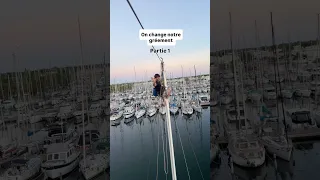
PARTIE 1 — On change notre gréement ! ⛵️
Une nouvelle grosse aventure commence à bord… 🔧 Après des heures à préparer le projet, on vient enfin de terminer toutes les prises de mesures. Une étape essentielle avant de pouvoir attaquer la suite du chantier ! Maintenant, place aux prochaines étapes… et autant vous dire qu’on a HÂTE de commen...
Et MAINTENANT on fait QUOI ? voilier ? navigation ? travaux ?
La fin de la saison 8 est arrivée, et on se prépare déjà pour une saison 9 pleine de surprises avec le gros loulou. Après avoir bouclé ce chapitre, il est temps de se tourner vers l'avenir. Vous le savez, j'adore le bricolage et la réparation de notre bateau, alors attendez-vous à ce que ...
Tu pensais qu’acheter un voilier neuf, c’était dire adieu aux travaux ? 🥲
Plot twist : non 😂 Même sur un bateau neuf, il y aura toujours quelque chose à régler, améliorer, comprendre ou réparer. Et finalement… TANT MIEUX. Parce que chaque petit problème te fait découvrir ton bateau un peu plus. Tu comprends comment les choses fonctionnent, où chercher quand quelque cho...
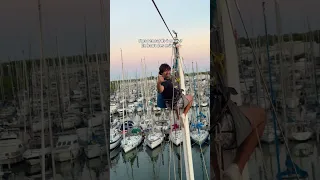
Quand ton voilier est une goélette… les rendez-vous à deux prennent vraiment de la hauteur 😆⛵️
Chacun son mât, chacun sa mission, avec bien sûr un ami en bas pour nous assurer ( merci Cyrilou 🥳) Et je vous avoue que, là-haut, la peur du vide était bien présente. Entre le vent, la hauteur et cette sensation d’être minuscule… il fallait quand même prendre sur soi. Mais la vue en valait large...