
Our Biggest Sail Ever Through the English Channel (Sailing Home to Plymouth)
Cruising along the southern coastline of England presents one of the most demanding seamanship tests in coastal voyaging. For Chesca and Ben, the adventurous couple behind Chesca & Ben, their voyage aboard sailing vessel Pico represents the culmination of intense preparation, technical refits, and practical seamanship. Setting out on a westward passage through the English Channel toward their homeport of Plymouth in the United Kingdom, the pair embark on their longest offshore passage, confronting notorious tidal races, congested shipping lanes, and grueling watch rotations.
Having spent five years living full-time in an overlanding campervan, trading asphalt for a 31-foot offshore sailing yacht introduced an unforgiving learning curve. Coastal navigation along the English Channel is dictated by strict tidal gates, hydrodynamics, and the world’s busiest commercial shipping corridor. Casting off mooring lines, the crew understood that once committed to the westward track, every tactical choice regarding sail trim, current calculation, and physical endurance would dictate their safety.
Passage Planning and Transiting the Dover Strait Traffic Separation Scheme
For Chesca and Ben, creators of the maritime channel Chesca & Ben, sailing vessel Pico serves as their offshore platform on an ambitious voyage westward through the English Channel toward Plymouth in the United Kingdom. Embarking on a demanding coastal transit requires rigorous passage planning, particularly when confronting the Dover Strait Traffic Separation Scheme (TSS)—the most heavily trafficked international shipping waterway on earth. Setting out from the eastern approaches, the short-handed crew aboard the 31-foot vessel must calculate every nautical mile with precision, balancing tidal flow against commercial container traffic moving at more than twenty knots.
Under Rule 10 of the International Regulations for Preventing Collisions at Sea (COLREGs), crossing vessels must steer a heading at right angles to the general traffic flow. Maintaining a true 90-degree heading across the lanes while cross-tides set the hull sideways demanded total focus. Monitoring the Automatic Identification System (AIS) display and radar, Ben tracked the closest points of approach (CPA) of four-hundred-meter container vessels, while Chesca maintained radio watches on VHF Channels 16 and 11. Crossing the commercial lanes without impeding traffic marked their first major tactical success.
Tidal Gate Calculations: Clearing Dungeness and Beachy Head
As Chesca and Ben progress along the southern coastline for Chesca & Ben, sailing vessel Pico encounters the formidable tidal gates of Dungeness and Beachy Head within the English Channel on the passage toward Plymouth, United Kingdom. Coastal passage making along this stretch of England is governed by the lunar cycle and hydraulic forces that funnel vast bodies of seawater through narrow coastal shelf contours. A 31-foot monohull cruising yacht cannot simply power through contrary tidal currents running up to three knots; success hinges upon calculating the exact hour of high water Dover to ride the favorable ebb stream westward.
Clearing the shingle spit of Dungeness, the ebb stream accelerated the yacht westward, surging speed over ground to eight knots. Approaching the chalk cliffs of Beachy Head, freshening twenty-knot southwesterlies met the opposing current, kicking up steep channel chop. With salt spray lashing the dodger, the crew shortened sail to reduce leeway and ease shock loads on the rigging, maintaining positive headway until clearing the headland before the tidal stream reversed.
Heavy Weather Tactics Across the Solent and Christchurch Bay
Navigating past the Solent into Christchurch Bay, Chesca and Ben of Chesca & Ben maintain a vigilant watch as sailing vessel Pico meets steep coastal chop in the English Channel bound for Plymouth, United Kingdom. Rounding the imposing chalk monoliths of the Needles, the 31-foot vessel exits sheltered waters and enters the exposed coastal bight where conflicting swells meet shallow sandy shoals. The crew must quickly adapt to rapidly deteriorating sea conditions, adjusting their sail plan and securing all deck gear to prevent damage or water ingress.
Exiting the Needles Channel, the ebbing current over the Shingles bank whipped the sea into confused overfalls. Chesca and Ben tucked a second reef into the mainsail and rolled away part of the genoa, allowing Pico’s fin keel and skeg rudder to track reliably through the rollers. Coping with continuous heel in the gusty chop turned basic tasks into exhausting physical balancing acts, requiring secure handholds against the yacht’s rolling motion.
Tackling Portland Bill and the Demanding Lyme Bay Overnight Passage
The most notorious tactical hurdle facing Chesca and Ben of Chesca & Ben aboard sailing vessel Pico in the western English Channel en route to Plymouth in the United Kingdom is the menacing headland of Portland Bill and the expanse of Lyme Bay. Extending southward into the Channel like a stone wedge, the Isle of Portland compresses tidal streams into violent standing waves and turbulent whirlpools known as the Portland Race. With currents reaching speeds of up to seven knots, misjudging the tidal gate can trap a small vessel in breaking overfalls capable of dismasting or swamping a cruising sailboat.
To bypass the turbulent race, the crew rounded more than five nautical miles south of Portland Bill before entering the open bite of Lyme Bay as darkness descended. Navigating the forty-five-mile crossing overnight required strict three-hour watch rotations. Cold night air and visual fatigue were suddenly rewarded at 03:00 when a pod of bioluminescent dolphins flanked the bow, their bodies illuminating the black water in radiant neon arcs.
English Channel Passage Telemetry, Yacht Pico Specifications, and TSS Rules
To safely conduct this long-distance coastal passage, Chesca and Ben of Chesca & Ben rely on a structured technical matrix aboard sailing vessel Pico as they transit the English Channel toward Plymouth in the United Kingdom. Small-vessel offshore voyaging demands total situational awareness, combining Colregs compliance, continuous electronic telemetry, and an understanding of the yacht’s physical specifications. The following data ledger summarizes the critical tidal headlands, vessel dimensions, and international navigation regulations governing their journey along the English south coast.
| Navigation Sector / Entity | Geographic Waypoint & Coordinates | Maritime Rule & Tactical Specification |
|---|---|---|
| Dover Strait TSS Transit | Dover Strait (51.1275° N, 1.3134° E) | COLREGs Rule 10 compliance; 90° heading cross-lane transit; Dover Coastguard VHF Ch 11/16 monitoring. |
| Dungeness & Beachy Head | Kent & East Sussex Coastline | Tidal stream up to 3.0 knots; departure synchronized with HW Dover +0400 to optimize westward ebb flow. |
| Solent & Christchurch Bay | The Needles to St Alban’s Head | Overfalls avoidance over Shingles bank; double-reefed main in 18-knot winds; speed over ground reaches 8 knots. |
| Portland Bill Tidal Gate | Isle of Portland, Dorset | Violent 5–7 knot race; tactical passage via offshore detour (>5 NM south) to bypass standing waves. |
| Lyme Bay Crossing | Portland to Start Point (45 NM span) | 16-hour offshore night passage; 3-hour watch system; dead reckoning cross-checked with GNSS telemetry. |
| Vessel Specifications | Sailing Vessel Pico (31 ft Monohull) | 31 ft LOA, 10 ft Beam, 5 ft Draft, moderate fin keel, skeg rudder, slab-reefed sloop, LiFePO4 battery bank. |
| Plymouth Sound & Sutton Harbour | Plymouth, Devon (50.3650° N, -4.1350° W) | Drake’s Island fairway clearance; Plymouth Longroom VHF Ch 14; Sutton Harbour lock gate transit on VHF Ch 12. |
Dawn Arrival at Plymouth Sound and Locking into Sutton Harbour
At first light across the western horizon, Chesca and Ben of Chesca & Ben guide sailing vessel Pico into the protected waters of Plymouth Sound, marking the successful completion of their English Channel passage to Plymouth, United Kingdom. Entering between the Western Breakwater and the historic promontory of Mount Edgcumbe, the crew leaves behind the grueling night watches and cold spray of the open sea. Rounding Drake’s Island and heading toward the historic waterfront of the Hoe, the emotional realization of returning home to their homeport settles over the cockpit.
Seven years after leaving Plymouth in their self-built campervan, arriving by sea was a profound milestone. Ben’s father watched from the Hoe promenade, waving as Pico powered past Mount Batten toward the Cattewater. Ben contacted Sutton Harbour Marina on VHF Channel 12, securing clearance through the historic tidal lock gates. With lines made fast to the pontoon, Chesca and Ben reflected on their journey—a testament to meticulous passage planning, resilient small-boat seamanship, and the power of teamwork.
Frequently Asked Questions
Sailing vessel Pico is a 31-foot offshore monohull cruising yacht featuring a 10-foot beam, a draft of 5 feet with a moderate fin keel, and a skeg-hung rudder for directional stability. She is rigged as a sloop with slab reefing, a furling headsail, and modern navigation electronics including AIS, radar, and marine VHF.
Under COLREGs Rule 10, sailing vessel Pico must cross traffic lanes at right angles to the general traffic flow (a 90-degree heading). Sailing vessels must not impede commercial lane traffic, must maintain radar and AIS watchfulness, and must monitor VHF Channels 16 and 11 with Dover Coastguard.
Navigating Portland Bill requires precise timing due to overfalls reaching 5 to 7 knots during spring tides. Chesca and Ben bypassed the violent race by routing more than five nautical miles offshore south of the Bill, avoiding breaking standing waves before heading into Lyme Bay.
Tidal currents at Dungeness and Beachy Head run up to 3 knots. For sailing vessel Pico, Chesca and Ben timed their departure with high water Dover to ride the favorable ebb stream west, avoiding wind-against-tide conditions that generate steep, boat-stopping channel chop.
For Chesca and Ben aboard sailing vessel Pico, night watches are divided into alternating 3-hour solo shifts from 21:00 to 06:00. This rotation ensures continuous lookout for shipping and fishing gear while granting the off-watch sailor restful sleep to combat exhaustion.
Entering Plymouth Sound, sailing vessel Pico passes the Western Breakwater and Drake’s Island, monitoring Plymouth Longroom on VHF Channel 14. Approaching Sutton Harbour lock, the crew calls the lock keeper on VHF Channel 12 for transit clearance into the marina.
Support Chesca & Ben
At WeBoating.com, we profoundly acknowledge the unwavering dedication that Chesca & Ben invests in crafting each and every video or voyage. Their passion for delivering exceptional ocean content shines through every frame, and it's a labor of love that deserves your attention.
We invite you to watch their captivating videos here and actively engage with their content, including their social media links above. Liking, commenting, and sharing their work goes a long way in fueling their creative fire.
We're also inviting you to explore the gear, sponsorships, and boat partnerships highlighted in the "Our Biggest Sail Ever Through the English Channel (Sailing Home to Plymouth)" video description, or directly on YouTube. By engaging with these offerings or purchasing services and items, you directly support Chesca & Ben, their collaborators, and the brands they're associated with.
To ensure you never miss an offshore update, consider visiting their official YouTube Channel to subscribe, like, and join their community directly.
If you have any feedback, corrections, or additional information about Chesca & Ben or their videos, please use the comment form below to share your thoughts with us.
Thank you for being a part of our community and supporting the creators we cherish. Your time and support truly matter!
» Instagram - https://www.instagram.com/chescaandben
» Facebook - https://www.facebook.com/chescaandben
👉Get BLUETTI Elite 300: https://bit.ly/4poRw5U
🎊BLUETTI Autumn Prime Power Deals:
https://www.bluettipower.co.uk/pages/bluetti-sale
⚡Discount Code: BLUETTIChesca
🔋BLUETTI Elite 300 Portable Power Station
- Frost & Sullivan® Certified —The World's Smallest 3 kWh Portable Power Station: 3,014.4 Wh capacity and 2,400 W output in an ultra-compact design — easy to place, easy to move, and ready for home, RV, or outdoor use.
- 12 V / 30 A DC Port: Delivers stable 12 V power to car fridges and other RV appliances during camping or road trips.
- Handles Big Loads: 2,400 W output with 4,800 W surge powers microwaves, heaters, and other high-demand devices.
- Instant Home Backup: 10 ms UPS switches instantly to backup, keeping your essentials running without interruption.
- BLUETTI App Control: Monitor energy, remotely wake the unit, and schedule device automation via Bluetooth and Wi-Fi.
- Built to Last: Premium LiFePO₄ cells rated for 6,000+ cycles mean reliable power for years of daily use.
#BLUETTI #elite300 #SolarGenerator
↠ A BIT ABOUT US
If you recognise our faces, you might have seen us before as Overlanding Sophia. We're Chesca and Ben, and with our two pups River & Scout (🐶 🐶 ) we've spent the past 5 years living and travelling full time in our camper van Sophia. She's taken us from the far reaches of Turkey, to the north of Alaska and the rainforests of Guatemala. But now, we're officially starting a brand new chapter as we learn to sail on our 40ft sailboat Flying Freedom. It's time for a new challenge and a new adventure.
We use Orca navigation and absolutely love it! See their full range here (affiliate link) - https://getorca.com/?via=chescaandben
Thank you!!
Chesca & Ben
Discover how Chesca and Ben transitioned from overlanding in a Sprinter van to sailing the seven seas aboard their Freedom 40. A deep dive into the technical reality of their 'learning-in-public' maritime journey.
Channel Information:
Social Media Links:
Our Biggest Sail Ever Through the English Channel (Sailing Home to Plymouth) Location
- Plymouth Sound & Sutton Harbour, Plymouth, Devon, UK (50.365,-4.135)
- Dover Strait & White Cliffs, Kent, UK (51.1275,1.3134)
Latest Episodes from Chesca & Ben
Explore the most recent voyages. Subscribe to the channel to never miss an update!
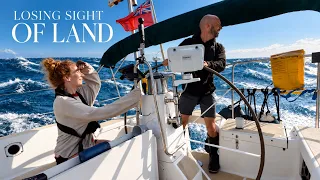
Our Biggest Sail Ever Through the English Channel (Sailing Home to Plymouth)
Chesca and Ben sail their yacht Pico on an offshore passage through the English Channel to Plymouth, Devon, overcoming Dover Strait shipping, turbulent tidal races, and night watches.
Just two newbies sailing their 40ft sailboat for the very first time
» Instagram - » Facebook - ↠ A BIT ABOUT US If you recognise our faces, you might have seen us before as Overlanding Sophia. We're Chesca and Ben, and with our two pups River & Scout (🐶 🐶 ) we've spent the past 5 years living and travelling full time in our camper van Sophia. She�...
The Day That Made Me Question Our Decision to Buy a Boat
» Instagram - » Facebook - ↠ A BIT ABOUT US If you recognise our faces, you might have seen us before as Overlanding Sophia. We're Chesca and Ben, and with our two pups River & Scout (🐶 🐶 ) we've spent the past 5 years living and travelling full time in our camper van Sophia. She�...
The Truth About Learning to Sail That Nobody Tells You
» Instagram - » Facebook - ↠ A BIT ABOUT US If you recognise our faces, you might have seen us before as Overlanding Sophia. We're Chesca and Ben, and with our two pups River & Scout (🐶 🐶 ) we've spent the past 5 years living and travelling full time in our camper van Sophia. She�...
We Bought a Sailboat to Sail The World… Now We Need to Learn How to Sail
Two big milestones this week! 🥹 Watch Jamie's video of this trip - Jamie's IG - & Jamie's Youtube - Our videos will always be free, but if you'd like to support our channel and help keep the wind in our sails, you can Buy us a Coffee here: Or for extra content and ...