Same Rail, 2.5× the Power | BougeRV N-type 200W Solar Panel | SSL784
At anchor in San Andres, Captain Rick Moore and the crew of the custom 70-foot steel schooner Captain Rick Moore prepared to overhaul the vessel’s rail-mounted solar array aboard Sophisticated Lady. The delivery at the dock was slated for four 200W BougeRV N-type bifacial solar panels, matching the 800W nominal capacity of the existing installation. When unpacking the shipment, the crew discovered a warehouse mix-up: while three solar panels arrived safely, the fourth package was unusually heavy at 20 kg, containing a wooden computer desk shipped in an identical box.
BougeRV arranged an immediate replacement panel within 24 hours to complete the quartet. While awaiting the arrival of the replacement unit at the port, the crew moved forward with removing the aging rail panels and organizing galley life in the anchorage.
Lasagna Deliveries and Mounting the First Rail Pair
Inside the vessel, Maddy kept the Italian galley in full production, baking fresh homemade lasagna for cruising neighbors anchored nearby. With dinghies arriving alongside to collect evening meals, Rick documented the lively trade:
“This is how we deliver lasagna in San Andres.”
On deck, work commenced on replacing the rail array. For years, four 200W Rich Solar panels had occupied the side rails, providing 800W on paper. While reliable in unobstructed sunlight, the older P-type modules suffered steep output drops whenever standing rigging cast shadows across the cells:
“One shadow from the rigging, and the whole set gives up.”
With crew member Benjamin unbolting the old hardware, the team positioned the first pair of BougeRV TOPCon panels on the rail. Because the electrical leads were located on opposite sides of each panel, extension cables were required to bridge the series connection between the two units.
Initial Testing and Solar Cell Evolution
With the first two panels wired on one side, Rick initiated a day-one performance test. Even as rigging lines and arch towers threw visible shadows across the glass, the pair delivered 435 W peak output and generated 1.88 kWh of energy before sunset. In the month prior, all four old Rich Solar panels operating together had topped out at 363 W, matching a daily best of 1.87 kWh across the entire 800W array:
“Two new panels, 400 W, peaked at 435 on their first day. In the month before, all four old panels together never got past 363, and the two of them matched the old set’s best day.”
The performance leap stems from successive generational shifts in photovoltaic design. For roughly 30 years, back surface field (BSF) silicon cells remained the standard. Around 2016, passivated emitter and rear cell (PERC) technology emerged, utilizing treated rear surfaces to curb electron recombination and dominating commercial production by 2018 at module efficiencies slightly above 21%. However, PERC wafers relied on P-type silicon prone to light-induced boron-oxygen defects and severe tropical heat degradation.
Commercial development transitioned to N-type wafers featuring tunnel oxide passivated contacts (TOPCon), which entered mainstream production through 2023 and 2024. Commercial TOPCon modules surpassed 23% efficiency by late 2024, with cell efficiencies reaching 25%. Featuring 16 thin busbars rather than the older five or nine, the cells provide shorter conductive pathways, minimizing resistive heat losses while expanding active surface area.
During the testing phase, the crew watched cruising companions JP and Vern steer into the channel, getting underway on their passage toward Panama.
Bifacial Design and Rail Hardware Installation
Once the replacement panel reached the boat, unboxing confirmed the hardware specifications. Each 200W panel weighs 22 lb, enclosed in an aluminum frame rated for 2400 pascals of front and back mechanical load, backed by a 10-year product warranty and a 30-year performance warranty. Crucially, the modules incorporate 24 bypass diodes alongside rear-facing bifacial cells designed to absorb light reflected from water surfaces.
In conventional boat solar setups, two panels on each side run in series, with both sides linked in parallel. When a hardtop shadow strikes a single traditional panel, the drop in voltage forces down its series partner, dragging the parallel circuit down across the entire vessel. By contrast, the 24 bypass diodes in each TOPCon panel isolate shaded cell groups, allowing unshaded regions to maintain voltage and sustain power generation.
Benjamin mounted the units using two-part Mantus rail clamps bolted directly to the aluminum frames. Having utilized these clamps for 5 years without a single failure, Rick praised their ability to pivot horizontally or vertically, securing them with wire ties to eliminate accidental disengagement. The team wired the negative to positive series connections and secured the cabling before rain squalls approached.
Tropical Temperature and Long-Term Telemetry
Examining field conditions in the tropics highlights key operational factors. Standard solar ratings are measured at 25° C (77° F), yet panels lying flat on boat decks routinely reach 60° C (140° F). While P-type PERC cells lose roughly one-third of a percent per degree over rating—shedding 12% at 60° C—N-type cells lose only 10% under identical heat. Hanging outward from the side rails allows open airflow across front and back glass, moderating operating temperatures.
Rear bifacial cells also capture ambient sea albedo, though Rick tempered commercial marketing claims regarding secondary output gains:
“Open water reflects only about 5 to 10% of the sunlight that hits it. So the back of a panel hanging over the sea picks up a few percent, not 30.”
Over extended monitoring, the Victron Cerbo logged substantial generation gains. The previous four Rich Solar panels averaged 1.2 kWh per day across a 29-day baseline. Over a 19-day test encompassing cloudy and rainy weather, the four BougeRV panels averaged 2.9 kWh per day—representing a 2.5× yield increase from identical rail space—and attained a peak reading of 918 W in full sun:
“Our 918 watt peak was four cool panels in bright sun with the backs helping a little.”
| Solar Array Metric | Old Rich Solar Array | New BougeRV N-Type Array |
|---|---|---|
| Nominal Rated Wattage | 800 W (4 × 200W) | 800 W (4 × 200W) |
| Cell Technology & Silicon Type | P-type PERC | N-type TOPCon bifacial |
| Front Busbars per Cell | 5 or 9 busbars | 16 busbars |
| Internal Bypass Diodes | Standard diode block | 24 bypass diodes |
| Average Daily Energy Output | 1.2 kWh/day (29-day baseline) | 2.9 kWh/day (19-day test) |
| Recorded Peak Power | 363 W peak | 918 W peak |
| Best Recorded Single-Day Yield | 1.87 kWh | 3.93 kWh |
| Mechanical Frame Load Rating | Standard marine frame | 2400 pascals front and back |
Frequently Asked Questions
The previous four 200W Rich Solar panels were P-type PERC modules that lost disproportionate voltage and dragged down the series-parallel circuit whenever rigging shadows crossed them.
While three solar panels arrived in good order, the fourth 20 kg container was mixed up in the warehouse and held a flat-packed wooden computer desk instead of a solar panel.
The 24 bypass diodes isolate only the specific cell sections covered by shadows, allowing the rest of the panel to maintain circuit voltage without dropping the entire series string.
Daily generation increased from 1.2 kWh per day over a 29-day baseline to 2.9 kWh per day across a 19-day test, with peak output jumping from 363 W to 918 W.
The panels are secured using two-part Mantus rail clamps bolted directly to the aluminum frame, allowing the modules to pivot horizontally or vertically while secured with wire ties.
Book a trip where this was filmed — near Costa Rica






Support Captain Rick Moore
At WeBoating.com, we profoundly acknowledge the unwavering dedication that Captain Rick Moore invests in crafting each and every video or voyage. Their passion for delivering exceptional ocean content shines through every frame, and it's a labor of love that deserves your attention.
We invite you to watch their captivating videos here and actively engage with their content, including their social media links above. Liking, commenting, and sharing their work goes a long way in fueling their creative fire.
We're also inviting you to explore the gear, sponsorships, and boat partnerships highlighted in the "Same Rail, 2.5× the Power | BougeRV N-type 200W Solar Panel | SSL784" video description, or directly on YouTube. By engaging with these offerings or purchasing services and items, you directly support Captain Rick Moore, their collaborators, and the brands they're associated with.
To ensure you never miss an offshore update, consider visiting their official YouTube Channel to subscribe, like, and join their community directly.
If you have any feedback, corrections, or additional information about Captain Rick Moore or their videos, please use the comment form below to share your thoughts with us.
Thank you for being a part of our community and supporting the creators we cherish. Your time and support truly matter!
☀️ BougeRV N-Type 12V/24V 200W Solar Panel, the panels in this video
Use Amazon 5% OFF coupon code BOUGERV68 on BougeRV N-type 200W solar panel: https://bit.ly/4gCHhXD
Official site 10% OFF coupon code BOUGERV900: https://bit.ly/4hQta3e
Get up to 68% OFF at the lowest prices of the year, a free mystery box with qualifying orders, and an extra 6% OFF for all new subscribers here! (30-day price guarantee): https://bit.ly/4zkSEvG
We swapped the four 200 W Rich Solar panels on Sophisticated Lady's side rails for four BougeRV N-Type 12V/24V 200W Solar Panels. Same rail, same 800 watts on paper. Then we watched the Victron numbers for a month. The old set averaged about 1.2 kWh a day. The new set averages almost 3, and on a bright day it peaked at 918 W, more than its own rating. The difference is shade: 24 bypass diodes per panel, N-type TOPCon cells, and a bifacial back that catches the light off the water. Three panels arrived. The fourth box held a computer desk.
WHAT WE FOUND
• Same rail position, same 800 W nameplate: 4 × 200 W Rich Solar out, 4 × 200 W BougeRV N-type in
• Daily energy: about 1.2 kWh a day from the old four (29-day average) to about 2.9 kWh from the new four (19 days, cloudy and rainy days included), nearly 2.5×
• Peak power: 363 W to 918 W, above the 800 W rating
• Best day: 1.87 kWh to 3.93 kWh
• Day one: two new panels alone peaked at 435 W and made 1.88 kWh, more than all four old panels ever did in a day
• Why: one shadow from the rigging used to drag the whole series-parallel circuit down; with 24 bypass diodes a shadow only costs the cells it covers
• Still to come: a long-term report after a few months of sun and salt, and the dinghy bimini's own output test
CHAPTERS
0:00 Two new panels beat our old four
0:20 The shipment: three panels and a desk
1:07 The old Rich Solar panels: good, until a shadow hits
1:24 Meanwhile in Maddy's galley: lasagna day
2:17 The first two BougeRV panels go on the rails
2:47 First test: two new panels against all four old
4:19 How solar got here: BSF, PERC, TOPCon
5:34 Panel four arrives, and the boats around us
6:10 Unboxing: N-type, 24 bypass diodes, bifacial
7:12 Why one shadow kills a whole array, and what bifacial adds
7:58 Why only three arrived, the packaging, and cells on the back
9:38 Inside the panel: N-type, TOPCon, 16 busbars
11:08 Installing the last two with Mantus clamps
13:52 Weather rolls in, then all four panels out over the water
14:14 The results: 1.2 kWh a day to almost 3, and a 918 W peak
14:49 Heat, salt and water: a panel on a boat in the tropics
16:03 First impressions, links and codes
GEAR IN THIS EPISODE
BougeRV N-Type 12V/24V 200W Solar Panel × 4 (24 V version, bifacial, 16BB TOPCon cells) · Victron SmartSolar MPPT 100/20 · Victron Cerbo GX · Mantus Marine rail clamps · Replaced: Rich Solar 200 W × 4
BougeRV sent the panels for test and review; the tests, the numbers and the opinions are mine.
━━━━━━━━━━━━━━━━━━━━
GO DEEPER — TEAM SSL CREW ON PATREON
The systems library. Build breakdowns and wiring diagrams.
What everything actually cost. The mistakes I'd rather you
didn't repeat — twenty-one years' worth.
Plus the Come Aboard Draw.
https://www.patreon.com/SailingSophisticatedLady
━━━━━━━━━━━━━━━━━━━━
Instagram: https://www.instagram.com/sailingsophisticatedlady
#BougeRV #SolarPanels #BoatSolar #NTypeSolar #Liveaboard
Sailing Sophisticated Lady · Captain Rick Moore · 21 years / 120,000+ miles living aboard
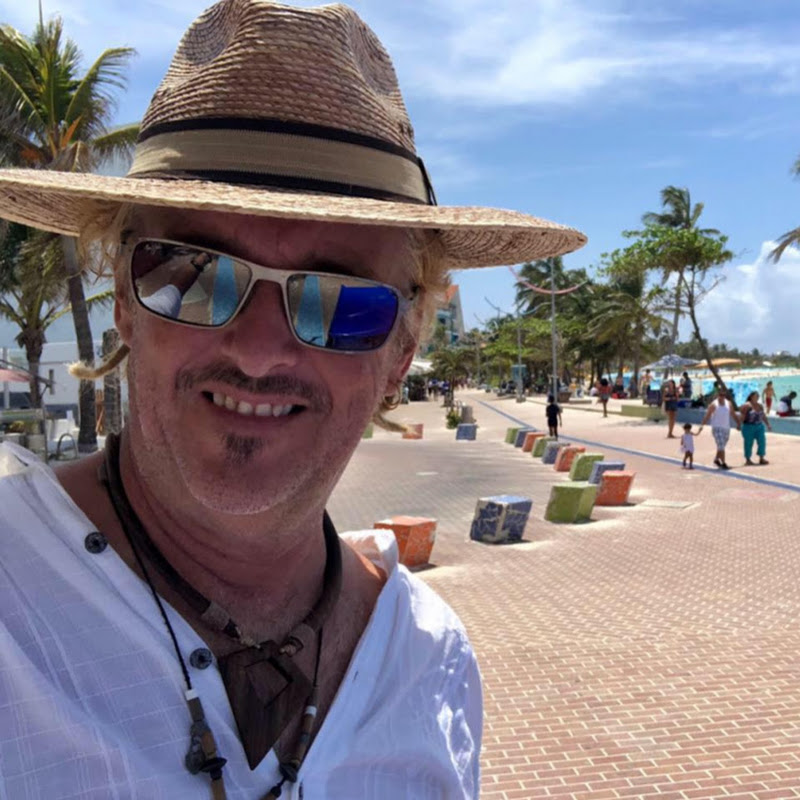
Captain Rick Moore
Captain Rick Moore: The high-authority master of the 70ft steel schooner Sophisticated Lady, navigating 20 years of blue-water adventure from Panama to the Pacific.
Channel Information:
Social Media Links:
Same Rail, 2.5× the Power | BougeRV N-type 200W Solar Panel | SSL784 Location
- San Andrés Anchorage, Colombia (12.5847,-81.7006)
Latest Episodes from Captain Rick Moore
Explore the most recent voyages. Subscribe to the channel to never miss an update!

Five Years Old, Zero Fear
Ricci is five. Six jumps off our Highfield dinghy, three of them in super slow motion. Which one was best? Tell us in the comments: 1 to 6. We're raising him on a sailboat in the Caribbean. His whole story is in "Our 5-Year-Old Wants to Catch a Tuna" (SSL787), linked as the related v...
Stuck Here for a Year, Just Us Two
We washed up on San Andrés for two weeks and stayed a year through the pandemic, just the two of us on the boat. The island became our family, so we got married there. From 5 Years Later, It's Gone (SSL786, the Related video on this Short). #shorts #sailingcouple #SanAndres #wedding #liveaboar...
She Sank in a 45mph Squall | SSL788
One rough season in a Caribbean anchorage, told through other people's boats. A work boat sank overnight in a 45 mph squall. A sailboat dragged onto a wreck in a 5 AM squall. And the morning after the sinking, divers, a fishing boat's crane and a second big boat went to work on her. The n...
The Island Is Gone
Acuario (Rose Cay) when the Rally fleet rafted up on the sandbar, and the same cay this year from our dinghy. From 5 Years Later, It's Gone (SSL786, the Related video on this Short). #shorts #SanAndres #AcuarioCay #ThenAndNow #highfieldboats #highfieldfamily #sailing
They Made Her Cry
Maddy's birthday aboard, and her friends on the island raised a glass. In Spanish, with the English on screen. From 5 Years Later, It's Gone (SSL786, the Related video on this Short). #shorts #birthday #Colombia #SanAndres #friendship #sailing