A Fisherman Brought Her to Our Boat. We Tried to Save Her
Anchored off San Andrés following Halloween celebrations in town, Captain Rick Moore and his family aboard Captain Rick Moore met an unexpected maritime rescue situation when a local fisherman motored alongside with an exhausted wild duck plucked from the surrounding reef.
An Unexpected Arrival by the Reef
The previous afternoon, Richie had roamed downtown San Andrés dressed as a pirate, collecting treats along the public beach with Uncle Danny and young Luisa. Normal island routines shifted abruptly when a fisherman hailed the vessel with an animal in distress:
“Around lunchtime, a fisherman friend came alongside. He’d found a duck out by the reef floating and swimming around with nowhere to go and very, very weak.”
Unable to lift into the air or maintain position against the ocean chop, the little waterfowl had succumbed to severe fatigue. The crew immediately welcomed the bird on deck, recognizing that prolonged exposure to ocean salt and predatory fish would prove fatal if she remained adrift outside the lagoon.
Emergency Care and Freshwater Rinse
Having floated among open swells, the bird urgently needed relief from salt buildup. The crew set up a freshwater tub to rinse her feathers and restore hydration:
“Now we give him some fresh water to clean up and he’s been sitting in the salt for a while.”
Rick cautioned that salt ingestion posed a severe physiological danger to waterfowl, remarking: “Need to flush out all that salt or he’ll get sick just like you did, hey buddy?” The thirsty duck drank eagerly from the freshwater basin. The crew researched proper wild duck nutrition online, offering diverse options to encourage feeding:
“The only thing he touched was bread and only a few crumbs, but it seemed to perk him up.”
Observing feather patterns and size, Rick deduced the duck was female and affectionately nicknamed her Quackers. A brief scare occurred when Quackers fluttered overboard for an unauthorized swim. Still unable to fly, she struggled against the swell until Rick retrieved her from the water to dry her off once more.
Overnight Shelter and Rapid Decline
Aboard the schooner, Boots the cat showed polite curiosity toward the feathered guest before keeping her distance. To provide a secure and draft-free environment overnight, Rick and Maddy tucked Quackers into Richie’s bathroom on a warm towel, ensuring complete isolation from pets and disturbance.
When the crew checked on the duck the following morning, her physical state deteriorated swiftly. The bird could no longer support her neck or hold up her head. Maddy rushed ashore in search of an oral syringe to administer liquid electrolytes and nutrients, but Quackers succumbed to exhaustion before assistance arrived. The family gathered on deck to return her body to the ocean waters where she had been found.
Identifying the Migratory Voyager
Examining distinct plumage traits, Rick pinpointed the species based on unmistakable wing markings:
“the blue on her wing says she was most likely a blue-winged teal. They’re about half the size of a mallard.”
Blue-winged teals breed across vast northern territories stretching from Alaska across Canada to Nova Scotia. As early autumn migrants, banded individuals from Alberta have been recovered as far south as Venezuela. During the previous week, sustained northerly winds had buffeted San Andrés. While a strong tailwind aids southward flight, unrelenting gales likely swept the small voyager hundreds of miles off course past mainland shores, leaving her stranded over open ocean without resting shoals.
Evaluating Potential Causes and Wildlife Care Protocols
Without formal laboratory testing, Rick assessed four primary factors that could explain the fatal collapse: extreme caloric exhaustion after an over-water passage, acute dehydration from drinking seawater, systemic poisoning such as avian botulism or lead, or transmissible avian disease. Botulism commonly induces flaccid neck paralysis, matching the loss of head control observed during her final morning.
Reflecting on the 22 hours spent attempting rehabilitation, Rick emphasized critical lessons for cruisers encountering distressed wild birds:
“Put the bird in a dark box, somewhere warm and quiet, and leave it alone. To a wild duck, all that loving attention can feel like being caught by a predator. Don’t push food.”
Sailors should prioritize quiet isolation, contact regional environmental authorities or licensed wildlife rehabilitators, handle birds with protective gloves, and wash all surfaces thoroughly. As a sensible biosafety precaution, the family monitored themselves and Boots for any signs of illness over the subsequent 10 days.
Frequently Asked Questions
A local fisherman found the exhausted bird floating weakly along the barrier reef off San Andrés, Colombia, unable to take flight.
Distinct blue wing feathers confirmed the duck was a blue-winged teal, a migratory species nesting from Alaska to Nova Scotia.
The crew sheltered and provided fresh water to the duck for 22 hours aboard their schooner before the bird passed away.
Place the bird inside a warm, quiet, dark box without forcing food, consult local wildlife rehabilitators, and observe biosecurity precautions for 10 days.
Book a trip where this was filmed — near Costa Rica
Support Captain Rick Moore
At WeBoating.com, we profoundly acknowledge the unwavering dedication that Captain Rick Moore invests in crafting each and every video or voyage. Their passion for delivering exceptional ocean content shines through every frame, and it's a labor of love that deserves your attention.
We invite you to watch their captivating videos here and actively engage with their content, including their social media links above. Liking, commenting, and sharing their work goes a long way in fueling their creative fire.
We're also inviting you to explore the gear, sponsorships, and boat partnerships highlighted in the "A Fisherman Brought Her to Our Boat. We Tried to Save Her" video description, or directly on YouTube. By engaging with these offerings or purchasing services and items, you directly support Captain Rick Moore, their collaborators, and the brands they're associated with.
To ensure you never miss an offshore update, consider visiting their official YouTube Channel to subscribe, like, and join their community directly.
If you have any feedback, corrections, or additional information about Captain Rick Moore or their videos, please use the comment form below to share your thoughts with us.
Thank you for being a part of our community and supporting the creators we cherish. Your time and support truly matter!
A fisherman friend found a little duck floating in the ocean by the reef here in San Andrés, too weak to fly, and brought her to our boat. We gave her fresh water, a warm towel and everything the internet said a duck should eat. Ricci barely left her side. This is what happened over the next 22 hours, what we think went wrong, and what we'd do differently.
We think she was a blue-winged teal, one of the first ducks to leave Canada and the northern US each fall. She may well have hatched in Canada, just like the boat she found. After a week of strong north winds, she might have been carried past where she meant to go, out over hundreds of miles of open water. We'll never know for sure.
⏱ CHAPTERS
0:00 A very long way
0:26 Halloween on the boat
1:45 A little surprise from a fisherman
2:12 Fresh water for a thirsty duck
3:07 Bread, and some duck theories
4:44 The unauthorized trip
5:58 Ricci and the duck
6:49 Boots, and the night
7:27 The morning
8:11 Goodbye
8:59 How we imagine it
9:17 What we hoped for
9:45 Who she was
10:03 A week of north winds
10:21 What went wrong?
10:51 If you ever find one
11:20 Fly safe, Quackers
IF YOU EVER FIND A SICK WILD BIRD
Put it in a dark box somewhere warm and quiet, and leave it alone. Don't push food or water. Call a licensed wildlife rehabilitator or your local environmental office first. Keep kids and pets back, wear gloves if you can, and wash your hands. If anyone gets flu-like symptoms within 10 days of handling a sick bird, see a doctor and mention the bird.
We're sailors, not vets. Nobody tested her, so everything we say about what happened is our best guess. Bird people: tell us in the comments if you think we got her wrong.
The flock shots and the deck shot are AI-generated, to show how we imagine her journey. Everything with our family is real.
SOURCES
Ducks Unlimited Canada: https://www.ducks.ca/species/blue-winged-teal/
Audubon: https://audubon.org/field-guide/bird/blue-winged-teal
USGS, salt toxicosis in waterfowl: https://www.usgs.gov/publications/salt-toxicosis-waterfowl-north-dakota
Pennsylvania Game Commission, botulism: https://www.pa.gov/agencies/pgc/wildlife/wildlife-health/wildlife-diseases/botulism.html
Pennsylvania Game Commission, lead: https://www.pa.gov/agencies/pgc/wildlife/wildlife-health/wildlife-diseases/lead-toxicosis.html
CDC, bird flu exposure: https://cdc.gov/bird-flu/spotlights/hpai-health-recommendations.html
━━━━━━━━━━━━━━━━━━━━
GO DEEPER — TEAM SSL CREW ON PATREON
The systems library. Build breakdowns and wiring diagrams.
What everything actually cost. The mistakes I'd rather you
didn't repeat — twenty-one years' worth.
Plus the Come Aboard Draw.
https://www.patreon.com/SailingSophisticatedLady
━━━━━━━━━━━━━━━━━━━━
Instagram: https://www.instagram.com/sailingsophisticatedlady
#Duck #BirdRescue #SanAndres #Liveaboard #highfieldboats #highfieldfamily
Sailing Sophisticated Lady · Captain Rick Moore · 21 years / 120,000+ miles living aboard
Captain Rick Moore
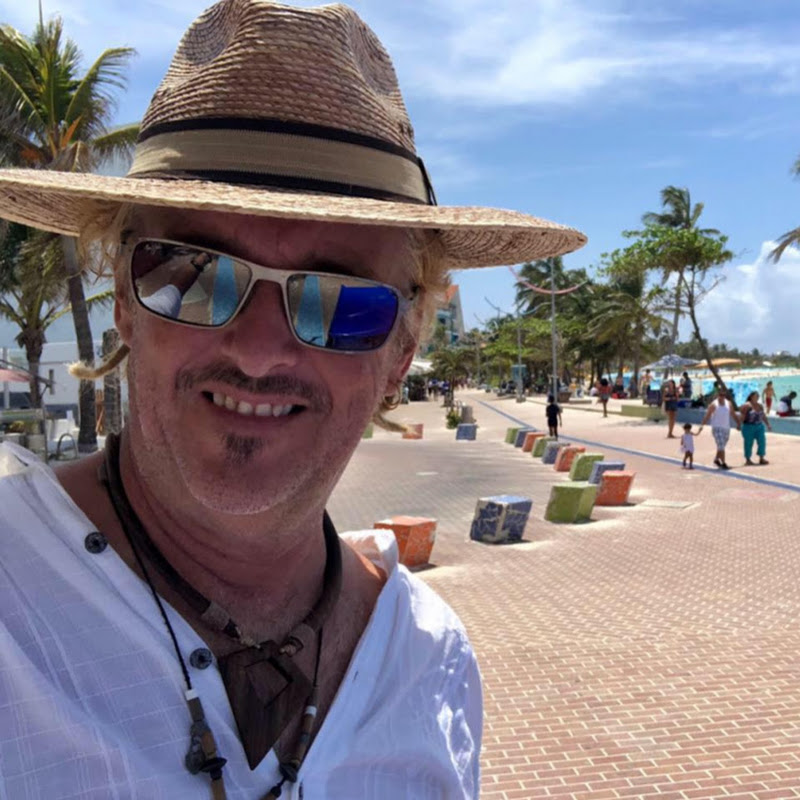
Captain Rick Moore: The high-authority master of the 70ft steel schooner Sophisticated Lady, navigating 20 years of blue-water adventure from Panama to the Pacific.
Channel Information:
Social Media Links:
A Fisherman Brought Her to Our Boat. We Tried to Save Her Location
- San Andrés Anchorage, Colombia (12.583,-81.6976)
- San Andrés Barrier Reef, Colombia (12.595,-81.685)
Latest Episodes from Captain Rick Moore
Explore the most recent voyages. Subscribe to the channel to never miss an update!
In a BLACKOUT, How Long Will a Battery You Can CARRY Run? Jackery HomePower 2000 Plus v2 | SSL790
Captain Rick Moore puts the Jackery HomePower 2000 Plus v2 to the test, measuring actual kilowatt-hour delivery and solar recharge rates aboard the Sophisticated Lady.
Off-Grid Water FOREVER… for $100!!!! | SSL789
When the watermaker fails, Captain Rick Moore and his crew install a budget-friendly rainwater collection system using PVC piping and brass fittings on the Sophisticated Lady.
Five Years Old, Zero Fear
Ricci is five. Six jumps off our Highfield dinghy, three of them in super slow motion. Which one was best? Tell us in the comments: 1 to 6. We're raising him on a sailboat in the Caribbean. His whole story is in "Our 5-Year-Old Wants to Catch a Tuna" (SSL787), linked as the related v...
Stuck Here for a Year, Just Us Two
We washed up on San Andrés for two weeks and stayed a year through the pandemic, just the two of us on the boat. The island became our family, so we got married there. From 5 Years Later, It's Gone (SSL786, the Related video on this Short). #shorts #sailingcouple #SanAndres #wedding #liveaboar...
She Sank in a 45mph Squall | SSL788
Captain Rick Moore surveys a Caribbean anchorage after a forty-five mph squall, examining a sunken workboat and assisting a sailboat dragged onto harbor rocks.