Offshore Readiness: Captain German Guide to Prepare Yacht for Ocean Transition
Tune into ‘The Offshore Log’ for this vital episode, “Offshore Readiness: Captain German Guide to Prepare Yacht for Ocean Transition.” Discover how to meticulously prepare your yacht for any significant ocean voyage. This episode features invaluable, practical experience from Captain Herman, a seasoned mariner with insights gained from nearly two round-the-world journeys. His guidance is your comprehensive roadmap to bluewater readiness.
Captain German stresses that unwavering confidence in all your boat’s systems is non-negotiable before undertaking extended passages. This episode provides a deep dive into his proven preparation strategies, ensuring every critical aspect is covered. You’ll get expert advice on:
Hull & Underwater Integrity: Key antifouling techniques to maximize speed, his preference for hard antifouling for easier underwater cleaning, applying it 5-10 cm above the waterline to combat growth during heeling, and the importance of meticulously checking all seacocks, propeller shafts, and replacing anodes before a long trip.
Deck & Rigging Mastery: Thoroughly servicing winches (especially electric ones, including oil changes and brush replacement for motors), the significant safety benefit of installing perimeter safety netting, best practices for securely stowing your dinghy on deck for long passages (motor removed), detailed mast and rigging inspections for any cracks in attachment points, and replacing standing rigging older than 7-10 years for offshore sailing.
Sail Wardrobe for Ocean Passages: The critical importance of installing an inner forestay for a dedicated storm jib, which also serves as an emergency stay. You’ll also learn about having spare mast and boom rollers, plenty of spare mainsail sliders (around 20), ensuring all sails are serviced and UV protection is intact (sails older than four years must be professionally checked), the necessity of a third reef on the mainsail for severe weather, and Captain Herman’s strong recommendation for carrying a second, spare genoa for redundancy and for comfortable downwind “butterfly” sailing.
Engine & Systems Reliability: Ensuring your engine is fully serviced and in excellent condition. We cover carrying a comprehensive spare parts kit, including multiple fuel filters (at least a few, due to risks of contaminated fuel), a couple of spare impellers, and a pair of belts. The absolute necessity of a robust water separator in the fuel system to remove water and dirt is also highlighted.
Essential Safety Equipment: Best practices for using webbing jacklines and protecting them from UV degradation by stowing them when not needed. Also discussed are having an up-to-date and serviced EPIRB with fresh batteries, properly serviced inflatable life jackets with tethers, a serviced life raft (not past its expiry date), and the recommendation for personal locator beacons (PLBs).
Resource Management for Autonomy: Detailed planning for fuel (Captain Herman advises having enough for a thousand nautical miles, though oceanic passages might only consume around 100 liters), cooking gas (minimum two, optimally three 6kg cylinders), electrical power including sufficient solar panel capacity and considering lithium batteries for high-draw items like Starlink (which consumes about 50W, or over a kilowatt-hour per day). For water, even with a watermaker, he stresses carrying an emergency drinking water supply of 2 liters per person per day for the entire estimated passage duration.
Navigation & Electronics Redundancy: The need for multiple chartplotters (one inside, one outside), various navigation devices (tablets, phones) with up-to-date charts for both departure and arrival areas. The utility of radar for night navigation, identifying unlit vessels, and tracking squalls is emphasized. He also recommends replacing mechanical wind instruments with more reliable ultrasonic ones, ensuring you have a transmitting AIS system, and the critical importance of having at least two independent autopilot systems for long voyages.
Secure Anchoring Systems: Insights on choosing the right primary anchor (Captain German replaced his Delta with a Rocna-type anchor with a roll bar, which he considers ideal), the necessity of always having a second, spare anchor, and why having 100 meters of anchor chain is crucial for versatile and safe anchoring in various depths (up to 20-25 meters).
Whether you’re an experienced sailor planning your next bluewater adventure or are dreaming of your first major ocean crossing, this episode of ‘The Offshore Log’ provides the critical knowledge and detailed checklist you need. Learn from Captain Herman’s Guide to Prepare Yacht for Ocean Transition to ensure your offshore passages are safe, successful, and as well-prepared as possible. Don’t embark on your journey without this expert advice!
#TheOffshoreLog #YachtPreparation #OffshoreSailing #LongDistanceCruising #BoatMaintenance #SailingSafety #CaptainGerman #SailingPodcast #BoatingPodcast
Support Captain German Exploring
At WeBoating.com, we profoundly acknowledge the unwavering dedication that Captain German Exploring invests in crafting each and every video or voyage. Their passion for delivering exceptional ocean content shines through every frame, and it's a labor of love that deserves your attention.
We invite you to watch their captivating videos here and actively engage with their content, including their social media links above. Liking, commenting, and sharing their work goes a long way in fueling their creative fire.
We're also inviting you to explore the gear, sponsorships, and boat partnerships highlighted in the "Offshore Readiness: Captain German Guide to Prepare Yacht for Ocean Transition" video description, or directly on YouTube. By engaging with these offerings or purchasing services and items, you directly support Captain German Exploring, their collaborators, and the brands they're associated with.
To ensure you never miss an offshore update, consider visiting their official YouTube Channel to subscribe, like, and join their community directly.
If you have any feedback, corrections, or additional information about Captain German Exploring or their videos, please use the comment form below to share your thoughts with us.
Thank you for being a part of our community and supporting the creators we cherish. Your time and support truly matter!
Tune into 'The Offshore Log' for this vital episode, "Offshore Readiness: Captain German Guide to Prepare Yacht for Ocean Transition." Discover how to meticulously prepare your yacht for any significant ocean voyage. This episode features invaluable, practical experience from Captain Herman, a seasoned mariner with insights gained from nearly two round-the-world journeys. His guidance is your comprehensive roadmap to bluewater readiness.
Captain German stresses that unwavering confidence in all your boat’s systems is non-negotiable before undertaking extended passages. This episode provides a deep dive into his proven preparation strategies, ensuring every critical aspect is covered. You'll get expert advice on:
Hull & Underwater Integrity: Key antifouling techniques to maximize speed, his preference for hard antifouling for easier underwater cleaning, applying it 5-10 cm above the waterline to combat growth during heeling, and the importance of meticulously checking all seacocks, propeller shafts, and replacing anodes before a long trip.
Deck & Rigging Mastery: Thoroughly servicing winches (especially electric ones, including oil changes and brush replacement for motors), the significant safety benefit of installing perimeter safety netting, best practices for securely stowing your dinghy on deck for long passages (motor removed), detailed mast and rigging inspections for any cracks in attachment points, and replacing standing rigging older than 7-10 years for offshore sailing.
Sail Wardrobe for Ocean Passages: The critical importance of installing an inner forestay for a dedicated storm jib, which also serves as an emergency stay. You'll also learn about having spare mast and boom rollers, plenty of spare mainsail sliders (around 20), ensuring all sails are serviced and UV protection is intact (sails older than four years must be professionally checked), the necessity of a third reef on the mainsail for severe weather, and Captain Herman's strong recommendation for carrying a second, spare genoa for redundancy and for comfortable downwind "butterfly" sailing.
Engine & Systems Reliability: Ensuring your engine is fully serviced and in excellent condition. We cover carrying a comprehensive spare parts kit, including multiple fuel filters (at least a few, due to risks of contaminated fuel), a couple of spare impellers, and a pair of belts. The absolute necessity of a robust water separator in the fuel system to remove water and dirt is also highlighted.
Essential Safety Equipment: Best practices for using webbing jacklines and protecting them from UV degradation by stowing them when not needed. Also discussed are having an up-to-date and serviced EPIRB with fresh batteries, properly serviced inflatable life jackets with tethers, a serviced life raft (not past its expiry date), and the recommendation for personal locator beacons (PLBs).
Resource Management for Autonomy: Detailed planning for fuel (Captain Herman advises having enough for a thousand nautical miles, though oceanic passages might only consume around 100 liters), cooking gas (minimum two, optimally three 6kg cylinders), electrical power including sufficient solar panel capacity and considering lithium batteries for high-draw items like Starlink (which consumes about 50W, or over a kilowatt-hour per day). For water, even with a watermaker, he stresses carrying an emergency drinking water supply of 2 liters per person per day for the entire estimated passage duration.
Navigation & Electronics Redundancy: The need for multiple chartplotters (one inside, one outside), various navigation devices (tablets, phones) with up-to-date charts for both departure and arrival areas. The utility of radar for night navigation, identifying unlit vessels, and tracking squalls is emphasized. He also recommends replacing mechanical wind instruments with more reliable ultrasonic ones, ensuring you have a transmitting AIS system, and the critical importance of having at least two independent autopilot systems for long voyages.
Secure Anchoring Systems: Insights on choosing the right primary anchor (Captain German replaced his Delta with a Rocna-type anchor with a roll bar, which he considers ideal), the necessity of always having a second, spare anchor, and why having 100 meters of anchor chain is crucial for versatile and safe anchoring in various depths (up to 20-25 meters).
Whether you're an experienced sailor planning your next bluewater adventure or are dreaming of your first major ocean crossing, this episode of 'The Offshore Log' provides the critical knowledge and detailed checklist you need. Learn from Captain Herman's Guide to Prepare Yacht for Ocean Transition to ensure your offshore passages are safe, successful, and as well-prepared as possible. Don't embark on your journey without this expert advice!
#TheOffshoreLog #YachtPreparation #OffshoreSailing #LongDistanceCruising #BoatMaintenance #SailingSafety #CaptainGerman #SailingPodcast #BoatingPodcast
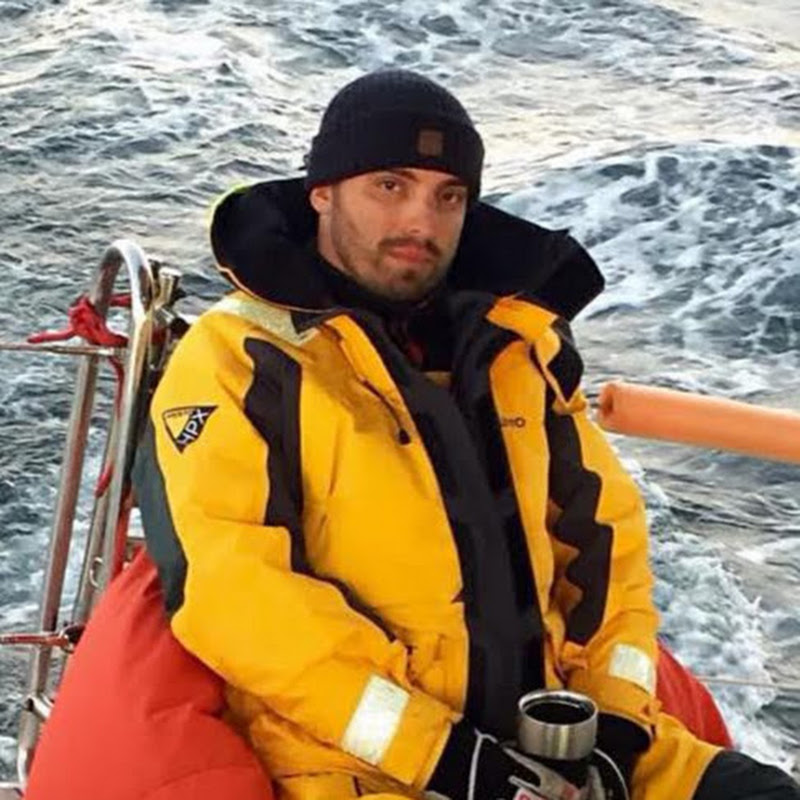
Captain German Exploring
Sergey and Dina: The high-authority maritime educators who mastered three circumnavigations aboard their Beneteau 45, MUSHU, currently based in Phuket, Thailand.
Channel Information:
Social Media Links:
Latest Episodes from Captain German Exploring
Explore the most recent voyages. Subscribe to the channel to never miss an update!
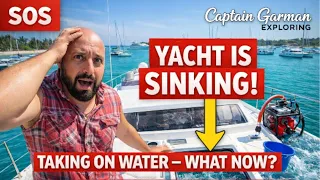
WE’RE SINKING! Water Flooding Our Sailboat — What Now?
No relaxing ambient today: we are drawing water, the bilge pump is working non-stop, and the boat is at risk of sinking.⛵🆘 Experience the intense reality of maritime life. Every second counts when you need to find a leak, load the bow to lift the stern, and make a quick $100 deal to hang the boat o...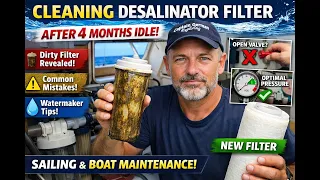
How to Troubleshoot and Fix a Marine Watermak
Welcome to Captain German Exploring — a channel about real sailing life, boat maintenance, and our round-the-world journey. In this episode, we tackle an essential task: inspecting and cleaning the desalinator filter after four months of inactivity. See the actual condition of the filter, the tools...