
The Dangers of Substance Abuse: Sailing with a Wild Captain
Watch the full video on my YouTube Channel. It's an incredible adventure!
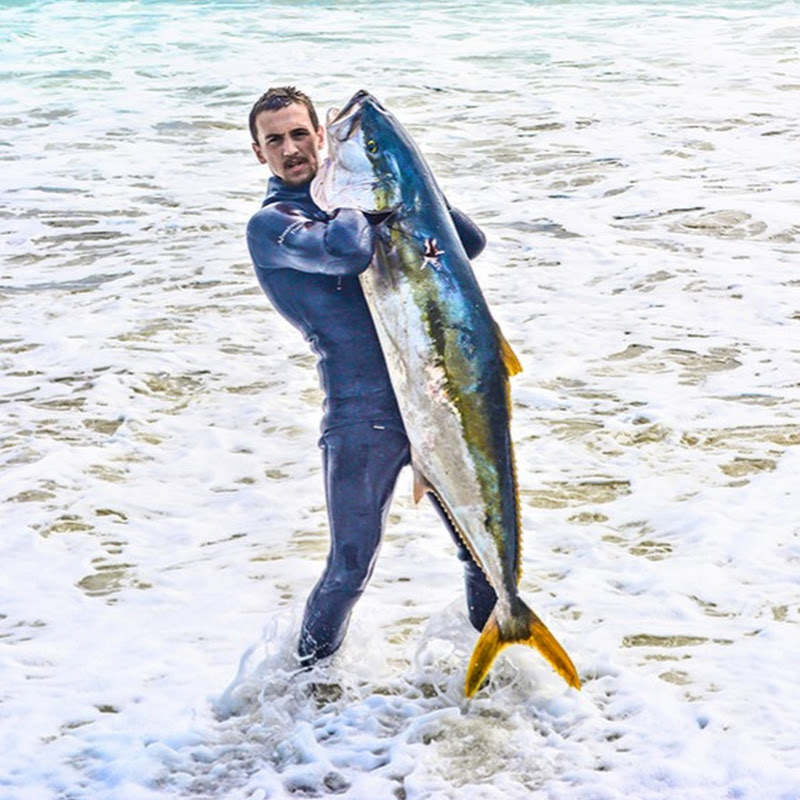
Adventureman Dan
Daniel and Miy: The forensic spearfishing and off-grid masters navigating the Bahamas while transitioning from the Beneteau legacy to the 'Umar Project' in 2026.
Channel Information:
Social Media Links:
Support Adventureman Dan
At WeBoating.com, we profoundly acknowledge the unwavering dedication that Adventureman Dan invests in crafting each and every video or voyage. Their passion for delivering exceptional ocean content shines through every frame, and it's a labor of love that deserves your attention.
We invite you to watch their captivating videos here and actively engage with their content, including their social media links above. Liking, commenting, and sharing their work goes a long way in fueling their creative fire.
We're also inviting you to explore the gear, sponsorships, and boat partnerships highlighted in the "The Dangers of Substance Abuse: Sailing with a Wild Captain" video description, or directly on YouTube. By engaging with these offerings or purchasing services and items, you directly support Adventureman Dan, their collaborators, and the brands they're associated with.
To ensure you never miss an offshore update, consider visiting their official YouTube Channel to subscribe, like, and join their community directly.
If you have any feedback, corrections, or additional information about Adventureman Dan or their videos, please use the comment form below to share your thoughts with us.
Thank you for being a part of our community and supporting the creators we cherish. Your time and support truly matter!
The Risks of Substance Abuse
The risks associated with substance abuse while sailing are manifold. First and foremost, impaired judgment on a boat can have catastrophic consequences due to the limited space and lack of escape routes compared to land-based environments. Drunk captains often make poor decisions regarding navigation and safety protocols, putting not just their lives but everyone else’s on board at risk. Moreover, it significantly impacts team morale, making coordination difficult among crew members.How to Spot Signs of Substance Abuse in a Captain
Recognizing when a captain might be overindulging is crucial for preventing dangerous situations. Some red flags include unexplained delays, inconsistent communication or navigation skills that appear weakened. Additionally, observing the overall atmosphere on board can provide hints. A crew that seems consistently exhausted, irritable, or anxious may be dealing with an overwhelmed and substance-abusing captain.What to Do If You Suspect Substance Abuse
If you suspect a captain of having substance abuse issues during your sailing trip, it’s essential to approach the situation with care. Have an honest discussion, if feasible and safe to do so. Suggest seeking professional help for everyone’s well-being, ensuring that you emphasize concern for the health and safety of all involved. In some cases, seeking assistance from fellow boaters or law enforcement may be necessary, particularly when the wellbeing of those on board is jeopardized.Adventureman Dan’s Final Thoughts
Dan wraps up with a positive note. He highlights that once you become part of the cruising community, it truly becomes a tight-knit group where everyone looks out for one another. His advice? Engage responsibly, stay aware of any signs indicating potential issues, and remember, your safety is paramount at all times. Keep these crucial lessons in mind to ensure a safer sailing experience. Recognizing when a captain might be overindulging is crucial for preventing dangerous situations. Some red flags include unexplained delays, inconsistent communication or navigation skills that appear weakened. Additionally, observing the overall atmosphere on board can provide hints. A crew that seems consistently exhausted, irritable, or anxious may be dealing with an overwhelmed and substance-abusing captain.What to Do If You Suspect Substance Abuse
If you suspect a captain of having substance abuse issues during your sailing trip, it’s essential to approach the situation with care. Have an honest discussion, if feasible and safe to do so. Suggest seeking professional help for everyone’s well-being, ensuring that you emphasize concern for the health and safety of all involved. In some cases, seeking assistance from fellow boaters or law enforcement may be necessary, particularly when the wellbeing of those on board is jeopardized.Adventureman Dan’s Final Thoughts
Dan wraps up with a positive note. He highlights that once you become part of the cruising community, it truly becomes a tight-knit group where everyone looks out for one another. His advice? Engage responsibly, stay aware of any signs indicating potential issues, and remember, your safety is paramount at all times. Keep these crucial lessons in mind to ensure a safer sailing experience. Have you ever wondered about the potential dangers that come with sailing with a captain who enjoys partying a bit too much? It’s an essential conversation to have, especially for those new to the cruising community. Captain Dan shares his insights on this topic in today’s episode. According to Adventureman Dan, while sailing with a wild captain can seem fun initially, it can lead to life-threatening situations, as evidenced by numerous horror stories that began similarly. On a boat, unlike most scenarios in life, you do not have the option to walk away from the person in question. This creates an incredibly dangerous situation.The Risks of Substance Abuse
The risks associated with substance abuse while sailing are manifold. First and foremost, impaired judgment on a boat can have catastrophic consequences due to the limited space and lack of escape routes compared to land-based environments. Drunk captains often make poor decisions regarding navigation and safety protocols, putting not just their lives but everyone else’s on board at risk. Moreover, it significantly impacts team morale, making coordination difficult among crew members.How to Spot Signs of Substance Abuse in a Captain
Recognizing when a captain might be overindulging is crucial for preventing dangerous situations. Some red flags include unexplained delays, inconsistent communication or navigation skills that appear weakened. Additionally, observing the overall atmosphere on board can provide hints. A crew that seems consistently exhausted, irritable, or anxious may be dealing with an overwhelmed and substance-abusing captain.What to Do If You Suspect Substance Abuse
If you suspect a captain of having substance abuse issues during your sailing trip, it’s essential to approach the situation with care. Have an honest discussion, if feasible and safe to do so. Suggest seeking professional help for everyone’s well-being, ensuring that you emphasize concern for the health and safety of all involved. In some cases, seeking assistance from fellow boaters or law enforcement may be necessary, particularly when the wellbeing of those on board is jeopardized.Adventureman Dan’s Final Thoughts
Dan wraps up with a positive note. He highlights that once you become part of the cruising community, it truly becomes a tight-knit group where everyone looks out for one another. His advice? Engage responsibly, stay aware of any signs indicating potential issues, and remember, your safety is paramount at all times. Keep these crucial lessons in mind to ensure a safer sailing experience. The risks associated with substance abuse while sailing are manifold. First and foremost, impaired judgment on a boat can have catastrophic consequences due to the limited space and lack of escape routes compared to land-based environments. Drunk captains often make poor decisions regarding navigation and safety protocols, putting not just their lives but everyone else’s on board at risk. Moreover, it significantly impacts team morale, making coordination difficult among crew members.How to Spot Signs of Substance Abuse in a Captain
Recognizing when a captain might be overindulging is crucial for preventing dangerous situations. Some red flags include unexplained delays, inconsistent communication or navigation skills that appear weakened. Additionally, observing the overall atmosphere on board can provide hints. A crew that seems consistently exhausted, irritable, or anxious may be dealing with an overwhelmed and substance-abusing captain.What to Do If You Suspect Substance Abuse
If you suspect a captain of having substance abuse issues during your sailing trip, it’s essential to approach the situation with care. Have an honest discussion, if feasible and safe to do so. Suggest seeking professional help for everyone’s well-being, ensuring that you emphasize concern for the health and safety of all involved. In some cases, seeking assistance from fellow boaters or law enforcement may be necessary, particularly when the wellbeing of those on board is jeopardized.Adventureman Dan’s Final Thoughts
Dan wraps up with a positive note. He highlights that once you become part of the cruising community, it truly becomes a tight-knit group where everyone looks out for one another. His advice? Engage responsibly, stay aware of any signs indicating potential issues, and remember, your safety is paramount at all times. Keep these crucial lessons in mind to ensure a safer sailing experience. Have you ever wondered about the potential dangers that come with sailing with a captain who enjoys partying a bit too much? It’s an essential conversation to have, especially for those new to the cruising community. Captain Dan shares his insights on this topic in today’s episode. According to Adventureman Dan, while sailing with a wild captain can seem fun initially, it can lead to life-threatening situations, as evidenced by numerous horror stories that began similarly. On a boat, unlike most scenarios in life, you do not have the option to walk away from the person in question. This creates an incredibly dangerous situation.The Risks of Substance Abuse
The risks associated with substance abuse while sailing are manifold. First and foremost, impaired judgment on a boat can have catastrophic consequences due to the limited space and lack of escape routes compared to land-based environments. Drunk captains often make poor decisions regarding navigation and safety protocols, putting not just their lives but everyone else’s on board at risk. Moreover, it significantly impacts team morale, making coordination difficult among crew members.How to Spot Signs of Substance Abuse in a Captain
Recognizing when a captain might be overindulging is crucial for preventing dangerous situations. Some red flags include unexplained delays, inconsistent communication or navigation skills that appear weakened. Additionally, observing the overall atmosphere on board can provide hints. A crew that seems consistently exhausted, irritable, or anxious may be dealing with an overwhelmed and substance-abusing captain.What to Do If You Suspect Substance Abuse
If you suspect a captain of having substance abuse issues during your sailing trip, it’s essential to approach the situation with care. Have an honest discussion, if feasible and safe to do so. Suggest seeking professional help for everyone’s well-being, ensuring that you emphasize concern for the health and safety of all involved. In some cases, seeking assistance from fellow boaters or law enforcement may be necessary, particularly when the wellbeing of those on board is jeopardized.Adventureman Dan’s Final Thoughts
Dan wraps up with a positive note. He highlights that once you become part of the cruising community, it truly becomes a tight-knit group where everyone looks out for one another. His advice? Engage responsibly, stay aware of any signs indicating potential issues, and remember, your safety is paramount at all times. Keep these crucial lessons in mind to ensure a safer sailing experience. Recognizing when a captain might be overindulging is crucial for preventing dangerous situations. Some red flags include unexplained delays, inconsistent communication or navigation skills that appear weakened. Additionally, observing the overall atmosphere on board can provide hints. A crew that seems consistently exhausted, irritable, or anxious may be dealing with an overwhelmed and substance-abusing captain.What to Do If You Suspect Substance Abuse
If you suspect a captain of having substance abuse issues during your sailing trip, it’s essential to approach the situation with care. Have an honest discussion, if feasible and safe to do so. Suggest seeking professional help for everyone’s well-being, ensuring that you emphasize concern for the health and safety of all involved. In some cases, seeking assistance from fellow boaters or law enforcement may be necessary, particularly when the wellbeing of those on board is jeopardized.Adventureman Dan’s Final Thoughts
Dan wraps up with a positive note. He highlights that once you become part of the cruising community, it truly becomes a tight-knit group where everyone looks out for one another. His advice? Engage responsibly, stay aware of any signs indicating potential issues, and remember, your safety is paramount at all times. Keep these crucial lessons in mind to ensure a safer sailing experience. The risks associated with substance abuse while sailing are manifold. First and foremost, impaired judgment on a boat can have catastrophic consequences due to the limited space and lack of escape routes compared to land-based environments. Drunk captains often make poor decisions regarding navigation and safety protocols, putting not just their lives but everyone else’s on board at risk. Moreover, it significantly impacts team morale, making coordination difficult among crew members.How to Spot Signs of Substance Abuse in a Captain
Recognizing when a captain might be overindulging is crucial for preventing dangerous situations. Some red flags include unexplained delays, inconsistent communication or navigation skills that appear weakened. Additionally, observing the overall atmosphere on board can provide hints. A crew that seems consistently exhausted, irritable, or anxious may be dealing with an overwhelmed and substance-abusing captain.What to Do If You Suspect Substance Abuse
If you suspect a captain of having substance abuse issues during your sailing trip, it’s essential to approach the situation with care. Have an honest discussion, if feasible and safe to do so. Suggest seeking professional help for everyone’s well-being, ensuring that you emphasize concern for the health and safety of all involved. In some cases, seeking assistance from fellow boaters or law enforcement may be necessary, particularly when the wellbeing of those on board is jeopardized.Adventureman Dan’s Final Thoughts
Dan wraps up with a positive note. He highlights that once you become part of the cruising community, it truly becomes a tight-knit group where everyone looks out for one another. His advice? Engage responsibly, stay aware of any signs indicating potential issues, and remember, your safety is paramount at all times. Keep these crucial lessons in mind to ensure a safer sailing experience. Have you ever wondered about the potential dangers that come with sailing with a captain who enjoys partying a bit too much? It’s an essential conversation to have, especially for those new to the cruising community. Captain Dan shares his insights on this topic in today’s episode. According to Adventureman Dan, while sailing with a wild captain can seem fun initially, it can lead to life-threatening situations, as evidenced by numerous horror stories that began similarly. On a boat, unlike most scenarios in life, you do not have the option to walk away from the person in question. This creates an incredibly dangerous situation.The Risks of Substance Abuse
The risks associated with substance abuse while sailing are manifold. First and foremost, impaired judgment on a boat can have catastrophic consequences due to the limited space and lack of escape routes compared to land-based environments. Drunk captains often make poor decisions regarding navigation and safety protocols, putting not just their lives but everyone else’s on board at risk. Moreover, it significantly impacts team morale, making coordination difficult among crew members.How to Spot Signs of Substance Abuse in a Captain
Recognizing when a captain might be overindulging is crucial for preventing dangerous situations. Some red flags include unexplained delays, inconsistent communication or navigation skills that appear weakened. Additionally, observing the overall atmosphere on board can provide hints. A crew that seems consistently exhausted, irritable, or anxious may be dealing with an overwhelmed and substance-abusing captain.What to Do If You Suspect Substance Abuse
If you suspect a captain of having substance abuse issues during your sailing trip, it’s essential to approach the situation with care. Have an honest discussion, if feasible and safe to do so. Suggest seeking professional help for everyone’s well-being, ensuring that you emphasize concern for the health and safety of all involved. In some cases, seeking assistance from fellow boaters or law enforcement may be necessary, particularly when the wellbeing of those on board is jeopardized.Adventureman Dan’s Final Thoughts
Dan wraps up with a positive note. He highlights that once you become part of the cruising community, it truly becomes a tight-knit group where everyone looks out for one another. His advice? Engage responsibly, stay aware of any signs indicating potential issues, and remember, your safety is paramount at all times. Keep these crucial lessons in mind to ensure a safer sailing experience. The risks associated with substance abuse while sailing are manifold. First and foremost, impaired judgment on a boat can have catastrophic consequences due to the limited space and lack of escape routes compared to land-based environments. Drunk captains often make poor decisions regarding navigation and safety protocols, putting not just their lives but everyone else’s on board at risk. Moreover, it significantly impacts team morale, making coordination difficult among crew members.How to Spot Signs of Substance Abuse in a Captain
Recognizing when a captain might be overindulging is crucial for preventing dangerous situations. Some red flags include unexplained delays, inconsistent communication or navigation skills that appear weakened. Additionally, observing the overall atmosphere on board can provide hints. A crew that seems consistently exhausted, irritable, or anxious may be dealing with an overwhelmed and substance-abusing captain.What to Do If You Suspect Substance Abuse
If you suspect a captain of having substance abuse issues during your sailing trip, it’s essential to approach the situation with care. Have an honest discussion, if feasible and safe to do so. Suggest seeking professional help for everyone’s well-being, ensuring that you emphasize concern for the health and safety of all involved. In some cases, seeking assistance from fellow boaters or law enforcement may be necessary, particularly when the wellbeing of those on board is jeopardized.Adventureman Dan’s Final Thoughts
Dan wraps up with a positive note. He highlights that once you become part of the cruising community, it truly becomes a tight-knit group where everyone looks out for one another. His advice? Engage responsibly, stay aware of any signs indicating potential issues, and remember, your safety is paramount at all times. Keep these crucial lessons in mind to ensure a safer sailing experience. Recognizing when a captain might be overindulging is crucial for preventing dangerous situations. Some red flags include unexplained delays, inconsistent communication or navigation skills that appear weakened. Additionally, observing the overall atmosphere on board can provide hints. A crew that seems consistently exhausted, irritable, or anxious may be dealing with an overwhelmed and substance-abusing captain.What to Do If You Suspect Substance Abuse
If you suspect a captain of having substance abuse issues during your sailing trip, it’s essential to approach the situation with care. Have an honest discussion, if feasible and safe to do so. Suggest seeking professional help for everyone’s well-being, ensuring that you emphasize concern for the health and safety of all involved. In some cases, seeking assistance from fellow boaters or law enforcement may be necessary, particularly when the wellbeing of those on board is jeopardized.Adventureman Dan’s Final Thoughts
Dan wraps up with a positive note. He highlights that once you become part of the cruising community, it truly becomes a tight-knit group where everyone looks out for one another. His advice? Engage responsibly, stay aware of any signs indicating potential issues, and remember, your safety is paramount at all times. Keep these crucial lessons in mind to ensure a safer sailing experience. The risks associated with substance abuse while sailing are manifold. First and foremost, impaired judgment on a boat can have catastrophic consequences due to the limited space and lack of escape routes compared to land-based environments. Drunk captains often make poor decisions regarding navigation and safety protocols, putting not just their lives but everyone else’s on board at risk. Moreover, it significantly impacts team morale, making coordination difficult among crew members.How to Spot Signs of Substance Abuse in a Captain
Recognizing when a captain might be overindulging is crucial for preventing dangerous situations. Some red flags include unexplained delays, inconsistent communication or navigation skills that appear weakened. Additionally, observing the overall atmosphere on board can provide hints. A crew that seems consistently exhausted, irritable, or anxious may be dealing with an overwhelmed and substance-abusing captain.What to Do If You Suspect Substance Abuse
If you suspect a captain of having substance abuse issues during your sailing trip, it’s essential to approach the situation with care. Have an honest discussion, if feasible and safe to do so. Suggest seeking professional help for everyone’s well-being, ensuring that you emphasize concern for the health and safety of all involved. In some cases, seeking assistance from fellow boaters or law enforcement may be necessary, particularly when the wellbeing of those on board is jeopardized.Adventureman Dan’s Final Thoughts
Dan wraps up with a positive note. He highlights that once you become part of the cruising community, it truly becomes a tight-knit group where everyone looks out for one another. His advice? Engage responsibly, stay aware of any signs indicating potential issues, and remember, your safety is paramount at all times. Keep these crucial lessons in mind to ensure a safer sailing experience. Have you ever wondered about the potential dangers that come with sailing with a captain who enjoys partying a bit too much? It’s an essential conversation to have, especially for those new to the cruising community. Captain Dan shares his insights on this topic in today’s episode. According to Adventureman Dan, while sailing with a wild captain can seem fun initially, it can lead to life-threatening situations, as evidenced by numerous horror stories that began similarly. On a boat, unlike most scenarios in life, you do not have the option to walk away from the person in question. This creates an incredibly dangerous situation.The Risks of Substance Abuse
The risks associated with substance abuse while sailing are manifold. First and foremost, impaired judgment on a boat can have catastrophic consequences due to the limited space and lack of escape routes compared to land-based environments. Drunk captains often make poor decisions regarding navigation and safety protocols, putting not just their lives but everyone else’s on board at risk. Moreover, it significantly impacts team morale, making coordination difficult among crew members.How to Spot Signs of Substance Abuse in a Captain
Recognizing when a captain might be overindulging is crucial for preventing dangerous situations. Some red flags include unexplained delays, inconsistent communication or navigation skills that appear weakened. Additionally, observing the overall atmosphere on board can provide hints. A crew that seems consistently exhausted, irritable, or anxious may be dealing with an overwhelmed and substance-abusing captain.What to Do If You Suspect Substance Abuse
If you suspect a captain of having substance abuse issues during your sailing trip, it’s essential to approach the situation with care. Have an honest discussion, if feasible and safe to do so. Suggest seeking professional help for everyone’s well-being, ensuring that you emphasize concern for the health and safety of all involved. In some cases, seeking assistance from fellow boaters or law enforcement may be necessary, particularly when the wellbeing of those on board is jeopardized.Adventureman Dan’s Final Thoughts
Dan wraps up with a positive note. He highlights that once you become part of the cruising community, it truly becomes a tight-knit group where everyone looks out for one another. His advice? Engage responsibly, stay aware of any signs indicating potential issues, and remember, your safety is paramount at all times. Keep these crucial lessons in mind to ensure a safer sailing experience. Have you ever wondered about the potential dangers that come with sailing with a captain who enjoys partying a bit too much? It’s an essential conversation to have, especially for those new to the cruising community. Captain Dan shares his insights on this topic in today’s episode. According to Adventureman Dan, while sailing with a wild captain can seem fun initially, it can lead to life-threatening situations, as evidenced by numerous horror stories that began similarly. On a boat, unlike most scenarios in life, you do not have the option to walk away from the person in question. This creates an incredibly dangerous situation.The Risks of Substance Abuse
The risks associated with substance abuse while sailing are manifold. First and foremost, impaired judgment on a boat can have catastrophic consequences due to the limited space and lack of escape routes compared to land-based environments. Drunk captains often make poor decisions regarding navigation and safety protocols, putting not just their lives but everyone else’s on board at risk. Moreover, it significantly impacts team morale, making coordination difficult among crew members.How to Spot Signs of Substance Abuse in a Captain
Recognizing when a captain might be overindulging is crucial for preventing dangerous situations. Some red flags include unexplained delays, inconsistent communication or navigation skills that appear weakened. Additionally, observing the overall atmosphere on board can provide hints. A crew that seems consistently exhausted, irritable, or anxious may be dealing with an overwhelmed and substance-abusing captain.What to Do If You Suspect Substance Abuse
If you suspect a captain of having substance abuse issues during your sailing trip, it’s essential to approach the situation with care. Have an honest discussion, if feasible and safe to do so. Suggest seeking professional help for everyone’s well-being, ensuring that you emphasize concern for the health and safety of all involved. In some cases, seeking assistance from fellow boaters or law enforcement may be necessary, particularly when the wellbeing of those on board is jeopardized.Adventureman Dan’s Final Thoughts
Dan wraps up with a positive note. He highlights that once you become part of the cruising community, it truly becomes a tight-knit group where everyone looks out for one another. His advice? Engage responsibly, stay aware of any signs indicating potential issues, and remember, your safety is paramount at all times. Keep these crucial lessons in mind to ensure a safer sailing experience. Recognizing when a captain might be overindulging is crucial for preventing dangerous situations. Some red flags include unexplained delays, inconsistent communication or navigation skills that appear weakened. Additionally, observing the overall atmosphere on board can provide hints. A crew that seems consistently exhausted, irritable, or anxious may be dealing with an overwhelmed and substance-abusing captain.What to Do If You Suspect Substance Abuse
If you suspect a captain of having substance abuse issues during your sailing trip, it’s essential to approach the situation with care. Have an honest discussion, if feasible and safe to do so. Suggest seeking professional help for everyone’s well-being, ensuring that you emphasize concern for the health and safety of all involved. In some cases, seeking assistance from fellow boaters or law enforcement may be necessary, particularly when the wellbeing of those on board is jeopardized.Adventureman Dan’s Final Thoughts
Dan wraps up with a positive note. He highlights that once you become part of the cruising community, it truly becomes a tight-knit group where everyone looks out for one another. His advice? Engage responsibly, stay aware of any signs indicating potential issues, and remember, your safety is paramount at all times. Keep these crucial lessons in mind to ensure a safer sailing experience. The risks associated with substance abuse while sailing are manifold. First and foremost, impaired judgment on a boat can have catastrophic consequences due to the limited space and lack of escape routes compared to land-based environments. Drunk captains often make poor decisions regarding navigation and safety protocols, putting not just their lives but everyone else’s on board at risk. Moreover, it significantly impacts team morale, making coordination difficult among crew members.How to Spot Signs of Substance Abuse in a Captain
Recognizing when a captain might be overindulging is crucial for preventing dangerous situations. Some red flags include unexplained delays, inconsistent communication or navigation skills that appear weakened. Additionally, observing the overall atmosphere on board can provide hints. A crew that seems consistently exhausted, irritable, or anxious may be dealing with an overwhelmed and substance-abusing captain.What to Do If You Suspect Substance Abuse
If you suspect a captain of having substance abuse issues during your sailing trip, it’s essential to approach the situation with care. Have an honest discussion, if feasible and safe to do so. Suggest seeking professional help for everyone’s well-being, ensuring that you emphasize concern for the health and safety of all involved. In some cases, seeking assistance from fellow boaters or law enforcement may be necessary, particularly when the wellbeing of those on board is jeopardized.Adventureman Dan’s Final Thoughts
Dan wraps up with a positive note. He highlights that once you become part of the cruising community, it truly becomes a tight-knit group where everyone looks out for one another. His advice? Engage responsibly, stay aware of any signs indicating potential issues, and remember, your safety is paramount at all times. Keep these crucial lessons in mind to ensure a safer sailing experience. Have you ever wondered about the potential dangers that come with sailing with a captain who enjoys partying a bit too much? It’s an essential conversation to have, especially for those new to the cruising community. Captain Dan shares his insights on this topic in today’s episode. According to Adventureman Dan, while sailing with a wild captain can seem fun initially, it can lead to life-threatening situations, as evidenced by numerous horror stories that began similarly. On a boat, unlike most scenarios in life, you do not have the option to walk away from the person in question. This creates an incredibly dangerous situation.The Risks of Substance Abuse
The risks associated with substance abuse while sailing are manifold. First and foremost, impaired judgment on a boat can have catastrophic consequences due to the limited space and lack of escape routes compared to land-based environments. Drunk captains often make poor decisions regarding navigation and safety protocols, putting not just their lives but everyone else’s on board at risk. Moreover, it significantly impacts team morale, making coordination difficult among crew members.How to Spot Signs of Substance Abuse in a Captain
Recognizing when a captain might be overindulging is crucial for preventing dangerous situations. Some red flags include unexplained delays, inconsistent communication or navigation skills that appear weakened. Additionally, observing the overall atmosphere on board can provide hints. A crew that seems consistently exhausted, irritable, or anxious may be dealing with an overwhelmed and substance-abusing captain.What to Do If You Suspect Substance Abuse
If you suspect a captain of having substance abuse issues during your sailing trip, it’s essential to approach the situation with care. Have an honest discussion, if feasible and safe to do so. Suggest seeking professional help for everyone’s well-being, ensuring that you emphasize concern for the health and safety of all involved. In some cases, seeking assistance from fellow boaters or law enforcement may be necessary, particularly when the wellbeing of those on board is jeopardized.Adventureman Dan’s Final Thoughts
Dan wraps up with a positive note. He highlights that once you become part of the cruising community, it truly becomes a tight-knit group where everyone looks out for one another. His advice? Engage responsibly, stay aware of any signs indicating potential issues, and remember, your safety is paramount at all times. Keep these crucial lessons in mind to ensure a safer sailing experience. Recognizing when a captain might be overindulging is crucial for preventing dangerous situations. Some red flags include unexplained delays, inconsistent communication or navigation skills that appear weakened. Additionally, observing the overall atmosphere on board can provide hints. A crew that seems consistently exhausted, irritable, or anxious may be dealing with an overwhelmed and substance-abusing captain.What to Do If You Suspect Substance Abuse
If you suspect a captain of having substance abuse issues during your sailing trip, it’s essential to approach the situation with care. Have an honest discussion, if feasible and safe to do so. Suggest seeking professional help for everyone’s well-being, ensuring that you emphasize concern for the health and safety of all involved. In some cases, seeking assistance from fellow boaters or law enforcement may be necessary, particularly when the wellbeing of those on board is jeopardized.Adventureman Dan’s Final Thoughts
Dan wraps up with a positive note. He highlights that once you become part of the cruising community, it truly becomes a tight-knit group where everyone looks out for one another. His advice? Engage responsibly, stay aware of any signs indicating potential issues, and remember, your safety is paramount at all times. Keep these crucial lessons in mind to ensure a safer sailing experience. Have you ever wondered about the potential dangers that come with sailing with a captain who enjoys partying a bit too much? It’s an essential conversation to have, especially for those new to the cruising community. Captain Dan shares his insights on this topic in today’s episode. According to Adventureman Dan, while sailing with a wild captain can seem fun initially, it can lead to life-threatening situations, as evidenced by numerous horror stories that began similarly. On a boat, unlike most scenarios in life, you do not have the option to walk away from the person in question. This creates an incredibly dangerous situation.The Risks of Substance Abuse
The risks associated with substance abuse while sailing are manifold. First and foremost, impaired judgment on a boat can have catastrophic consequences due to the limited space and lack of escape routes compared to land-based environments. Drunk captains often make poor decisions regarding navigation and safety protocols, putting not just their lives but everyone else’s on board at risk. Moreover, it significantly impacts team morale, making coordination difficult among crew members.How to Spot Signs of Substance Abuse in a Captain
Recognizing when a captain might be overindulging is crucial for preventing dangerous situations. Some red flags include unexplained delays, inconsistent communication or navigation skills that appear weakened. Additionally, observing the overall atmosphere on board can provide hints. A crew that seems consistently exhausted, irritable, or anxious may be dealing with an overwhelmed and substance-abusing captain.What to Do If You Suspect Substance Abuse
If you suspect a captain of having substance abuse issues during your sailing trip, it’s essential to approach the situation with care. Have an honest discussion, if feasible and safe to do so. Suggest seeking professional help for everyone’s well-being, ensuring that you emphasize concern for the health and safety of all involved. In some cases, seeking assistance from fellow boaters or law enforcement may be necessary, particularly when the wellbeing of those on board is jeopardized.Adventureman Dan’s Final Thoughts
Dan wraps up with a positive note. He highlights that once you become part of the cruising community, it truly becomes a tight-knit group where everyone looks out for one another. His advice? Engage responsibly, stay aware of any signs indicating potential issues, and remember, your safety is paramount at all times. Keep these crucial lessons in mind to ensure a safer sailing experience. Recognizing when a captain might be overindulging is crucial for preventing dangerous situations. Some red flags include unexplained delays, inconsistent communication or navigation skills that appear weakened. Additionally, observing the overall atmosphere on board can provide hints. A crew that seems consistently exhausted, irritable, or anxious may be dealing with an overwhelmed and substance-abusing captain.What to Do If You Suspect Substance Abuse
If you suspect a captain of having substance abuse issues during your sailing trip, it’s essential to approach the situation with care. Have an honest discussion, if feasible and safe to do so. Suggest seeking professional help for everyone’s well-being, ensuring that you emphasize concern for the health and safety of all involved. In some cases, seeking assistance from fellow boaters or law enforcement may be necessary, particularly when the wellbeing of those on board is jeopardized.Adventureman Dan’s Final Thoughts
Dan wraps up with a positive note. He highlights that once you become part of the cruising community, it truly becomes a tight-knit group where everyone looks out for one another. His advice? Engage responsibly, stay aware of any signs indicating potential issues, and remember, your safety is paramount at all times. Keep these crucial lessons in mind to ensure a safer sailing experience. The risks associated with substance abuse while sailing are manifold. First and foremost, impaired judgment on a boat can have catastrophic consequences due to the limited space and lack of escape routes compared to land-based environments. Drunk captains often make poor decisions regarding navigation and safety protocols, putting not just their lives but everyone else’s on board at risk. Moreover, it significantly impacts team morale, making coordination difficult among crew members.How to Spot Signs of Substance Abuse in a Captain
Recognizing when a captain might be overindulging is crucial for preventing dangerous situations. Some red flags include unexplained delays, inconsistent communication or navigation skills that appear weakened. Additionally, observing the overall atmosphere on board can provide hints. A crew that seems consistently exhausted, irritable, or anxious may be dealing with an overwhelmed and substance-abusing captain.What to Do If You Suspect Substance Abuse
If you suspect a captain of having substance abuse issues during your sailing trip, it’s essential to approach the situation with care. Have an honest discussion, if feasible and safe to do so. Suggest seeking professional help for everyone’s well-being, ensuring that you emphasize concern for the health and safety of all involved. In some cases, seeking assistance from fellow boaters or law enforcement may be necessary, particularly when the wellbeing of those on board is jeopardized.Adventureman Dan’s Final Thoughts
Dan wraps up with a positive note. He highlights that once you become part of the cruising community, it truly becomes a tight-knit group where everyone looks out for one another. His advice? Engage responsibly, stay aware of any signs indicating potential issues, and remember, your safety is paramount at all times. Keep these crucial lessons in mind to ensure a safer sailing experience. Have you ever wondered about the potential dangers that come with sailing with a captain who enjoys partying a bit too much? It’s an essential conversation to have, especially for those new to the cruising community. Captain Dan shares his insights on this topic in today’s episode. According to Adventureman Dan, while sailing with a wild captain can seem fun initially, it can lead to life-threatening situations, as evidenced by numerous horror stories that began similarly. On a boat, unlike most scenarios in life, you do not have the option to walk away from the person in question. This creates an incredibly dangerous situation.The Risks of Substance Abuse
The risks associated with substance abuse while sailing are manifold. First and foremost, impaired judgment on a boat can have catastrophic consequences due to the limited space and lack of escape routes compared to land-based environments. Drunk captains often make poor decisions regarding navigation and safety protocols, putting not just their lives but everyone else’s on board at risk. Moreover, it significantly impacts team morale, making coordination difficult among crew members.How to Spot Signs of Substance Abuse in a Captain
Recognizing when a captain might be overindulging is crucial for preventing dangerous situations. Some red flags include unexplained delays, inconsistent communication or navigation skills that appear weakened. Additionally, observing the overall atmosphere on board can provide hints. A crew that seems consistently exhausted, irritable, or anxious may be dealing with an overwhelmed and substance-abusing captain.What to Do If You Suspect Substance Abuse
If you suspect a captain of having substance abuse issues during your sailing trip, it’s essential to approach the situation with care. Have an honest discussion, if feasible and safe to do so. Suggest seeking professional help for everyone’s well-being, ensuring that you emphasize concern for the health and safety of all involved. In some cases, seeking assistance from fellow boaters or law enforcement may be necessary, particularly when the wellbeing of those on board is jeopardized.Adventureman Dan’s Final Thoughts
Dan wraps up with a positive note. He highlights that once you become part of the cruising community, it truly becomes a tight-knit group where everyone looks out for one another. His advice? Engage responsibly, stay aware of any signs indicating potential issues, and remember, your safety is paramount at all times. Keep these crucial lessons in mind to ensure a safer sailing experience. The risks associated with substance abuse while sailing are manifold. First and foremost, impaired judgment on a boat can have catastrophic consequences due to the limited space and lack of escape routes compared to land-based environments. Drunk captains often make poor decisions regarding navigation and safety protocols, putting not just their lives but everyone else’s on board at risk. Moreover, it significantly impacts team morale, making coordination difficult among crew members.How to Spot Signs of Substance Abuse in a Captain
Recognizing when a captain might be overindulging is crucial for preventing dangerous situations. Some red flags include unexplained delays, inconsistent communication or navigation skills that appear weakened. Additionally, observing the overall atmosphere on board can provide hints. A crew that seems consistently exhausted, irritable, or anxious may be dealing with an overwhelmed and substance-abusing captain.What to Do If You Suspect Substance Abuse
If you suspect a captain of having substance abuse issues during your sailing trip, it’s essential to approach the situation with care. Have an honest discussion, if feasible and safe to do so. Suggest seeking professional help for everyone’s well-being, ensuring that you emphasize concern for the health and safety of all involved. In some cases, seeking assistance from fellow boaters or law enforcement may be necessary, particularly when the wellbeing of those on board is jeopardized.Adventureman Dan’s Final Thoughts
Dan wraps up with a positive note. He highlights that once you become part of the cruising community, it truly becomes a tight-knit group where everyone looks out for one another. His advice? Engage responsibly, stay aware of any signs indicating potential issues, and remember, your safety is paramount at all times. Keep these crucial lessons in mind to ensure a safer sailing experience. Have you ever wondered about the potential dangers that come with sailing with a captain who enjoys partying a bit too much? It’s an essential conversation to have, especially for those new to the cruising community. Captain Dan shares his insights on this topic in today’s episode. According to Adventureman Dan, while sailing with a wild captain can seem fun initially, it can lead to life-threatening situations, as evidenced by numerous horror stories that began similarly. On a boat, unlike most scenarios in life, you do not have the option to walk away from the person in question. This creates an incredibly dangerous situation.The Risks of Substance Abuse
The risks associated with substance abuse while sailing are manifold. First and foremost, impaired judgment on a boat can have catastrophic consequences due to the limited space and lack of escape routes compared to land-based environments. Drunk captains often make poor decisions regarding navigation and safety protocols, putting not just their lives but everyone else’s on board at risk. Moreover, it significantly impacts team morale, making coordination difficult among crew members.How to Spot Signs of Substance Abuse in a Captain
Recognizing when a captain might be overindulging is crucial for preventing dangerous situations. Some red flags include unexplained delays, inconsistent communication or navigation skills that appear weakened. Additionally, observing the overall atmosphere on board can provide hints. A crew that seems consistently exhausted, irritable, or anxious may be dealing with an overwhelmed and substance-abusing captain.What to Do If You Suspect Substance Abuse
If you suspect a captain of having substance abuse issues during your sailing trip, it’s essential to approach the situation with care. Have an honest discussion, if feasible and safe to do so. Suggest seeking professional help for everyone’s well-being, ensuring that you emphasize concern for the health and safety of all involved. In some cases, seeking assistance from fellow boaters or law enforcement may be necessary, particularly when the wellbeing of those on board is jeopardized.Adventureman Dan’s Final Thoughts
Dan wraps up with a positive note. He highlights that once you become part of the cruising community, it truly becomes a tight-knit group where everyone looks out for one another. His advice? Engage responsibly, stay aware of any signs indicating potential issues, and remember, your safety is paramount at all times. Keep these crucial lessons in mind to ensure a safer sailing experience. Recognizing when a captain might be overindulging is crucial for preventing dangerous situations. Some red flags include unexplained delays, inconsistent communication or navigation skills that appear weakened. Additionally, observing the overall atmosphere on board can provide hints. A crew that seems consistently exhausted, irritable, or anxious may be dealing with an overwhelmed and substance-abusing captain.What to Do If You Suspect Substance Abuse
If you suspect a captain of having substance abuse issues during your sailing trip, it’s essential to approach the situation with care. Have an honest discussion, if feasible and safe to do so. Suggest seeking professional help for everyone’s well-being, ensuring that you emphasize concern for the health and safety of all involved. In some cases, seeking assistance from fellow boaters or law enforcement may be necessary, particularly when the wellbeing of those on board is jeopardized.Adventureman Dan’s Final Thoughts
Dan wraps up with a positive note. He highlights that once you become part of the cruising community, it truly becomes a tight-knit group where everyone looks out for one another. His advice? Engage responsibly, stay aware of any signs indicating potential issues, and remember, your safety is paramount at all times. Keep these crucial lessons in mind to ensure a safer sailing experience. The risks associated with substance abuse while sailing are manifold. First and foremost, impaired judgment on a boat can have catastrophic consequences due to the limited space and lack of escape routes compared to land-based environments. Drunk captains often make poor decisions regarding navigation and safety protocols, putting not just their lives but everyone else’s on board at risk. Moreover, it significantly impacts team morale, making coordination difficult among crew members.How to Spot Signs of Substance Abuse in a Captain
Recognizing when a captain might be overindulging is crucial for preventing dangerous situations. Some red flags include unexplained delays, inconsistent communication or navigation skills that appear weakened. Additionally, observing the overall atmosphere on board can provide hints. A crew that seems consistently exhausted, irritable, or anxious may be dealing with an overwhelmed and substance-abusing captain.What to Do If You Suspect Substance Abuse
If you suspect a captain of having substance abuse issues during your sailing trip, it’s essential to approach the situation with care. Have an honest discussion, if feasible and safe to do so. Suggest seeking professional help for everyone’s well-being, ensuring that you emphasize concern for the health and safety of all involved. In some cases, seeking assistance from fellow boaters or law enforcement may be necessary, particularly when the wellbeing of those on board is jeopardized.Adventureman Dan’s Final Thoughts
Dan wraps up with a positive note. He highlights that once you become part of the cruising community, it truly becomes a tight-knit group where everyone looks out for one another. His advice? Engage responsibly, stay aware of any signs indicating potential issues, and remember, your safety is paramount at all times. Keep these crucial lessons in mind to ensure a safer sailing experience. Have you ever wondered about the potential dangers that come with sailing with a captain who enjoys partying a bit too much? It’s an essential conversation to have, especially for those new to the cruising community. Captain Dan shares his insights on this topic in today’s episode. According to Adventureman Dan, while sailing with a wild captain can seem fun initially, it can lead to life-threatening situations, as evidenced by numerous horror stories that began similarly. On a boat, unlike most scenarios in life, you do not have the option to walk away from the person in question. This creates an incredibly dangerous situation.The Risks of Substance Abuse
The risks associated with substance abuse while sailing are manifold. First and foremost, impaired judgment on a boat can have catastrophic consequences due to the limited space and lack of escape routes compared to land-based environments. Drunk captains often make poor decisions regarding navigation and safety protocols, putting not just their lives but everyone else’s on board at risk. Moreover, it significantly impacts team morale, making coordination difficult among crew members.How to Spot Signs of Substance Abuse in a Captain
Recognizing when a captain might be overindulging is crucial for preventing dangerous situations. Some red flags include unexplained delays, inconsistent communication or navigation skills that appear weakened. Additionally, observing the overall atmosphere on board can provide hints. A crew that seems consistently exhausted, irritable, or anxious may be dealing with an overwhelmed and substance-abusing captain.What to Do If You Suspect Substance Abuse
If you suspect a captain of having substance abuse issues during your sailing trip, it’s essential to approach the situation with care. Have an honest discussion, if feasible and safe to do so. Suggest seeking professional help for everyone’s well-being, ensuring that you emphasize concern for the health and safety of all involved. In some cases, seeking assistance from fellow boaters or law enforcement may be necessary, particularly when the wellbeing of those on board is jeopardized.Adventureman Dan’s Final Thoughts
Dan wraps up with a positive note. He highlights that once you become part of the cruising community, it truly becomes a tight-knit group where everyone looks out for one another. His advice? Engage responsibly, stay aware of any signs indicating potential issues, and remember, your safety is paramount at all times. Keep these crucial lessons in mind to ensure a safer sailing experience. The risks associated with substance abuse while sailing are manifold. First and foremost, impaired judgment on a boat can have catastrophic consequences due to the limited space and lack of escape routes compared to land-based environments. Drunk captains often make poor decisions regarding navigation and safety protocols, putting not just their lives but everyone else’s on board at risk. Moreover, it significantly impacts team morale, making coordination difficult among crew members.How to Spot Signs of Substance Abuse in a Captain
Recognizing when a captain might be overindulging is crucial for preventing dangerous situations. Some red flags include unexplained delays, inconsistent communication or navigation skills that appear weakened. Additionally, observing the overall atmosphere on board can provide hints. A crew that seems consistently exhausted, irritable, or anxious may be dealing with an overwhelmed and substance-abusing captain.What to Do If You Suspect Substance Abuse
If you suspect a captain of having substance abuse issues during your sailing trip, it’s essential to approach the situation with care. Have an honest discussion, if feasible and safe to do so. Suggest seeking professional help for everyone’s well-being, ensuring that you emphasize concern for the health and safety of all involved. In some cases, seeking assistance from fellow boaters or law enforcement may be necessary, particularly when the wellbeing of those on board is jeopardized.Adventureman Dan’s Final Thoughts
Dan wraps up with a positive note. He highlights that once you become part of the cruising community, it truly becomes a tight-knit group where everyone looks out for one another. His advice? Engage responsibly, stay aware of any signs indicating potential issues, and remember, your safety is paramount at all times. Keep these crucial lessons in mind to ensure a safer sailing experience. The risks associated with substance abuse while sailing are manifold. First and foremost, impaired judgment on a boat can have catastrophic consequences due to the limited space and lack of escape routes compared to land-based environments. Drunk captains often make poor decisions regarding navigation and safety protocols, putting not just their lives but everyone else’s on board at risk. Moreover, it significantly impacts team morale, making coordination difficult among crew members.How to Spot Signs of Substance Abuse in a Captain
Recognizing when a captain might be overindulging is crucial for preventing dangerous situations. Some red flags include unexplained delays, inconsistent communication or navigation skills that appear weakened. Additionally, observing the overall atmosphere on board can provide hints. A crew that seems consistently exhausted, irritable, or anxious may be dealing with an overwhelmed and substance-abusing captain.What to Do If You Suspect Substance Abuse
If you suspect a captain of having substance abuse issues during your sailing trip, it’s essential to approach the situation with care. Have an honest discussion, if feasible and safe to do so. Suggest seeking professional help for everyone’s well-being, ensuring that you emphasize concern for the health and safety of all involved. In some cases, seeking assistance from fellow boaters or law enforcement may be necessary, particularly when the wellbeing of those on board is jeopardized.Adventureman Dan’s Final Thoughts
Dan wraps up with a positive note. He highlights that once you become part of the cruising community, it truly becomes a tight-knit group where everyone looks out for one another. His advice? Engage responsibly, stay aware of any signs indicating potential issues, and remember, your safety is paramount at all times. Keep these crucial lessons in mind to ensure a safer sailing experience. Have you ever wondered about the potential dangers that come with sailing with a captain who enjoys partying a bit too much? It’s an essential conversation to have, especially for those new to the cruising community. Captain Dan shares his insights on this topic in today’s episode. According to Adventureman Dan, while sailing with a wild captain can seem fun initially, it can lead to life-threatening situations, as evidenced by numerous horror stories that began similarly. On a boat, unlike most scenarios in life, you do not have the option to walk away from the person in question. This creates an incredibly dangerous situation.The Risks of Substance Abuse
The risks associated with substance abuse while sailing are manifold. First and foremost, impaired judgment on a boat can have catastrophic consequences due to the limited space and lack of escape routes compared to land-based environments. Drunk captains often make poor decisions regarding navigation and safety protocols, putting not just their lives but everyone else’s on board at risk. Moreover, it significantly impacts team morale, making coordination difficult among crew members.How to Spot Signs of Substance Abuse in a Captain
Recognizing when a captain might be overindulging is crucial for preventing dangerous situations. Some red flags include unexplained delays, inconsistent communication or navigation skills that appear weakened. Additionally, observing the overall atmosphere on board can provide hints. A crew that seems consistently exhausted, irritable, or anxious may be dealing with an overwhelmed and substance-abusing captain.What to Do If You Suspect Substance Abuse
If you suspect a captain of having substance abuse issues during your sailing trip, it’s essential to approach the situation with care. Have an honest discussion, if feasible and safe to do so. Suggest seeking professional help for everyone’s well-being, ensuring that you emphasize concern for the health and safety of all involved. In some cases, seeking assistance from fellow boaters or law enforcement may be necessary, particularly when the wellbeing of those on board is jeopardized.Adventureman Dan’s Final Thoughts
Dan wraps up with a positive note. He highlights that once you become part of the cruising community, it truly becomes a tight-knit group where everyone looks out for one another. His advice? Engage responsibly, stay aware of any signs indicating potential issues, and remember, your safety is paramount at all times. Keep these crucial lessons in mind to ensure a safer sailing experience. Recognizing when a captain might be overindulging is crucial for preventing dangerous situations. Some red flags include unexplained delays, inconsistent communication or navigation skills that appear weakened. Additionally, observing the overall atmosphere on board can provide hints. A crew that seems consistently exhausted, irritable, or anxious may be dealing with an overwhelmed and substance-abusing captain.What to Do If You Suspect Substance Abuse
If you suspect a captain of having substance abuse issues during your sailing trip, it’s essential to approach the situation with care. Have an honest discussion, if feasible and safe to do so. Suggest seeking professional help for everyone’s well-being, ensuring that you emphasize concern for the health and safety of all involved. In some cases, seeking assistance from fellow boaters or law enforcement may be necessary, particularly when the wellbeing of those on board is jeopardized.Adventureman Dan’s Final Thoughts
Dan wraps up with a positive note. He highlights that once you become part of the cruising community, it truly becomes a tight-knit group where everyone looks out for one another. His advice? Engage responsibly, stay aware of any signs indicating potential issues, and remember, your safety is paramount at all times. Keep these crucial lessons in mind to ensure a safer sailing experience. The risks associated with substance abuse while sailing are manifold. First and foremost, impaired judgment on a boat can have catastrophic consequences due to the limited space and lack of escape routes compared to land-based environments. Drunk captains often make poor decisions regarding navigation and safety protocols, putting not just their lives but everyone else’s on board at risk. Moreover, it significantly impacts team morale, making coordination difficult among crew members.How to Spot Signs of Substance Abuse in a Captain
Recognizing when a captain might be overindulging is crucial for preventing dangerous situations. Some red flags include unexplained delays, inconsistent communication or navigation skills that appear weakened. Additionally, observing the overall atmosphere on board can provide hints. A crew that seems consistently exhausted, irritable, or anxious may be dealing with an overwhelmed and substance-abusing captain.What to Do If You Suspect Substance Abuse
If you suspect a captain of having substance abuse issues during your sailing trip, it’s essential to approach the situation with care. Have an honest discussion, if feasible and safe to do so. Suggest seeking professional help for everyone’s well-being, ensuring that you emphasize concern for the health and safety of all involved. In some cases, seeking assistance from fellow boaters or law enforcement may be necessary, particularly when the wellbeing of those on board is jeopardized.Adventureman Dan’s Final Thoughts
Dan wraps up with a positive note. He highlights that once you become part of the cruising community, it truly becomes a tight-knit group where everyone looks out for one another. His advice? Engage responsibly, stay aware of any signs indicating potential issues, and remember, your safety is paramount at all times. Keep these crucial lessons in mind to ensure a safer sailing experience. Have you ever wondered about the potential dangers that come with sailing with a captain who enjoys partying a bit too much? It’s an essential conversation to have, especially for those new to the cruising community. Captain Dan shares his insights on this topic in today’s episode. According to Adventureman Dan, while sailing with a wild captain can seem fun initially, it can lead to life-threatening situations, as evidenced by numerous horror stories that began similarly. On a boat, unlike most scenarios in life, you do not have the option to walk away from the person in question. This creates an incredibly dangerous situation.The Risks of Substance Abuse
The risks associated with substance abuse while sailing are manifold. First and foremost, impaired judgment on a boat can have catastrophic consequences due to the limited space and lack of escape routes compared to land-based environments. Drunk captains often make poor decisions regarding navigation and safety protocols, putting not just their lives but everyone else’s on board at risk. Moreover, it significantly impacts team morale, making coordination difficult among crew members.How to Spot Signs of Substance Abuse in a Captain
Recognizing when a captain might be overindulging is crucial for preventing dangerous situations. Some red flags include unexplained delays, inconsistent communication or navigation skills that appear weakened. Additionally, observing the overall atmosphere on board can provide hints. A crew that seems consistently exhausted, irritable, or anxious may be dealing with an overwhelmed and substance-abusing captain.What to Do If You Suspect Substance Abuse
If you suspect a captain of having substance abuse issues during your sailing trip, it’s essential to approach the situation with care. Have an honest discussion, if feasible and safe to do so. Suggest seeking professional help for everyone’s well-being, ensuring that you emphasize concern for the health and safety of all involved. In some cases, seeking assistance from fellow boaters or law enforcement may be necessary, particularly when the wellbeing of those on board is jeopardized.Adventureman Dan’s Final Thoughts
Dan wraps up with a positive note. He highlights that once you become part of the cruising community, it truly becomes a tight-knit group where everyone looks out for one another. His advice? Engage responsibly, stay aware of any signs indicating potential issues, and remember, your safety is paramount at all times. Keep these crucial lessons in mind to ensure a safer sailing experience. Have you ever wondered about the potential dangers that come with sailing with a captain who enjoys partying a bit too much? It’s an essential conversation to have, especially for those new to the cruising community. Captain Dan shares his insights on this topic in today’s episode. According to Adventureman Dan, while sailing with a wild captain can seem fun initially, it can lead to life-threatening situations, as evidenced by numerous horror stories that began similarly. On a boat, unlike most scenarios in life, you do not have the option to walk away from the person in question. This creates an incredibly dangerous situation.The Risks of Substance Abuse
The risks associated with substance abuse while sailing are manifold. First and foremost, impaired judgment on a boat can have catastrophic consequences due to the limited space and lack of escape routes compared to land-based environments. Drunk captains often make poor decisions regarding navigation and safety protocols, putting not just their lives but everyone else’s on board at risk. Moreover, it significantly impacts team morale, making coordination difficult among crew members.How to Spot Signs of Substance Abuse in a Captain
Recognizing when a captain might be overindulging is crucial for preventing dangerous situations. Some red flags include unexplained delays, inconsistent communication or navigation skills that appear weakened. Additionally, observing the overall atmosphere on board can provide hints. A crew that seems consistently exhausted, irritable, or anxious may be dealing with an overwhelmed and substance-abusing captain.What to Do If You Suspect Substance Abuse
If you suspect a captain of having substance abuse issues during your sailing trip, it’s essential to approach the situation with care. Have an honest discussion, if feasible and safe to do so. Suggest seeking professional help for everyone’s well-being, ensuring that you emphasize concern for the health and safety of all involved. In some cases, seeking assistance from fellow boaters or law enforcement may be necessary, particularly when the wellbeing of those on board is jeopardized.Adventureman Dan’s Final Thoughts
Dan wraps up with a positive note. He highlights that once you become part of the cruising community, it truly becomes a tight-knit group where everyone looks out for one another. His advice? Engage responsibly, stay aware of any signs indicating potential issues, and remember, your safety is paramount at all times. Keep these crucial lessons in mind to ensure a safer sailing experience. The risks associated with substance abuse while sailing are manifold. First and foremost, impaired judgment on a boat can have catastrophic consequences due to the limited space and lack of escape routes compared to land-based environments. Drunk captains often make poor decisions regarding navigation and safety protocols, putting not just their lives but everyone else’s on board at risk. Moreover, it significantly impacts team morale, making coordination difficult among crew members.How to Spot Signs of Substance Abuse in a Captain
Recognizing when a captain might be overindulging is crucial for preventing dangerous situations. Some red flags include unexplained delays, inconsistent communication or navigation skills that appear weakened. Additionally, observing the overall atmosphere on board can provide hints. A crew that seems consistently exhausted, irritable, or anxious may be dealing with an overwhelmed and substance-abusing captain.What to Do If You Suspect Substance Abuse
If you suspect a captain of having substance abuse issues during your sailing trip, it’s essential to approach the situation with care. Have an honest discussion, if feasible and safe to do so. Suggest seeking professional help for everyone’s well-being, ensuring that you emphasize concern for the health and safety of all involved. In some cases, seeking assistance from fellow boaters or law enforcement may be necessary, particularly when the wellbeing of those on board is jeopardized.Adventureman Dan’s Final Thoughts
Dan wraps up with a positive note. He highlights that once you become part of the cruising community, it truly becomes a tight-knit group where everyone looks out for one another. His advice? Engage responsibly, stay aware of any signs indicating potential issues, and remember, your safety is paramount at all times. Keep these crucial lessons in mind to ensure a safer sailing experience. Have you ever wondered about the potential dangers that come with sailing with a captain who enjoys partying a bit too much? It’s an essential conversation to have, especially for those new to the cruising community. Captain Dan shares his insights on this topic in today’s episode. According to Adventureman Dan, while sailing with a wild captain can seem fun initially, it can lead to life-threatening situations, as evidenced by numerous horror stories that began similarly. On a boat, unlike most scenarios in life, you do not have the option to walk away from the person in question. This creates an incredibly dangerous situation.The Risks of Substance Abuse
The risks associated with substance abuse while sailing are manifold. First and foremost, impaired judgment on a boat can have catastrophic consequences due to the limited space and lack of escape routes compared to land-based environments. Drunk captains often make poor decisions regarding navigation and safety protocols, putting not just their lives but everyone else’s on board at risk. Moreover, it significantly impacts team morale, making coordination difficult among crew members.How to Spot Signs of Substance Abuse in a Captain
Recognizing when a captain might be overindulging is crucial for preventing dangerous situations. Some red flags include unexplained delays, inconsistent communication or navigation skills that appear weakened. Additionally, observing the overall atmosphere on board can provide hints. A crew that seems consistently exhausted, irritable, or anxious may be dealing with an overwhelmed and substance-abusing captain.What to Do If You Suspect Substance Abuse
If you suspect a captain of having substance abuse issues during your sailing trip, it’s essential to approach the situation with care. Have an honest discussion, if feasible and safe to do so. Suggest seeking professional help for everyone’s well-being, ensuring that you emphasize concern for the health and safety of all involved. In some cases, seeking assistance from fellow boaters or law enforcement may be necessary, particularly when the wellbeing of those on board is jeopardized.Adventureman Dan’s Final Thoughts
Dan wraps up with a positive note. He highlights that once you become part of the cruising community, it truly becomes a tight-knit group where everyone looks out for one another. His advice? Engage responsibly, stay aware of any signs indicating potential issues, and remember, your safety is paramount at all times. Keep these crucial lessons in mind to ensure a safer sailing experience. Recognizing when a captain might be overindulging is crucial for preventing dangerous situations. Some red flags include unexplained delays, inconsistent communication or navigation skills that appear weakened. Additionally, observing the overall atmosphere on board can provide hints. A crew that seems consistently exhausted, irritable, or anxious may be dealing with an overwhelmed and substance-abusing captain.What to Do If You Suspect Substance Abuse
If you suspect a captain of having substance abuse issues during your sailing trip, it’s essential to approach the situation with care. Have an honest discussion, if feasible and safe to do so. Suggest seeking professional help for everyone’s well-being, ensuring that you emphasize concern for the health and safety of all involved. In some cases, seeking assistance from fellow boaters or law enforcement may be necessary, particularly when the wellbeing of those on board is jeopardized.Adventureman Dan’s Final Thoughts
Dan wraps up with a positive note. He highlights that once you become part of the cruising community, it truly becomes a tight-knit group where everyone looks out for one another. His advice? Engage responsibly, stay aware of any signs indicating potential issues, and remember, your safety is paramount at all times. Keep these crucial lessons in mind to ensure a safer sailing experience. The risks associated with substance abuse while sailing are manifold. First and foremost, impaired judgment on a boat can have catastrophic consequences due to the limited space and lack of escape routes compared to land-based environments. Drunk captains often make poor decisions regarding navigation and safety protocols, putting not just their lives but everyone else’s on board at risk. Moreover, it significantly impacts team morale, making coordination difficult among crew members.How to Spot Signs of Substance Abuse in a Captain
Recognizing when a captain might be overindulging is crucial for preventing dangerous situations. Some red flags include unexplained delays, inconsistent communication or navigation skills that appear weakened. Additionally, observing the overall atmosphere on board can provide hints. A crew that seems consistently exhausted, irritable, or anxious may be dealing with an overwhelmed and substance-abusing captain.What to Do If You Suspect Substance Abuse
If you suspect a captain of having substance abuse issues during your sailing trip, it’s essential to approach the situation with care. Have an honest discussion, if feasible and safe to do so. Suggest seeking professional help for everyone’s well-being, ensuring that you emphasize concern for the health and safety of all involved. In some cases, seeking assistance from fellow boaters or law enforcement may be necessary, particularly when the wellbeing of those on board is jeopardized.Adventureman Dan’s Final Thoughts
Dan wraps up with a positive note. He highlights that once you become part of the cruising community, it truly becomes a tight-knit group where everyone looks out for one another. His advice? Engage responsibly, stay aware of any signs indicating potential issues, and remember, your safety is paramount at all times. Keep these crucial lessons in mind to ensure a safer sailing experience. Have you ever wondered about the potential dangers that come with sailing with a captain who enjoys partying a bit too much? It’s an essential conversation to have, especially for those new to the cruising community. Captain Dan shares his insights on this topic in today’s episode. According to Adventureman Dan, while sailing with a wild captain can seem fun initially, it can lead to life-threatening situations, as evidenced by numerous horror stories that began similarly. On a boat, unlike most scenarios in life, you do not have the option to walk away from the person in question. This creates an incredibly dangerous situation.The Risks of Substance Abuse
The risks associated with substance abuse while sailing are manifold. First and foremost, impaired judgment on a boat can have catastrophic consequences due to the limited space and lack of escape routes compared to land-based environments. Drunk captains often make poor decisions regarding navigation and safety protocols, putting not just their lives but everyone else’s on board at risk. Moreover, it significantly impacts team morale, making coordination difficult among crew members.How to Spot Signs of Substance Abuse in a Captain
Recognizing when a captain might be overindulging is crucial for preventing dangerous situations. Some red flags include unexplained delays, inconsistent communication or navigation skills that appear weakened. Additionally, observing the overall atmosphere on board can provide hints. A crew that seems consistently exhausted, irritable, or anxious may be dealing with an overwhelmed and substance-abusing captain.What to Do If You Suspect Substance Abuse
If you suspect a captain of having substance abuse issues during your sailing trip, it’s essential to approach the situation with care. Have an honest discussion, if feasible and safe to do so. Suggest seeking professional help for everyone’s well-being, ensuring that you emphasize concern for the health and safety of all involved. In some cases, seeking assistance from fellow boaters or law enforcement may be necessary, particularly when the wellbeing of those on board is jeopardized.Adventureman Dan’s Final Thoughts
Dan wraps up with a positive note. He highlights that once you become part of the cruising community, it truly becomes a tight-knit group where everyone looks out for one another. His advice? Engage responsibly, stay aware of any signs indicating potential issues, and remember, your safety is paramount at all times. Keep these crucial lessons in mind to ensure a safer sailing experience. Recognizing when a captain might be overindulging is crucial for preventing dangerous situations. Some red flags include unexplained delays, inconsistent communication or navigation skills that appear weakened. Additionally, observing the overall atmosphere on board can provide hints. A crew that seems consistently exhausted, irritable, or anxious may be dealing with an overwhelmed and substance-abusing captain.What to Do If You Suspect Substance Abuse
If you suspect a captain of having substance abuse issues during your sailing trip, it’s essential to approach the situation with care. Have an honest discussion, if feasible and safe to do so. Suggest seeking professional help for everyone’s well-being, ensuring that you emphasize concern for the health and safety of all involved. In some cases, seeking assistance from fellow boaters or law enforcement may be necessary, particularly when the wellbeing of those on board is jeopardized.Adventureman Dan’s Final Thoughts
Dan wraps up with a positive note. He highlights that once you become part of the cruising community, it truly becomes a tight-knit group where everyone looks out for one another. His advice? Engage responsibly, stay aware of any signs indicating potential issues, and remember, your safety is paramount at all times. Keep these crucial lessons in mind to ensure a safer sailing experience. Have you ever wondered about the potential dangers that come with sailing with a captain who enjoys partying a bit too much? It’s an essential conversation to have, especially for those new to the cruising community. Captain Dan shares his insights on this topic in today’s episode. According to Adventureman Dan, while sailing with a wild captain can seem fun initially, it can lead to life-threatening situations, as evidenced by numerous horror stories that began similarly. On a boat, unlike most scenarios in life, you do not have the option to walk away from the person in question. This creates an incredibly dangerous situation.The Risks of Substance Abuse
The risks associated with substance abuse while sailing are manifold. First and foremost, impaired judgment on a boat can have catastrophic consequences due to the limited space and lack of escape routes compared to land-based environments. Drunk captains often make poor decisions regarding navigation and safety protocols, putting not just their lives but everyone else’s on board at risk. Moreover, it significantly impacts team morale, making coordination difficult among crew members.How to Spot Signs of Substance Abuse in a Captain
Recognizing when a captain might be overindulging is crucial for preventing dangerous situations. Some red flags include unexplained delays, inconsistent communication or navigation skills that appear weakened. Additionally, observing the overall atmosphere on board can provide hints. A crew that seems consistently exhausted, irritable, or anxious may be dealing with an overwhelmed and substance-abusing captain.What to Do If You Suspect Substance Abuse
If you suspect a captain of having substance abuse issues during your sailing trip, it’s essential to approach the situation with care. Have an honest discussion, if feasible and safe to do so. Suggest seeking professional help for everyone’s well-being, ensuring that you emphasize concern for the health and safety of all involved. In some cases, seeking assistance from fellow boaters or law enforcement may be necessary, particularly when the wellbeing of those on board is jeopardized.Adventureman Dan’s Final Thoughts
Dan wraps up with a positive note. He highlights that once you become part of the cruising community, it truly becomes a tight-knit group where everyone looks out for one another. His advice? Engage responsibly, stay aware of any signs indicating potential issues, and remember, your safety is paramount at all times. Keep these crucial lessons in mind to ensure a safer sailing experience. The risks associated with substance abuse while sailing are manifold. First and foremost, impaired judgment on a boat can have catastrophic consequences due to the limited space and lack of escape routes compared to land-based environments. Drunk captains often make poor decisions regarding navigation and safety protocols, putting not just their lives but everyone else’s on board at risk. Moreover, it significantly impacts team morale, making coordination difficult among crew members.How to Spot Signs of Substance Abuse in a Captain
Recognizing when a captain might be overindulging is crucial for preventing dangerous situations. Some red flags include unexplained delays, inconsistent communication or navigation skills that appear weakened. Additionally, observing the overall atmosphere on board can provide hints. A crew that seems consistently exhausted, irritable, or anxious may be dealing with an overwhelmed and substance-abusing captain.What to Do If You Suspect Substance Abuse
If you suspect a captain of having substance abuse issues during your sailing trip, it’s essential to approach the situation with care. Have an honest discussion, if feasible and safe to do so. Suggest seeking professional help for everyone’s well-being, ensuring that you emphasize concern for the health and safety of all involved. In some cases, seeking assistance from fellow boaters or law enforcement may be necessary, particularly when the wellbeing of those on board is jeopardized.Adventureman Dan’s Final Thoughts
Dan wraps up with a positive note. He highlights that once you become part of the cruising community, it truly becomes a tight-knit group where everyone looks out for one another. His advice? Engage responsibly, stay aware of any signs indicating potential issues, and remember, your safety is paramount at all times. Keep these crucial lessons in mind to ensure a safer sailing experience. Have you ever wondered about the potential dangers that come with sailing with a captain who enjoys partying a bit too much? It’s an essential conversation to have, especially for those new to the cruising community. Captain Dan shares his insights on this topic in today’s episode. According to Adventureman Dan, while sailing with a wild captain can seem fun initially, it can lead to life-threatening situations, as evidenced by numerous horror stories that began similarly. On a boat, unlike most scenarios in life, you do not have the option to walk away from the person in question. This creates an incredibly dangerous situation.The Risks of Substance Abuse
The risks associated with substance abuse while sailing are manifold. First and foremost, impaired judgment on a boat can have catastrophic consequences due to the limited space and lack of escape routes compared to land-based environments. Drunk captains often make poor decisions regarding navigation and safety protocols, putting not just their lives but everyone else’s on board at risk. Moreover, it significantly impacts team morale, making coordination difficult among crew members.How to Spot Signs of Substance Abuse in a Captain
Recognizing when a captain might be overindulging is crucial for preventing dangerous situations. Some red flags include unexplained delays, inconsistent communication or navigation skills that appear weakened. Additionally, observing the overall atmosphere on board can provide hints. A crew that seems consistently exhausted, irritable, or anxious may be dealing with an overwhelmed and substance-abusing captain.What to Do If You Suspect Substance Abuse
If you suspect a captain of having substance abuse issues during your sailing trip, it’s essential to approach the situation with care. Have an honest discussion, if feasible and safe to do so. Suggest seeking professional help for everyone’s well-being, ensuring that you emphasize concern for the health and safety of all involved. In some cases, seeking assistance from fellow boaters or law enforcement may be necessary, particularly when the wellbeing of those on board is jeopardized.Adventureman Dan’s Final Thoughts
Dan wraps up with a positive note. He highlights that once you become part of the cruising community, it truly becomes a tight-knit group where everyone looks out for one another. His advice? Engage responsibly, stay aware of any signs indicating potential issues, and remember, your safety is paramount at all times. Keep these crucial lessons in mind to ensure a safer sailing experience. Recognizing when a captain might be overindulging is crucial for preventing dangerous situations. Some red flags include unexplained delays, inconsistent communication or navigation skills that appear weakened. Additionally, observing the overall atmosphere on board can provide hints. A crew that seems consistently exhausted, irritable, or anxious may be dealing with an overwhelmed and substance-abusing captain.What to Do If You Suspect Substance Abuse
If you suspect a captain of having substance abuse issues during your sailing trip, it’s essential to approach the situation with care. Have an honest discussion, if feasible and safe to do so. Suggest seeking professional help for everyone’s well-being, ensuring that you emphasize concern for the health and safety of all involved. In some cases, seeking assistance from fellow boaters or law enforcement may be necessary, particularly when the wellbeing of those on board is jeopardized.Adventureman Dan’s Final Thoughts
Dan wraps up with a positive note. He highlights that once you become part of the cruising community, it truly becomes a tight-knit group where everyone looks out for one another. His advice? Engage responsibly, stay aware of any signs indicating potential issues, and remember, your safety is paramount at all times. Keep these crucial lessons in mind to ensure a safer sailing experience. The risks associated with substance abuse while sailing are manifold. First and foremost, impaired judgment on a boat can have catastrophic consequences due to the limited space and lack of escape routes compared to land-based environments. Drunk captains often make poor decisions regarding navigation and safety protocols, putting not just their lives but everyone else’s on board at risk. Moreover, it significantly impacts team morale, making coordination difficult among crew members.How to Spot Signs of Substance Abuse in a Captain
Recognizing when a captain might be overindulging is crucial for preventing dangerous situations. Some red flags include unexplained delays, inconsistent communication or navigation skills that appear weakened. Additionally, observing the overall atmosphere on board can provide hints. A crew that seems consistently exhausted, irritable, or anxious may be dealing with an overwhelmed and substance-abusing captain.What to Do If You Suspect Substance Abuse
If you suspect a captain of having substance abuse issues during your sailing trip, it’s essential to approach the situation with care. Have an honest discussion, if feasible and safe to do so. Suggest seeking professional help for everyone’s well-being, ensuring that you emphasize concern for the health and safety of all involved. In some cases, seeking assistance from fellow boaters or law enforcement may be necessary, particularly when the wellbeing of those on board is jeopardized.Adventureman Dan’s Final Thoughts
Dan wraps up with a positive note. He highlights that once you become part of the cruising community, it truly becomes a tight-knit group where everyone looks out for one another. His advice? Engage responsibly, stay aware of any signs indicating potential issues, and remember, your safety is paramount at all times. Keep these crucial lessons in mind to ensure a safer sailing experience. Have you ever wondered about the potential dangers that come with sailing with a captain who enjoys partying a bit too much? It’s an essential conversation to have, especially for those new to the cruising community. Captain Dan shares his insights on this topic in today’s episode. According to Adventureman Dan, while sailing with a wild captain can seem fun initially, it can lead to life-threatening situations, as evidenced by numerous horror stories that began similarly. On a boat, unlike most scenarios in life, you do not have the option to walk away from the person in question. This creates an incredibly dangerous situation.The Risks of Substance Abuse
The risks associated with substance abuse while sailing are manifold. First and foremost, impaired judgment on a boat can have catastrophic consequences due to the limited space and lack of escape routes compared to land-based environments. Drunk captains often make poor decisions regarding navigation and safety protocols, putting not just their lives but everyone else’s on board at risk. Moreover, it significantly impacts team morale, making coordination difficult among crew members.How to Spot Signs of Substance Abuse in a Captain
Recognizing when a captain might be overindulging is crucial for preventing dangerous situations. Some red flags include unexplained delays, inconsistent communication or navigation skills that appear weakened. Additionally, observing the overall atmosphere on board can provide hints. A crew that seems consistently exhausted, irritable, or anxious may be dealing with an overwhelmed and substance-abusing captain.What to Do If You Suspect Substance Abuse
If you suspect a captain of having substance abuse issues during your sailing trip, it’s essential to approach the situation with care. Have an honest discussion, if feasible and safe to do so. Suggest seeking professional help for everyone’s well-being, ensuring that you emphasize concern for the health and safety of all involved. In some cases, seeking assistance from fellow boaters or law enforcement may be necessary, particularly when the wellbeing of those on board is jeopardized.Adventureman Dan’s Final Thoughts
Dan wraps up with a positive note. He highlights that once you become part of the cruising community, it truly becomes a tight-knit group where everyone looks out for one another. His advice? Engage responsibly, stay aware of any signs indicating potential issues, and remember, your safety is paramount at all times. Keep these crucial lessons in mind to ensure a safer sailing experience. The risks associated with substance abuse while sailing are manifold. First and foremost, impaired judgment on a boat can have catastrophic consequences due to the limited space and lack of escape routes compared to land-based environments. Drunk captains often make poor decisions regarding navigation and safety protocols, putting not just their lives but everyone else’s on board at risk. Moreover, it significantly impacts team morale, making coordination difficult among crew members.How to Spot Signs of Substance Abuse in a Captain
Recognizing when a captain might be overindulging is crucial for preventing dangerous situations. Some red flags include unexplained delays, inconsistent communication or navigation skills that appear weakened. Additionally, observing the overall atmosphere on board can provide hints. A crew that seems consistently exhausted, irritable, or anxious may be dealing with an overwhelmed and substance-abusing captain.What to Do If You Suspect Substance Abuse
If you suspect a captain of having substance abuse issues during your sailing trip, it’s essential to approach the situation with care. Have an honest discussion, if feasible and safe to do so. Suggest seeking professional help for everyone’s well-being, ensuring that you emphasize concern for the health and safety of all involved. In some cases, seeking assistance from fellow boaters or law enforcement may be necessary, particularly when the wellbeing of those on board is jeopardized.Adventureman Dan’s Final Thoughts
Dan wraps up with a positive note. He highlights that once you become part of the cruising community, it truly becomes a tight-knit group where everyone looks out for one another. His advice? Engage responsibly, stay aware of any signs indicating potential issues, and remember, your safety is paramount at all times. Keep these crucial lessons in mind to ensure a safer sailing experience. Recognizing when a captain might be overindulging is crucial for preventing dangerous situations. Some red flags include unexplained delays, inconsistent communication or navigation skills that appear weakened. Additionally, observing the overall atmosphere on board can provide hints. A crew that seems consistently exhausted, irritable, or anxious may be dealing with an overwhelmed and substance-abusing captain.What to Do If You Suspect Substance Abuse
If you suspect a captain of having substance abuse issues during your sailing trip, it’s essential to approach the situation with care. Have an honest discussion, if feasible and safe to do so. Suggest seeking professional help for everyone’s well-being, ensuring that you emphasize concern for the health and safety of all involved. In some cases, seeking assistance from fellow boaters or law enforcement may be necessary, particularly when the wellbeing of those on board is jeopardized.Adventureman Dan’s Final Thoughts
Dan wraps up with a positive note. He highlights that once you become part of the cruising community, it truly becomes a tight-knit group where everyone looks out for one another. His advice? Engage responsibly, stay aware of any signs indicating potential issues, and remember, your safety is paramount at all times. Keep these crucial lessons in mind to ensure a safer sailing experience. Have you ever wondered about the potential dangers that come with sailing with a captain who enjoys partying a bit too much? It’s an essential conversation to have, especially for those new to the cruising community. Captain Dan shares his insights on this topic in today’s episode. According to Adventureman Dan, while sailing with a wild captain can seem fun initially, it can lead to life-threatening situations, as evidenced by numerous horror stories that began similarly. On a boat, unlike most scenarios in life, you do not have the option to walk away from the person in question. This creates an incredibly dangerous situation.The Risks of Substance Abuse
The risks associated with substance abuse while sailing are manifold. First and foremost, impaired judgment on a boat can have catastrophic consequences due to the limited space and lack of escape routes compared to land-based environments. Drunk captains often make poor decisions regarding navigation and safety protocols, putting not just their lives but everyone else’s on board at risk. Moreover, it significantly impacts team morale, making coordination difficult among crew members.How to Spot Signs of Substance Abuse in a Captain
Recognizing when a captain might be overindulging is crucial for preventing dangerous situations. Some red flags include unexplained delays, inconsistent communication or navigation skills that appear weakened. Additionally, observing the overall atmosphere on board can provide hints. A crew that seems consistently exhausted, irritable, or anxious may be dealing with an overwhelmed and substance-abusing captain.What to Do If You Suspect Substance Abuse
If you suspect a captain of having substance abuse issues during your sailing trip, it’s essential to approach the situation with care. Have an honest discussion, if feasible and safe to do so. Suggest seeking professional help for everyone’s well-being, ensuring that you emphasize concern for the health and safety of all involved. In some cases, seeking assistance from fellow boaters or law enforcement may be necessary, particularly when the wellbeing of those on board is jeopardized.Adventureman Dan’s Final Thoughts
Dan wraps up with a positive note. He highlights that once you become part of the cruising community, it truly becomes a tight-knit group where everyone looks out for one another. His advice? Engage responsibly, stay aware of any signs indicating potential issues, and remember, your safety is paramount at all times. Keep these crucial lessons in mind to ensure a safer sailing experience. The risks associated with substance abuse while sailing are manifold. First and foremost, impaired judgment on a boat can have catastrophic consequences due to the limited space and lack of escape routes compared to land-based environments. Drunk captains often make poor decisions regarding navigation and safety protocols, putting not just their lives but everyone else’s on board at risk. Moreover, it significantly impacts team morale, making coordination difficult among crew members.How to Spot Signs of Substance Abuse in a Captain
Recognizing when a captain might be overindulging is crucial for preventing dangerous situations. Some red flags include unexplained delays, inconsistent communication or navigation skills that appear weakened. Additionally, observing the overall atmosphere on board can provide hints. A crew that seems consistently exhausted, irritable, or anxious may be dealing with an overwhelmed and substance-abusing captain.What to Do If You Suspect Substance Abuse
If you suspect a captain of having substance abuse issues during your sailing trip, it’s essential to approach the situation with care. Have an honest discussion, if feasible and safe to do so. Suggest seeking professional help for everyone’s well-being, ensuring that you emphasize concern for the health and safety of all involved. In some cases, seeking assistance from fellow boaters or law enforcement may be necessary, particularly when the wellbeing of those on board is jeopardized.Adventureman Dan’s Final Thoughts
Dan wraps up with a positive note. He highlights that once you become part of the cruising community, it truly becomes a tight-knit group where everyone looks out for one another. His advice? Engage responsibly, stay aware of any signs indicating potential issues, and remember, your safety is paramount at all times. Keep these crucial lessons in mind to ensure a safer sailing experience. Have you ever wondered about the potential dangers that come with sailing with a captain who enjoys partying a bit too much? It’s an essential conversation to have, especially for those new to the cruising community. Captain Dan shares his insights on this topic in today’s episode. According to Adventureman Dan, while sailing with a wild captain can seem fun initially, it can lead to life-threatening situations, as evidenced by numerous horror stories that began similarly. On a boat, unlike most scenarios in life, you do not have the option to walk away from the person in question. This creates an incredibly dangerous situation.The Risks of Substance Abuse
The risks associated with substance abuse while sailing are manifold. First and foremost, impaired judgment on a boat can have catastrophic consequences due to the limited space and lack of escape routes compared to land-based environments. Drunk captains often make poor decisions regarding navigation and safety protocols, putting not just their lives but everyone else’s on board at risk. Moreover, it significantly impacts team morale, making coordination difficult among crew members.How to Spot Signs of Substance Abuse in a Captain
Recognizing when a captain might be overindulging is crucial for preventing dangerous situations. Some red flags include unexplained delays, inconsistent communication or navigation skills that appear weakened. Additionally, observing the overall atmosphere on board can provide hints. A crew that seems consistently exhausted, irritable, or anxious may be dealing with an overwhelmed and substance-abusing captain.What to Do If You Suspect Substance Abuse
If you suspect a captain of having substance abuse issues during your sailing trip, it’s essential to approach the situation with care. Have an honest discussion, if feasible and safe to do so. Suggest seeking professional help for everyone’s well-being, ensuring that you emphasize concern for the health and safety of all involved. In some cases, seeking assistance from fellow boaters or law enforcement may be necessary, particularly when the wellbeing of those on board is jeopardized.Adventureman Dan’s Final Thoughts
Dan wraps up with a positive note. He highlights that once you become part of the cruising community, it truly becomes a tight-knit group where everyone looks out for one another. His advice? Engage responsibly, stay aware of any signs indicating potential issues, and remember, your safety is paramount at all times. Keep these crucial lessons in mind to ensure a safer sailing experience. Recognizing when a captain might be overindulging is crucial for preventing dangerous situations. Some red flags include unexplained delays, inconsistent communication or navigation skills that appear weakened. Additionally, observing the overall atmosphere on board can provide hints. A crew that seems consistently exhausted, irritable, or anxious may be dealing with an overwhelmed and substance-abusing captain.What to Do If You Suspect Substance Abuse
If you suspect a captain of having substance abuse issues during your sailing trip, it’s essential to approach the situation with care. Have an honest discussion, if feasible and safe to do so. Suggest seeking professional help for everyone’s well-being, ensuring that you emphasize concern for the health and safety of all involved. In some cases, seeking assistance from fellow boaters or law enforcement may be necessary, particularly when the wellbeing of those on board is jeopardized.Adventureman Dan’s Final Thoughts
Dan wraps up with a positive note. He highlights that once you become part of the cruising community, it truly becomes a tight-knit group where everyone looks out for one another. His advice? Engage responsibly, stay aware of any signs indicating potential issues, and remember, your safety is paramount at all times. Keep these crucial lessons in mind to ensure a safer sailing experience. The risks associated with substance abuse while sailing are manifold. First and foremost, impaired judgment on a boat can have catastrophic consequences due to the limited space and lack of escape routes compared to land-based environments. Drunk captains often make poor decisions regarding navigation and safety protocols, putting not just their lives but everyone else’s on board at risk. Moreover, it significantly impacts team morale, making coordination difficult among crew members.How to Spot Signs of Substance Abuse in a Captain
Recognizing when a captain might be overindulging is crucial for preventing dangerous situations. Some red flags include unexplained delays, inconsistent communication or navigation skills that appear weakened. Additionally, observing the overall atmosphere on board can provide hints. A crew that seems consistently exhausted, irritable, or anxious may be dealing with an overwhelmed and substance-abusing captain.What to Do If You Suspect Substance Abuse
If you suspect a captain of having substance abuse issues during your sailing trip, it’s essential to approach the situation with care. Have an honest discussion, if feasible and safe to do so. Suggest seeking professional help for everyone’s well-being, ensuring that you emphasize concern for the health and safety of all involved. In some cases, seeking assistance from fellow boaters or law enforcement may be necessary, particularly when the wellbeing of those on board is jeopardized.Adventureman Dan’s Final Thoughts
Dan wraps up with a positive note. He highlights that once you become part of the cruising community, it truly becomes a tight-knit group where everyone looks out for one another. His advice? Engage responsibly, stay aware of any signs indicating potential issues, and remember, your safety is paramount at all times. Keep these crucial lessons in mind to ensure a safer sailing experience. Have you ever wondered about the potential dangers that come with sailing with a captain who enjoys partying a bit too much? It’s an essential conversation to have, especially for those new to the cruising community. Captain Dan shares his insights on this topic in today’s episode. According to Adventureman Dan, while sailing with a wild captain can seem fun initially, it can lead to life-threatening situations, as evidenced by numerous horror stories that began similarly. On a boat, unlike most scenarios in life, you do not have the option to walk away from the person in question. This creates an incredibly dangerous situation.The Risks of Substance Abuse
The risks associated with substance abuse while sailing are manifold. First and foremost, impaired judgment on a boat can have catastrophic consequences due to the limited space and lack of escape routes compared to land-based environments. Drunk captains often make poor decisions regarding navigation and safety protocols, putting not just their lives but everyone else’s on board at risk. Moreover, it significantly impacts team morale, making coordination difficult among crew members.How to Spot Signs of Substance Abuse in a Captain
Recognizing when a captain might be overindulging is crucial for preventing dangerous situations. Some red flags include unexplained delays, inconsistent communication or navigation skills that appear weakened. Additionally, observing the overall atmosphere on board can provide hints. A crew that seems consistently exhausted, irritable, or anxious may be dealing with an overwhelmed and substance-abusing captain.What to Do If You Suspect Substance Abuse
If you suspect a captain of having substance abuse issues during your sailing trip, it’s essential to approach the situation with care. Have an honest discussion, if feasible and safe to do so. Suggest seeking professional help for everyone’s well-being, ensuring that you emphasize concern for the health and safety of all involved. In some cases, seeking assistance from fellow boaters or law enforcement may be necessary, particularly when the wellbeing of those on board is jeopardized.Adventureman Dan’s Final Thoughts
Dan wraps up with a positive note. He highlights that once you become part of the cruising community, it truly becomes a tight-knit group where everyone looks out for one another. His advice? Engage responsibly, stay aware of any signs indicating potential issues, and remember, your safety is paramount at all times. Keep these crucial lessons in mind to ensure a safer sailing experience. Have you ever wondered about the potential dangers that come with sailing with a captain who enjoys partying a bit too much? It’s an essential conversation to have, especially for those new to the cruising community. Captain Dan shares his insights on this topic in today’s episode. According to Adventureman Dan, while sailing with a wild captain can seem fun initially, it can lead to life-threatening situations, as evidenced by numerous horror stories that began similarly. On a boat, unlike most scenarios in life, you do not have the option to walk away from the person in question. This creates an incredibly dangerous situation.The Risks of Substance Abuse
The risks associated with substance abuse while sailing are manifold. First and foremost, impaired judgment on a boat can have catastrophic consequences due to the limited space and lack of escape routes compared to land-based environments. Drunk captains often make poor decisions regarding navigation and safety protocols, putting not just their lives but everyone else’s on board at risk. Moreover, it significantly impacts team morale, making coordination difficult among crew members.How to Spot Signs of Substance Abuse in a Captain
Recognizing when a captain might be overindulging is crucial for preventing dangerous situations. Some red flags include unexplained delays, inconsistent communication or navigation skills that appear weakened. Additionally, observing the overall atmosphere on board can provide hints. A crew that seems consistently exhausted, irritable, or anxious may be dealing with an overwhelmed and substance-abusing captain.What to Do If You Suspect Substance Abuse
If you suspect a captain of having substance abuse issues during your sailing trip, it’s essential to approach the situation with care. Have an honest discussion, if feasible and safe to do so. Suggest seeking professional help for everyone’s well-being, ensuring that you emphasize concern for the health and safety of all involved. In some cases, seeking assistance from fellow boaters or law enforcement may be necessary, particularly when the wellbeing of those on board is jeopardized.Adventureman Dan’s Final Thoughts
Dan wraps up with a positive note. He highlights that once you become part of the cruising community, it truly becomes a tight-knit group where everyone looks out for one another. His advice? Engage responsibly, stay aware of any signs indicating potential issues, and remember, your safety is paramount at all times. Keep these crucial lessons in mind to ensure a safer sailing experience. Recognizing when a captain might be overindulging is crucial for preventing dangerous situations. Some red flags include unexplained delays, inconsistent communication or navigation skills that appear weakened. Additionally, observing the overall atmosphere on board can provide hints. A crew that seems consistently exhausted, irritable, or anxious may be dealing with an overwhelmed and substance-abusing captain.What to Do If You Suspect Substance Abuse
If you suspect a captain of having substance abuse issues during your sailing trip, it’s essential to approach the situation with care. Have an honest discussion, if feasible and safe to do so. Suggest seeking professional help for everyone’s well-being, ensuring that you emphasize concern for the health and safety of all involved. In some cases, seeking assistance from fellow boaters or law enforcement may be necessary, particularly when the wellbeing of those on board is jeopardized.Adventureman Dan’s Final Thoughts
Dan wraps up with a positive note. He highlights that once you become part of the cruising community, it truly becomes a tight-knit group where everyone looks out for one another. His advice? Engage responsibly, stay aware of any signs indicating potential issues, and remember, your safety is paramount at all times. Keep these crucial lessons in mind to ensure a safer sailing experience. Have you ever wondered about the potential dangers that come with sailing with a captain who enjoys partying a bit too much? It’s an essential conversation to have, especially for those new to the cruising community. Captain Dan shares his insights on this topic in today’s episode. According to Adventureman Dan, while sailing with a wild captain can seem fun initially, it can lead to life-threatening situations, as evidenced by numerous horror stories that began similarly. On a boat, unlike most scenarios in life, you do not have the option to walk away from the person in question. This creates an incredibly dangerous situation.The Risks of Substance Abuse
The risks associated with substance abuse while sailing are manifold. First and foremost, impaired judgment on a boat can have catastrophic consequences due to the limited space and lack of escape routes compared to land-based environments. Drunk captains often make poor decisions regarding navigation and safety protocols, putting not just their lives but everyone else’s on board at risk. Moreover, it significantly impacts team morale, making coordination difficult among crew members.How to Spot Signs of Substance Abuse in a Captain
Recognizing when a captain might be overindulging is crucial for preventing dangerous situations. Some red flags include unexplained delays, inconsistent communication or navigation skills that appear weakened. Additionally, observing the overall atmosphere on board can provide hints. A crew that seems consistently exhausted, irritable, or anxious may be dealing with an overwhelmed and substance-abusing captain.What to Do If You Suspect Substance Abuse
If you suspect a captain of having substance abuse issues during your sailing trip, it’s essential to approach the situation with care. Have an honest discussion, if feasible and safe to do so. Suggest seeking professional help for everyone’s well-being, ensuring that you emphasize concern for the health and safety of all involved. In some cases, seeking assistance from fellow boaters or law enforcement may be necessary, particularly when the wellbeing of those on board is jeopardized.Adventureman Dan’s Final Thoughts
Dan wraps up with a positive note. He highlights that once you become part of the cruising community, it truly becomes a tight-knit group where everyone looks out for one another. His advice? Engage responsibly, stay aware of any signs indicating potential issues, and remember, your safety is paramount at all times. Keep these crucial lessons in mind to ensure a safer sailing experience. The risks associated with substance abuse while sailing are manifold. First and foremost, impaired judgment on a boat can have catastrophic consequences due to the limited space and lack of escape routes compared to land-based environments. Drunk captains often make poor decisions regarding navigation and safety protocols, putting not just their lives but everyone else’s on board at risk. Moreover, it significantly impacts team morale, making coordination difficult among crew members.How to Spot Signs of Substance Abuse in a Captain
Recognizing when a captain might be overindulging is crucial for preventing dangerous situations. Some red flags include unexplained delays, inconsistent communication or navigation skills that appear weakened. Additionally, observing the overall atmosphere on board can provide hints. A crew that seems consistently exhausted, irritable, or anxious may be dealing with an overwhelmed and substance-abusing captain.What to Do If You Suspect Substance Abuse
If you suspect a captain of having substance abuse issues during your sailing trip, it’s essential to approach the situation with care. Have an honest discussion, if feasible and safe to do so. Suggest seeking professional help for everyone’s well-being, ensuring that you emphasize concern for the health and safety of all involved. In some cases, seeking assistance from fellow boaters or law enforcement may be necessary, particularly when the wellbeing of those on board is jeopardized.Adventureman Dan’s Final Thoughts
Dan wraps up with a positive note. He highlights that once you become part of the cruising community, it truly becomes a tight-knit group where everyone looks out for one another. His advice? Engage responsibly, stay aware of any signs indicating potential issues, and remember, your safety is paramount at all times. Keep these crucial lessons in mind to ensure a safer sailing experience. Have you ever wondered about the potential dangers that come with sailing with a captain who enjoys partying a bit too much? It’s an essential conversation to have, especially for those new to the cruising community. Captain Dan shares his insights on this topic in today’s episode. According to Adventureman Dan, while sailing with a wild captain can seem fun initially, it can lead to life-threatening situations, as evidenced by numerous horror stories that began similarly. On a boat, unlike most scenarios in life, you do not have the option to walk away from the person in question. This creates an incredibly dangerous situation.The Risks of Substance Abuse
The risks associated with substance abuse while sailing are manifold. First and foremost, impaired judgment on a boat can have catastrophic consequences due to the limited space and lack of escape routes compared to land-based environments. Drunk captains often make poor decisions regarding navigation and safety protocols, putting not just their lives but everyone else’s on board at risk. Moreover, it significantly impacts team morale, making coordination difficult among crew members.How to Spot Signs of Substance Abuse in a Captain
Recognizing when a captain might be overindulging is crucial for preventing dangerous situations. Some red flags include unexplained delays, inconsistent communication or navigation skills that appear weakened. Additionally, observing the overall atmosphere on board can provide hints. A crew that seems consistently exhausted, irritable, or anxious may be dealing with an overwhelmed and substance-abusing captain.What to Do If You Suspect Substance Abuse
If you suspect a captain of having substance abuse issues during your sailing trip, it’s essential to approach the situation with care. Have an honest discussion, if feasible and safe to do so. Suggest seeking professional help for everyone’s well-being, ensuring that you emphasize concern for the health and safety of all involved. In some cases, seeking assistance from fellow boaters or law enforcement may be necessary, particularly when the wellbeing of those on board is jeopardized.Adventureman Dan’s Final Thoughts
Dan wraps up with a positive note. He highlights that once you become part of the cruising community, it truly becomes a tight-knit group where everyone looks out for one another. His advice? Engage responsibly, stay aware of any signs indicating potential issues, and remember, your safety is paramount at all times. Keep these crucial lessons in mind to ensure a safer sailing experience. Recognizing when a captain might be overindulging is crucial for preventing dangerous situations. Some red flags include unexplained delays, inconsistent communication or navigation skills that appear weakened. Additionally, observing the overall atmosphere on board can provide hints. A crew that seems consistently exhausted, irritable, or anxious may be dealing with an overwhelmed and substance-abusing captain.What to Do If You Suspect Substance Abuse
If you suspect a captain of having substance abuse issues during your sailing trip, it’s essential to approach the situation with care. Have an honest discussion, if feasible and safe to do so. Suggest seeking professional help for everyone’s well-being, ensuring that you emphasize concern for the health and safety of all involved. In some cases, seeking assistance from fellow boaters or law enforcement may be necessary, particularly when the wellbeing of those on board is jeopardized.Adventureman Dan’s Final Thoughts
Dan wraps up with a positive note. He highlights that once you become part of the cruising community, it truly becomes a tight-knit group where everyone looks out for one another. His advice? Engage responsibly, stay aware of any signs indicating potential issues, and remember, your safety is paramount at all times. Keep these crucial lessons in mind to ensure a safer sailing experience. The risks associated with substance abuse while sailing are manifold. First and foremost, impaired judgment on a boat can have catastrophic consequences due to the limited space and lack of escape routes compared to land-based environments. Drunk captains often make poor decisions regarding navigation and safety protocols, putting not just their lives but everyone else’s on board at risk. Moreover, it significantly impacts team morale, making coordination difficult among crew members.How to Spot Signs of Substance Abuse in a Captain
Recognizing when a captain might be overindulging is crucial for preventing dangerous situations. Some red flags include unexplained delays, inconsistent communication or navigation skills that appear weakened. Additionally, observing the overall atmosphere on board can provide hints. A crew that seems consistently exhausted, irritable, or anxious may be dealing with an overwhelmed and substance-abusing captain.What to Do If You Suspect Substance Abuse
If you suspect a captain of having substance abuse issues during your sailing trip, it’s essential to approach the situation with care. Have an honest discussion, if feasible and safe to do so. Suggest seeking professional help for everyone’s well-being, ensuring that you emphasize concern for the health and safety of all involved. In some cases, seeking assistance from fellow boaters or law enforcement may be necessary, particularly when the wellbeing of those on board is jeopardized.Adventureman Dan’s Final Thoughts
Dan wraps up with a positive note. He highlights that once you become part of the cruising community, it truly becomes a tight-knit group where everyone looks out for one another. His advice? Engage responsibly, stay aware of any signs indicating potential issues, and remember, your safety is paramount at all times. Keep these crucial lessons in mind to ensure a safer sailing experience. Have you ever wondered about the potential dangers that come with sailing with a captain who enjoys partying a bit too much? It’s an essential conversation to have, especially for those new to the cruising community. Captain Dan shares his insights on this topic in today’s episode. According to Adventureman Dan, while sailing with a wild captain can seem fun initially, it can lead to life-threatening situations, as evidenced by numerous horror stories that began similarly. On a boat, unlike most scenarios in life, you do not have the option to walk away from the person in question. This creates an incredibly dangerous situation.The Risks of Substance Abuse
The risks associated with substance abuse while sailing are manifold. First and foremost, impaired judgment on a boat can have catastrophic consequences due to the limited space and lack of escape routes compared to land-based environments. Drunk captains often make poor decisions regarding navigation and safety protocols, putting not just their lives but everyone else’s on board at risk. Moreover, it significantly impacts team morale, making coordination difficult among crew members.How to Spot Signs of Substance Abuse in a Captain
Recognizing when a captain might be overindulging is crucial for preventing dangerous situations. Some red flags include unexplained delays, inconsistent communication or navigation skills that appear weakened. Additionally, observing the overall atmosphere on board can provide hints. A crew that seems consistently exhausted, irritable, or anxious may be dealing with an overwhelmed and substance-abusing captain.What to Do If You Suspect Substance Abuse
If you suspect a captain of having substance abuse issues during your sailing trip, it’s essential to approach the situation with care. Have an honest discussion, if feasible and safe to do so. Suggest seeking professional help for everyone’s well-being, ensuring that you emphasize concern for the health and safety of all involved. In some cases, seeking assistance from fellow boaters or law enforcement may be necessary, particularly when the wellbeing of those on board is jeopardized.Adventureman Dan’s Final Thoughts
Dan wraps up with a positive note. He highlights that once you become part of the cruising community, it truly becomes a tight-knit group where everyone looks out for one another. His advice? Engage responsibly, stay aware of any signs indicating potential issues, and remember, your safety is paramount at all times. Keep these crucial lessons in mind to ensure a safer sailing experience. The risks associated with substance abuse while sailing are manifold. First and foremost, impaired judgment on a boat can have catastrophic consequences due to the limited space and lack of escape routes compared to land-based environments. Drunk captains often make poor decisions regarding navigation and safety protocols, putting not just their lives but everyone else’s on board at risk. Moreover, it significantly impacts team morale, making coordination difficult among crew members.How to Spot Signs of Substance Abuse in a Captain
Recognizing when a captain might be overindulging is crucial for preventing dangerous situations. Some red flags include unexplained delays, inconsistent communication or navigation skills that appear weakened. Additionally, observing the overall atmosphere on board can provide hints. A crew that seems consistently exhausted, irritable, or anxious may be dealing with an overwhelmed and substance-abusing captain.What to Do If You Suspect Substance Abuse
If you suspect a captain of having substance abuse issues during your sailing trip, it’s essential to approach the situation with care. Have an honest discussion, if feasible and safe to do so. Suggest seeking professional help for everyone’s well-being, ensuring that you emphasize concern for the health and safety of all involved. In some cases, seeking assistance from fellow boaters or law enforcement may be necessary, particularly when the wellbeing of those on board is jeopardized.Adventureman Dan’s Final Thoughts
Dan wraps up with a positive note. He highlights that once you become part of the cruising community, it truly becomes a tight-knit group where everyone looks out for one another. His advice? Engage responsibly, stay aware of any signs indicating potential issues, and remember, your safety is paramount at all times. Keep these crucial lessons in mind to ensure a safer sailing experience. Have you ever wondered about the potential dangers that come with sailing with a captain who enjoys partying a bit too much? It’s an essential conversation to have, especially for those new to the cruising community. Captain Dan shares his insights on this topic in today’s episode. According to Adventureman Dan, while sailing with a wild captain can seem fun initially, it can lead to life-threatening situations, as evidenced by numerous horror stories that began similarly. On a boat, unlike most scenarios in life, you do not have the option to walk away from the person in question. This creates an incredibly dangerous situation.The Risks of Substance Abuse
The risks associated with substance abuse while sailing are manifold. First and foremost, impaired judgment on a boat can have catastrophic consequences due to the limited space and lack of escape routes compared to land-based environments. Drunk captains often make poor decisions regarding navigation and safety protocols, putting not just their lives but everyone else’s on board at risk. Moreover, it significantly impacts team morale, making coordination difficult among crew members.How to Spot Signs of Substance Abuse in a Captain
Recognizing when a captain might be overindulging is crucial for preventing dangerous situations. Some red flags include unexplained delays, inconsistent communication or navigation skills that appear weakened. Additionally, observing the overall atmosphere on board can provide hints. A crew that seems consistently exhausted, irritable, or anxious may be dealing with an overwhelmed and substance-abusing captain.What to Do If You Suspect Substance Abuse
If you suspect a captain of having substance abuse issues during your sailing trip, it’s essential to approach the situation with care. Have an honest discussion, if feasible and safe to do so. Suggest seeking professional help for everyone’s well-being, ensuring that you emphasize concern for the health and safety of all involved. In some cases, seeking assistance from fellow boaters or law enforcement may be necessary, particularly when the wellbeing of those on board is jeopardized.Adventureman Dan’s Final Thoughts
Dan wraps up with a positive note. He highlights that once you become part of the cruising community, it truly becomes a tight-knit group where everyone looks out for one another. His advice? Engage responsibly, stay aware of any signs indicating potential issues, and remember, your safety is paramount at all times. Keep these crucial lessons in mind to ensure a safer sailing experience. Recognizing when a captain might be overindulging is crucial for preventing dangerous situations. Some red flags include unexplained delays, inconsistent communication or navigation skills that appear weakened. Additionally, observing the overall atmosphere on board can provide hints. A crew that seems consistently exhausted, irritable, or anxious may be dealing with an overwhelmed and substance-abusing captain.What to Do If You Suspect Substance Abuse
If you suspect a captain of having substance abuse issues during your sailing trip, it’s essential to approach the situation with care. Have an honest discussion, if feasible and safe to do so. Suggest seeking professional help for everyone’s well-being, ensuring that you emphasize concern for the health and safety of all involved. In some cases, seeking assistance from fellow boaters or law enforcement may be necessary, particularly when the wellbeing of those on board is jeopardized.Adventureman Dan’s Final Thoughts
Dan wraps up with a positive note. He highlights that once you become part of the cruising community, it truly becomes a tight-knit group where everyone looks out for one another. His advice? Engage responsibly, stay aware of any signs indicating potential issues, and remember, your safety is paramount at all times. Keep these crucial lessons in mind to ensure a safer sailing experience. Have you ever wondered about the potential dangers that come with sailing with a captain who enjoys partying a bit too much? It’s an essential conversation to have, especially for those new to the cruising community. Captain Dan shares his insights on this topic in today’s episode. According to Adventureman Dan, while sailing with a wild captain can seem fun initially, it can lead to life-threatening situations, as evidenced by numerous horror stories that began similarly. On a boat, unlike most scenarios in life, you do not have the option to walk away from the person in question. This creates an incredibly dangerous situation.The Risks of Substance Abuse
The risks associated with substance abuse while sailing are manifold. First and foremost, impaired judgment on a boat can have catastrophic consequences due to the limited space and lack of escape routes compared to land-based environments. Drunk captains often make poor decisions regarding navigation and safety protocols, putting not just their lives but everyone else’s on board at risk. Moreover, it significantly impacts team morale, making coordination difficult among crew members.How to Spot Signs of Substance Abuse in a Captain
Recognizing when a captain might be overindulging is crucial for preventing dangerous situations. Some red flags include unexplained delays, inconsistent communication or navigation skills that appear weakened. Additionally, observing the overall atmosphere on board can provide hints. A crew that seems consistently exhausted, irritable, or anxious may be dealing with an overwhelmed and substance-abusing captain.What to Do If You Suspect Substance Abuse
If you suspect a captain of having substance abuse issues during your sailing trip, it’s essential to approach the situation with care. Have an honest discussion, if feasible and safe to do so. Suggest seeking professional help for everyone’s well-being, ensuring that you emphasize concern for the health and safety of all involved. In some cases, seeking assistance from fellow boaters or law enforcement may be necessary, particularly when the wellbeing of those on board is jeopardized.Adventureman Dan’s Final Thoughts
Dan wraps up with a positive note. He highlights that once you become part of the cruising community, it truly becomes a tight-knit group where everyone looks out for one another. His advice? Engage responsibly, stay aware of any signs indicating potential issues, and remember, your safety is paramount at all times. Keep these crucial lessons in mind to ensure a safer sailing experience. The risks associated with substance abuse while sailing are manifold. First and foremost, impaired judgment on a boat can have catastrophic consequences due to the limited space and lack of escape routes compared to land-based environments. Drunk captains often make poor decisions regarding navigation and safety protocols, putting not just their lives but everyone else’s on board at risk. Moreover, it significantly impacts team morale, making coordination difficult among crew members.How to Spot Signs of Substance Abuse in a Captain
Recognizing when a captain might be overindulging is crucial for preventing dangerous situations. Some red flags include unexplained delays, inconsistent communication or navigation skills that appear weakened. Additionally, observing the overall atmosphere on board can provide hints. A crew that seems consistently exhausted, irritable, or anxious may be dealing with an overwhelmed and substance-abusing captain.What to Do If You Suspect Substance Abuse
If you suspect a captain of having substance abuse issues during your sailing trip, it’s essential to approach the situation with care. Have an honest discussion, if feasible and safe to do so. Suggest seeking professional help for everyone’s well-being, ensuring that you emphasize concern for the health and safety of all involved. In some cases, seeking assistance from fellow boaters or law enforcement may be necessary, particularly when the wellbeing of those on board is jeopardized.Adventureman Dan’s Final Thoughts
Dan wraps up with a positive note. He highlights that once you become part of the cruising community, it truly becomes a tight-knit group where everyone looks out for one another. His advice? Engage responsibly, stay aware of any signs indicating potential issues, and remember, your safety is paramount at all times. Keep these crucial lessons in mind to ensure a safer sailing experience. Have you ever wondered about the potential dangers that come with sailing with a captain who enjoys partying a bit too much? It’s an essential conversation to have, especially for those new to the cruising community. Captain Dan shares his insights on this topic in today’s episode. According to Adventureman Dan, while sailing with a wild captain can seem fun initially, it can lead to life-threatening situations, as evidenced by numerous horror stories that began similarly. On a boat, unlike most scenarios in life, you do not have the option to walk away from the person in question. This creates an incredibly dangerous situation.The Risks of Substance Abuse
The risks associated with substance abuse while sailing are manifold. First and foremost, impaired judgment on a boat can have catastrophic consequences due to the limited space and lack of escape routes compared to land-based environments. Drunk captains often make poor decisions regarding navigation and safety protocols, putting not just their lives but everyone else’s on board at risk. Moreover, it significantly impacts team morale, making coordination difficult among crew members.How to Spot Signs of Substance Abuse in a Captain
Recognizing when a captain might be overindulging is crucial for preventing dangerous situations. Some red flags include unexplained delays, inconsistent communication or navigation skills that appear weakened. Additionally, observing the overall atmosphere on board can provide hints. A crew that seems consistently exhausted, irritable, or anxious may be dealing with an overwhelmed and substance-abusing captain.What to Do If You Suspect Substance Abuse
If you suspect a captain of having substance abuse issues during your sailing trip, it’s essential to approach the situation with care. Have an honest discussion, if feasible and safe to do so. Suggest seeking professional help for everyone’s well-being, ensuring that you emphasize concern for the health and safety of all involved. In some cases, seeking assistance from fellow boaters or law enforcement may be necessary, particularly when the wellbeing of those on board is jeopardized.Adventureman Dan’s Final Thoughts
Dan wraps up with a positive note. He highlights that once you become part of the cruising community, it truly becomes a tight-knit group where everyone looks out for one another. His advice? Engage responsibly, stay aware of any signs indicating potential issues, and remember, your safety is paramount at all times. Keep these crucial lessons in mind to ensure a safer sailing experience. Recognizing when a captain might be overindulging is crucial for preventing dangerous situations. Some red flags include unexplained delays, inconsistent communication or navigation skills that appear weakened. Additionally, observing the overall atmosphere on board can provide hints. A crew that seems consistently exhausted, irritable, or anxious may be dealing with an overwhelmed and substance-abusing captain.What to Do If You Suspect Substance Abuse
If you suspect a captain of having substance abuse issues during your sailing trip, it’s essential to approach the situation with care. Have an honest discussion, if feasible and safe to do so. Suggest seeking professional help for everyone’s well-being, ensuring that you emphasize concern for the health and safety of all involved. In some cases, seeking assistance from fellow boaters or law enforcement may be necessary, particularly when the wellbeing of those on board is jeopardized.Adventureman Dan’s Final Thoughts
Dan wraps up with a positive note. He highlights that once you become part of the cruising community, it truly becomes a tight-knit group where everyone looks out for one another. His advice? Engage responsibly, stay aware of any signs indicating potential issues, and remember, your safety is paramount at all times. Keep these crucial lessons in mind to ensure a safer sailing experience. The risks associated with substance abuse while sailing are manifold. First and foremost, impaired judgment on a boat can have catastrophic consequences due to the limited space and lack of escape routes compared to land-based environments. Drunk captains often make poor decisions regarding navigation and safety protocols, putting not just their lives but everyone else’s on board at risk. Moreover, it significantly impacts team morale, making coordination difficult among crew members.How to Spot Signs of Substance Abuse in a Captain
Recognizing when a captain might be overindulging is crucial for preventing dangerous situations. Some red flags include unexplained delays, inconsistent communication or navigation skills that appear weakened. Additionally, observing the overall atmosphere on board can provide hints. A crew that seems consistently exhausted, irritable, or anxious may be dealing with an overwhelmed and substance-abusing captain.What to Do If You Suspect Substance Abuse
If you suspect a captain of having substance abuse issues during your sailing trip, it’s essential to approach the situation with care. Have an honest discussion, if feasible and safe to do so. Suggest seeking professional help for everyone’s well-being, ensuring that you emphasize concern for the health and safety of all involved. In some cases, seeking assistance from fellow boaters or law enforcement may be necessary, particularly when the wellbeing of those on board is jeopardized.Adventureman Dan’s Final Thoughts
Dan wraps up with a positive note. He highlights that once you become part of the cruising community, it truly becomes a tight-knit group where everyone looks out for one another. His advice? Engage responsibly, stay aware of any signs indicating potential issues, and remember, your safety is paramount at all times. Keep these crucial lessons in mind to ensure a safer sailing experience. Have you ever wondered about the potential dangers that come with sailing with a captain who enjoys partying a bit too much? It’s an essential conversation to have, especially for those new to the cruising community. Captain Dan shares his insights on this topic in today’s episode. According to Adventureman Dan, while sailing with a wild captain can seem fun initially, it can lead to life-threatening situations, as evidenced by numerous horror stories that began similarly. On a boat, unlike most scenarios in life, you do not have the option to walk away from the person in question. This creates an incredibly dangerous situation.The Risks of Substance Abuse
The risks associated with substance abuse while sailing are manifold. First and foremost, impaired judgment on a boat can have catastrophic consequences due to the limited space and lack of escape routes compared to land-based environments. Drunk captains often make poor decisions regarding navigation and safety protocols, putting not just their lives but everyone else’s on board at risk. Moreover, it significantly impacts team morale, making coordination difficult among crew members.How to Spot Signs of Substance Abuse in a Captain
Recognizing when a captain might be overindulging is crucial for preventing dangerous situations. Some red flags include unexplained delays, inconsistent communication or navigation skills that appear weakened. Additionally, observing the overall atmosphere on board can provide hints. A crew that seems consistently exhausted, irritable, or anxious may be dealing with an overwhelmed and substance-abusing captain.What to Do If You Suspect Substance Abuse
If you suspect a captain of having substance abuse issues during your sailing trip, it’s essential to approach the situation with care. Have an honest discussion, if feasible and safe to do so. Suggest seeking professional help for everyone’s well-being, ensuring that you emphasize concern for the health and safety of all involved. In some cases, seeking assistance from fellow boaters or law enforcement may be necessary, particularly when the wellbeing of those on board is jeopardized.Adventureman Dan’s Final Thoughts
Dan wraps up with a positive note. He highlights that once you become part of the cruising community, it truly becomes a tight-knit group where everyone looks out for one another. His advice? Engage responsibly, stay aware of any signs indicating potential issues, and remember, your safety is paramount at all times. Keep these crucial lessons in mind to ensure a safer sailing experience.The Dangers of Substance Abuse in Sailing
If you suspect a captain of having substance abuse issues during your sailing trip, it’s essential to approach the situation with care. Have an honest discussion, if feasible and safe to do so. Suggest seeking professional help for everyone’s well-being, ensuring that you emphasize concern for the health and safety of all involved. In some cases, seeking assistance from fellow boaters or law enforcement may be necessary, particularly when the wellbeing of those on board is jeopardized.Adventureman Dan’s Final Thoughts
Dan wraps up with a positive note. He highlights that once you become part of the cruising community, it truly becomes a tight-knit group where everyone looks out for one another. His advice? Engage responsibly, stay aware of any signs indicating potential issues, and remember, your safety is paramount at all times. Keep these crucial lessons in mind to ensure a safer sailing experience. Recognizing when a captain might be overindulging is crucial for preventing dangerous situations. Some red flags include unexplained delays, inconsistent communication or navigation skills that appear weakened. Additionally, observing the overall atmosphere on board can provide hints. A crew that seems consistently exhausted, irritable, or anxious may be dealing with an overwhelmed and substance-abusing captain.What to Do If You Suspect Substance Abuse
If you suspect a captain of having substance abuse issues during your sailing trip, it’s essential to approach the situation with care. Have an honest discussion, if feasible and safe to do so. Suggest seeking professional help for everyone’s well-being, ensuring that you emphasize concern for the health and safety of all involved. In some cases, seeking assistance from fellow boaters or law enforcement may be necessary, particularly when the wellbeing of those on board is jeopardized.Adventureman Dan’s Final Thoughts
Dan wraps up with a positive note. He highlights that once you become part of the cruising community, it truly becomes a tight-knit group where everyone looks out for one another. His advice? Engage responsibly, stay aware of any signs indicating potential issues, and remember, your safety is paramount at all times. Keep these crucial lessons in mind to ensure a safer sailing experience. The risks associated with substance abuse while sailing are manifold. First and foremost, impaired judgment on a boat can have catastrophic consequences due to the limited space and lack of escape routes compared to land-based environments. Drunk captains often make poor decisions regarding navigation and safety protocols, putting not just their lives but everyone else’s on board at risk. Moreover, it significantly impacts team morale, making coordination difficult among crew members.How to Spot Signs of Substance Abuse in a Captain
Recognizing when a captain might be overindulging is crucial for preventing dangerous situations. Some red flags include unexplained delays, inconsistent communication or navigation skills that appear weakened. Additionally, observing the overall atmosphere on board can provide hints. A crew that seems consistently exhausted, irritable, or anxious may be dealing with an overwhelmed and substance-abusing captain.What to Do If You Suspect Substance Abuse
If you suspect a captain of having substance abuse issues during your sailing trip, it’s essential to approach the situation with care. Have an honest discussion, if feasible and safe to do so. Suggest seeking professional help for everyone’s well-being, ensuring that you emphasize concern for the health and safety of all involved. In some cases, seeking assistance from fellow boaters or law enforcement may be necessary, particularly when the wellbeing of those on board is jeopardized.Adventureman Dan’s Final Thoughts
Dan wraps up with a positive note. He highlights that once you become part of the cruising community, it truly becomes a tight-knit group where everyone looks out for one another. His advice? Engage responsibly, stay aware of any signs indicating potential issues, and remember, your safety is paramount at all times. Keep these crucial lessons in mind to ensure a safer sailing experience. Have you ever wondered about the potential dangers that come with sailing with a captain who enjoys partying a bit too much? It’s an essential conversation to have, especially for those new to the cruising community. Captain Dan shares his insights on this topic in today’s episode. According to Adventureman Dan, while sailing with a wild captain can seem fun initially, it can lead to life-threatening situations, as evidenced by numerous horror stories that began similarly. On a boat, unlike most scenarios in life, you do not have the option to walk away from the person in question. This creates an incredibly dangerous situation.The Risks of Substance Abuse
The risks associated with substance abuse while sailing are manifold. First and foremost, impaired judgment on a boat can have catastrophic consequences due to the limited space and lack of escape routes compared to land-based environments. Drunk captains often make poor decisions regarding navigation and safety protocols, putting not just their lives but everyone else’s on board at risk. Moreover, it significantly impacts team morale, making coordination difficult among crew members.How to Spot Signs of Substance Abuse in a Captain
Recognizing when a captain might be overindulging is crucial for preventing dangerous situations. Some red flags include unexplained delays, inconsistent communication or navigation skills that appear weakened. Additionally, observing the overall atmosphere on board can provide hints. A crew that seems consistently exhausted, irritable, or anxious may be dealing with an overwhelmed and substance-abusing captain.What to Do If You Suspect Substance Abuse
If you suspect a captain of having substance abuse issues during your sailing trip, it’s essential to approach the situation with care. Have an honest discussion, if feasible and safe to do so. Suggest seeking professional help for everyone’s well-being, ensuring that you emphasize concern for the health and safety of all involved. In some cases, seeking assistance from fellow boaters or law enforcement may be necessary, particularly when the wellbeing of those on board is jeopardized.Adventureman Dan’s Final Thoughts
Dan wraps up with a positive note. He highlights that once you become part of the cruising community, it truly becomes a tight-knit group where everyone looks out for one another. His advice? Engage responsibly, stay aware of any signs indicating potential issues, and remember, your safety is paramount at all times. Keep these crucial lessons in mind to ensure a safer sailing experience. Recognizing when a captain might be overindulging is crucial for preventing dangerous situations. Some red flags include unexplained delays, inconsistent communication or navigation skills that appear weakened. Additionally, observing the overall atmosphere on board can provide hints. A crew that seems consistently exhausted, irritable, or anxious may be dealing with an overwhelmed and substance-abusing captain.What to Do If You Suspect Substance Abuse
If you suspect a captain of having substance abuse issues during your sailing trip, it’s essential to approach the situation with care. Have an honest discussion, if feasible and safe to do so. Suggest seeking professional help for everyone’s well-being, ensuring that you emphasize concern for the health and safety of all involved. In some cases, seeking assistance from fellow boaters or law enforcement may be necessary, particularly when the wellbeing of those on board is jeopardized.Adventureman Dan’s Final Thoughts
Dan wraps up with a positive note. He highlights that once you become part of the cruising community, it truly becomes a tight-knit group where everyone looks out for one another. His advice? Engage responsibly, stay aware of any signs indicating potential issues, and remember, your safety is paramount at all times. Keep these crucial lessons in mind to ensure a safer sailing experience. Have you ever wondered about the potential dangers that come with sailing with a captain who enjoys partying a bit too much? It’s an essential conversation to have, especially for those new to the cruising community. Captain Dan shares his insights on this topic in today’s episode. According to Adventureman Dan, while sailing with a wild captain can seem fun initially, it can lead to life-threatening situations, as evidenced by numerous horror stories that began similarly. On a boat, unlike most scenarios in life, you do not have the option to walk away from the person in question. This creates an incredibly dangerous situation.The Risks of Substance Abuse
The risks associated with substance abuse while sailing are manifold. First and foremost, impaired judgment on a boat can have catastrophic consequences due to the limited space and lack of escape routes compared to land-based environments. Drunk captains often make poor decisions regarding navigation and safety protocols, putting not just their lives but everyone else’s on board at risk. Moreover, it significantly impacts team morale, making coordination difficult among crew members.How to Spot Signs of Substance Abuse in a Captain
Recognizing when a captain might be overindulging is crucial for preventing dangerous situations. Some red flags include unexplained delays, inconsistent communication or navigation skills that appear weakened. Additionally, observing the overall atmosphere on board can provide hints. A crew that seems consistently exhausted, irritable, or anxious may be dealing with an overwhelmed and substance-abusing captain.What to Do If You Suspect Substance Abuse
If you suspect a captain of having substance abuse issues during your sailing trip, it’s essential to approach the situation with care. Have an honest discussion, if feasible and safe to do so. Suggest seeking professional help for everyone’s well-being, ensuring that you emphasize concern for the health and safety of all involved. In some cases, seeking assistance from fellow boaters or law enforcement may be necessary, particularly when the wellbeing of those on board is jeopardized.Adventureman Dan’s Final Thoughts
Dan wraps up with a positive note. He highlights that once you become part of the cruising community, it truly becomes a tight-knit group where everyone looks out for one another. His advice? Engage responsibly, stay aware of any signs indicating potential issues, and remember, your safety is paramount at all times. Keep these crucial lessons in mind to ensure a safer sailing experience. The risks associated with substance abuse while sailing are manifold. First and foremost, impaired judgment on a boat can have catastrophic consequences due to the limited space and lack of escape routes compared to land-based environments. Drunk captains often make poor decisions regarding navigation and safety protocols, putting not just their lives but everyone else’s on board at risk. Moreover, it significantly impacts team morale, making coordination difficult among crew members.How to Spot Signs of Substance Abuse in a Captain
Recognizing when a captain might be overindulging is crucial for preventing dangerous situations. Some red flags include unexplained delays, inconsistent communication or navigation skills that appear weakened. Additionally, observing the overall atmosphere on board can provide hints. A crew that seems consistently exhausted, irritable, or anxious may be dealing with an overwhelmed and substance-abusing captain.What to Do If You Suspect Substance Abuse
If you suspect a captain of having substance abuse issues during your sailing trip, it’s essential to approach the situation with care. Have an honest discussion, if feasible and safe to do so. Suggest seeking professional help for everyone’s well-being, ensuring that you emphasize concern for the health and safety of all involved. In some cases, seeking assistance from fellow boaters or law enforcement may be necessary, particularly when the wellbeing of those on board is jeopardized.Adventureman Dan’s Final Thoughts
Dan wraps up with a positive note. He highlights that once you become part of the cruising community, it truly becomes a tight-knit group where everyone looks out for one another. His advice? Engage responsibly, stay aware of any signs indicating potential issues, and remember, your safety is paramount at all times. Keep these crucial lessons in mind to ensure a safer sailing experience. Have you ever wondered about the potential dangers that come with sailing with a captain who enjoys partying a bit too much? It’s an essential conversation to have, especially for those new to the cruising community. Captain Dan shares his insights on this topic in today’s episode. According to Adventureman Dan, while sailing with a wild captain can seem fun initially, it can lead to life-threatening situations, as evidenced by numerous horror stories that began similarly. On a boat, unlike most scenarios in life, you do not have the option to walk away from the person in question. This creates an incredibly dangerous situation.The Risks of Substance Abuse
The risks associated with substance abuse while sailing are manifold. First and foremost, impaired judgment on a boat can have catastrophic consequences due to the limited space and lack of escape routes compared to land-based environments. Drunk captains often make poor decisions regarding navigation and safety protocols, putting not just their lives but everyone else’s on board at risk. Moreover, it significantly impacts team morale, making coordination difficult among crew members.How to Spot Signs of Substance Abuse in a Captain
Recognizing when a captain might be overindulging is crucial for preventing dangerous situations. Some red flags include unexplained delays, inconsistent communication or navigation skills that appear weakened. Additionally, observing the overall atmosphere on board can provide hints. A crew that seems consistently exhausted, irritable, or anxious may be dealing with an overwhelmed and substance-abusing captain.What to Do If You Suspect Substance Abuse
If you suspect a captain of having substance abuse issues during your sailing trip, it’s essential to approach the situation with care. Have an honest discussion, if feasible and safe to do so. Suggest seeking professional help for everyone’s well-being, ensuring that you emphasize concern for the health and safety of all involved. In some cases, seeking assistance from fellow boaters or law enforcement may be necessary, particularly when the wellbeing of those on board is jeopardized.Adventureman Dan’s Final Thoughts
Dan wraps up with a positive note. He highlights that once you become part of the cruising community, it truly becomes a tight-knit group where everyone looks out for one another. His advice? Engage responsibly, stay aware of any signs indicating potential issues, and remember, your safety is paramount at all times. Keep these crucial lessons in mind to ensure a safer sailing experience. Recognizing when a captain might be overindulging is crucial for preventing dangerous situations. Some red flags include unexplained delays, inconsistent communication or navigation skills that appear weakened. Additionally, observing the overall atmosphere on board can provide hints. A crew that seems consistently exhausted, irritable, or anxious may be dealing with an overwhelmed and substance-abusing captain.What to Do If You Suspect Substance Abuse
If you suspect a captain of having substance abuse issues during your sailing trip, it’s essential to approach the situation with care. Have an honest discussion, if feasible and safe to do so. Suggest seeking professional help for everyone’s well-being, ensuring that you emphasize concern for the health and safety of all involved. In some cases, seeking assistance from fellow boaters or law enforcement may be necessary, particularly when the wellbeing of those on board is jeopardized.Adventureman Dan’s Final Thoughts
Dan wraps up with a positive note. He highlights that once you become part of the cruising community, it truly becomes a tight-knit group where everyone looks out for one another. His advice? Engage responsibly, stay aware of any signs indicating potential issues, and remember, your safety is paramount at all times. Keep these crucial lessons in mind to ensure a safer sailing experience. The risks associated with substance abuse while sailing are manifold. First and foremost, impaired judgment on a boat can have catastrophic consequences due to the limited space and lack of escape routes compared to land-based environments. Drunk captains often make poor decisions regarding navigation and safety protocols, putting not just their lives but everyone else’s on board at risk. Moreover, it significantly impacts team morale, making coordination difficult among crew members.How to Spot Signs of Substance Abuse in a Captain
Recognizing when a captain might be overindulging is crucial for preventing dangerous situations. Some red flags include unexplained delays, inconsistent communication or navigation skills that appear weakened. Additionally, observing the overall atmosphere on board can provide hints. A crew that seems consistently exhausted, irritable, or anxious may be dealing with an overwhelmed and substance-abusing captain.What to Do If You Suspect Substance Abuse
If you suspect a captain of having substance abuse issues during your sailing trip, it’s essential to approach the situation with care. Have an honest discussion, if feasible and safe to do so. Suggest seeking professional help for everyone’s well-being, ensuring that you emphasize concern for the health and safety of all involved. In some cases, seeking assistance from fellow boaters or law enforcement may be necessary, particularly when the wellbeing of those on board is jeopardized.Adventureman Dan’s Final Thoughts
Dan wraps up with a positive note. He highlights that once you become part of the cruising community, it truly becomes a tight-knit group where everyone looks out for one another. His advice? Engage responsibly, stay aware of any signs indicating potential issues, and remember, your safety is paramount at all times. Keep these crucial lessons in mind to ensure a safer sailing experience. Have you ever wondered about the potential dangers that come with sailing with a captain who enjoys partying a bit too much? It’s an essential conversation to have, especially for those new to the cruising community. Captain Dan shares his insights on this topic in today’s episode. According to Adventureman Dan, while sailing with a wild captain can seem fun initially, it can lead to life-threatening situations, as evidenced by numerous horror stories that began similarly. On a boat, unlike most scenarios in life, you do not have the option to walk away from the person in question. This creates an incredibly dangerous situation.The Risks of Substance Abuse
The risks associated with substance abuse while sailing are manifold. First and foremost, impaired judgment on a boat can have catastrophic consequences due to the limited space and lack of escape routes compared to land-based environments. Drunk captains often make poor decisions regarding navigation and safety protocols, putting not just their lives but everyone else’s on board at risk. Moreover, it significantly impacts team morale, making coordination difficult among crew members.How to Spot Signs of Substance Abuse in a Captain
Recognizing when a captain might be overindulging is crucial for preventing dangerous situations. Some red flags include unexplained delays, inconsistent communication or navigation skills that appear weakened. Additionally, observing the overall atmosphere on board can provide hints. A crew that seems consistently exhausted, irritable, or anxious may be dealing with an overwhelmed and substance-abusing captain.What to Do If You Suspect Substance Abuse
If you suspect a captain of having substance abuse issues during your sailing trip, it’s essential to approach the situation with care. Have an honest discussion, if feasible and safe to do so. Suggest seeking professional help for everyone’s well-being, ensuring that you emphasize concern for the health and safety of all involved. In some cases, seeking assistance from fellow boaters or law enforcement may be necessary, particularly when the wellbeing of those on board is jeopardized.Adventureman Dan’s Final Thoughts
Dan wraps up with a positive note. He highlights that once you become part of the cruising community, it truly becomes a tight-knit group where everyone looks out for one another. His advice? Engage responsibly, stay aware of any signs indicating potential issues, and remember, your safety is paramount at all times. Keep these crucial lessons in mind to ensure a safer sailing experience.Latest Episodes from Adventureman Dan
Explore the most recent voyages. Subscribe to the channel to never miss an update!
![She’s Back On My Boat Again! — [Day 2 of 9]](https://i.ytimg.com/vi_webp/F9RiUV7VmaM/mqdefault.webp)
She’s Back On My Boat Again! — [Day 2 of 9]
Maria joins me on my MacGregor 26 once again. This time there has been a few new upgrades since her last visit. As well, she broke her arm! Thankfully, nothing stops her from having a good time out on the water. [Video 2 of 9] ________________________________________________________________________...
The LAST Trip Of The Summer (Day 1 of 9)
This is the LAST trip of an amazing summer with this new boat. My 2001 MacGregor 26X has been an incredible adventure machine. Let's make this trip count! [Video 1 of 9] _____________________________________________________________________________ 🤜🏼Exclusive/early access & Help support my...
Crazy Good Deal Or Disaster Waiting To Happen?
SO many upgrades! Tow vehicle + boat trailer + solar panels + DIY bimini build & plans for heading South in time for the Annapolis Sailboat Show on October 15th! _____________________________________________________________________________ 🤜🏼Exclusive/early access & Help support my adventur...
BEST Solo Boat Day Testing Upgrades
I meant to test four main new boat upgrades... INSTEAD...... I figured out that I can steer my boat with my body! (This was done on a small/shallow body of water under calm conditions with no one nearby or downwind.) _____________________________________________________________________________ 🤜🏼Exc...![My FAVORITE Boat Upgrade (Outboard Swim Platform) [10min installation]](https://i.ytimg.com/vi_webp/a8O1gYrvfPQ/mqdefault.webp)
My FAVORITE Boat Upgrade (Outboard Swim Platform) [10min installation]
This is by far my favorite upgrade I've made to my boat. And one of the easiest! Buy this Swimplatform: How-To Install: _____________________________________________________________________________ 🤜🏼Exclusive/early access & Help support my adventures: Business Inquires: adventuremand...