It’s been a hell of a week
A haul-out in Mexico rarely goes strictly according to plan, and for the crew of Sailing Catalpa aboard their Pearson 530, Catalpa II, an anticipated splash day came to an abrupt halt inside the boatyard. A shipment containing their brand-new custom mainsail from Precision Sails arrived, but the package looked noticeably smaller than anticipated. Unrolling the canvas revealed a critical shortfall: the full-length battens were missing. The crew faced an immediate dilemma, as Sara explained: “we can’t leave without our buttons they’re a big part of the sale”. Without battens to stabilize the sail profile, the 50-ton yacht could not safely navigate offshore waters.
Getting the sail into Mexico had already required substantial community coordination. Cruising friends Chuck and Deborah collected packages, friend Yan loaned a personal vehicle so the family could travel freely around Mexico, and Dwayne collected the freight in Phoenix before hauling it south to the border. Despite their eagerness to return to the sea, splashing without a functioning mainsail presented unreasonable risks. The next secure marina or boatyard shelter lies 100 nautical miles away, and hurricane season was advancing toward the region. Instead of bobbing helplessly on a mooring waiting for courier deliveries, the family elected to remain on the hard and tackle a backlog of pressing structural maintenance.
Exposing Water Ingress in Taj’s Cabin
Pivoting away from sea trials, attention turned downward into the living quarters. In Taj’s cabin, water ingress through the coachroof had created soft timber and deteriorating deck core. Overhead dorade boxes mounted on the exterior deck had originally been fastened directly into balsa core without protective sealing sleeves. Over seasons of exposure, moisture seeped past the mounting screws, penetrating deep into the laminate and spreading rot throughout the ceiling framing.
The disruption forced Taj out of his bunk to sleep in Bella’s cabin while his room remained completely dismantled. Progress had stalled two days prior when the boat ran out of epoxy, bringing structural repairs to a temporary standstill. Once fresh resin arrived, the crew reopened the space to confront the damage. Surveying the extent of core degradation across the boat, Sara admitted: “there is more in Bella’s room but we’re too scared to open it right now”. For the moment, stabilizing Taj’s overhead took priority before opening further structural wounds.
Core Excavation and Thickened Epoxy Potting
Up on deck, Lee tackled the root cause of the decay with cutting tools, peeling away degraded fiberglass skin and chiseling out rotted balsa core until reaching clean, sound composite. Leaving unsealed penetrations on a cored deck inevitably invites moisture migration, as Lee pointed out: “the amount of damage that if water starts to slow get in and then run down your core it just creates Havoc”.
To guarantee that future leaks could never reach the organic core material again, Lee implemented an epoxy potting method across every through-deck penetration. Using a modified Allen key, he undercut degraded core surrounding fastener locations, excavating a perimeter void beneath the upper skin. He then packed the cavity with epoxy thickened with structural fiberglass fibers. By overboring the holes and potting them with solid resin plugs, future screws tap exclusively into impervious epoxy rather than absorbent wood. As Lee observed: “once we put our screw in it doesn’t matter if water leaks in there just go straight into epoxy can’t go anywhere”.
Upgrading Passive Deck Ventilation
With the underlying laminate reinforced, the team moved to eliminate the leaky dorade boxes entirely, replacing them with two mushroom vents. Positioned directly above Taj’s cabin and the children’s head, the low-profile vents allow the boat interior to breathe continuously while barring rain and sea spray from entering without needing open overhead hatches. The discarded plastic dorade cowl boxes were saved from disposal; Taj and Bella repurposed them as heavy-duty spools to organize handlines and offshore trolling lures.
Lee also sealed an auxiliary deck access plate located near the davit structure. While stainless steel fittings proved cost-prohibitive, a heavy plastic screw-down cap acquired through their supporter registry provided a watertight seal over wiring chases leading to navigation lights and domestic water heater access.
Boom Furling Tuning in a Rare Calm
Between rounds of fiberglass grinding and epoxy cures, the relentless boatyard breeze suddenly dropped, presenting a calm window to inspect the mainsail fit. Despite having provided a slightly oversized bolt rope measurement during fabrication, Lee and Sara managed to ease the foot of the sail smoothly into the in-boom furling mandrel track.
Hoisting the mainsail aloft allowed the crew to evaluate halyard tension and align the boom vang geometry. In-boom furling setups require precise angular alignment between the mast and boom to prevent the sail from rolling unevenly or bunching against the furling housing. Lee explained the mechanical objective: “what we’re trying to do is just get the Boom at the right angle so that it doesn’t furl up unevenly”. After cycling the canvas up and down to confirm smooth travel, the sail was furled securely back inside the boom, ready for sea deployment the moment the replacement battens arrive.
Frequently Asked Questions
Their newly delivered custom mainsail from Precision Sails arrived without its full-length battens. Because the next secure boatyard shelter is 100 nautical miles away and hurricane season was approaching, the crew chose to stay on the hard until the missing hardware arrived.
Lee excavated the rotted balsa core back to solid composite, undercut the margins with a modified Allen key, and packed the void with epoxy thickened with chopped fiberglass fibers to pot all fastener holes permanently against water ingress.
The two mushroom vents provide continuous passive cabin ventilation for Taj’s room and the children’s head, keeping fresh air moving through the vessel while keeping rain and sea spray out without needing open deck hatches.
Proper boom angle and vang alignment ensure that the in-boom furling mainsail rolls evenly along the mandrel without bunching forward or jamming inside the boom housing.
Book a trip where this was filmed — near San Diego
Support Sailing Catalpa
At WeBoating.com, we profoundly acknowledge the unwavering dedication that Sailing Catalpa invests in crafting each and every video or voyage. Their passion for delivering exceptional ocean content shines through every frame, and it's a labor of love that deserves your attention.
We invite you to watch their captivating videos here and actively engage with their content, including their social media links above. Liking, commenting, and sharing their work goes a long way in fueling their creative fire.
We're also inviting you to explore the gear, sponsorships, and boat partnerships highlighted in the "It’s been a hell of a week" video description, or directly on YouTube. By engaging with these offerings or purchasing services and items, you directly support Sailing Catalpa, their collaborators, and the brands they're associated with.
To ensure you never miss an offshore update, consider visiting their official YouTube Channel to subscribe, like, and join their community directly.
If you have any feedback, corrections, or additional information about Sailing Catalpa or their videos, please use the comment form below to share your thoughts with us.
Thank you for being a part of our community and supporting the creators we cherish. Your time and support truly matter!
Thanks everyone for watching
Become a Patron here
https://www.patreon.com/sailingcatalpa
Amazon Wishlist https://www.amazon.com/hz/wishlist/ls/8AP2G1EM1NJI?ref_=wl_share
To DONATE just because your a bloody LEGEND
https://www.paypal.me/sailingcatalpa or https://wise.com/pay/me/sarar1048
Try Mud/Wtr here www.mudwtr.com/catalpamud
Bella's Youtube Channel @bellarice
Taj's Youtube Channel @Tajrice
For more on our family and travels you can check out our website
http://www.sailingcatalpa.com
Follow us on Facebook
https://www.facebook.com/sailingcatalpa
Follow us on Instagram
https://www.instagram.com/sailingcatalpa
https://www.instagram.com/teensonthesea
Sailing Catalpa
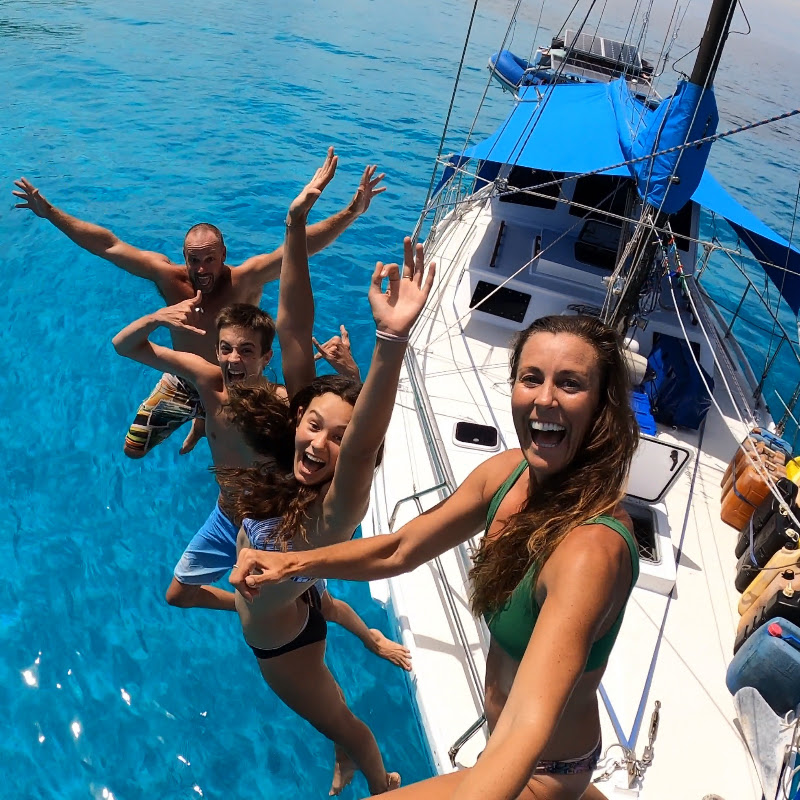
We are a family of 4 that packed up our life on the Gold Coast in Australia, Sold everything to live our dream and sail the world in 2016. We may not have much in the way of the things but we are living now sailing full time in South East Asia. Follow us as we document our adventures good times and bad and what it’s like for a family living on a sailing boat. We hope that our weekly videos make you smile and inspire you to live your wildest dreams. Facebook https://www.facebook.com/sailingcatalpa/ Instagram https://www.instagram.com/sailingcatalpa/ Website https://www.sailingcatalpa.com Our Channel is supported by our Patrons you can Check out our Patreon Page to see more and become a patron. https://www.patreon.com/sailingcatalpa The Catalpa Crew
Channel Information:
Social Media Links:
Latest Episodes from Sailing Catalpa
Explore the most recent voyages. Subscribe to the channel to never miss an update!

Is it as beautiful as they say
The Rice family anchors in Ha'apiti, tackles heavy reef surf with SV Valor, relocates to Cook's Bay ahead of 30-knot winds, and logs a 35-nautical-mile dinghy circumnavigation around Moorea.
Sailing to Tahiti to surf
Watch full video here Sailing to Tahiti | Surf and new sails
Sailing to Tahiti | Surf and new sails
SV Catalpa II motors into Tahiti after the wind dies, watching heavy surf at Teahupoo, tracking a chain plate floor leak, and rigging a new pink spinnaker before crossing to Moorea.