The Truth About Our Boat Buying & Selling Journey
Kelly and Connor of Sailing Big Lost settled into a temporary rental in Hallandale, Florida, waiting through 3 to 4 weeks of contract contingencies on a Vision 444 catamaran. Having completed 9 months of sailing aboard their previous vessel, Big Lost, the couple paused on land to evaluate the financial hurdles, mechanical discoveries, and structural realities of their boat transactions.
Stepping off the water following a long season in Central America and the Caribbean, the crew faced the contrast of suburban conveniences while working through marine surveys, escrow deadlines, and purchase agreements. Rather than moving quickly into another transaction without reflection, they cataloged the hard lessons gained from buying, maintaining, and selling a large blue-water multihull.
Contracting the Leopard 62 and Brokerage Hurdles
The couple originally planned to acquire a new Outremer 45, placing a deposit and entering the factory build queue. However, an early yacht broker convinced them that a 45-foot catamaran could not support their planned payload, urging them to consider a much larger vessel. The broker challenged their lifestyle expectations directly during negotiations:
“Well, how long have you ever really lived in your camper van? You certainly haven’t lived in it for a year.”
Yacht Broker
Persuaded by the broker’s assessment, Connor and Kelly cancelled the Outremer 45 contract and began searching for a 50 to 60 foot catamaran. Their itinerary quickly expanded as they traveled from Idaho across Europe and the Caribbean, inspecting 4 catamarans in France, Spain, the British Virgin Islands, and the US Virgin Islands. They settled on a 62-foot Leopard catamaran, which became Big Lost.
As a licensed real estate professional, Kelly expected the transaction to follow structured disclosure standards and ethical oversight. Instead, the purchase highlighted the unregulated nature of international yacht brokerage:
- Unconveyed Charter Contracts: Approximately $50,000 in charter bookings with collected client deposits were omitted from closing documents, requiring Connor and Kelly to operate those booked trips in the British Virgin Islands.
- Unpaid Vendor Invoices: Over $23,000 in outstanding repair bills, including a newly installed battery bank, remained unpaid upon taking delivery.
- Artificial Survey Adjustments: The pre-purchase appraisal returned $100,000 below the agreed contract price. Rather than renegotiating the purchase sum, the broker asked Kelly to contest the valuation, ultimately persuading the surveyor to increase the valuation on paper by attaching projected charter revenues.
When unexpected liabilities surfaced, their broker suggested they reflag the vessel and depart the territory without resolving local bills. Connor and Kelly firmly rejected that advice, choosing to pay the local tradesperson directly out of personal and professional integrity:
“You just don’t go around hiring people to do work for you and then not paying them.”
Kelly
Recognizing his oversight in failing to transmit the reservation agreements to the buyers prior to closing, the selling broker ultimately covered the $50,000 charter deposit discrepancy.
Selling Big Lost with Full Disclosure
After completing 9 months of cruising, including 100 days anchored in the Río Dulce, Connor and Kelly chose to put Big Lost up for sale. Encountering a family inquiring about sister ships on the market, the couple entered negotiations with a commitment to complete operational transparency.
Having experienced the stress of undisclosed mechanical issues during their own purchase, Kelly and Connor provided their buyers with full maintenance records, equipment purchase receipts, and complete logbook entries. In addition, their online video channel served as an open archive documenting every refit project and maintenance task executed over their 9 months aboard. Following the sale, Connor continued answering technical inquiries from the new owners to ensure their confidence in running the yacht’s systems.
Operational Realities and Choosing the Vision 444 ES
Managing the Leopard 62 revealed significant operational challenges for a short-handed family crew. Measuring almost 30 feet wide, the catamaran required both adults on deck for primary sail maneuvers. During one heavy-weather passage, Connor became severely seasick while climbing 8 feet up the mast to tie in a mainsail reef in darkness, only to discover that the yacht required a second reef immediately afterward. The incident left Kelly managing the helm alone, raising serious safety concerns regarding single-handed boat handling and emergency preparedness.
The sheer physical scale of the multihull also imposed severe maintenance demands. The vessel featured 5 cabins, 2 of which remained empty throughout their 9 months at sea, with only 1 single guest visiting during that period. Maintenance costs escalated rapidly, as Connor noted:
“A boat over 50 ft exponentially grows cost.”
Connor
To achieve a safer, more manageable cruising setup, the crew targeted the Vision 444 ES as their next platform:
“The Vision 444 ES to me was just a really, really, really good balance for what was out there.”
Connor
The Vision 444 ES offered specific structural and mechanical advantages over heavy production multihulls:
- Resin-Infused Composite Hull: Built with foam core and infused vinylester resin rather than balsa core, avoiding the rot and costly moisture intrusion that can plague end-grain balsa construction.
- Tabbed Composite Joinery: Internal bulkheads and cabinetry are tabbed directly into the hull structure, eliminating creaks and maintaining structural rigidity.
- Dedicated Equipment Lockers: Systems, generators, and wiring are housed in above-bilge technical compartments rather than damp bilge spaces, keeping bilges dry and preserving watertight bulkheads.
- Single-Handed Deck Ergonomics: Features an accessible outboard sport helm with clear visibility, direct access to the boom and mainsail, a forward-facing navigation station, and a dedicated onboard workshop.
Key Metrics of the Catamaran Transition
| Metric | Details |
|---|---|
| First Catamaran Model | Leopard 62 (Big Lost) |
| Leopard 62 Beam Width | Almost 30 feet |
| Leopard 62 Cabins | 5 cabins (2 unused) |
| Cruising Duration on Leopard 62 | 9 months |
| Duration in Río Dulce | 100 days |
| Initial Appraisal Shortfall | $100,000 |
| Unaccounted Charter Contracts | $50,000 |
| Unpaid Delivery Expenses | $23,000 |
| Florida Rental Transition Period | 3 to 4 weeks |
| Contracted Catamaran Model | Vision 444 ES |
Cruiser Guidance for Yacht Broker Selection
Drawing from her professional background in real estate transactions, Kelly emphasized that buyers must vet yacht brokers rigorously. Above all, a competent broker must prioritize client safety and financial security over completing a transaction:
“They need to be willing to walk away from any deal at any time.”
Kelly
Kelly and Connor advised prospective boat buyers to confirm whether a broker holds industry certifications, such as Certified Professional Yacht Broker accreditation, and to verify that the sponsoring brokerage enforces strict ethical oversight. The couple highlighted the support of broker Michelle Ropiza and advisor Kevin Klinges at The Catamaran Brokerage in Florida, who provided guidance throughout their vessel transactions.
Frequently Asked Questions
The Leopard 62 proved too large for a couple to handle short-handed, with an almost 30-foot beam requiring two people to reef or douse sails. High maintenance on five cabins and exponential operating costs for boats over 50 feet also factored into the decision.
The crew uncovered $50,000 in charter contracts with unforwarded deposits, $23,000 in unpaid vendor bills for repairs including a new battery bank, and a survey appraisal that arrived $100,000 below the contracted purchase price.
The Vision 444 ES features foam-core vinylester resin construction, avoiding balsa core moisture intrusion and rot risks. It also includes tabbed-in furniture, above-bilge systems lockers, a sport helm, and manageable single-handed sail handling.
They prioritized full transparency by disclosing all known maintenance history, handing over complete repair logbooks and purchase receipts, and sharing their public video channel archive documenting nine months of maintenance.
Buyers should select a broker willing to walk away from an unsuitable deal, confirm professional credentials like Certified Professional Yacht Broker accreditation, and ensure the brokerage maintains ethical standards and verified client reviews.
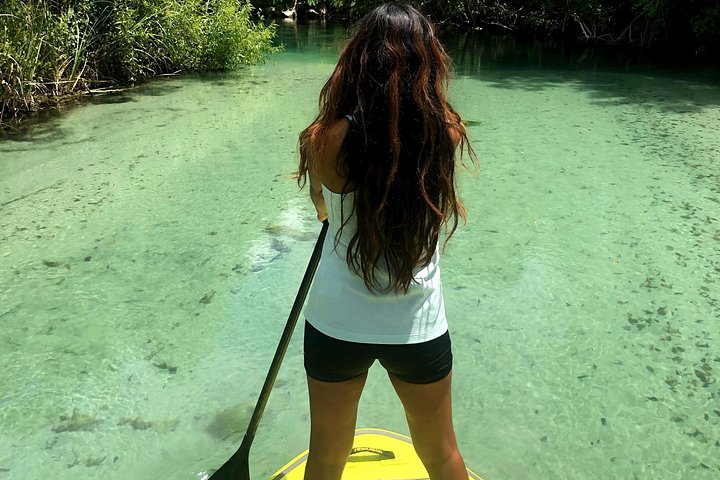
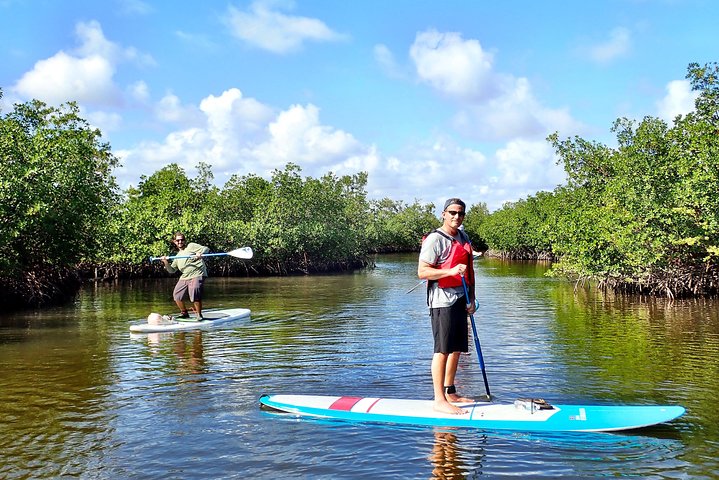
Book a trip where this was filmed — near Fort Lauderdale
Support Sailing Big Lost
At WeBoating.com, we profoundly acknowledge the unwavering dedication that Sailing Big Lost invests in crafting each and every video or voyage. Their passion for delivering exceptional ocean content shines through every frame, and it's a labor of love that deserves your attention.
We invite you to watch their captivating videos here and actively engage with their content, including their social media links above. Liking, commenting, and sharing their work goes a long way in fueling their creative fire.
We're also inviting you to explore the gear, sponsorships, and boat partnerships highlighted in the "The Truth About Our Boat Buying & Selling Journey" video description, or directly on YouTube. By engaging with these offerings or purchasing services and items, you directly support Sailing Big Lost, their collaborators, and the brands they're associated with.
To ensure you never miss an offshore update, consider visiting their official YouTube Channel to subscribe, like, and join their community directly.
If you have any feedback, corrections, or additional information about Sailing Big Lost or their videos, please use the comment form below to share your thoughts with us.
Thank you for being a part of our community and supporting the creators we cherish. Your time and support truly matter!
We bought a catamaran. Then we sold it. Now we’re living the landlubber life in Florida… while working our way through the contract contingencies on our next catamaran. ⛵️🌴
Yep, it’s been a journey — full of wild lessons, emotional decisions, and a whole lot of growth. In this video, we’re opening up about our full boat-buying and selling experience: how we chose our first catamaran, why we decided to sell, what it was really like to let go, and what we’re doing differently this time as we gear up for round two.
Right now, we’re back on land (yes, with laundry machines and actual parking spots 😆) soaking up the Florida sun while we wait for our next boat adventure to begin. It’s weird, wonderful, and definitely an adjustment!
🎯 Here’s what we cover:
The good, bad, and “wait, what?!” of buying our first cat
Our recommendations for selecting an excellent yacht broker
What we’ve learned about boat life
What it’s like living back on land after life at sea
If you're dreaming about boat life or in the middle of your own boat buying process, we hope our story helps you navigate the waters a little more smoothly.
Subscribe and join us on this wild ride — from land to sea and back again — with Sailing Big Lost.
⛵ Follow Our Adventures:
📸 Instagram: https://www.instagram.com/sailingbiglost/
🏝️ TikTok: https://www.tiktok.com/@UCgQWjtfYowV40rQK87XtzKQ
🌎 Website: https://www.sailingbiglost.com
🎥 Patreon: https://www.patreon.com/c/Biglost
Thanks for Watching! We appreciate you! 💕
#SailingBigLost #NewAdventures #SailingFamily #BoatLife #CatamaranSailing #boatshopping

Sailing Big Lost
Sailing Big Lost follows Conor, Kelly, Finn, and Maddie Malone from Sun Valley, Idaho, living full-time aboard their South African Vision 444 ES catamaran, Big Lost. In 2026, their channel documents transiting the Panama Canal, completing a 3,000-mile Pacific crossing, diving Tuamotu atolls, and raising teenagers offshore.
Channel Information:
Social Media Links:
The Truth About Our Boat Buying & Selling Journey Location
- Hallandale, Florida (25.9812,-80.1484)
Latest Episodes from Sailing Big Lost
Explore the most recent voyages. Subscribe to the channel to never miss an update!
What Living on a Sailboat Has Taught Our Family ⛵
Living on a sailboat has taught our family lessons we never expected. From crossing oceans and learning to make our own repairs to worldschooling our kids and finding community in the most remote places. Turns out, some of life's greatest lessons happen outside your comfort zone. ⛵ We'r...
We Broke It Now We Have to Fix It
A lowering mishap between Tahiti and Moorea cracks the aluminum davits aboard Big Lost. Conor, Kelly, and the crew return to Tahiti for emergency metalwork, structural epoxy bonding, and provisioning before sailing for the Tuamotus.
We Finally Left Tahiti… Then Everything Changed #Shorts
We finally left Tahiti, French Polynesia, with plans to sail to the Tuamotus. But one mistake damaged our dinghy davits and changed everything. Now we're working together to make repairs and figure out our next move aboard our sailing catamaran, Big Lost. ⛵ Watch the full adventure: **We Fina...
Our Sailboat Had TWO Problems in One Morning 💩 #Shorts
Just another day living on a sailboat! 🙃 We'd finally left Tahiti for Moorea, preparing to sail to the Tuamotus in French Polynesia. Then one mistake lowering our dinghy damaged the aluminum davits, and we discovered our toilet was leaking onto the floor. Two boat problems. One very crappy mo...
Swimming with Sharks & Rays in Moorea 🦈 #Shorts
Sharing the water with the locals in Moorea, French Polynesia! 🦈💙 Swimming alongside blacktip reef sharks and stingrays in the crystal-clear lagoons of Moorea is an experience that never gets old. We're Sailing Big Lost, a family sailing around the world and discovering the incredible places,...