Preparing Our Boat for the Pacific Crossing | Haul Out, Repairs & Reality
After waiting out three or four days of heavy blows in Portobelo, the crew of Sailing Big Lost gets underway toward Shelter Bay Marina. The boatyard informed them that an earlier opening on the travel lift became available, giving Connor and the family a chance to pull their catamaran onto the hard, inspect underwater through-hulls and sail drives, and complete a fresh bottom paint job before their scheduled Panama Canal transit.
The coastal passage delivers rough, rolling seas despite being the calmest day following the gale. Under a reefed mainsail and working jib, the catamaran powers forward on a starboard tack as the crew monitors telemetry and watches for ship traffic around the canal approach.
Rough Passage from Portobelo to Cristobal
Leaving Portobelo requires handling leftover swell and persistent breeze. As the vessel punches through choppy water, the helm records conditions across the cockpit instruments:
“We have about 18 knots of apparent wind speed, 15 knots of true wind speed.”
With one reef in the mainsail and the jib unfurled, the catamaran maintains 6 knots through the water and about 5 and a half knots over the ground. Sailing at a 57 degrees wind angle on a starboard tack, the crew estimates an arrival time of two and a half hours at the harbor entrance.
Clearing the Breakwater and Shelter Bay Haulout
As the vessel nears the Atlantic entrance to the Panama Canal, Connor contacts Cristobal Signal on the radio to request permission to cross into the channel:
“I am 8 nautical miles from the breakwater entrance. Requesting I can enter and make my way to shelter bay marina please.”
The traffic operator instructs the crew to hold outside the entrance until an inbound commercial vessel clears the passage over the next 10 minutes. Once the ship glides past, the catamaran resumes its heading into the sheltered waters of Shelter Bay Marina.
The primary objective at the marina is to complete a comprehensive technical haulout before transiting the Panama Canal on the 24th. Hauling a wide cruising catamaran into the travel lift slips demands focused line handling. Remembering a past incident at Harbortown Marina, Connor and the crew carefully reposition the travel lift slings forward to preserve clearance between the hull straps, rudders, and propulsion shafts.
Passage Telemetry and Approach Readings
Key telemetry and passage figures recorded during the run from Portobelo to the Cristobal breakwater entrance include:
| Passage Metric | Recorded Value |
|---|---|
| Apparent Wind Speed | 18 knots |
| True Wind Speed | 15 knots |
| Wind Angle | 57 degrees |
| Speed Through Water | 6 knots |
| Distance to Breakwater | 8 nautical miles |
| Scheduled Canal Transit | 24th |
Storm on the Hard and Anchor Gear Upgrades
Once the travel lift sets the catamaran onto the hard in the boatyard, adverse weather settles over Colon. Torrential rain pours down across the yard, and howling winds buffet the hull overnight on its support stands. Living aboard without running air conditioning makes the interior hot and stuffy, but the vessel remains stable through the storm.
While waiting for the weather to dry out enough to apply bottom paint, technical upgrades proceed on deck. The crew replaces their anchor connection with a redesigned Mantus swivel:
“So, we put on a new Mantis swivel. We like these better because it has the cover so the pin can’t fall out.”
To ensure the assembly remains secure in heavy anchoring loads, Connor mouses the securing bolt before seating the anchor back into its bow cradle.
Fiberglass Touch-Ups and Anode Replacement
During the bottom prep work, yard workers uncover a minor crack on the bow stem. The mark traces back to heavy French mooring balls at Les Saintes, where a protruding rebar collar bumped the hull during surging swells. Connor and the crew prepare epoxy to seal the fiberglass before roll-and-tip bottom coats begin.
Underneath the boat, propeller shafts and drive units receive close inspection. The zinc anodes installed previously during maintenance in Grenada show noticeable pitting. Although remaining material could last several more weeks, the crew removes the worn collars and replaces the end anodes while the hulls are conveniently dry.
Bulk Provisioning for the Pacific Crossing
With the boatyard projects underway, the crew shifts attention to long-distance provisioning. Because remote ocean passages offer no opportunity to resupply, stocking adequate non-perishables and household goods is vital:
“Maddie and I and our friend Brandy from Kaoa are headed to Price Mart and the Reeba store to do some serious provisioning.”
At PriceSmart, the group fills two shopping carts and an oversized flatbed barge with bulk groceries. Loading the boxes into the vehicle turns into an elaborate spatial puzzle managed by Roberto. Back at the marina, the family begins the lengthy process of unpackaging, inventorying, and stowing supplies into catamaran bilge lockers before preparing to cross the canal.
Frequently Asked Questions
Shelter Bay Marina boatyard had an unexpected opening on their travel lift several days before the scheduled reservation, allowing the crew to perform a bottom job and inspect running gear prior to their Panama Canal transit.
When Connor hailed Cristobal Signal 8 nautical miles out, the traffic operator instructed the catamaran to hold clear until an inbound commercial vessel completed its run through the breakwater channel.
Connor installed a new Mantus anchor swivel featuring an integrated safety cover to prevent the pin from backing out, and moused the bolt to ensure firm locking.
The crew partnered with Brandy from the vessel Kaoa to purchase dry goods and provisions at PriceSmart and Riba Smith, filling two carts and a warehouse barge.
Book a trip where this was filmed — near Panama City
Support Sailing Big Lost
At WeBoating.com, we profoundly acknowledge the unwavering dedication that Sailing Big Lost invests in crafting each and every video or voyage. Their passion for delivering exceptional ocean content shines through every frame, and it's a labor of love that deserves your attention.
We invite you to watch their captivating videos here and actively engage with their content, including their social media links above. Liking, commenting, and sharing their work goes a long way in fueling their creative fire.
We're also inviting you to explore the gear, sponsorships, and boat partnerships highlighted in the "Preparing Our Boat for the Pacific Crossing | Haul Out, Repairs & Reality" video description, or directly on YouTube. By engaging with these offerings or purchasing services and items, you directly support Sailing Big Lost, their collaborators, and the brands they're associated with.
To ensure you never miss an offshore update, consider visiting their official YouTube Channel to subscribe, like, and join their community directly.
If you have any feedback, corrections, or additional information about Sailing Big Lost or their videos, please use the comment form below to share your thoughts with us.
Thank you for being a part of our community and supporting the creators we cherish. Your time and support truly matter!
Before crossing the Pacific Ocean, there’s a lot of work that has to happen — and most of it isn’t glamorous.
In this episode, we sail from Portobelo to Shelter Bay Marina, haul our boat out, and begin the process of preparing both our vessel and our family for one of the most remote crossings in the world.
The Pacific isn’t just another passage. Once we leave, there are no ports, no quick fixes, and no easy way out. That means taking this time seriously — inspecting the boat, making repairs, provisioning carefully, and slowing everything down to focus on what really matters.
We’re a family living full-time on a sailboat, sharing the real side of this life — the good days, the hard days, and everything in between. If you’re curious about sailing, family life at sea, or what it really takes to prepare for a major ocean crossing, you’re in the right place.
❤️ Thanks for being here and following along on this journey.
If you’d like to support what we’re building, you can find links to our Patreon and other ways to support the journey below.
https://www.patreon.com/c/Biglost
📍 Follow along between videos:
Instagram: https://instagram.com/sailingbiglost
TikTok: https://tiktok.com/@UCgQWjtfYowV40rQK87XtzKQ
Website: https://www.sailingbiglost.com
0:00 Intro
0:24 Sailing to Shelter Bay
4:30 Preparing for the Pacific Crossing
5:46 Haul Out Day
8:03 Repairs & Maintenance
12:30 Provisioning for the Crossing
14:00 Settling In
Sailing Big Lost
Sailing Big Lost follows Conor, Kelly, Finn, and Maddie Malone from Sun Valley, Idaho, living full-time aboard their South African Vision 444 ES catamaran, Big Lost. In 2026, their channel documents transiting the Panama Canal, completing a 3,000-mile Pacific crossing, diving Tuamotu atolls, and raising teenagers offshore.
Channel Information:
Social Media Links:
Preparing Our Boat for the Pacific Crossing | Haul Out, Repairs & Reality Location
- Shelter Bay Marina (9.3683156,-79.951332)
- Portobelo (9.5539,-79.6544)
Latest Episodes from Sailing Big Lost
Explore the most recent voyages. Subscribe to the channel to never miss an update!
What Living on a Sailboat Has Taught Our Family ⛵
Living on a sailboat has taught our family lessons we never expected. From crossing oceans and learning to make our own repairs to worldschooling our kids and finding community in the most remote places. Turns out, some of life's greatest lessons happen outside your comfort zone. ⛵ We'r...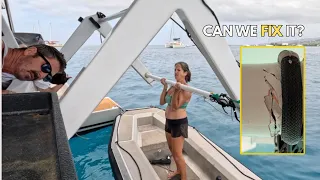
We Broke It Now We Have to Fix It
We finally left Tahiti, only to turn around and head straight back after one mistake left us with broken dinghy davits aboard our sailing catamaran, Big Lost. Now comes the hard part: fixing what we broke. Back in Tahiti, we track down welders to repair the bent stainless steel brackets and broken...
We Finally Left Tahiti… Then Everything Changed #Shorts
We finally left Tahiti, French Polynesia, with plans to sail to the Tuamotus. But one mistake damaged our dinghy davits and changed everything. Now we're working together to make repairs and figure out our next move aboard our sailing catamaran, Big Lost. ⛵ Watch the full adventure: **We Fina...
Our Sailboat Had TWO Problems in One Morning 💩 #Shorts
Just another day living on a sailboat! 🙃 We'd finally left Tahiti for Moorea, preparing to sail to the Tuamotus in French Polynesia. Then one mistake lowering our dinghy damaged the aluminum davits, and we discovered our toilet was leaking onto the floor. Two boat problems. One very crappy mo...
Swimming with Sharks & Rays in Moorea 🦈 #Shorts
Sharing the water with the locals in Moorea, French Polynesia! 🦈💙 Swimming alongside blacktip reef sharks and stingrays in the crystal-clear lagoons of Moorea is an experience that never gets old. We're Sailing Big Lost, a family sailing around the world and discovering the incredible places,...