
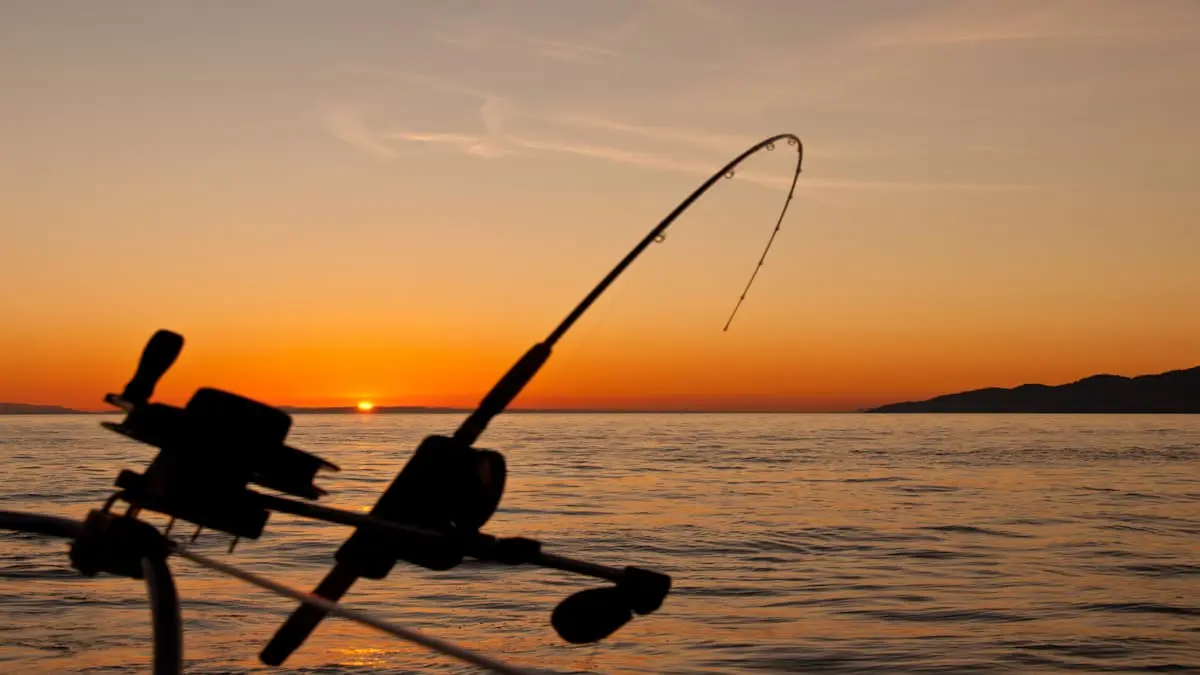
Success in night fishing comes down to mastering three core elements: stealth, precise light control, and a working knowledge of tide and moon cycles, all while maintaining safe navigation practices. To get started, equip yourself with a red‑light headlamp to preserve night vision, a USCG‑approved personal flotation device (PFD), and dark‑colored lures—black or purple—that create a strong silhouette against ambient light. One of the most effective tactics for immediate results is to target the shadow lines created by dock or bridge lights. Cast up‑current and allow your lure to drift naturally into the dark ambush zone where predators such as snook and bass wait to strike.
| Data Point | Requirement |
|---|---|
| Best Time to Go | Summer (May-Sep) for peak activity; Fall (Oct-Nov) for calmer nights. |
| Avg. Weekly Cost | $50-200 (Personal Gear) $450-900 (Guided Night Trip) |
| Difficulty Level | Intermediate (requires navigation & safety awareness) |
| Top Activity | Snook & Tarpon (Saltwater) Bass (Freshwater) |
| License Required? | Yes — Florida FWC or local equivalent |
Why Fish at Night? The Science of the Nocturnal Feed
“There is a specific magic that happens after dusk. The air cools, the midday boat traffic vanishes, and the ‘big girls’—the trophy snook and wary largemouth bass—finally drop their guard.”
— Captain Leah Ortiz, 15+ years navigating Tampa Bay’s night waters
Nightfall brings a remarkable transformation to the underwater world. Cooler temperatures not only make conditions more comfortable for anglers—they also influence fish behavior. Larger predatory species, typically cautious during daylight hours, emerge from their hiding spots and use the darkness to their advantage. They rely heavily on their lateral lines to detect vibration and on their eyes to track silhouettes against moonlight or artificial light. This shift often leads to some of the most exhilarating fishing experiences available.
Safety First: Night Navigation and Readiness
Night fishing is exhilarating, but it demands heightened awareness. Once the sun sets, your margin for error narrows significantly, making safety your top priority. Consider carrying visual distress signals such as emergency flares or a waterproof strobe light, especially if boating offshore. Always carry a well-stocked first-aid kit for minor injuries or emergencies. For official safety guidelines, refer to USCG Boating Safety and the National Weather Service Lightning Safety Center.
Navigation Lights and Visibility
Ensure your vessel’s USCG‑required navigation lights—red/green bow lights and a 360° white anchor light—are fully functional and illuminated from sunset to sunrise. Adding reflective tape to your engine cowling and PFD increases visibility. A handheld spotlight is useful for identifying unlit markers or PVC stakes in shallow flats, but use it sparingly. Excessive white light can disorient other boaters and spook nearby fish.
Weather and Tides Risk Management
Before heading out, always check the NOAA Marine Forecast and NOAA Tides & Currents for your area.
In regions like Tampa Bay summer afternoons can bring sudden thunderstorms that may redevelop after dark. Monitor wind shifts, tide strength, and current flow—especially near bridges and tidal passes—where conditions can change quickly and become hazardous.
Communication and Monitoring
Maintain situational awareness at all times. File a float plan with a trusted contact, outlining your route and expected return time. Carry a fully charged VHF radio (monitor Channel 16 before switching to a working channel such as 68 or 69), along with a reliable mobile phone and tracking app. A whistle or horn is essential for signaling.
Kayak-Specific Safety
Kayakers are especially vulnerable at night due to low visibility. Wear your PFD at all times and mount a 360° white light on a pole behind you. Stay along protected lee shores to avoid chop and steer clear of main channels. Never assume a large vessel can see your kayak—if a boat approaches, signal your presence with a whistle or a brief flash of light.
Gear That Matters After Dark
The Lighting Kit
Lighting is one of the most important components of successful night fishing. Start with a quality red‑light headlamp ($25–$80 / €23–€74). Red light preserves your night vision far better than white light, which can temporarily blind you and spook nearby fish.
For attracting bait, green submersible lights ($40–$150 / €37–€139) are highly effective. Always check local regulations first—some regions restrict the use of permanent underwater lighting. Carry spare batteries and manage your power carefully to avoid being left in the dark.
Lures and Baits
At night, contrast is everything. Skip the bright daytime colors—black, dark purple, and “bruiser” patterns create the strongest silhouettes in low light. Slow, deliberate presentations tend to outperform fast retrieves.
Effective Night Lures & Baits
- For Snook/Trout: 4-inch paddle tails or slow-rolled swimbaits.
- For Bass: Black buzzbaits, Colorado-blade spinnerbaits that produce strong vibration.
- Live Bait: Shrimp, whitebait, and other natural offerings remain consistently productive
Pro Tip: Apply a scent (like Pro-Cure) to your lures. Fish rely heavily on smell and vibration when sight is limited.
Rods, Reels, Line
For inshore species like snook, a 3000–4000 series spinning reel paired with a medium‑heavy rod offers the ideal balance of power and sensitivity. For freshwater bass, a 200‑series baitcaster provides accuracy and control.
Use braided line for maximum sensitivity in the dark, and pair it with a fluorocarbon leader to maintain stealth.
Noise and Scent Control
Fish are far more sensitive to vibration and foreign scents at night.
- Store gear quietly
- Make soft, controlled casts
- Apply scent to lures
- Avoid getting bug spray on your hands—it can transfer to your line and repel fish
Small details make a big difference after dark.
Techniques: Where and How to Present
The Shadow Line Strategy
When fishing around dock or bridge lights, predators rarely sit in the brightest part of the beam. Instead, they hold along the shadow line—the boundary where light fades into darkness.
Approach from down‑current using a low trolling‑motor setting (2–3). Cast well past the light and retrieve your lure so it sweeps naturally through the shadow, mimicking a wounded baitfish drifting with the tide.
Grasslines, Points, and Riprap
Cast parallel to these structures and let your lure fall naturally along the edges. Slow retrieves give fish more time to locate your bait. Pay attention to subtle taps—night strikes are often softer than daytime hits.
Open Water and Submerged Structure
In open water, target areas with known submerged structures or thermoclines.
- Use jigs and count down your retrieve to reach the correct depth
- Fan cast to cover more water and locate active fish
Freshwater Bass at Night
Target weedlines, submerged cover, and the windward edges of eelgrass beds. Black buzzbaits are especially effective, imitating the sound of cicadas or other nocturnal insects skimming the surface.
Etiquette and Privacy
Many dock lights illuminate private property. While the water is public, your noise and light are not.
Follow these guidelines to keep the peace:
- Maintain a quiet, respectful presence
- Avoid casting onto docks
- Keep music off
- Never shine white spotlights into backyards
- Maintain a quiet, respectful presence
Being a stealthy, courteous angler keeps these spots productive and preserves good relationships with waterfront residents.
Moon, Tides, and Timing
Moon Phases
Both new and full moon phases can create excellent night‑fishing conditions.
- New Moon: Offers near‑total darkness, making artificial lights more effective at concentrating bait and predators.
- Full Moon: Provides natural illumination, allowing you to cover more water and fish more aggressively.
Adapt your tactics to the available light—fish behave differently under each phase.
Tidal Playbook (Tampa Bay)
In Tampa Bay, the final two hours of an outgoing (ebb) tide are widely considered the “Golden Hours” for dock‑light snook. Current seams around bridges and passes often hold staging fish, waiting for shrimp and glass minnows flushed from the mangroves.
During the incoming tide, shift your focus to the shallow flats (1–3 feet). Redfish frequently roam these illuminated shallows under the moonlight.
Sample Night Session Itineraries
- 4‑Hour Boat Trip: Start with dock lights during the outgoing tide, then transition to bridge pilings as the tide slows.
- 3‑Hour Kayak Trip: Focus on a single productive grassline or oyster bar.
- Shore Anglers: Target public piers or lighted bridges, moving with the tide to stay on active fish.
Local Tampa Bay Logistics
Top Launch Points and Marinas
Tampa Bay offers a variety of convenient access points. Always confirm operating hours, night access, and transient slip or parking fees.
- Harborage Marina, Maximo Marina, PORT 32 Tampa: Additional full‑service options for boaters.
- St. Petersburg Municipal Marina: Ideal for Skyway Bridge runs; transient slips typically range from $2.50–$4.50/ft per night.
- Gandy Boat Ramp: Excellent for accessing the Gandy Bridge light lines; check for night‑parking permits.
- Fort De Soto Boat Ramp: Popular with kayak anglers targeting the flats; be cautious of strong currents in the passes.
Rules and Licenses
A Florida recreational saltwater fishing license is required for residents aged 16–64 and for all non‑residents 16 and older. Additional permits—such as a snook permit—may be required during open harvest seasons.
Always verify current regulations, seasons, and slot limits through the Florida Fish and Wildlife Conservation Commission (FWC) to ensure compliance.
Species Targets
Night fishing in Tampa Bay commonly produces:
- Snook
- Spotted Seatrout
- Redfish
Seasonally, you may also encounter tarpon, though they are typically catch‑and‑release at night. Expect lively bycatch such as ladyfish and jacks, which add excitement to any session.
⚓ Glossary: Nautical Terms for Night Anglers
- Ebb Tide: The outgoing tide; often the most productive for bridge and dock fishing.
- All‑Round Light: A 360‑degree white light required for vessels at anchor or under 7 meters in length.
- Shadow Line: The boundary where artificial light fades into darkness; a prime ambush zone for snook.
Night Fishing Costs and Budgeting
Gear Tiers
- Budget Setup: Basic red headlamp ($25–$80 / €23–€74), affordable rod/reel combo ($75–$150 / €69–€139), essential safety gear.
- Mid‑Tier Setup: Quality red headlamp, 3000–4000 series spinning combo ($150–$300 / €139–€278), green submersible lights ($40–$150 / €37–€139), diverse lure selection.
- Pro Setup: High‑end electronics, specialized rods and reels, premium tackle, advanced navigation tools.
Boat vs. Kayak vs. Shore Cost Comparison
- Shore Fishing: Minimal cost—bait, terminal tackle, and a license.
- Kayak Fishing: Upfront investment in kayak, paddle, PFD, and safety lighting; ongoing bait and tackle costs.
- Boat Fishing: Highest initial investment (boat, motor, trailer). Ongoing expenses include fuel, maintenance, launch fees ($5–$15 / €5–€14), bait, and marina fees.
- Guided Trip: Typically $450–$900 / €417–€833 for a 4–6 hour night trip for 1–3 anglers (tips not included).
Night Fishing Frequently Asked Questions
Yes. Night fishing is legal year‑round, but most anglers must carry a valid Florida Recreational Saltwater Fishing License. Residents aged 16–64 and all non‑residents 16+ are required to have one.
Night fishing can be safe when proper precautions are taken. Always use USCG‑required navigation lights, wear a PFD, check weather and tides, and carry communication devices such as a VHF radio and a fully charged phone.
Local ordinances vary, but it’s best to maintain a respectful distance. Fish the outer edges of the light’s influence and avoid casting onto private property. Keep noise and lights to a minimum.
Yes, green submersible lights are legal in most areas. Ensure they do not interfere with navigation or disturb nearby residents.
Not well. In low light, fish rely on contrast and silhouettes, which is why dark lures—black, purple, or “bruiser” patterns—often outperform bright colors.
Red. It preserves night vision and is less disruptive to fish and other anglers. White light can temporarily blind you and spook fish.
Slow‑rolled swimbaits, paddle tails, black buzzbaits, and Colorado‑blade spinnerbaits are top performers due to their vibration and silhouette.
Not necessarily, but many anglers prefer braided line for sensitivity and fluorocarbon leaders for stealth. Inshore anglers often use 3000–4000 series spinning reels; bass anglers favor 200‑series baitcasters.
From St. Petersburg Municipal Marina, the Skyway Bridge is roughly 7–10 nautical miles (20–40 minutes depending on conditions). The Gandy Bridge is about 15 minutes from the Gandy Ramp.
The last two hours of the outgoing tide are often the most productive, especially around dock lights and bridges.
Yes. Tides influence bait movement, current speed, and fish positioning. Outgoing tides are typically best for dock lights; incoming tides are ideal for shallow flats.
Yes, but beginners should start with short, safe sessions or book a guided trip to learn proper navigation and safety practices.
In Tampa Bay, most private night charters range from $450–$900 (€417–€833) for 4–6 hours and typically include gear and licensing for 1–3 anglers.
Not necessarily. Gear costs are similar, but some guides charge a premium for night trips due to specialized expertise and safety considerations.
A red headlamp, PFD, weather‑appropriate clothing, bug spray, snacks, water, and a fully charged phone. Guides typically provide rods, reels, bait, and tackle.
Common targets include snook, spotted seatrout, and redfish. Seasonal encounters with tarpon are also possible, along with lively bycatch like ladyfish and jacks.
Predators feed more aggressively in low light, using vibration and silhouette detection to ambush prey. Reduced boat traffic also makes fish less wary.
Both new and full moons can be productive. New moons create darker conditions that enhance the effect of artificial lights, while full moons provide natural illumination that helps you cover more water. The best phase depends on your target species and preferred fishing style.
No. Polarized sunglasses are designed to reduce glare in bright daylight. At night, they limit visibility. If you need eye protection, choose clear or lightly tinted safety lenses instead.
Use unscented bug spray and apply it away from your hands to avoid contaminating lures or line. Wearing lightweight long sleeves and fishing in areas with a light breeze can also help reduce insect activity.
Approach from down‑current using the lowest possible trolling‑motor setting. Avoid sudden movements, hull slaps, and gear noise. Fish in shadow lines are extremely sensitive to vibration, so stealth is essential.
Yes, with proper precautions. Always wear a PFD, use a 360° white light mounted on a pole, stay along protected shorelines, and avoid main channels. Make yourself visible and assume larger vessels cannot see you.
It can be, especially on warmer nights or during stable weather patterns. Fish may feed less aggressively in cold snaps, but deep channels, bridges, and warm‑water outflows often hold active predators.
Final Cast: Embrace the Night
Night fishing is more than a technique—it’s an immersive experience that sharpens your senses and deepens your connection to the water. By prioritizing safety, understanding nocturnal fish behavior, and refining your approach over time, you’ll unlock an entirely new dimension of angling. Start with short practice sessions, track your tides and moon phases, and build your confidence step by step. The nocturnal waters hold unforgettable moments for those willing to explore them.
WeBoating.com provides general information only and connects users with independent third‑party providers. Always follow local laws and consult licensed professionals before boating or fishing at night.
Ready to experience the thrill firsthand? Explore professional night‑fishing charters in Tampa Bay and book your next adventure today.